.svg)
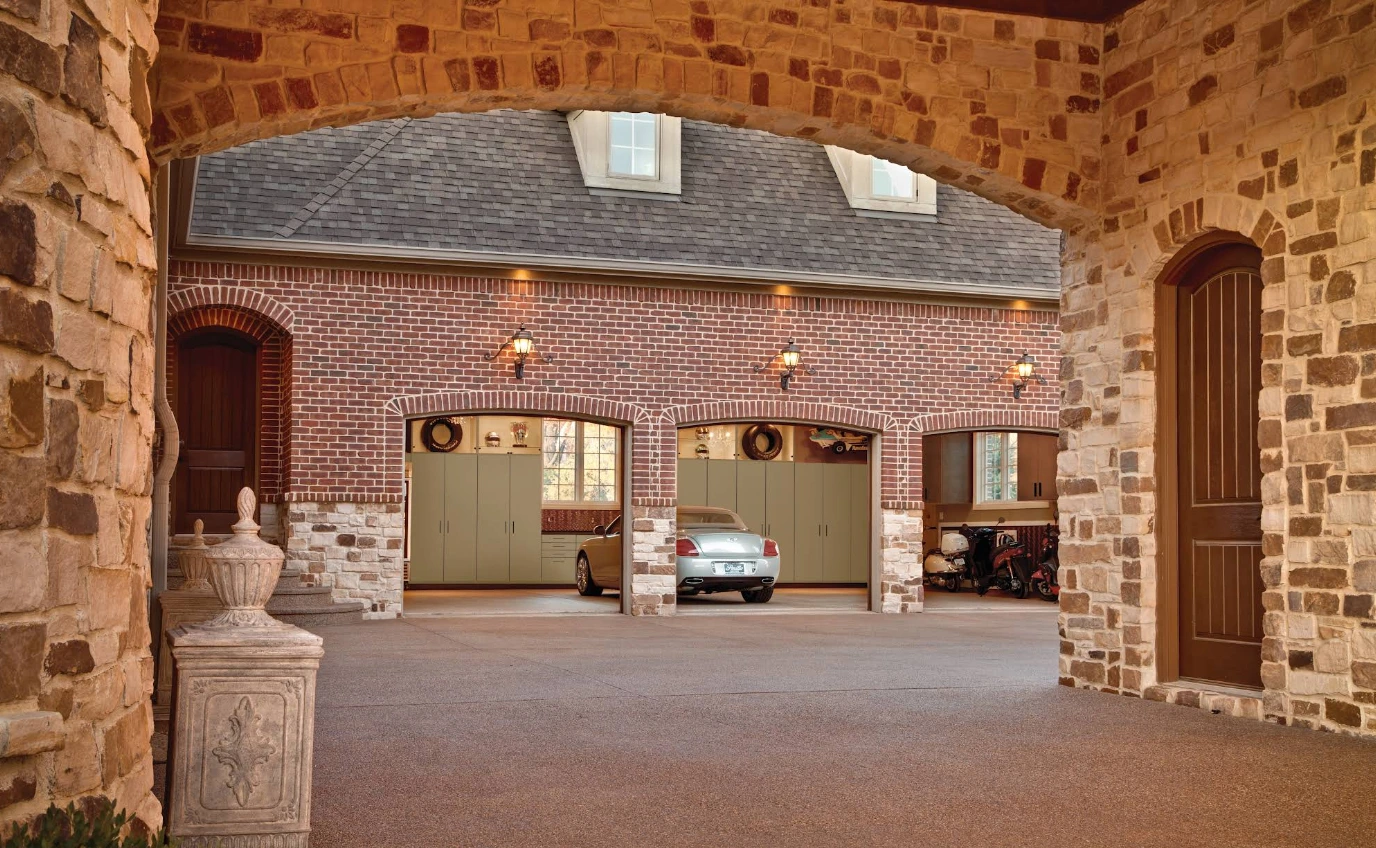
Why Insulation Matters in Your Garage
Your garage represents a significant portion of your home's exterior surface area. Without proper insulation, an uninsulated garage door allows outdoor temperatures to directly influence the garage environment, which in turn affects adjacent living spaces. In Bethesda's variable climate - with cold, damp winters and warm, humid summers - an uninsulated garage door means your heating and cooling systems work harder to maintain comfortable temperatures throughout your home.
An insulated garage door creates a thermal boundary that resists temperature transfer. This resistance is measured in R-values, which indicate the door's ability to prevent heat flow. Higher R-values mean better insulation performance. For homes in the Bethesda area, where temperature swings can be significant, investing in a quality insulated door pays dividends year-round. You'll notice lower energy bills, more consistent temperatures in spaces adjacent to the garage, and reduced strain on your HVAC equipment.
Beyond temperature control, insulation provides secondary benefits that many homeowners don't initially consider. Insulated doors are significantly quieter than uninsulated alternatives - the foam core absorbs sound, making the door operation and exterior noise less intrusive. If your garage is near a bedroom or living space, this noise reduction alone can dramatically improve your quality of life.
Understanding Garage Door Insulation Types
Not all garage door insulation is created equal. Garage Design Source offers multiple insulation options to match different performance needs and budgets. Understanding the differences helps you make an informed decision about which solution is right for your home.
Expanded Polystyrene (EPS) Insulation
EPS is one of the most common insulation materials in garage doors. This lightweight foam board is manufactured by expanding polystyrene beads, creating a porous structure that traps air. EPS provides decent thermal resistance and is cost-effective, making it an accessible entry point for homeowners seeking insulated doors. However, EPS is susceptible to moisture absorption in humid climates like Bethesda, which can degrade its insulating properties over time. EPS-insulated doors typically offer R-values ranging from 6 to 8, providing moderate thermal performance.
Polyurethane Insulation
Polyurethane foam represents a premium insulation choice. This material is denser than EPS and offers superior thermal performance, with R-values typically ranging from 12 to 18. The chemical structure of polyurethane creates a more impermeable barrier, making it significantly more resistant to moisture infiltration - a crucial advantage in Bethesda's humid environment. Polyurethane-insulated doors maintain their R-value performance longer and are less prone to degradation. The trade-off is a higher initial cost, though many homeowners view this as a sound long-term investment given the improved durability and energy savings.
Polystyrene Foam Boards
A middle ground between EPS and polyurethane, polystyrene foam boards offer improved moisture resistance compared to basic EPS while remaining more affordable than polyurethane. These boards are often laminated with reflective barriers to enhance thermal performance. R-values for polystyrene-insulated doors typically fall in the 10-15 range. For Bethesda homeowners seeking a balance between performance and value, this option provides solid benefits without the premium price tag of polyurethane.
Reflective Barriers and Multi-Layer Construction
Many modern insulated garage doors employ multiple layers working together. A reflective barrier layer facing the garage interior reflects radiant heat, while the foam core resists conductive heat transfer. The exterior layer protects the insulation from weather and physical damage. This layered approach maximizes overall thermal performance and durability. Garage Design Source ensures that every insulated door we install features appropriate multi-layer construction designed to perform reliably in Bethesda's climate.
Door Materials and Finishes
The outer material of your insulated garage door affects both aesthetics and performance. Garage Design Source offers several material options, each with distinct advantages.
Steel Doors
Steel doors are durable, dent-resistant, and provide excellent structural support for insulation. The steel outer panels create a rigid frame that maintains the door's shape and integrity over years of use. Steel can be painted in virtually any color, making it easy to coordinate with your home's exterior. However, steel can dent if struck forcefully, and in coastal or extremely humid environments, rust can develop if the protective coating is compromised. In Bethesda, standard steel doors with proper coating perform well, offering a reliable, low-maintenance solution.
Aluminum Doors
Lightweight aluminum offers a sleek, modern aesthetic and excellent corrosion resistance. Aluminum doors are particularly popular in contemporary home designs and work well alongside large glazed sections. The lightweight nature of aluminum reduces strain on door openers and tracks. However, aluminum is not as structurally rigid as steel, which can be relevant for larger door openings or in extreme weather conditions. For standard two-car garage doors in Bethesda, aluminum insulated doors perform excellently and offer a premium appearance.
Wood Composite Doors
For homeowners seeking the elegant appearance of wood without the maintenance demands, wood composite insulated doors provide an attractive solution. These doors feature engineered wood surfaces that resist moisture, warping, and rot - concerns that plague traditional wood doors in humid climates like Bethesda. Wood composite maintains insulation properties while delivering a high-end aesthetic. The trade-off is a higher cost compared to steel or aluminum alternatives.
Styles, Colors, and Glazing Options
Your garage door is a prominent visual element of your home's facade. Garage Design Source ensures that insulated doors don't mean sacrificing aesthetics - our selection includes diverse styles and customization options.
Panel Styles
Traditional raised panel doors remain popular and complement a wide range of architectural styles. Contemporary flat panel designs offer a clean, minimalist appearance. Carriage-style doors with decorative hardware appeal to homeowners favoring classic aesthetics. Flush panel designs provide a sleek, modern look. Each style is available with insulation options, ensuring you never compromise thermal performance for appearance.
Color Selection
Most insulated garage doors can be custom colored to match or complement your home's exterior trim, shutters, or overall color scheme. Whether your Bethesda home features warm earth tones, neutral grays, or bold accent colors, Garage Design Source can help you select a door color that enhances your home's curb appeal while providing superior insulation.
Glazing Options
Many homeowners appreciate the natural light that glazed garage doors provide. Insulated garage doors can incorporate various glazing configurations - from a single window at the top to multiple panes distributed across the door sections. Modern insulated glazing uses double-pane technology with low-emissivity coatings that permit natural light while maintaining thermal performance. Frosted or tinted glass options provide privacy while still admitting light. Garage Design Source works with you to select glazing patterns that balance aesthetics, natural light, and energy efficiency.
R-Values Explained - What Performance Level Do You Need?
R-value measures thermal resistance. Higher R-values indicate superior insulation performance and greater resistance to heat transfer. Understanding R-values helps you select the appropriate door for your needs and climate.
In Bethesda's moderate continental climate with cold winters reaching into the 20s and warm summers in the high 80s, most homeowners benefit from doors with R-values of 12 or higher. This range provides meaningful energy savings and thermal comfort without requiring the highest-performance options available.
R-8 to R-10 Doors - These entry-level insulated doors provide basic thermal resistance and noticeably quieter operation than uninsulated alternatives. They're appropriate for garages used primarily for vehicle storage, where temperature control is less critical.
R-12 to R-15 Doors - This mid-range performance level represents the most popular choice among Bethesda homeowners. These doors provide substantial energy savings, effective noise reduction, and meaningful thermal comfort improvement. If your garage is adjacent to living spaces or if you're concerned about heating and cooling efficiency, this range delivers excellent value and performance.
R-16 to R-18+ Doors - Premium insulation performance, typically achieved with polyurethane cores or advanced multi-layer construction. These doors represent maximum energy efficiency and are ideal if your garage connects directly to conditioned living space, if you use your garage as a workshop or recreation area, or if you prioritize absolute thermal performance. For many Bethesda homes where the garage adjoins kitchens or bedrooms, this performance level justifies the premium cost through reduced energy bills and superior comfort.
Garage Design Source assists you in evaluating your specific needs, home configuration, and local climate to recommend the optimal R-value for your situation.
Compatibility with Existing Garage Door Openers
A common concern when upgrading to an insulated garage door is whether your existing opener can handle the increased weight. Insulated doors are considerably heavier than uninsulated alternatives - sometimes 50 pounds or more heavier per door. Your garage door opener must be rated to safely operate this additional weight.
Most modern garage door openers manufactured within the last 10-15 years are sufficiently powerful to operate standard insulated doors. However, older openers or those originally installed with very lightweight doors may struggle. An underpowered opener strains against the weight, leading to slower operation, reduced lifespan, and potential safety issues.
During your consultation, Garage Design Source evaluates your existing opener's capacity and condition. We confirm compatibility with the insulated door you've selected, and we'll recommend a replacement opener if your current unit cannot safely handle the upgraded door's weight. Replacing an inadequate opener simultaneously with your new insulated door ensures reliable, safe operation and prevents future complications.
In some cases, upgrading to an insulated door presents an ideal opportunity to also upgrade your opener to a modern unit with features like battery backup, WiFi connectivity, and enhanced safety sensors - features that add convenience and security to your daily routine.
The Professional Installation Process
Proper installation is essential for your insulated garage door to deliver its promised thermal performance, noise reduction, and reliable operation. Garage Design Source handles every step of the installation process with attention to detail and craftsmanship.
Pre-Installation Assessment
Before work begins, our team thoroughly examines your garage structure, existing door and opener, and the surrounding hardware. We verify that your opening dimensions are accurate, that your tracks are straight and properly aligned, and that your opener can safely handle the new door's weight. This assessment identifies any structural issues or incompatibilities that must be addressed before installation proceeds.
Removal of Existing Door
We safely disconnect your old door, carefully lowering it to the floor. Spring tension is released properly to prevent injury. Hardware that can be reused - brackets, hinges, rollers - is documented. The opening is cleaned and inspected for any structural damage or issues.
Framework and Hardware Installation
If your opening dimensions have changed or if existing hardware is worn or incompatible, new framework is installed to support the insulated door properly. Modern brackets, hinges, and rollers are positioned with precision. These components must be perfectly aligned to ensure smooth, quiet operation throughout the door's life.
Door Section Assembly
Your new insulated door arrives as individual sections. Our technicians carefully assemble these sections, aligning them perfectly and installing the weather stripping that seals the door against weather infiltration. Each section is checked to ensure proper fit and alignment before the next section is added.
Spring and Cable Installation
The torsion springs and cables that counterbalance your door's weight are installed with extreme care. Improperly installed springs create serious safety hazards and risk door failure. Garage Design Source technicians are trained in safe spring installation, and we verify proper tension before the door begins operation.
Track Alignment and Testing
Tracks are carefully aligned to ensure your door moves smoothly without binding or sticking. Preliminary tests verify smooth operation at all positions - fully open, fully closed, and in-between. Adjustments are made to achieve perfect alignment.
Opener Connection and Final Testing
The door is connected to your garage door opener. The opener's force settings are adjusted so the door opens and closes smoothly without jerking or hesitation. Safety sensors are tested to confirm they respond properly. The door is cycled multiple times through full open-close cycles to verify reliable operation.
Walkthrough and Operation Instructions
Before we leave, our technicians walk you through the door's operation, explaining any new features and answering questions. We provide clear instructions for manual operation in case of power loss and remind you of basic maintenance tasks that keep your door performing optimally.
Installation Timeline and Project Completion
Most insulated garage door installations are completed in a single day. Standard two-car garage installations typically require 4-6 hours from arrival to final testing and walkthrough. Single-car doors may be completed in 3-4 hours, while custom installations or situations requiring structural modifications may take longer.
Garage Design Source coordinates your installation at a time convenient to your schedule. We communicate clearly about expected completion time so you can plan your day accordingly. Because the door is typically out of service during installation, we schedule installations during times when your garage access won't significantly disrupt your routine.
Warranty and Long-Term Performance
Garage Design Source stands behind the insulated garage doors we install. Our warranty covers manufacturing defects in the door panels, insulation, and hardware for a specified period. The exact warranty terms vary based on the door model and materials you select, but premium options typically include extended coverage.
Springs and cables, which experience the most wear over time, are generally covered under warranty for specific durations. We explain warranty coverage in detail during your consultation and provide documentation outlining what's covered and for how long.
Beyond warranty coverage, regular maintenance keeps your insulated door performing optimally for many years. Lubricate hinges and rollers annually, inspect weatherstripping for damage or deterioration, and keep the door clean of debris and dirt. These simple steps prevent small issues from becoming costly problems and extend your door's operational lifespan.
Maintenance Tips for Long-Lasting Performance
Your insulated garage door requires minimal maintenance, but a few simple tasks keep it operating smoothly and performing efficiently for years to come.
Lubrication
Apply a silicone-based lubricant to hinges, rollers, and springs annually. This reduces friction, extends component lifespan, and ensures smooth, quiet operation. Avoid petroleum-based lubricants that attract dirt and grime.
Weatherstripping Inspection
Check the weatherstripping around your door edges regularly, particularly before winter. If it appears cracked, compressed, or damaged, replacing it restores the thermal seal. This simple $50-100 maintenance task prevents significant energy loss.
Visual Inspection
Periodically examine the door's outer panels for damage, dents, or areas where the protective coating may be compromised. Addressing minor damage promptly prevents rust development or moisture infiltration into the insulation.
Opener Testing
Test your garage door opener's safety sensors monthly by placing a box in the doorway and closing the door - it should reverse direction when it contacts the obstacle. This confirms your safety systems are functioning properly.
Spring and Cable Examination
While you shouldn't attempt to adjust springs or cables yourself - these components are under extreme tension and extremely dangerous - you can visually inspect them for signs of fraying, corrosion, or apparent damage. Contact Garage Design Source if you notice anything unusual.
Energy Savings and Long-Term Cost Benefit
The energy savings delivered by an insulated garage door accumulate year after year, often offsetting the initial investment within just a few years. The exact savings depend on several factors - your current door's insulation level, your home's climate, how well your garage is sealed against other air leaks, and your local energy costs.
A typical Bethesda homeowner with an uninsulated or poorly insulated garage door can expect to see meaningful reductions in heating and cooling costs after upgrading to a quality insulated door with an R-value of 12 or higher. The door reduces heat loss in winter and heat gain in summer, directly lowering the energy consumption required to maintain comfortable home temperatures.
Beyond direct energy savings, an insulated door adds value to your home. Potential buyers recognize the benefits of superior thermal performance and reduced operating costs. In Bethesda's competitive real estate market, quality upgrades that improve efficiency and performance enhance your home's appeal and resale value.
Energy Efficiency Beyond the Door
While your new insulated garage door significantly improves thermal performance, maximum efficiency results from a comprehensive approach. Garage Design Source recommends evaluating other garage factors:
Insulation in Garage Walls and Ceiling
If your garage is attached to your home, ensure walls and ceilings are properly insulated. This prevents temperature-conditioned air from your home from escaping into the uninsulated garage.
Sealing Air Leaks
Weather strips around the door's edges and bottom seal prevent outside air from infiltrating around the door's perimeter. Caulking gaps in the garage structure and sealing penetrations through shared walls with your home reduce air leakage significantly.
Insulated Entry Doors
If you have an entry door from the garage into your home, ensuring it's insulated and properly sealed maintains the thermal boundary between your conditioned living space and the garage.
Window Insulation
If your garage has windows, double-pane, low-emissivity windows improve thermal performance compared to single-pane alternatives.
Garage Design Source specializes in garage doors, but we're happy to discuss these complementary efficiency improvements with you and recommend contractors for additional garage upgrades.
Choosing the Right Insulated Door for Your Home
Selecting an insulated garage door involves balancing several considerations - your budget, your aesthetic preferences, your home's architectural style, your performance requirements, and the climate conditions in Bethesda that your door must withstand.
Start by defining your priorities. Are energy savings your primary concern? Do you want maximum noise reduction? Is a specific aesthetic essential to your home's curb appeal? Once you've identified your main priorities, the right door becomes clearer.
Consider your garage's role in your home. A garage used primarily for vehicle storage has different requirements than one used as a workshop or recreation space. A garage adjoining your kitchen or bedrooms justifies higher insulation performance and noise reduction compared to a more isolated garage.
Evaluate your home's architectural style. Modern homes often benefit from clean-lined flat panel or contemporary doors, while traditional homes may be better served by raised panel or carriage-style designs. The door should enhance your home's appearance, not clash with its character.
Budget considerations are legitimate but should be weighed against long-term value. The least expensive insulated door delivers better value than the cheapest uninsulated alternative, but premium options with superior insulation and materials offer additional benefits that justify their higher cost if those benefits align with your priorities.
Garage Design Source guides you through this selection process, asking detailed questions about your situation and helping you understand the trade-offs between different options. We're not interested in pushing you toward the most expensive choice - we're committed to helping you select the door that delivers the best value and performance for your specific needs and circumstances.
Contact Garage Design Source for Your Insulated Door Needs
An insulated, energy-efficient garage door is an investment in your home's comfort, efficiency, and aesthetic appeal. Garage Design Source brings decades of experience selecting, installing, and maintaining premium garage doors throughout the Bethesda and Washington D.C. metro area. We understand the local climate, the architectural styles that define our region, and the performance characteristics that matter most to homeowners in this area.
When you're ready to explore your options for an insulated garage door or if you have questions about whether an upgrade is right for your home, Garage Design Source is prepared to help. Our team combines technical expertise with a commitment to honest, straightforward guidance - we'll help you understand your options and make an informed decision that delivers real value for your home and family.
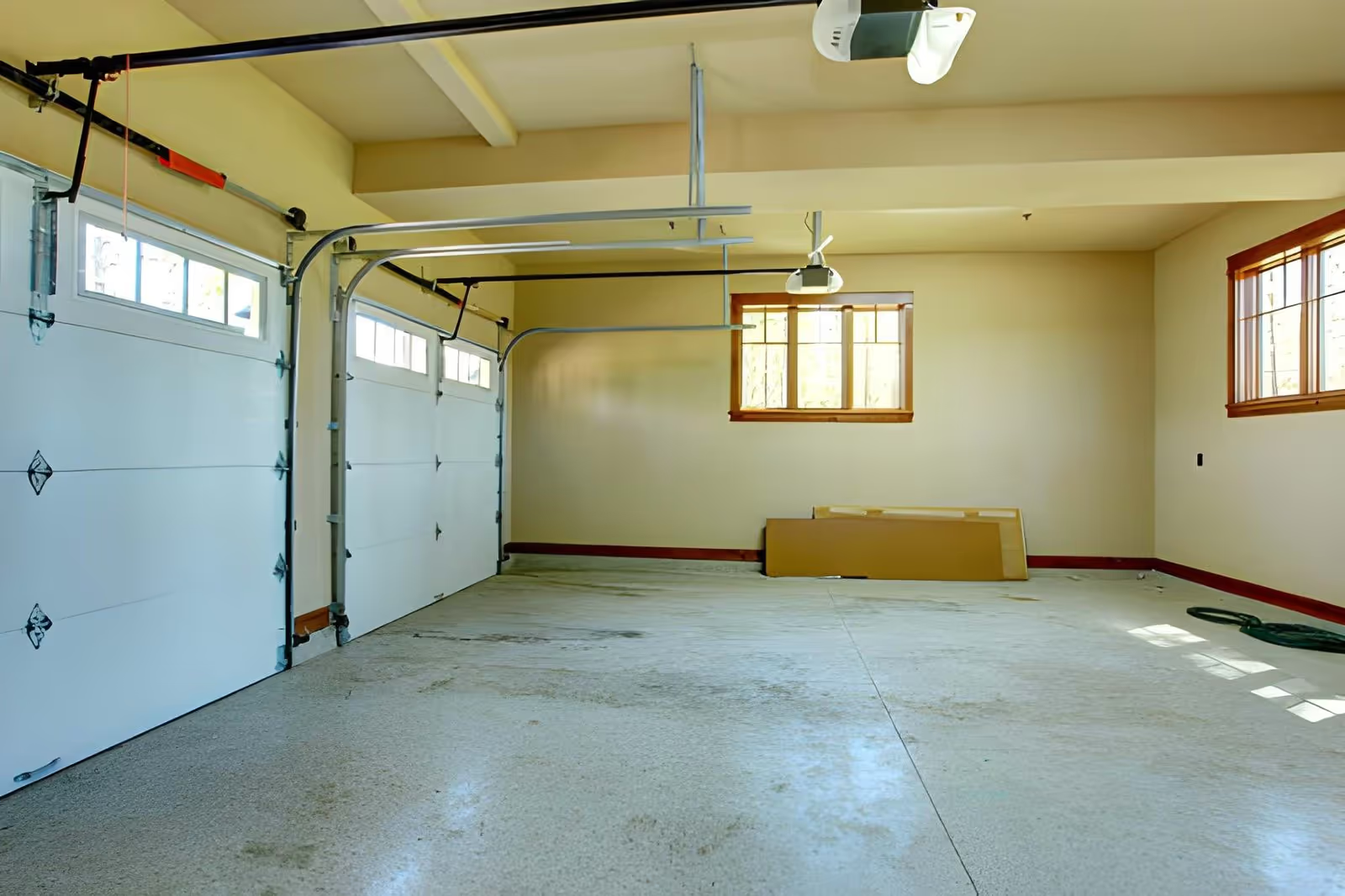
When you step into your garage on a cold Bethesda morning or return to your car after a hot summer day, your garage door plays a silent but critical role in your home's comfort and energy performance. An insulated, energy-efficient garage door does far more than simply open and close - it acts as a thermal barrier that protects your garage space, reduces heat transfer to the rest of your home, and minimizes the strain on your heating and cooling systems. For homeowners in Bethesda looking to improve energy efficiency, reduce noise, and enhance their home's overall performance, Garage Design Source specializes in premium insulated garage doors that combine durability, functionality, and aesthetic appeal.