.svg)
Your garage floor is more than just a surface - it's the foundation of your entire garage space. When cracks, spalling, and deterioration start to develop, they don't just create an eyesore. They can compromise the structural integrity of your garage and compromise the durability of any coating system you might install later. At Garage Design Source, we understand that a strong, well-maintained concrete foundation is essential before any garage transformation can truly take hold.
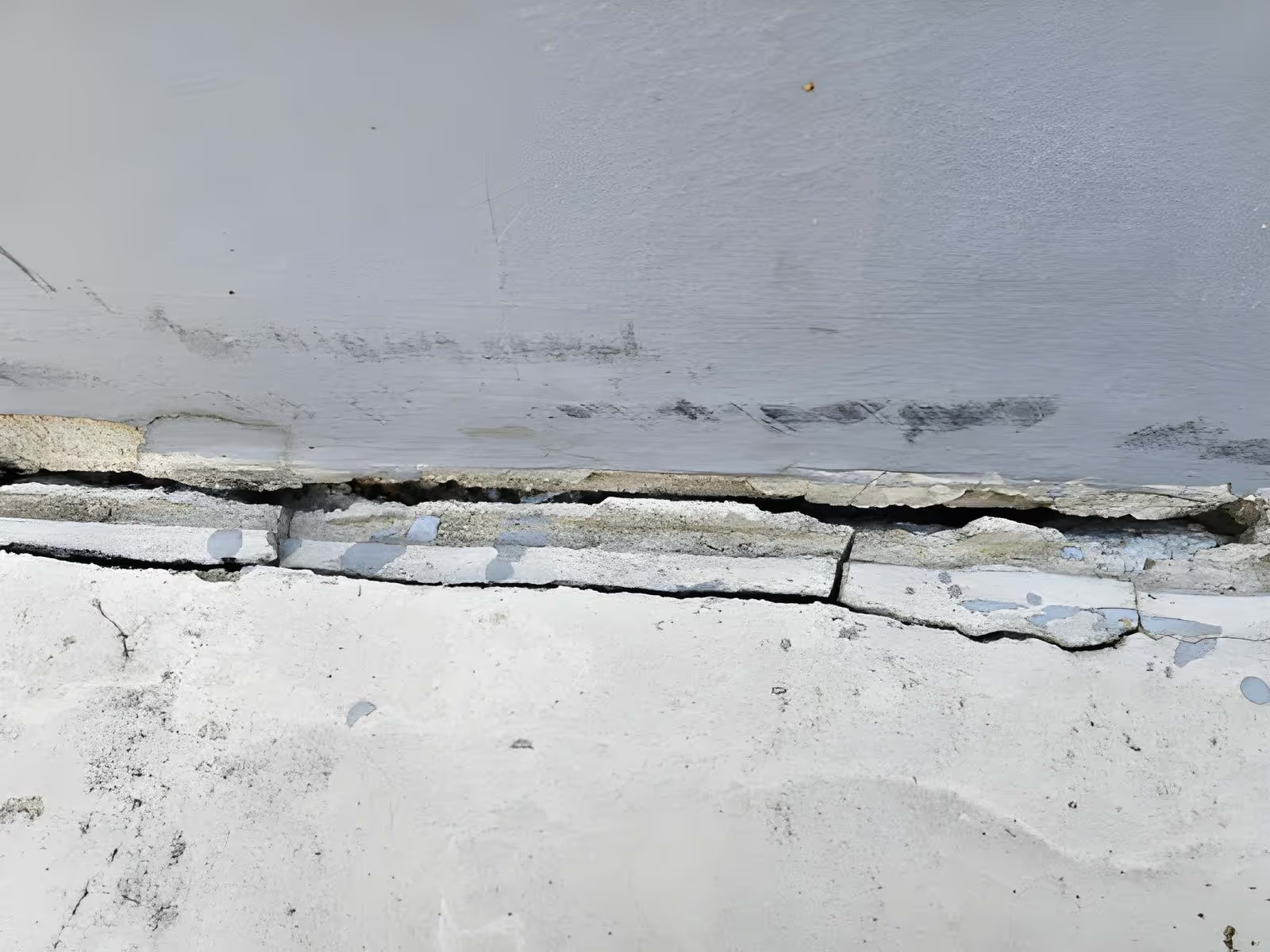
Concrete Repair and Crack Treatment in Great Falls, VA
Your garage floor is more than just a surface - it's the foundation of your entire garage space. When cracks, spalling, and deterioration start to develop, they don't just create an eyesore. They can compromise the structural integrity of your garage and compromise the durability of any coating system you might install later. At Garage Design Source, we understand that a strong, well-maintained concrete foundation is essential before any garage transformation can truly take hold.
Whether you're dealing with hairline cracks that seem minor or significant damage that's spreading across your floor, concrete repair and crack treatment is often the critical first step homeowners in Great Falls, VA overlook. Many customers contact us wanting a beautiful new epoxy or polyaspartic floor coating, only to discover that their underlying concrete needs attention first. That's why we've made professional concrete assessment and repair a cornerstone of our garage flooring services.
Why Concrete Repair Matters Before New Coatings
Your concrete won't stay in perfect condition forever. The freeze-thaw cycles common in Northern Virginia winters, heavy vehicle traffic, salt exposure, and natural settling all take their toll on concrete slabs. In Great Falls, VA, where homes often experience significant seasonal temperature fluctuations, concrete stress is particularly common.
Cracks in concrete aren't just aesthetic problems. They can:
- Trap moisture and contaminants that weaken the slab over time
- Allow water infiltration that damages the concrete from within
- Spread and worsen if left untreated, creating larger structural issues
- Prevent proper adhesion of coatings, causing premature failure and costly re-application
- Create tripping hazards and safety concerns in your garage
- Lead to uneven flooring that makes parking vehicles difficult
When Garage Design Source plans a garage floor transformation, we never skip this crucial step. We assess the condition of your concrete thoroughly because we know that a premium floor coating applied over damaged concrete is like painting over rust - it looks good temporarily, but the problems underneath will eventually emerge.
Concrete Assessment and Crack Inspection
Our process begins with a comprehensive inspection of your garage floor. We're looking for more than just visible cracks. Our team evaluates:
Crack Patterns and Types
- Linear cracks that run in straight lines, often caused by concrete shrinkage or settling
- Diagonal cracks that typically indicate structural stress or movement
- Map cracking (also called alligator cracking), which shows a pattern of interconnected cracks suggesting deeper issues
- Hairline cracks that may seem minor but can expand significantly over time
Moisture Issues
- Signs of dampness or efflorescence (white mineral deposits) that indicate water is moving through the concrete
- Areas where water pools or flows, which tell us about drainage problems
- Staining patterns that suggest previous moisture problems
Surface Damage
- Spalling, where concrete chunks have broken away or lifted
- Scaling, where the surface layer is deteriorating
- Pitting or erosion from salt exposure or chemical damage
Structural Concerns
- Significant settling or unevenness across the floor
- Signs of movement or flexing that suggest the slab may be unstable
- Damage around support posts or the edges of the slab
During a consultation, we discuss what we've found and explain exactly what repair methods we recommend and why. Transparency about your concrete's condition helps you understand the scope of work needed and the investment required.
Surface Preparation and Cleaning
Before any crack repair work begins, the concrete surface must be thoroughly cleaned and prepared. This step is non-negotiable for successful repair work.
Our preparation process includes:
- Pressure washing to remove dirt, dust, oils, and any loose concrete
- Degreasing of areas with oil stains or automotive fluid residue that can interfere with bonding
- Grinding or scarifying rough spots and removing any failed previous coatings
- Vacuuming to ensure all dust and debris are removed from cracks and the floor surface
- Drying time to allow the concrete to reach the proper moisture level for repair materials to bond effectively
We don't rush this stage. A poorly prepared surface is a common reason why concrete repairs fail prematurely. By taking time to properly prepare your floor, we ensure that whatever repair method we use will bond effectively and last for years.
Crack Routing and Injection Methods
Once the surface is prepared, we address the cracks themselves. The method we choose depends on the type, size, and cause of the crack.
Epoxy Injection for Fine to Medium Cracks
Epoxy injection is our most common method for repairing structural cracks in concrete. Here's how it works:
- We route the crack slightly - creating a small channel along its length
- Injection ports (small valves) are installed along the crack
- Low-viscosity epoxy resin is pumped through the ports under pressure, filling the crack completely
- The epoxy cures to create a rigid bond stronger than the surrounding concrete
- Once cured, we remove the injection ports and seal the surface
Epoxy injection works best for cracks that are relatively straight and accessible. It creates a permanent repair that restores structural integrity and prevents moisture infiltration. The epoxy also prevents further crack growth because it locks the concrete in place.
Polyurethane Injection for Active or Wet Cracks
Some cracks in Great Falls garages remain "active," meaning they continue to move seasonally due to temperature changes or settling. Others may be weeping moisture. In these cases, polyurethane foam injection is often more effective than epoxy.
- Polyurethane foam expands as it cures, filling every gap and void within the crack
- It remains flexible even after curing, which allows it to accommodate ongoing movement
- It's ideal for cracks where moisture is present or where you expect continued movement
- The foam also improves moisture resistance and can help with minor water intrusion issues
For active cracks, polyurethane's flexibility is a significant advantage. It won't re-crack when the concrete shifts, whereas rigid epoxy might.
Surface Sealers for Hairline Cracks
For very fine hairline cracks that aren't structurally significant, we sometimes use penetrating concrete sealers that flow into the cracks and harden, providing protection without the complexity of injection.
Patching and Leveling Spalled Areas
Beyond cracks, many garage floors have spalled areas where concrete has broken away or lifted. These damaged sections need patching before any coating can be applied.
Concrete Patching Process
For small to medium spalled areas, we:
- Remove all loose concrete and debris from the damaged area
- Clean the edges thoroughly to ensure good bonding
- Apply a concrete bonding agent to the prepared area
- Fill the space with a high-quality concrete patching compound
- Smooth and level the patch to match the surrounding floor
- Allow proper curing time before proceeding with coatings
Resurfacing for Extensive Damage
In cases where spalling is extensive across a large area, we may recommend a concrete resurfacer - a thin overlay that creates a new, smooth surface over the damaged concrete. This approach is often more cost-effective and durable than attempting to patch multiple large areas.
Self-Leveling and Floor Leveling Solutions
Many garage floors in Great Falls aren't perfectly level. Uneven floors make it difficult to park vehicles precisely, can cause water pooling, and create an unprofessional appearance.
After crack repair and patching, we assess whether leveling is necessary. We offer:
- Self-leveling epoxy that flows to create an even surface
- Concrete grinding to remove high spots
- Polyurethane leveling compounds for significant unevenness
Achieving a properly leveled floor ensures your future coating looks professional and performs optimally.
Protective Coatings After Repair
Once your concrete is repaired and prepared, we often recommend applying a protective coating. This is where your repaired concrete truly shines and receives lasting protection.
Why Coatings Matter After Repair
A freshly repaired concrete floor is vulnerable to new damage. Protective coatings serve multiple purposes:
- Seal the concrete against moisture infiltration that could cause new cracks
- Protect against oil stains, salt exposure, and UV damage
- Make cleaning and maintenance dramatically easier
- Enhance the appearance of your garage dramatically
- Provide a durable surface that resists foot traffic and vehicle wear
Coating Options for Repaired Concrete
At Garage Design Source, we offer several coating systems suited to your needs:
- Epoxy coatings for a durable, attractive finish with excellent adhesion and chemical resistance
- Polyaspartic coatings for faster cure times and superior durability in high-traffic areas
- Polyurea coatings for maximum flexibility and weather resistance
Each option provides different benefits, and our team recommends the best choice based on your garage's specific conditions and your priorities.
Timeline and Curing Expectations
One question we hear frequently is how long concrete repair takes. The answer depends on the scope of work, but here's what you can typically expect:
Initial Inspection and Assessment
- Usually completed during a consultation
- Takes 30-60 minutes for a thorough evaluation
- Results in a detailed recommendation and timeline
Surface Preparation
- Small areas: 2-4 hours
- Large floors: 1-2 days
- Drying time after cleaning: varies based on humidity and season (typically 24 hours in Northern Virginia)
Crack Injection and Repair
- Linear cracks: typically 4-8 hours depending on length and accessibility
- Epoxy curing time: 24-48 hours before you can walk on it, 7 days before it's fully cured for heavy use
- Polyurethane curing: 24-48 hours
Patching and Leveling
- Small patches: included in repair time
- Resurfacing projects: 1-2 days depending on area size
- Curing time: typically 48-72 hours
Coating Application
- If additional coating is applied: add 2-3 days for epoxy, 1-2 days for polyaspartic
- Full cure time varies by product
Total Project TimelineMost concrete repair projects in Great Falls are completed within 5-10 business days from start to finish, including curing time. Larger projects or those requiring resurfacing may take longer.
During curing periods, we'll give you specific guidance on what activity is safe. Generally, you'll need to keep vehicles off the floor and avoid heavy traffic until epoxy or polyurethane has fully cured.
Maintenance Tips for Repaired Concrete
Your investment in concrete repair and protective coatings will last significantly longer with proper care:
Regular Cleaning
- Sweep weekly to remove dirt and debris
- Wash monthly with mild soap and water
- Address spills promptly, especially oil and automotive fluids
Prevent New Damage
- Avoid dragging heavy items across the floor
- Don't park vehicles that are actively leaking fluids without catching the fluid
- Minimize exposure to road salt during winter months
- Keep heavy equipment off coated areas when possible
Seasonal Care
- In Great Falls winters, rinse salt residue off the floor periodically
- After heavy rain, check for any new water infiltration issues
- In spring, inspect the floor for any new cracks or damage
Maintenance Schedule
- Annual inspection to catch small issues before they become large
- Re-seal protective coatings every 2-3 years if using standard epoxy
- Polyaspartic and polyurea coatings typically need less frequent re-sealing
Why Choose Garage Design Source for Concrete Repair
At Garage Design Source, we've been transforming garages in the Washington D.C. metro area since the early 2000s. Our expertise extends far beyond surface-level improvements. We understand that a beautiful garage floor coating means nothing if it's sitting on a compromised concrete foundation.
Our approach to concrete repair reflects our overall philosophy: do it right the first time, use quality materials, and treat your project with the same care we'd want for our own homes.
When you contact us about concrete repair in Great Falls, VA, you're not just getting a service - you're getting the perspective of specialists who've seen every type of concrete problem the Northern Virginia climate can create. We know how freeze-thaw cycles affect concrete here. We understand the drainage challenges specific to Great Falls. We've repaired hundreds of garage floors and know exactly what works in our region.
Your concrete repair is often just the beginning of your garage transformation. Many customers who start with concrete repair and protective coatings go on to add epoxy flooring, storage systems, new garage doors, or other improvements. Once they see how much better their garage can look and function, they're inspired to complete the transformation.
Whether your concrete needs minor crack treatment or comprehensive repair and resurfacing, Garage Design Source has the expertise, materials, and local knowledge to get it right. We're here to ensure your garage floor is not just beautiful, but built to last through Northern Virginia's demanding climate for years to come.