.svg)
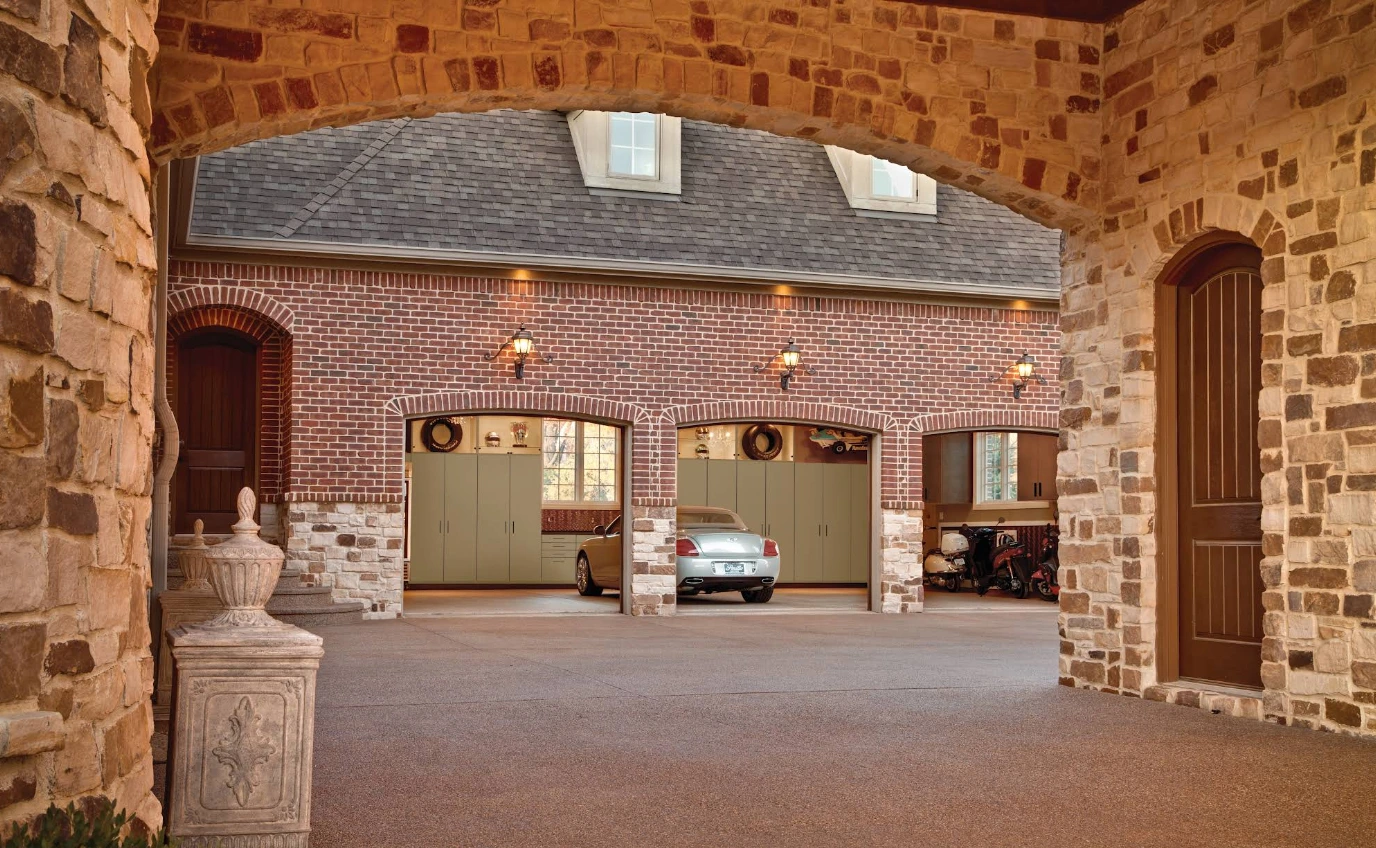
A secure garage is more than just a protective space for your vehicles - it's a safeguard for your home, your valuable tools, and your peace of mind. Whether you're a homeowner in Great Falls looking to monitor your garage while away, a business owner protecting commercial inventory, or someone who simply wants to know what's happening in your garage at all times, a modern security camera system is one of the most effective investments you can make. At Garage Design Source, we understand that your garage is an extension of your home or business, and security should be seamlessly integrated into your overall space design - not bolted on as an afterthought.
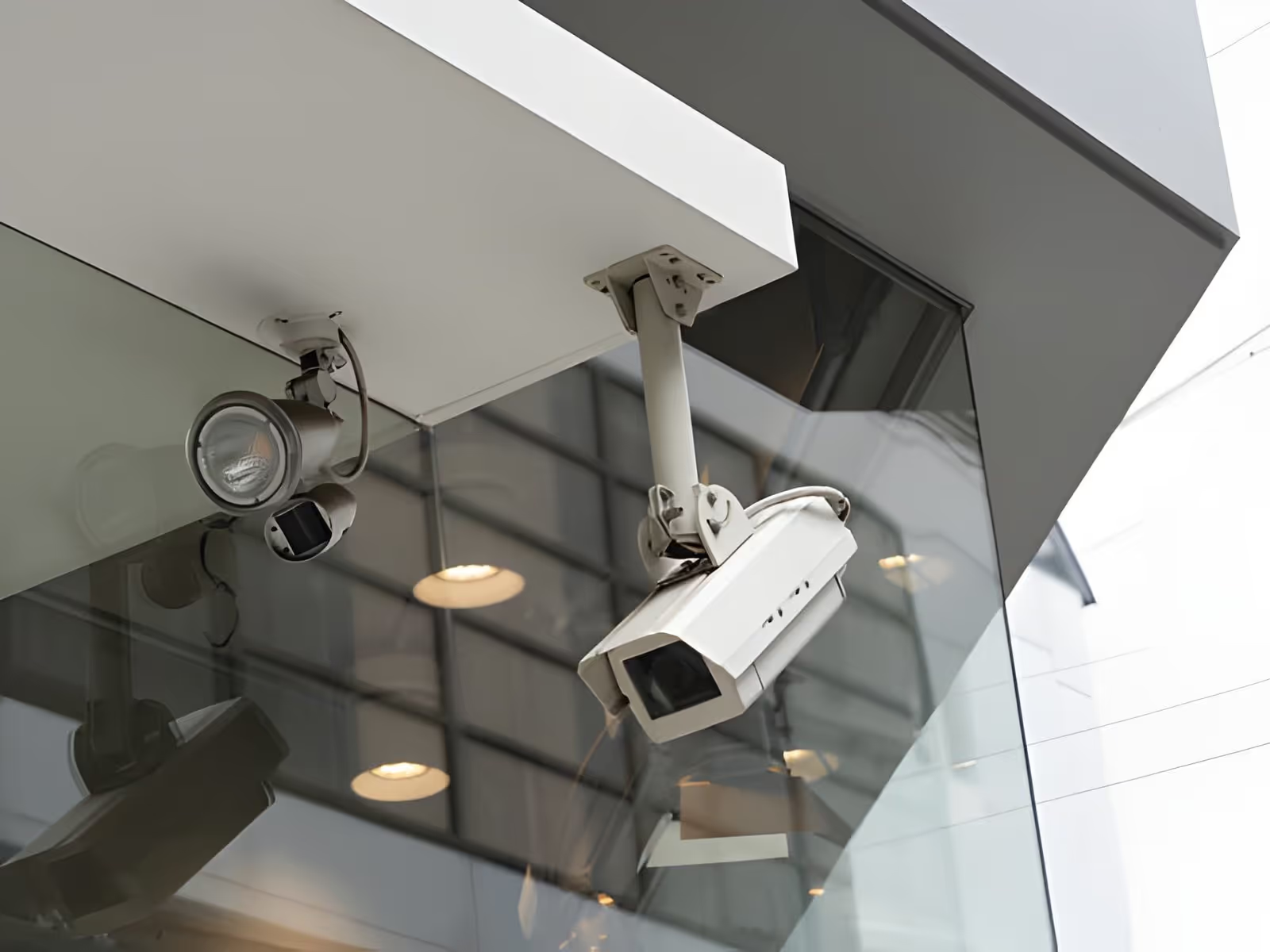
Garage Security & Camera Systems in Great Falls, VA
A secure garage is more than just a protective space for your vehicles - it's a safeguard for your home, your valuable tools, and your peace of mind. Whether you're a homeowner in Great Falls looking to monitor your garage while away, a business owner protecting commercial inventory, or someone who simply wants to know what's happening in your garage at all times, a modern security camera system is one of the most effective investments you can make. At Garage Design Source, we understand that your garage is an extension of your home or business, and security should be seamlessly integrated into your overall space design - not bolted on as an afterthought.
Garage security systems have evolved dramatically over the past decade. Gone are the days of grainy black-and-white footage and complicated setups that required a degree in IT to operate. Today's garage camera systems are user-friendly, affordable, and incredibly effective at deterring theft, monitoring activity, and providing evidence when you need it most. In Great Falls, VA, where garages often house expensive equipment, vehicles, and personal belongings, having visibility into your garage space offers tangible security benefits that many homeowners and business owners have come to rely on.
Why Garage Security Cameras Matter
Your garage is often one of the most vulnerable entry points to your home. Unlike your front door or backyard, which you might monitor casually throughout the day, your garage can sit unobserved for hours - or even days - especially if you park your vehicles in the driveway or street. This makes garages a common target for opportunistic theft. Tools, bicycles, holiday decorations, stored equipment, and even the vehicles themselves can be at risk if there's no visible security deterrent.
A visible camera system does more than just record footage - it actively discourages criminal activity. The presence of cameras sends a clear message that the space is monitored, making your garage a less attractive target. For commercial garage facilities, security systems protect valuable inventory, equipment, and the safety of employees working in the space.
Beyond theft prevention, garage cameras provide practical benefits for everyday life. You can check on delivery drivers, monitor contractors or service personnel working in your garage, keep an eye on family members coming and going, and even verify that doors were properly closed or locked. For businesses, security footage provides a liability safeguard and helps manage operational issues.
Types of Garage Camera Systems
When you're evaluating garage security options, it's important to understand the different types of systems available. Each has distinct advantages depending on your specific needs, budget, and the layout of your garage space.
Indoor Cameras
Indoor cameras are designed specifically for monitoring activity inside your garage. These cameras are typically smaller, often dome-shaped or compact bullet-style units that mount discreetly to walls or ceilings. Indoor cameras excel at capturing detail and identifying specific activities - who's moving what, when tools or items are accessed, or any unauthorized entry. They're ideal for monitoring the interior of your garage space, storage areas, and valuable equipment zones.
Indoor cameras don't have to withstand extreme weather, so they're often more affordable than outdoor models. They also typically have better resolution options because they're not fighting against glare, rain, or extreme temperature fluctuations. If you have a finished or climate-controlled garage space - common among Great Falls homeowners who use their garages as workshops or hobby spaces - indoor cameras are often the perfect solution.
Outdoor Cameras
Outdoor cameras are built to withstand the elements - rain, snow, temperature changes, and direct sunlight. In Great Falls, where winters can be cold and wet, having cameras that can handle Virginia's weather patterns is important. Outdoor cameras typically mount under eaves, on garage walls facing the driveway, or on fence posts to capture activity around the perimeter of your property.
Outdoor garage cameras serve multiple purposes: they monitor who's approaching your garage, capture vehicle activity in your driveway, record anyone tampering with your garage door or entry points, and provide security coverage for the entire property. Many homeowners opt for a combination approach - outdoor cameras for perimeter security and indoor cameras for interior monitoring.
Wired vs. Wireless Systems
This is often one of the first decisions you'll face when selecting a camera system. Each approach has real trade-offs worth understanding.
Wired systems require running cables from your cameras to a central recording device or hub. This means professional installation is typically necessary - cables need to be routed through walls, along cable trays, or through conduit to keep them protected and organized. The advantage is reliability and consistency. Wired systems don't depend on WiFi strength, they never experience wireless interference, and they typically offer higher video quality and more reliable recording. Once installed by a professional, wired systems are extremely dependable.
Wireless systems connect to your home or business WiFi network, making installation simpler and less invasive. You can often install wireless cameras yourself without running cables through walls. The trade-off is that your system's performance depends on your WiFi signal strength. A weak WiFi signal in your garage can lead to lag, drops in video quality, or intermittent disconnections. For larger garages or garage spaces far from your router, you might need WiFi extenders to ensure consistent coverage. Wireless systems also require periodic charging or battery replacement depending on the model.
For many homeowners in Great Falls with standard two or three-car garages, wireless systems offer a good balance of convenience and functionality. For larger commercial spaces or garages where reliability is paramount, wired systems are often the better investment.
Camera Features and Specifications
Once you've decided on indoor versus outdoor and wired versus wireless, it's time to consider the specific features that will impact how well your system performs.
Resolution and Image Quality
Resolution matters because it determines how clearly you can see what's happening in your garage. A 720p camera provides basic coverage - you can see movement and general activity, but fine details like faces or license plate numbers can be blurry. A 1080p camera (sometimes called Full HD) offers substantially better detail and is the standard for most modern residential systems. If you need to identify specific individuals or read license plates reliably, 2K or 4K cameras provide even greater clarity, though they do require more storage space for footage.
In Great Falls, where you might need to identify the mailman, a contractor, or an unwanted visitor, 1080p resolution strikes a good balance between image quality and practical storage requirements.
Night Vision Technology
Night vision capability is essential for any garage security system, particularly for outdoor cameras or garages without adequate lighting. There are two common types of night vision: infrared (IR) and color night vision.
Infrared night vision uses invisible infrared lights to illuminate the scene, producing grayscale footage. It's effective, proven technology and typically more affordable. Infrared night vision can see in complete darkness and works reliably in most situations.
Color night vision is newer technology that uses enhanced sensor technology and subtle ambient light to capture color footage even in low-light conditions. This can be valuable because color details like vehicle color or clothing can be important for identification. However, color night vision requires at least some ambient light - streetlights, moonlight, or nearby lights - to function effectively.
For most garage applications, especially in Great Falls where you likely have some outdoor lighting near your driveway or garage area, a combination approach works well: infrared for complete darkness and reliable backup, with color night vision as an additional benefit.
Field of View
Field of view (FOV) refers to how wide an area the camera can see. A standard camera might have a 90-degree field of view, while wide-angle cameras often offer 120-150 degrees. Some modern cameras include fisheye lenses that can see nearly 180 degrees.
For garage applications, you generally want cameras positioned to cover entry points, valuable storage areas, and high-activity zones. Wider angles reduce the number of cameras needed but can create some image distortion, particularly at the edges. Narrower fields of view provide more focused coverage of specific areas. Most homeowners find that a combination of regular and wide-angle cameras provides optimal coverage.
Motion Detection
Motion detection allows your camera system to record only when activity is detected, rather than continuously recording everything. This saves storage space and makes reviewing footage simpler - you're not sorting through hours of empty garage footage to find the five minutes when something actually happened. Most modern systems also send you alerts when motion is detected, so you can check your phone immediately if there's unexpected activity.
Advanced motion detection systems can be configured to ignore certain types of movement - like tree branches blowing in the wind or shadows - to reduce false alerts. This is particularly useful for outdoor cameras in Great Falls, where wind and changing shadows are common.
Integration with Garage Door Openers and Smart Home Systems
One of the most valuable upgrades to a garage security system is integration with your existing garage door opener and broader smart home ecosystem. If you already use a smart home platform like Amazon Alexa, Google Home, or Apple HomeKit, connecting your garage cameras to that system creates a seamless security experience.
Smart integration allows you to view your garage cameras from anywhere using your smartphone or tablet. You can check on your garage while you're at work, on vacation, or anywhere else with internet access. Some systems also integrate directly with your garage door opener, allowing you to see when doors open and close and even receive alerts if the door is left open accidentally.
For homeowners in Great Falls who spend time away from home - whether for work, travel, or simply running errands - this remote access provides genuine peace of mind. You know exactly what's happening in your garage at all times.
Recommended Camera Placement and Coverage Planning
The layout of your garage and your specific security concerns will determine the ideal camera placement. However, some general principles apply to most situations.
Entry Points First
Your primary cameras should cover all entry points to the garage - the regular entry door, side doors, overhead garage door, and any windows that could provide access. Entry point monitoring is your first line of defense because it captures anyone attempting to enter your garage space.
High-Value Areas
If you store valuable tools, equipment, or vehicles, position at least one camera with a clear view of these high-value zones. In a workshop-style garage, this might be aimed at your storage wall or tool cabinets. In a commercial garage, this might focus on inventory storage or expensive equipment.
Parking and Vehicle Areas
For most homeowners, capturing vehicle activity is important. Position at least one camera to record vehicles parked in the garage and the driveway. This provides documentation if a vehicle is damaged or vandalized and helps identify any suspicious vehicles that may have been in your property.
Corner Coverage
Dead zones - areas that no camera can see - are security vulnerabilities. When planning your system layout, aim to minimize blind spots. This might require additional cameras in larger garages or L-shaped spaces, but the investment in complete coverage is worth it.
Height Considerations
Mount cameras high enough that they're not easily tampered with or vandalized, but not so high that the angle makes identifying people difficult. For most applications, 8-10 feet high provides good protection and good identification angles. This height also makes cameras less obvious to casual observers while still providing wide coverage.
Data Storage and Remote Monitoring Options
How your footage is stored and accessed is just as important as the cameras themselves. You have several options, each with different trade-offs.
Local Storage
Local storage systems use a digital video recorder (DVR) or network video recorder (NVR) connected directly to your cameras. Footage is stored on a hard drive in the device, which typically lives in your garage or a closet. Local storage is secure - footage stays on your property and doesn't depend on internet services - but it's limited by the hard drive size. Most systems store 1-2 weeks of continuous footage before the oldest footage is overwritten.
Cloud Storage
Cloud-based systems store your footage on secure servers maintained by the camera manufacturer or security company. This offers several advantages: footage is automatically backed up, you can access it from anywhere, and you have flexibility in how much storage you purchase. The main consideration is ongoing subscription fees for cloud storage, which typically range from $5-25 per month depending on the service and how much footage you're storing.
Hybrid Approaches
Many homeowners use a hybrid approach - local storage for recent footage and cloud backup for archiving. This gives you the benefit of always having immediate access to recent footage (stored locally) plus the security of knowing that important footage is backed up online.
For Great Falls homeowners, cloud storage offers significant peace of mind because it protects your footage even if the camera system itself is damaged or stolen. Local storage is more economical if you just need to review footage from the past week or two.
Remote Monitoring and Alerts
Modern garage camera systems provide real-time alerts to your smartphone or email when motion is detected. This means you can respond immediately if there's suspicious activity - whether that's calling police, contacting a neighbor to check on your property, or simply verifying that it's just a delivery driver or service person.
Many systems also allow you to view live footage from anywhere, so you can check on your garage in real-time. This is particularly useful if you're expecting a delivery, having work done in your garage, or want to verify that a door was closed properly after someone was working there.
Installation Process and Timeline
Professional installation of a garage security system is straightforward and typically doesn't require major changes to your garage space. The timeline and process vary depending on whether you're installing a wired or wireless system.
Wireless System Installation
Wireless camera installation is usually the fastest option. A professional installer will assess your garage layout, identify optimal camera positions, ensure that WiFi coverage is adequate, and then mount the cameras. For most residential garages, this process takes 2-4 hours. The installer will then configure your cameras, connect them to your WiFi network, set up any smart home integrations, and test the system to ensure everything is working properly.
Because wireless systems don't require running cables through walls, the installation is less invasive and doesn't damage existing surfaces. Once installed, your system is ready to use immediately.
Wired System Installation
Wired system installation is more involved but results in a more reliable, permanent setup. The installer will plan cable routes, typically running cables through conduit or along cable trays to keep them organized and protected. They'll install the central recording device - typically in a garage closet, utility area, or corner - and connect all cameras to this hub.
Wired system installation typically takes one full day to a day and a half, depending on the complexity of your garage layout and the number of cameras. The investment in professional installation for a wired system is worth it because proper cable routing and installation setup affects both reliability and longevity.
Maintenance and Warranty Details
One of the advantages of modern garage camera systems is that they require minimal maintenance. Unlike older security systems that needed frequent monitoring and adjustment, today's systems are largely self-sufficient.
Regular Maintenance Tasks
For outdoor cameras, periodic cleaning is important. Dust, pollen, spider webs, and weather buildup can reduce image quality. Cleaning your cameras once or twice a year - or more frequently if you live in a particularly dusty environment - takes just a few minutes and dramatically improves image clarity.
For wired systems, occasionally check that all connections remain secure and that cables show no signs of damage. For wireless systems, periodically verify that WiFi connection strength remains adequate. If you notice video quality degrading or connection drops, repositioning your WiFi router or adding a WiFi extender can often resolve the issue.
Check your hard drive storage periodically to ensure your system isn't running out of space. Most systems alert you when storage is getting full, and you can either delete older footage or upgrade your storage capacity.
Warranty Coverage
Most modern camera systems include a 1-2 year manufacturer's warranty covering equipment defects and failures. Some professional installers also offer service warranties that cover repair or replacement of system components for a set period after installation. When selecting a system and installer, ask about warranty coverage and what's included - this protects your investment and gives you recourse if something doesn't work as expected.
System Updates
Manufacturers regularly release software updates for camera systems and recording devices. These updates often improve performance, add new features, and patch any security vulnerabilities. Most systems update automatically if connected to the internet, but you can also update manually. Keeping your system current ensures you're getting the best performance and security.
Why Professional Installation Matters
While some simpler wireless camera systems can be installed by homeowners with basic technical skills, professional installation offers significant advantages that make it worth the investment.
A professional installer brings expertise in camera placement - they know from experience where cameras should be positioned for optimal coverage and they'll identify blind spots you might miss. They understand your WiFi or wiring infrastructure and can ensure that your system will function reliably long-term. They'll configure your system properly, set up any smart home integrations correctly, and test everything thoroughly before considering the job complete.
Professional installers also often have relationships with camera manufacturers and can help you select systems that genuinely fit your needs rather than overselling you expensive features you don't need. They can explain the trade-offs between different options and help you make informed decisions about your garage security investment.
Garage Security and Home Value
Beyond the immediate security benefits, installing a professional garage camera system can be viewed favorably by potential buyers if you ever sell your home. Buyers increasingly expect modern security systems as standard, and having a professionally installed, well-maintained garage security system demonstrates that you've invested in protecting your property. It's one of those home improvements that provides both practical benefits during the time you own your home and subtle value recognition when it's time to move.
Creating a Complete Garage Security Strategy
A camera system is most effective as part of a comprehensive garage security approach. Combining cameras with other security measures creates a layered defense that's far more effective than any single element.
Ensure that all garage entry points have secure locks. Reinforce weak doors with additional hardware. Keep your garage door properly maintained and ensure it closes securely. Consider motion-activated lighting outside your garage - this both deters activity and ensures that your outdoor cameras have adequate light.
For commercial garages, consider combining camera systems with controlled access - keypad locks or badge readers - to create multiple layers of security. This protects not just against external theft but also helps manage internal access and accountability.
The goal is to create an environment where theft and unauthorized access are clearly difficult and risky. Visible cameras, secure locks, good lighting, and controlled access all work together to make your garage a less attractive target and to provide comprehensive documentation if any security incidents do occur.
Completed Projects and Security Improvements
At Garage Design Source, we've installed security systems in garages throughout Great Falls and the surrounding Northern Virginia area. Our customers consistently report that adding professional garage security cameras has transformed their sense of safety and their ability to manage their property.
One local homeowner had expensive woodworking equipment in a workshop garage and needed visibility into the space while away on extended business travel. A multi-camera system with cloud storage and mobile alerts gave him complete peace of mind. He could check on his garage anytime, received alerts if motion was detected, and had reliable documentation of anyone entering the space.
A small commercial garage business needed to monitor vehicle bays and employee access areas for liability protection and theft prevention. A wired security system with motion-activated recording and continuous archiving gave them the documentation they needed and significantly reduced unauthorized after-hours access.
These are exactly the kinds of real-world situations where garage security systems deliver genuine value. The investment in professional installation and a quality system pays dividends through improved security, better management capabilities, and peace of mind that comes from knowing exactly what's happening in your garage.
Planning Your Garage Security System
If you're ready to add security cameras to your garage, start by assessing your specific needs. What are you primarily trying to protect - the vehicles parked inside, valuable tools and equipment, entry points and perimeter access, or a combination of these? How large is your garage space? What's your existing WiFi infrastructure like? Do you need integration with smart home systems?
These questions will guide decisions about camera types, quantities, placement, wired versus wireless, and storage options. Professional installation ensures that your specific situation is properly assessed and that your system is configured to address your unique security concerns.
Your garage is too valuable - whether as storage for important equipment, as a protected space for vehicles, or as an extension of your home - to leave unprotected. A modern garage security and camera system provides the visibility, documentation, and peace of mind that comes from knowing you've taken real steps to protect your property.
Garage Design Source specializes in creating complete garage solutions that address both aesthetics and functionality. A professionally installed security system is a natural complement to a beautifully designed, well-organized garage space. Whether you're starting with flooring, storage, or door upgrades, adding a security system creates a garage that's both beautiful and secure - a space that protects your investment and gives you confidence that your property is properly monitored and protected.