.svg)
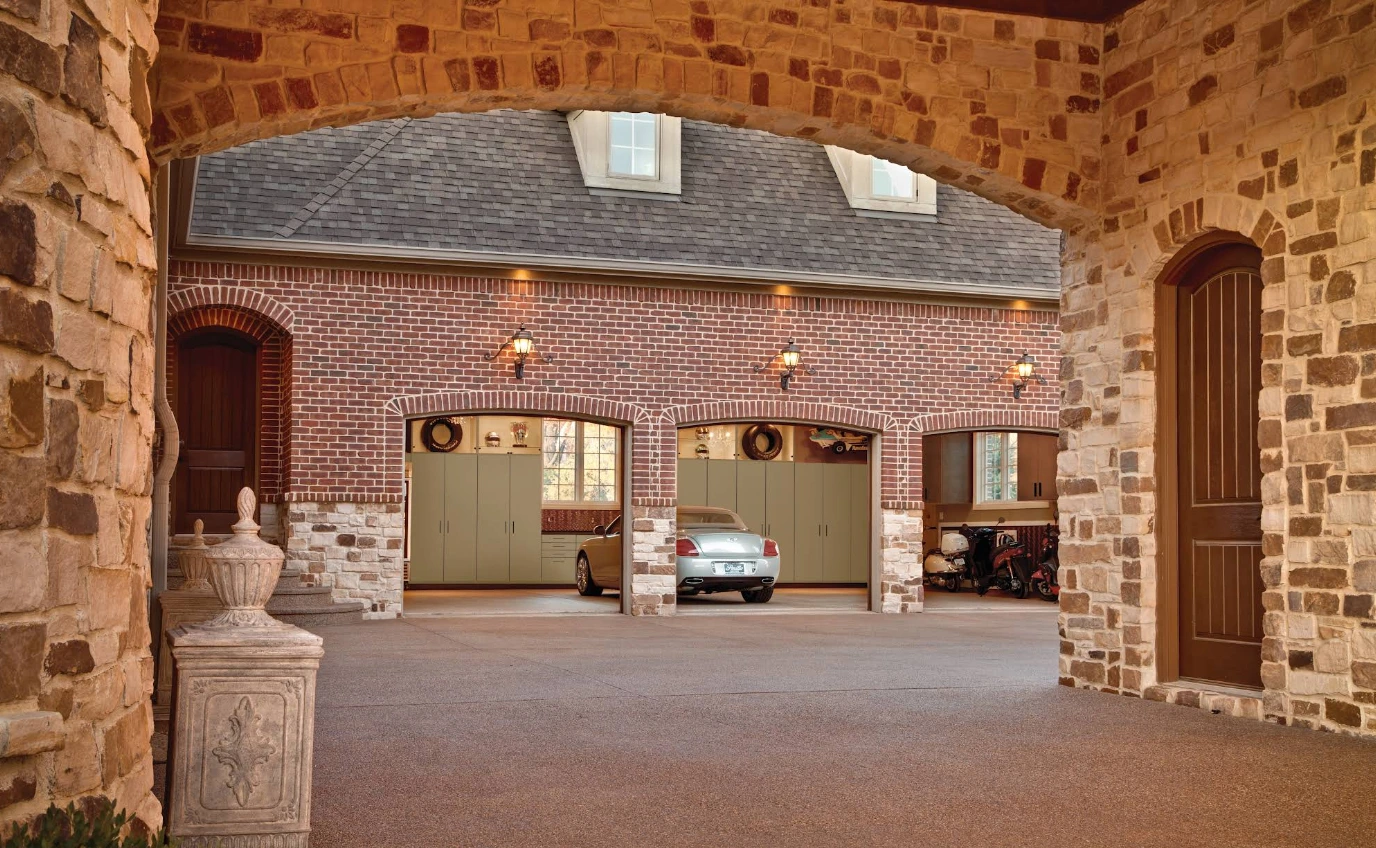
An uninsulated garage door allows outside air to infiltrate your home, forcing your heating and cooling systems to work harder to maintain comfortable temperatures. This not only increases energy bills but can also make your garage and adjacent living spaces feel drafty and uncomfortable. If you've noticed temperature fluctuations in your garage or the rooms nearby, or if you're looking to reduce your home's overall energy consumption, upgrading to an insulated garage door is one of the most cost-effective improvements you can make.
Why Insulation Matters in Your Garage Door
Many homeowners underestimate how much thermal energy flows through their garage doors. A single-layer, uninsulated steel door provides virtually no barrier against temperature transfer. In contrast, insulated doors include layers of foam or fiberglass that trap air and significantly slow heat flow in both directions. During winter, this keeps cold air from seeping into your home. In summer, it prevents outdoor heat from radiating through the door into your garage, which can be particularly important if you use your garage as a workshop, gym, or recreation space.
The R-value of a garage door measures its insulation effectiveness - the higher the R-value, the better the thermal resistance. Most quality insulated garage doors range from R-8 to R-18, depending on construction and material choices. For Great Falls homeowners, doors in the R-12 to R-16 range offer an excellent balance between insulation performance and affordability. These values are comparable to moderate wall insulation and deliver noticeable improvements in energy efficiency.
Insulation Types and R-Values Explained
Garage Design Source offers doors with different insulation technologies, each with distinct advantages:
- Polystyrene Foam Insulation: This lightweight option provides good thermal performance at a moderate price point. Polystyrene foam doors typically offer R-values between R-9 and R-13. The foam is sandwiched between steel layers, providing durability and consistent protection. This type is ideal for homeowners seeking a reliable, cost-effective upgrade.
- Polyurethane Foam Insulation: Polyurethane offers superior insulation performance, with R-values ranging from R-15 to R-18. It is denser and more effective at blocking heat transfer than polystyrene. Polyurethane foam also absorbs sound better, making your garage noticeably quieter when the door operates. This premium option is perfect for those prioritizing maximum energy efficiency and noise reduction.
- Fiberglass-Filled Insulation: Some specialty doors feature fiberglass fill combined with reflective barriers. Fiberglass resists moisture and can be ideal for damp environments, though it typically delivers R-values slightly lower than polyurethane (around R-12 to R-14).
The choice between these options depends on your budget, desired insulation level, and specific priorities. Garage Design Source helps you understand which R-value and insulation type align with your home's needs and Great Falls climate conditions.
Door Materials and Finishes
The outer material of your garage door affects both insulation performance and long-term durability. Great Falls experiences significant weather variation, so selecting the right material is essential for maintaining your door's appearance and function over time.
Steel Doors are the most popular choice among Northern Virginia homeowners. Steel provides excellent structural integrity, requires minimal maintenance, and takes paint and finishes beautifully. When combined with insulation, steel doors offer outstanding thermal performance. They're resistant to warping and maintain their appearance through decades of use. Steel doors come in dozens of colors and styles, making it easy to match or enhance your home's exterior aesthetic.
Aluminum Doors offer a more lightweight alternative that resists rust and corrosion. They're particularly suited for coastal or wet climates, though Great Falls' continental climate means aluminum is less critical than in other areas. Aluminum doors with insulation still provide good thermal performance and are often chosen for contemporary home designs.
Composite and Fiberglass Doors combine materials to create doors that resist denting, fading, and weathering. These premium options often mimic the appearance of wood while offering superior durability. They're an excellent choice if you want a high-end look without the maintenance demands of actual wood.
Finishes vary from basic painted options to powder-coated surfaces that resist chipping and fading. Many insulated doors also come with wood-grain or textured finishes that enhance curb appeal without adding maintenance burden.
Glazing and Window Options
Adding windows to your insulated garage door serves both practical and aesthetic purposes. In Great Falls, insulated glazing options let in natural light while maintaining your door's thermal properties.
- Single-Pane Glass: Basic windows that provide light but offer minimal insulation benefit. These are suitable for decorative purposes but don't significantly improve the door's overall thermal performance.
- Insulated Glass Units (IGUs): Double or triple-pane glass with argon gas fill and low-emissivity coatings. IGUs dramatically reduce heat transfer through windows while maintaining the insulation benefits of your door. This is the best choice if light and energy efficiency are both priorities.
- Frosted or Obscured Glass: Provides privacy while allowing diffused light into your garage. Frosted options can be combined with insulated glass units for maximum performance.
- Solid Panels Without Windows: If privacy and maximum insulation are your priorities, solid insulated panels without glazing deliver the highest R-values and most consistent thermal performance.
Garage Design Source can help you select window placements and styles that complement your home's architecture while supporting your energy and privacy goals. Popular patterns include rows across the upper third of the door, which maintains structural integrity and provides light without compromising security or insulation.
Compatibility with Garage Door Openers
Many homeowners wonder if their existing garage door opener is compatible with a new insulated door. The answer is usually yes, but there are important considerations.
Insulated doors are heavier than uninsulated alternatives - this is due to the foam or fiberglass fill and reinforced construction. An older, less powerful opener might struggle with the added weight. If your current opener is more than 15-20 years old or shows signs of strain (slow operation, grinding sounds, incomplete opening), upgrading to a modern opener is worthwhile. Modern openers are quieter, safer, and equipped with backup power and intelligent controls.
When Garage Design Source installs your new insulated door, we evaluate your opener's condition and capacity. If replacement is recommended, we can coordinate that as part of your project. Modern openers with battery backup are particularly valuable in Great Falls, where winter storms occasionally cause power outages. A backup-equipped opener ensures you can access your home even during an outage.
Compatibility extends to safety sensors and smart home features. Newer insulated doors often include enhanced safety systems and compatibility with smartphone controls. Garage Design Source can integrate these features with your new door installation.
Professional Installation Process and Timeline
Proper installation is critical to realizing the full benefits of your new insulated garage door. An improperly installed door will sag, create gaps that compromise insulation, and wear out prematurely. This is why Garage Design Source handles every installation with precision and care.
The installation process typically unfolds as follows:
Assessment and Planning - Our team visits your home to measure your opening, evaluate your existing installation, and discuss style preferences. We inspect your current door frame, hardware, and opener to identify any issues that should be addressed during replacement. This step usually takes 30-45 minutes and requires no obligation.
Ordering and Preparation - Once you've selected your door style, material, insulation type, and finish, we place your order with our suppliers. Lead times typically range from 2-4 weeks, depending on customization and current demand. Before installation, we prepare your garage by clearing the area in front of the door and ensuring safe working conditions.
Removal of Old Door - On installation day, our technicians carefully remove your old door, including springs, cables, and tracks. Springs are under extreme tension and require specialized handling - this is not a DIY task. Removal typically takes 2-3 hours.
Installation of New Door - We install new tracks (if needed), hang the new door panels, reconnect springs and cables, and balance everything to ensure smooth operation. We test the door repeatedly to confirm proper alignment, balance, and safety sensor function. This phase takes 3-5 hours depending on complexity.
Opener Connection and Testing - If you're keeping your existing opener, we reconnect it and test the new configuration thoroughly. If you're upgrading to a new opener, we install it, program safety features, and demonstrate all functions. We also integrate smart home controls if requested.
Final Walkthrough and Maintenance Instruction - Before we leave, we walk you through the door's operation, warranty coverage, and basic maintenance. We answer all your questions and ensure you're completely satisfied with the result.
The entire installation typically requires one day for a standard residential door. More complex installations, such as those requiring frame modification or dual openings, may extend to two days. Garage Design Source schedules installation at your convenience and minimizes disruption to your home and schedule.
Warranty and Maintenance Guidance
Insulated garage doors are built to last decades with minimal maintenance, and most come with comprehensive warranties covering materials and components.
Standard Warranties typically include:
- 10-Year Warranty on Panels: Coverage against denting, warping, and insulation degradation. This protects your investment in the door's thermal and structural integrity.
- Limited Lifetime Warranty on Springs and Hardware: The mechanical components of a quality garage door are engineered for longevity. Spring warranties often cover replacement if failure occurs, though normal wear and tear may incur costs after a certain period.
- 5-Year Warranty on Finishes: Paint and powder coating are covered against peeling, fading, and rust initiation. This is particularly relevant in Great Falls, where winter salt and humidity can stress finishes.
Garage Design Source stands behind every installation with our professional warranty. If issues arise due to our workmanship, we address them promptly and at no cost. We keep detailed records of your installation and are always available to answer questions or provide service recommendations.
Maintenance Best Practices keep your insulated door performing optimally:
- Visual Inspections: Check your door monthly for visible damage, dents, or areas where weather stripping might be deteriorating. Address small issues before they become larger problems.
- Weather Stripping Care: The seals around your door edges prevent air infiltration. Every 2-3 years, inspect weather stripping for gaps or deterioration. Replacement is inexpensive and dramatically improves insulation performance.
- Spring and Cable Inspection: While springs and cables rarely need attention, annual visual inspection ensures nothing is bent or corroded. Never attempt to adjust or repair these components yourself - the tension is dangerous.
- Hardware Tightening: Vibration from door operation can gradually loosen hardware. Every year or two, check bolts and fasteners and tighten as needed.
- Track Cleaning: Dirt and debris in tracks can cause sticking or misalignment. Periodically vacuum tracks and wipe them clean with a dry cloth.
- Finish Maintenance: Wash your door annually with mild soap and water to remove dirt and salt residue. For painted doors, a fresh coat of touch-up paint on any scratches prevents rust initiation.
These simple steps ensure your insulated garage door maintains its appearance, insulation performance, and reliable operation for 20+ years.
Understanding Energy Savings and Cost Benefits
The energy savings from upgrading to an insulated garage door depend on several factors: your current door's condition, how often the garage is heated or cooled, your local climate, and current utility costs.
In Great Falls, homeowners typically report reduced heating costs in winter and cooling costs in summer. The exact savings vary, but many notice a 5-15% reduction in energy bills when they upgrade from an uninsulated to a well-insulated door, particularly if the garage is adjacent to conditioned living spaces. If you use your garage as a workshop or recreation room where you maintain comfortable temperatures, savings can be even more significant.
Beyond direct energy savings, insulated garage doors provide value in other ways:
- Improved Comfort: Garages and adjacent spaces stay warmer in winter and cooler in summer without drafts or temperature swings.
- Noise Reduction: The insulation layers significantly dampen exterior noise from traffic and neighbors. Many homeowners find the quieter garage environment notable, especially during early morning or late evening hours.
- Durability and Reduced Maintenance: Insulated doors experience less thermal stress, meaning fewer cycles of expansion and contraction. This translates to longer panel life and less frequent repairs.
- Enhanced Curb Appeal: A new, well-finished insulated door upgrades your home's appearance, which matters if you ever sell. Many real estate agents cite garage door condition and appearance as a factor in buyer perception.
- Home Protection: Better insulation means better weather protection. Your garage and the items stored there experience less temperature and humidity fluctuation, protecting tools, vehicles, and stored goods.
Choosing the Right Insulated Door for Your Great Falls Home
Great Falls experiences a continental climate with cold, often snowy winters and warm to hot summers. Your garage door choice should reflect these conditions.
For Winter Performance: Homeowners in Great Falls should prioritize R-values of R-12 or higher. Polyurethane insulation is worth the investment if you heat your garage or have living spaces directly above or adjacent to it. The thermal resistance really pays dividends during the region's winter months.
For Summer Performance: While Great Falls summers don't reach the extremes of areas further south, a well-insulated door keeps heat out of your garage and helps reduce air conditioning load on your home. This is especially valuable if your garage is on the sun-exposed side of your home.
For Durability: Choose finishes and materials suited to the region's weather. Steel doors with powder-coated finishes resist winter salt and summer UV exposure effectively. If your property is exposed to salt drift from treated roads, higher-quality finishes justify their cost.
For Aesthetics: Your garage door is highly visible and contributes significantly to curb appeal. In Great Falls' mix of traditional and contemporary homes, Garage Design Source offers styles ranging from classic raised-panel designs to modern flush-panel and carriage-style options. Choose colors and finishes that complement your home's exterior while aligning with your neighborhood's character.
Why Choose Garage Design Source for Your Door Installation
Garage Design Source has been serving the Washington D.C. metro area, including Great Falls, for nearly two decades. We specialize exclusively in garage solutions, which means we bring deep expertise in garage door selection, installation, and integration with other garage systems.
When you work with us, you're choosing a locally owned and operated company that stands behind every project. We don't outsource installations to franchises or contract labor - our team handles your door from assessment through final walkthrough. We take pride in precision and craftsmanship, and that attention to detail is evident in how your new insulated door performs and looks.
We also understand that garages are becoming more important in modern homes. Whether you're planning additional garage improvements like epoxy flooring, storage systems, or EV charger installation, our expertise across the full range of garage upgrades means we can help you create a cohesive, high-function space. An insulated, attractive garage door is often the foundation of a successful garage transformation.
An insulated, energy-efficient garage door is an investment in your Great Falls home's comfort, efficiency, and appearance. Whether you're looking to reduce energy costs, improve comfort, or enhance curb appeal, Garage Design Source has the expertise, quality products, and professional installation you need. Contact us today to discuss your garage door needs and explore how a new insulated door can transform your home.
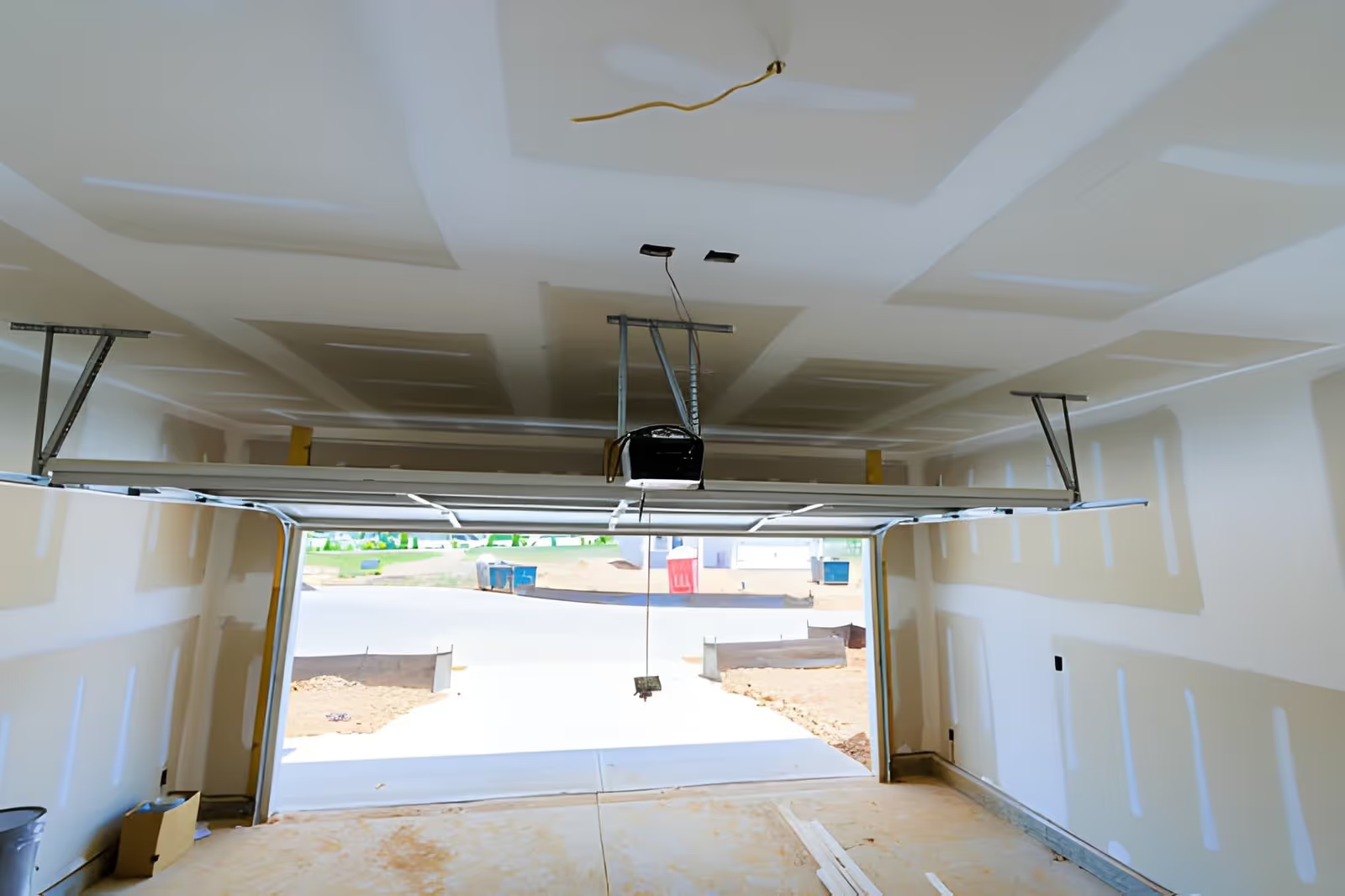
Your garage door is more than just an entryway - it's a significant structural component of your home that affects comfort, utility costs, and curb appeal. In Great Falls, VA, where winter temperatures can dip well below freezing and summer heat can be intense, choosing an insulated and energy-efficient garage door makes a measurable difference in how your home performs year-round. Garage Design Source specializes in helping Great Falls homeowners select and install premium garage doors that combine superior insulation, durability, and aesthetic appeal.