.svg)
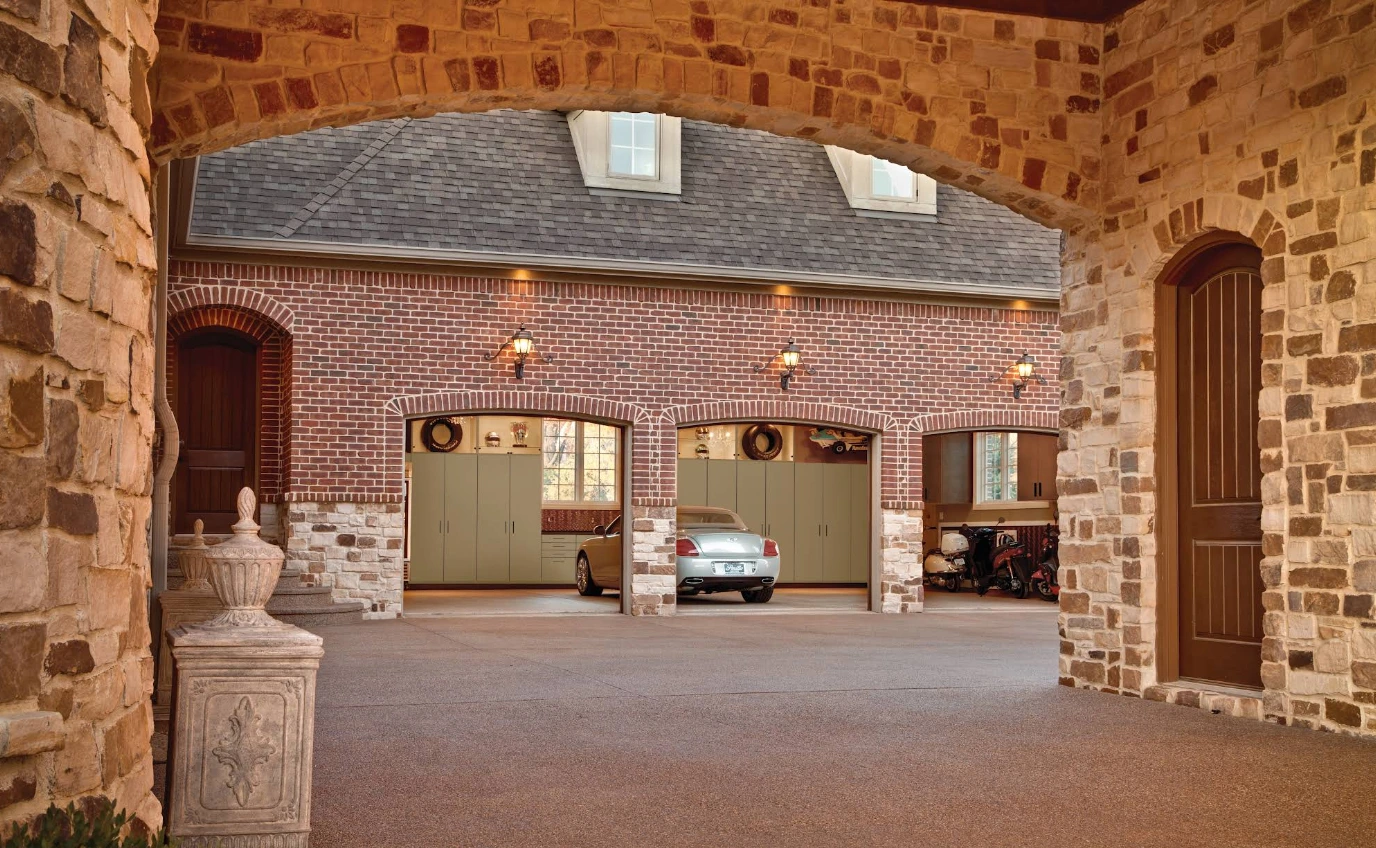
At Garage Design Source, we specialize in helping homeowners like you transform their garage spaces into organized, comfortable, and efficient extensions of their homes. Insulated garage doors are a core part of that transformation - they're not just about aesthetics or curb appeal, though they certainly deliver on both fronts. They're about creating a garage that performs, protects your home's thermal integrity, and gives you year-round comfort whether you're working on a project, parking your vehicles, or storing seasonal items.
Why Insulation Matters for Your Garage Door
Most homeowners don't realize just how much their garage door impacts their home's overall energy performance. A standard, uninsulated steel door offers virtually no thermal resistance. During winter in Chevy Chase, that means cold air streams into your garage, radiates through the walls into your home, and forces your heating system to compensate. In summer, heat builds up in your garage and transfers into adjacent living spaces, making your air conditioning work overtime.
An insulated garage door creates a thermal barrier that dramatically reduces this heat transfer. The R-value - a measure of thermal resistance - tells you how well a door insulates. Higher R-values mean better insulation. Most quality insulated doors range from R-9 to R-18, though some premium options go higher. In the Chevy Chase climate, where temperatures can swing from below freezing to the 80s depending on the season, an insulated door with an R-value of at least R-12 to R-15 is a smart investment.
Beyond temperature control, insulation serves another crucial function: noise reduction. Insulated doors dampen sound transmission far better than hollow alternatives. If you live near a busy road or in a neighborhood where outside noise is a concern, you'll notice an immediate difference. The foam or fiberglass between the steel layers absorbs sound vibrations, creating a quieter garage and reducing noise transfer into your home.
Understanding Insulation Types and R-Values
When you're evaluating insulated garage doors, you'll encounter a few different insulation approaches, each with distinct advantages. Garage Design Source carries options across the quality spectrum, so you can choose what makes sense for your home and budget.
Polystyrene Insulation
Polystyrene is the most common and cost-effective insulation material for garage doors. It's a rigid foam core sandwiched between steel layers. Polystyrene doors typically offer R-values between R-6 and R-12. They're lightweight, easy to install, and provide solid thermal performance for most homeowners. In Chevy Chase, a polystyrene-insulated door handles seasonal temperature swings effectively and delivers noticeable energy savings compared to uninsulated alternatives. The material is also durable and resistant to moisture, which matters in Maryland's humid summers.
Polyurethane Insulation
Polyurethane foam is a premium insulation choice that delivers superior thermal performance. Because polyurethane foam expands to fill the entire door cavity, it creates a more complete thermal barrier with fewer gaps or cold spots. Polyurethane-insulated doors typically achieve R-values of R-12 to R-18, making them ideal if you're looking for maximum energy efficiency. They cost more than polystyrene options, but the improved insulation value and durability often justify the investment - especially if you use your garage as a workspace, gym, or any space where temperature control matters.
Polyurethane also provides better structural rigidity, which means the door maintains its shape and operates more smoothly over years of use. The superior noise reduction is another major advantage that homeowners consistently mention.
Fiberglass-Reinforced Doors
Some premium garage doors use fiberglass-reinforced materials in the insulation layer. These combine the thermal benefits of foam insulation with added structural strength. Fiberglass options are less common but offer exceptional durability in harsh climates and tend to resist denting and damage better than standard steel doors. They're an excellent choice if you're looking for a door that will look pristine for decades.
When choosing your R-value in Chevy Chase, think about how you use your garage. If it's purely vehicle storage, R-9 to R-12 is usually sufficient. If you work in your garage, store temperature-sensitive items, or want maximum energy savings and comfort, stepping up to R-15 or higher is worth considering.
Door Materials and Finishes
The outer material of your garage door affects both performance and appearance. At Garage Design Source, we offer insulated doors in several material options, each bringing different qualities to your home.
Steel Doors
Steel is the most popular choice for insulated garage doors because it's durable, affordable, and takes paint and finishes beautifully. Steel doors with foam or polyurethane cores are incredibly strong and stand up to years of use and weather exposure. In Chevy Chase, where we experience temperature fluctuations and humidity, a quality steel door with a good finish holds up exceptionally well. Steel can be painted in virtually any color to match your home's exterior, giving you complete aesthetic control.
One thing to understand about steel doors: they can show minor dents or dings over time, but this is cosmetic and doesn't affect function. Many homeowners appreciate the classic look and performance of steel. They also conduct sound well when combined with insulation, so they're excellent for noise reduction.
Aluminum Doors
Aluminum-framed doors with insulation cores offer a more modern, sleek appearance. They're lighter than steel, which can reduce strain on your door opener over time. Aluminum doesn't rust, which is a genuine advantage in humid environments like the Washington D.C. metro area. However, aluminum conducts temperature more readily than steel, so it's usually paired with thicker insulation layers (polyurethane rather than polystyrene) to achieve the same thermal performance as a steel door.
Aluminum doors are often more expensive than comparable steel options, but if you want a contemporary look and don't want to worry about rust or corrosion, they're an excellent investment.
Wood-Look or Carriage-Style Doors
For homeowners who want the premium curb appeal of a wood-looking door without the maintenance of actual wood, modern insulated doors come in convincing wood finishes. These combine steel or aluminum construction with high-quality paint finishes that mimic real wood or carriage-style aesthetics. They offer the best of both worlds - the durability and insulation of a modern door with the timeless beauty of traditional styles.
Glazing and Window Options
Many insulated garage doors include glazed sections - windows or decorative glass panels - that add light and visual interest to your garage. These options let you personalize your door's appearance while maintaining insulation benefits.
Frosted or Diffused Glass
Frosted panels allow light through without showing the garage interior, which is ideal if you want privacy but prefer natural light. This is especially useful if your garage faces the street - passersby won't see your tools, stored items, or the back wall.
Clear Glass
Some homeowners prefer clear panes to maximize light and showcase a well-organized, attractive garage interior. If you've invested in garage flooring, storage systems, or other improvements through Garage Design Source, clear glass lets you show off that work.
No Windows
A solid insulated door without windows offers maximum energy efficiency and privacy. This is the most common choice for traditional garage spaces.
When considering glazing, keep in mind that glass sections have lower R-values than solid insulation. More window area means slightly reduced overall door R-value. However, the light and aesthetic benefits often outweigh this minor thermal trade-off, especially in Chevy Chase where winter days are relatively short and natural light is appreciated.
Styles and Finishes to Match Your Home
Your garage door is one of the most visible architectural elements of your home. It should complement your house's style and enhance your curb appeal, not detract from it. Insulated garage doors come in numerous styles designed to work with different home aesthetics.
Raised Panel Doors
The classic raised panel design works with virtually every home style - Colonial, ranch, farmhouse, contemporary, and more. Multiple rows of panels create visual depth and texture. Raised panel doors are available in various heights and widths, and they can be painted or stained to match your trim and shutters.
Flush or Contemporary Doors
Modern homes often call for a cleaner, flatter aesthetic. Flush garage doors with minimal visual division or detail create a sleek, sophisticated look. These work beautifully on modern farmhouse, mid-century modern, and contemporary homes.
Carriage House Style
If your Chevy Chase home has traditional or transitional architecture, carriage house style doors evoke the charm of vintage carriage houses. These typically feature decorative hardware, cross-bracing details, and sometimes even faux hinges. They pair exceptionally well with homes that have craftsman or period-influenced design.
Long-Panel or Vertical-Line Doors
These create strong vertical emphasis and work well on homes with tall proportions or contemporary architecture. The continuous lines draw the eye upward and create a sense of height and elegance.
Color Selection
Beyond style, finish color dramatically impacts curb appeal. Most insulated doors are available in neutral tones like white, cream, gray, and black. Some manufacturers offer additional colors including reds, blues, and greens. In Chevy Chase, where properties range from classic colonial homes to updated contemporaries, the right door color ties your garage to your home's overall exterior palette. We recommend selecting a finish that complements your siding, trim, and roofing materials.
Materials and Insulation Compatibility
One thing homeowners sometimes wonder: can you get any style of door with any level of insulation? The answer is mostly yes, but there are practical considerations.
Very thick insulation (like high R-value polyurethane) requires more space within the door frame. This means some extremely lightweight or shallow door profiles might not be available with top-tier insulation. However, the vast majority of modern garage doors - whether raised panel, flush, or carriage-style - can be ordered with polyurethane cores and high R-values.
At Garage Design Source, we help you navigate these choices. Our goal is ensuring you get a door that performs well thermally, matches your home's aesthetic, and fits within your home's existing door frame. Most modern garage openings are standard sizes (8x7, 9x7, 10x7, or 16x7), which means you have access to the full range of insulated door options available.
Professional Installation: What to Expect
An insulated garage door is a significant investment, and professional installation makes all the difference in performance and longevity. A poorly installed door - even a premium insulated model - won't deliver full energy benefits and may have operational issues.
Pre-Installation Inspection
Before we schedule your installation, our team inspects your existing garage door frame, springs, cables, and opener. We check for rust, damage, or structural issues that might affect the new door's performance. We also verify your opening dimensions and discuss any concerns you have about your current setup.
If your existing springs are worn or damaged, we'll recommend replacement as part of the installation. Old springs can't properly support a new insulated door, which is heavier than hollow alternatives, and they can create safety hazards.
Removal and Disposal
We carefully remove your old garage door and dispose of it properly. We also inspect your opener to ensure it's compatible with your new door. Modern insulated doors are heavier than some hollow models, so if your existing opener is elderly or underpowered, we might recommend upgrading it to ensure smooth, reliable operation.
Frame and Mounting Preparation
A proper installation starts with a level, square frame. Our team checks the door frame opening and adjusts as needed to ensure the new door hangs correctly. If your frame shows signs of damage, settling, or rust, we address those issues before hanging the door. This preparation step is crucial - even small frame misalignments can cause the door to bind or close unevenly.
Door Hanging and Alignment
We carefully hang your new insulated door, ensuring it's perfectly level and centered in the frame. We install new hardware, springs, and cables compatible with your door's weight and specifications. Every connection is inspected to ensure everything functions smoothly. The door should open and close with minimal force - ideally between 3-8 pounds - and should operate silently with good insulation.
Opener Connectivity
If you're keeping your existing opener, we test the connection and adjust sensor and force settings as needed for your new door. If you're upgrading to a new opener, we install and program it, including any smart home features or backup battery systems you want.
Final Testing and Adjustment
Before we leave, we perform comprehensive testing: opening and closing cycles, sensor responsiveness, force calibration, and manual operation. We verify that the door opens evenly, closes completely, and responds properly to safety sensors. We also test any smart home integration - app controls, remote operation, or notification features.
Timeline
Most insulated garage door installations take 2-4 hours from start to finish. This includes removal of the old door, frame inspection and prep, hanging and alignment of the new door, opener installation if needed, and thorough testing. We'll provide you with a specific timeframe during your consultation so you can plan accordingly.
Maintaining Your Insulated Garage Door
An insulated garage door from Garage Design Source is built to last, but like any mechanical system, it benefits from routine maintenance. Proper care extends your door's lifespan and keeps it operating smoothly for years to come.
Regular Visual Inspection
Every few months, take a moment to visually inspect your door. Look for cracks in the panels, gaps in the seal, or damage to the frame. Check weather stripping to ensure it's intact and making proper contact with the frame. Also inspect the cables and springs - you shouldn't touch or adjust these yourself, but you should notice if they look damaged or frayed.
Hardware Maintenance
The moving parts of your garage door - hinges, rollers, and springs - should be inspected annually. Over time, normal use causes wear. Hinges and rollers can accumulate dirt or debris, which slows operation. We recommend having these components cleaned and lubricated annually by a professional. This routine maintenance dramatically extends hardware lifespan and keeps your door operating quietly.
Weather Stripping and Seals
Insulated doors include weather stripping around the frame edges to prevent air infiltration. Over time, this stripping can become brittle or compressed, reducing its effectiveness. If you notice air leaks or drafts around your door, weather stripping replacement is usually the solution. This is an inexpensive maintenance item that restores your door's thermal performance.
Spring Inspection
Garage door springs are under tremendous tension and are critical to safe operation. Springs typically last 7-10 years with normal use. If you hear loud popping sounds, notice the door moving unevenly, or see that the door is harder to open than usual, a spring may be failing. Spring replacement should only be performed by professionals - attempting this yourself is dangerous.
Opener Maintenance
Your garage door opener should be inspected annually. Listen for unusual noises during operation - grinding, squealing, or loud cycling noises can indicate wear. Have a professional check the opener's mechanical components, electrical connections, and safety sensors annually.
Cleaning
Keep your door clean by washing it annually with mild soap and water. For painted finishes, this prevents dirt and grime buildup that can lead to rust. For aluminum or specialty finishes, cleaning removes contaminants that can cause discoloration over time. A clean door also looks better and is easier to inspect for damage.
Warranty and Protection
Insulated garage doors from quality manufacturers come with comprehensive warranties protecting your investment. At Garage Design Source, we explain warranty coverage so you understand what's protected.
Door Warranty
Most insulated doors carry a 10-year warranty on the door itself, covering defects in materials and workmanship. This means if panels crack, if insulation separates, or if hardware fails due to manufacturing defects within this period, the manufacturer will repair or replace the door at no cost to you.
Some premium doors offer even longer warranties - 15 or 20 years - providing extended peace of mind. These warranties typically do not cover cosmetic damage from accidents, weather events, or neglect, but they do protect against structural and mechanical failures.
Hardware and Component Warranty
Springs, cables, rollers, and hinges typically carry separate warranties, often 5-7 years. This protects you if these components fail prematurely due to defects.
Opener Warranty
If you install a new opener with your door, that typically carries a 3-5 year warranty covering defects and mechanical failures.
What Warranty Doesn't Cover
Warranties typically exclude damage from accidents, weather events (high winds, hail), improper maintenance, or use beyond the door's specifications. They also don't cover cosmetic damage like paint chips or minor dents. However, catastrophic failures - the door failing to close, springs breaking, insulation separating - are almost always covered during the warranty period.
Energy Efficiency and Cost Savings
Many Chevy Chase homeowners are curious about the actual energy savings an insulated garage door delivers. The answer depends on several factors: your existing door type, your garage's current insulation, how much you use the space, and your local energy rates.
Thermal Performance Impact
An insulated garage door reduces the rate at which heat transfers through that opening. In winter, this means less conditioned air escapes from your garage into the outside environment, so your heating system works less to maintain temperature. In summer, it reduces the amount of heat radiating into your garage, which indirectly reduces the work your air conditioning must do.
Studies suggest that garage insulation improvements can reduce heating and cooling energy loss through the garage by 15-25%, depending on climate and existing conditions. In Chevy Chase, where winters are moderately cold and summers reasonably warm, these savings are meaningful.
Estimated Savings Range
For the average Chevy Chase homeowner, an insulated garage door typically saves $8-15 monthly on energy bills - roughly $100-180 annually. This estimate assumes an attached garage with typical HVAC connections to the main home. Savings vary based on your current door, your garage's overall insulation level, your HVAC system efficiency, and local energy rates.
Beyond Energy Savings
While energy savings are real, the full value of an insulated door often extends beyond utility bills. Consider:
- Comfort: Your garage is more comfortable year-round, whether you're working on a project, storing temperature-sensitive items, or simply walking through.
- Durability: The structural integrity of your home improves. Heat loss through the garage also means less temperature stress on adjacent walls, which can reduce settling and cracking over time.
- Noise Reduction: The quieter operation often proves more valuable to homeowners than the energy savings, especially in active neighborhoods.
- Curb Appeal and Home Value: A new, properly finished insulated door enhances your home's visual appeal. While the door itself may not add dollar-for-dollar value in a resale, it's part of a well-maintained home that appraisers and buyers notice.
Compatibility with Your Current Garage Door Opener
One question many homeowners have: can I use my existing garage door opener with a new insulated door? The answer is usually yes, but with important considerations.
Opener Weight and Force Requirements
Insulated doors are heavier than hollow alternatives - typically 30-50 pounds heavier depending on size and insulation type. Your existing opener must be powerful enough to lift and lower this additional weight consistently. Older or lower-horsepower openers (particularly 1/3 HP models) might struggle with a heavy insulated door, causing the motor to work harder, cycle less efficiently, or even fail prematurely.
Most modern openers (1/2 HP or higher) handle insulated doors without issue. When we install your new door, we'll evaluate your existing opener and recommend an upgrade if needed. A new, appropriately sized opener ensures smooth operation, faster cycling, quieter operation, and longer lifespan for the equipment.
Sensor and Safety Compatibility
Garage door openers have built-in safety sensors that detect obstacles and prevent the door from closing on people or objects. These sensors work with any door - insulated or hollow. However, the force calibration might need adjustment for a heavier door. We recalibrate these settings during installation to ensure your door operates safely.
Smart Home Integration
If you want smart home features - remote access via smartphone, notifications, or integration with home automation systems - many modern insulated doors and openers support these capabilities. We can discuss smart features during your consultation and install the appropriate technology for your needs.
Common Questions About Insulated Garage Doors in Chevy Chase
Do I need a new opener for an insulated garage door?
Not necessarily, but it's often recommended. If your existing opener is relatively modern (5 years or younger) and at least 1/2 HP, it will likely work fine. Older openers might struggle. We evaluate this during installation.
How much heavier is an insulated door?
A typical insulated door is 30-50 pounds heavier than a comparable hollow steel door. This is why opener compatibility matters.
Can I paint my insulated garage door?
Yes. Steel and aluminum insulated doors can be painted just like any garage door. We recommend using exterior-grade paint formulated for metal and following the manufacturer's prep recommendations.
How long does an insulated garage door last?
With proper maintenance, an insulated garage door typically lasts 20-30 years. Hardware components like springs and cables may need replacement within that timeframe, but the door itself should serve your home for decades.
What R-value do I need in Chevy Chase?
For Chevy Chase's moderate climate, an R-value of R-12 to R-15 strikes a good balance between energy performance and cost. If you use your garage as a workspace or workspace, or if energy efficiency is a priority, R-15 or higher is worth considering.
Does an insulated door reduce noise from outside?
Yes, significantly. Insulation dampens sound transmission by absorbing vibrations in the foam layers. Most homeowners notice an immediate improvement in how much outside noise reaches their garage.
Are insulated doors more energy efficient than insulating the rest of my garage?
Both matter. If your garage isn't otherwise insulated, insulating walls and the ceiling provides more overall benefit than a single insulated door. However, the garage door is a logical starting point because it's often the largest uninsulated opening, and it's easier to upgrade than insulating existing walls.
Why Choose Garage Design Source for Your Insulated Garage Door
Garage Design Source has been serving the Chevy Chase area and surrounding communities since our founding. We specialize exclusively in garage transformations - garage flooring, storage systems, cabinetry, and doors. This specialization means we bring deep expertise to every project.
When you work with us on an insulated garage door, you're getting more than a door installation. You're working with local experts who understand Chevy Chase homes, who maintain relationships with quality manufacturers, and who stand behind every installation with professional service and genuine follow-up support.
We're locally owned and operated, which means decisions get made quickly, issues get resolved promptly, and you interact with the same team before, during, and after your installation. We're invested in your satisfaction because we live and work in this community.
We also integrate garage doors seamlessly with our other services. If you've worked with us on garage flooring or storage solutions, we already understand your home, your preferences, and your goals for your garage space. An insulated garage door completes that transformation - adding function, efficiency, and refined aesthetics to your entire garage project.
Insulated Garage Doors as Part of Your Garage Transformation
For many Chevy Chase homeowners, an insulated garage door is part of a broader garage improvement project. Perhaps you've already invested in premium epoxy flooring that protects concrete and creates a showroom-quality finish. Maybe you've added custom storage systems and cabinetry that transform your garage from cluttered to organized. An insulated, energy-efficient garage door completes that transformation, adding thermal performance, noise reduction, and visual cohesion to your upgraded space.
An insulated door also protects your other garage investments. If you've invested in quality flooring or storage systems, temperature stability and reduced moisture infiltration protect those installations, extending their lifespan.
Your garage is an extension of your home - a space where you park vehicles, work on projects, store seasonal items, or simply pass through daily. It deserves the same attention to quality, function, and aesthetics that you invest in your main living areas. An insulated, energy-efficient garage door from Garage Design Source is an investment in that vision.
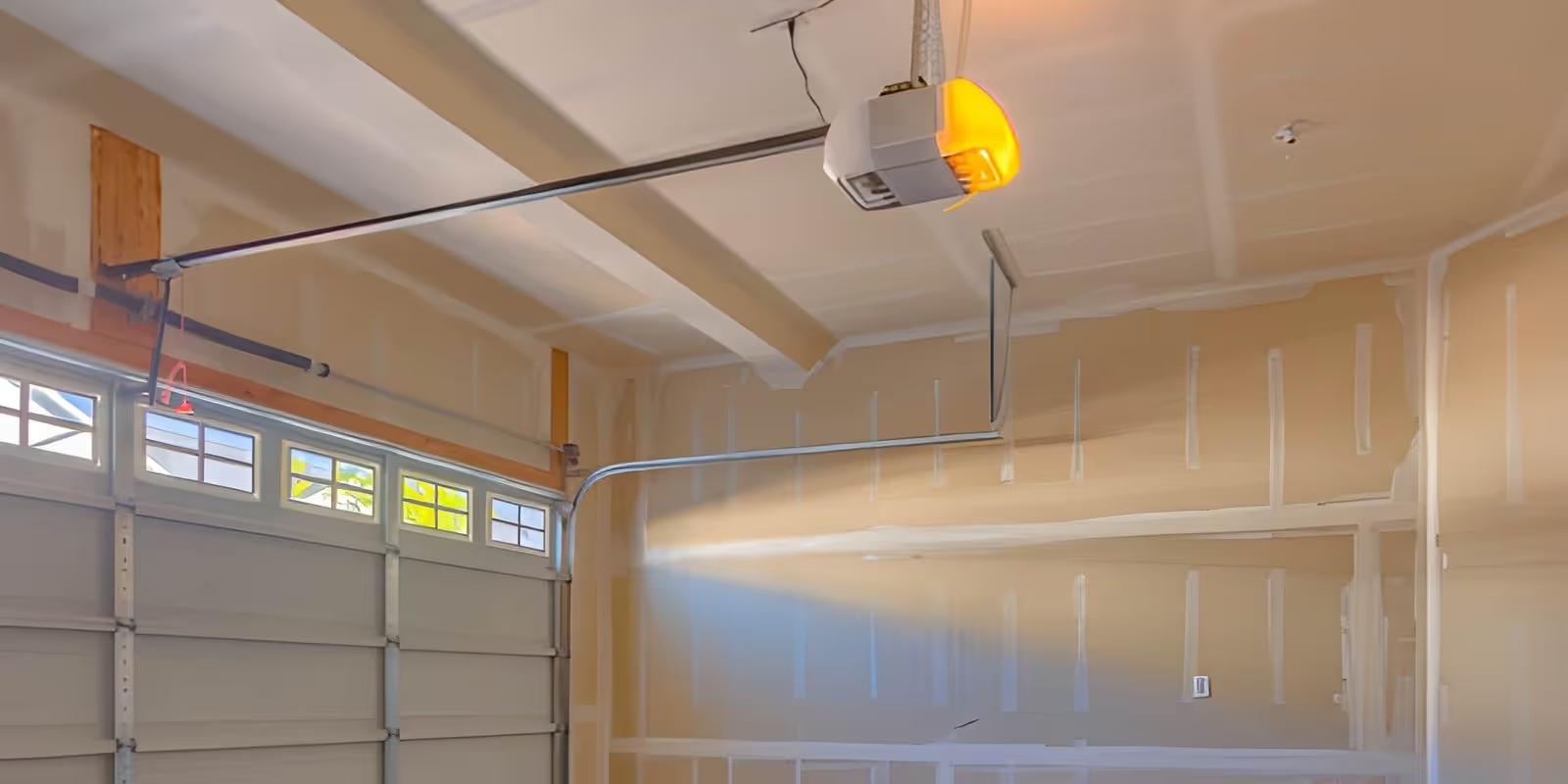
Your garage door is one of the largest moving parts of your home, and when it's not properly insulated, it's costing you money and comfort every single day. In Chevy Chase, where winters can be harsh and summers humid, an uninsulated or poorly insulated garage door allows conditioned air to escape, forces your HVAC system to work harder, and creates uncomfortable temperature swings throughout your home. If you're noticing temperature fluctuations in your garage, hearing outside noise bleeding through, or seeing your energy bills climb, it's time to consider what an insulated, energy-efficient garage door can do for your home.