.svg)
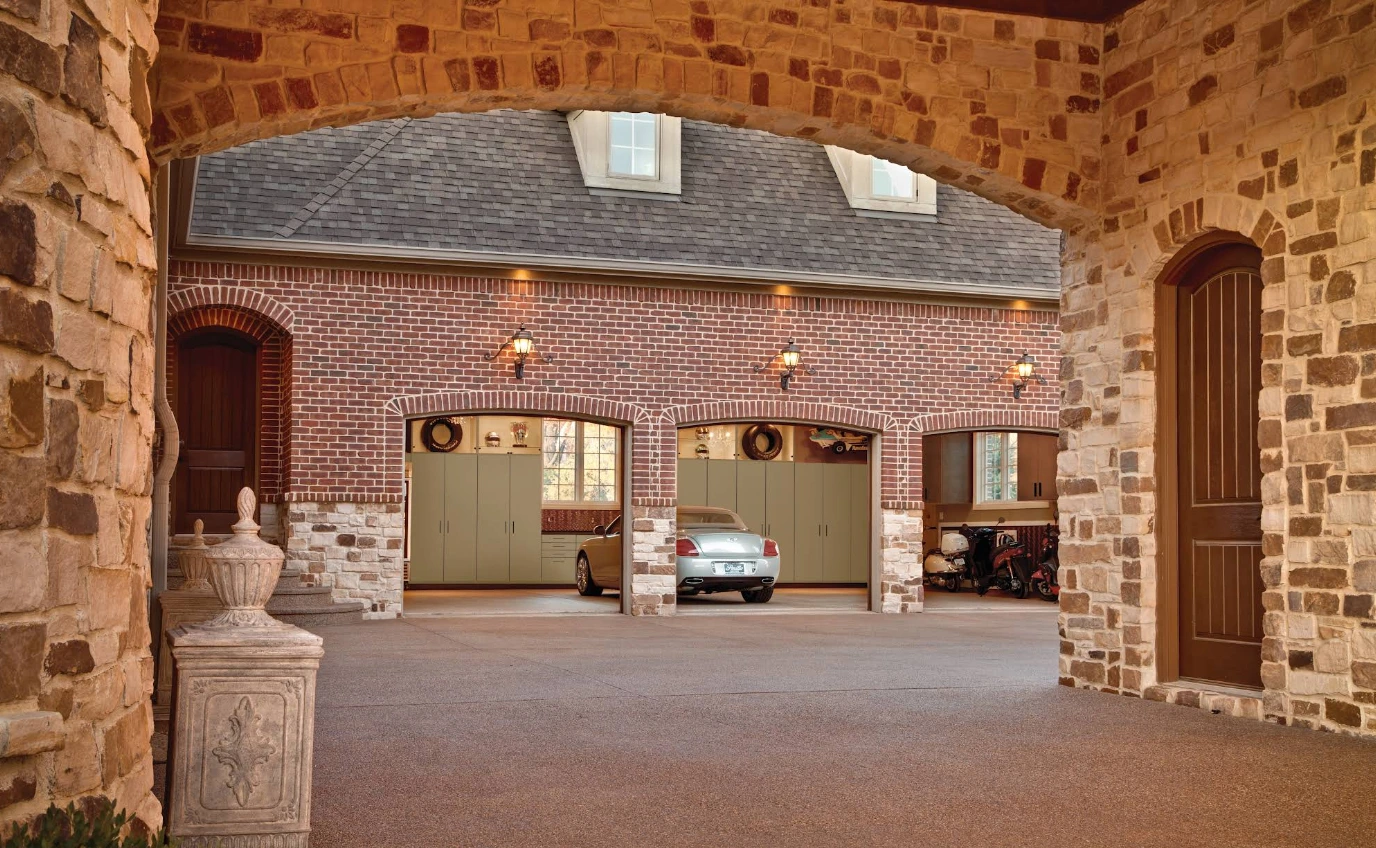
The garage door does far more than just provide access to your vehicle. It's a thermal barrier between your conditioned living space and the outside elements. An old, single-layer metal door allows heat to transfer freely, which means your HVAC system works harder to maintain comfortable temperatures. In winter, cold air seeps in around the edges. In summer, radiant heat builds up inside the garage, warming the walls and floors that adjoin your home. Over time, this constant energy loss adds up to hundreds of dollars in wasted heating and cooling costs annually. An insulated garage door reverses this problem by trapping air within the door's layers, significantly reducing heat transfer and keeping your home more energy-efficient year-round.
Beyond energy savings, insulated garage doors deliver meaningful noise reduction. Leesburg residents who live near busy roads or have garages close to bedrooms know how disruptive a loud door opener can be. The insulation absorbs sound from both the opener mechanism and external noise, creating a quieter operation that won't disturb your home's peaceful environment. Additionally, an insulated door simply feels more substantial and durable. Homeowners immediately notice the difference when they raise or lower an insulated door - it moves with smooth, controlled motion rather than the tinny, flimsy feel of a single-layer door.
Understanding Garage Door Insulation Types and R-Values
Insulation quality is measured by R-value, which indicates thermal resistance. The higher the R-value, the better the insulation performance. When shopping for an energy-efficient garage door, you'll encounter three primary insulation types, each with distinct advantages and performance characteristics.
Polystyrene Insulation is the most common and affordable option. It's a rigid foam board sandwiched between the door's outer and inner layers. Polystyrene doors typically offer R-values ranging from 4 to 8, making them a solid choice for most homeowners. They're lightweight, durable, and provide meaningful energy efficiency gains compared to uninsulated doors. If you're looking for a cost-effective upgrade that delivers noticeable improvements in thermal performance, polystyrene is an excellent starting point.
Polyurethane Insulation offers superior thermal performance with R-values typically between 12 and 18. This rigid foam is denser and more efficient than polystyrene, meaning a thinner layer delivers better insulation. Polyurethane doors excel at blocking heat transfer and provide excellent noise reduction. They're also more durable and resistant to temperature fluctuations, making them ideal for areas with extreme seasonal changes like Northern Virginia. The trade-off is cost - polyurethane doors run higher than polystyrene options, but many homeowners find the long-term energy savings and enhanced comfort justify the investment.
Composite Insulation combines polystyrene and polyurethane to balance performance and cost. These hybrid doors offer R-values in the 10-14 range and deliver strong all-around performance. If you want better-than-average insulation without paying premium polyurethane prices, composite options provide excellent value.
The R-value that makes sense for your home depends on your climate zone, your garage's function, and your budget. Leesburg falls in a region with four distinct seasons - hot, humid summers and cold winters with occasional snow. This climate diversity means year-round temperature swings create consistent demand on your home's thermal envelope. Most energy-conscious Leesburg homeowners find that doors with R-values of 10 or higher deliver noticeable comfort and efficiency improvements.
Door Materials and Finishes for Durability and Style
The outer surface of your garage door is just as important as the insulation inside. Material choice affects both performance and appearance, and Garage Design Source helps clients select doors that match their home's architectural style while delivering the durability their investment deserves.
Steel Garage Doors remain the most popular choice for residential applications. Steel is strong, low-maintenance, and available in countless colors, styles, and finishes. Modern steel doors are treated with rust-resistant coatings that hold up beautifully to Northern Virginia's humid summers and winter salt exposure. Steel doors provide excellent value and can be customized with decorative hardware and panel designs that enhance your home's curb appeal. They're also compatible with standard garage door openers, making installation straightforward.
Aluminum Garage Doors offer a sleek, contemporary appearance that appeals to homeowners seeking a modern aesthetic. Aluminum is lighter than steel, which reduces strain on garage door openers and extends their lifespan. Aluminum doors resist rust naturally, making them an excellent choice for coastal regions or areas with high humidity. However, aluminum is not as durable as steel and can dent more easily, so it's best suited for garages in protected areas or for homeowners who prioritize appearance over maximum durability.
Wood and Wood-Composite Doors deliver premium curb appeal and timeless elegance. Real wood doors can be stained or painted to coordinate perfectly with your home's exterior, and they provide a warm, high-end appearance that other materials struggle to match. Wood-composite options mimic the look of real wood while offering superior durability and lower maintenance requirements. Both are more expensive than steel or aluminum, but if enhancing your home's visual presence is a priority, wood doors are worth the investment. Keep in mind that wood doors require more regular maintenance, including periodic staining or sealing to protect against the elements.
When you combine any of these materials with insulation, you're creating a door that performs as hard as it looks. A steel door with polyurethane insulation wrapped in a weather-resistant finish is essentially a small fortress protecting your garage from the Leesburg climate while maintaining your home's energy efficiency.
Glazing Options and Their Benefits
Many homeowners overlook glazing - the glass or transparent panels built into garage doors - but it's a crucial design element that affects both function and aesthetics. If your garage faces your driveway or front yard, glazing adds visual interest and makes your home more inviting. Glazing also allows natural light to filter into your garage, reducing reliance on artificial lighting during daytime hours.
Modern garage doors offer several glazing options tailored to different preferences and needs. Clear glass panels provide maximum visibility and light transmission, perfect if you want an open, bright appearance. Frosted or obscured glass maintains some transparency while providing privacy, ideal if you prefer not to display your garage's contents to neighbors or passersby. Tinted glass adds a contemporary look while reducing glare and heat gain from direct sunlight. No glazing with solid panels is the most energy-efficient option, as glass conducts more heat than the insulated door material itself.
If energy efficiency is your top priority, a fully insulated door without glazing delivers the best thermal performance. If appearance and natural light matter equally to you, modern low-emissivity (low-E) glass options are designed to minimize heat transfer while preserving the visual benefits of glazing. Garage Design Source can help you weigh these factors and select a glazing combination that aligns with both your aesthetic preferences and your performance goals.
Compatibility with Garage Door Openers
A key concern many homeowners have is whether their existing garage door opener can handle a new insulated door. The good news is that insulated doors are generally compatible with standard openers, but weight and balance are important considerations.
Insulated doors are heavier than single-layer doors - sometimes significantly so. A polyurethane-insulated steel door might weigh 400-500 pounds, while an uninsulated steel door weighs 250-350 pounds. Your garage door opener must have sufficient lifting capacity to handle this additional weight safely. Most modern openers rated at 1/2 horsepower or higher can manage insulated doors without issue, but older openers may struggle.
During installation, Garage Design Source professionals assess your existing opener and make recommendations. If your opener is undersized, upgrading to a more powerful unit ensures smooth operation and extends the life of both the door and the opener. This is actually a beneficial scenario - a properly matched opener and door system delivers better performance, quieter operation, and longer service life than a mismatched combination. Many clients find that pairing a new insulated door with an upgraded opener creates a cohesive system that feels dramatically superior to their old setup.
Balance is equally important. When you install a new insulated door, the springs and hardware must be adjusted to balance the increased weight properly. Improperly balanced doors don't operate smoothly and place unnecessary strain on the opener motor. Professional installation ensures your door and opener work together seamlessly, which is why having Garage Design Source handle both assessment and installation provides peace of mind.
The Professional Installation Process and Timeline
Installing a new insulated garage door is more involved than simply removing the old one and putting in the new one. Proper installation requires precision, specialized tools, and knowledge of spring tension, balance, and opener compatibility. This is why professional installation through Garage Design Source matters so much.
The process begins with a detailed assessment. A technician visits your home, measures your opening precisely, inspects your existing hardware, and evaluates your current opener. This information informs the selection of the perfect door for your space and identifies any preparatory work needed. Some openings require frame adjustments, new weatherstripping, or hardware upgrades to ensure optimal performance.
On installation day, the team removes your old door carefully, then inspects the frame and structure for any damage or wear. Any necessary repairs are made before the new door is installed. The new insulated door is positioned precisely in the frame, ensuring it's level and square - critical details that affect operation and longevity.
The technician then installs new springs (if required for proper balance), attaches the hardware, and tests the door operation repeatedly to ensure smooth, balanced movement through its full range. The garage door opener is adjusted and calibrated to work perfectly with the new door's weight. Weatherstripping is installed to seal gaps and prevent drafts. Finally, the door is tested under various conditions - full open, full close, emergency stops, and safety reversal - to confirm everything operates correctly.
Most professional installations are completed in a single day, typically requiring 4-6 hours of work depending on the complexity of your specific situation. The timeline is quick enough that you'll have a fully functional new garage door by evening, ready to start delivering energy savings and improved comfort immediately.
Warranty Coverage and Maintenance Guidance
Quality garage doors and professional installation come backed by warranties that protect your investment. Understanding what's covered helps you make an informed decision and know what to expect long-term.
Most insulated garage doors include a manufacturer's warranty covering the door panel and insulation, typically lasting 10-20 years depending on the product. This warranty protects against manufacturing defects, insulation degradation, and structural failure. Springs and hardware often carry separate warranties, usually 5-10 years. Garage Design Source ensures you understand the specific terms of your door's warranty and provides documentation for your records.
Professional installation also carries a workmanship warranty, which covers the quality of installation and any issues arising from improper installation. Knowing that both the product and the installation are backed by warranty protection gives you confidence in your investment.
Maintaining your insulated garage door is straightforward and requires minimal effort. Annually, inspect the door's exterior for any visible damage, rust spots, or deterioration. Clean the door with mild soap and water to remove dirt and grime that can accumulate over time. Check the weatherstripping around the door frame to ensure it's still providing a good seal - if it becomes damaged or compressed, it can be replaced easily. Lubricate the hinges, rollers, and springs annually with a light silicone spray to keep everything moving smoothly.
If you notice your door operating more slowly, making unusual noises, or showing visible gaps, these are signs that springs may need adjustment or hardware may require maintenance. Addressing small issues promptly prevents them from developing into larger problems that affect door operation or compromise thermal performance. Garage Design Source offers maintenance services to keep your investment performing optimally for years to come.
Energy Savings and Long-Term Benefits
The primary reason homeowners upgrade to insulated, energy-efficient garage doors is the cumulative energy savings and improved comfort. Real numbers matter here. Studies show that uninsulated garage doors account for a significant portion of residential heat loss during winter months. When you install a door with an R-value of 12 or higher, you're reducing that heat transfer by as much as 80-90%, depending on your climate and how well the rest of your home is sealed.
In Northern Virginia's climate, these savings translate to measurable reductions in heating costs during winter. The effect is equally significant during summer - a well-insulated garage door keeps radiant heat from building up inside your garage, which means your air conditioning system doesn't have to work as hard to maintain comfortable temperatures in adjacent living spaces.
Beyond energy savings, an insulated garage door enhances your overall home value and marketability. Prospective buyers recognize energy-efficient upgrades and the long-term cost benefits they provide. A new insulated door also immediately improves curb appeal - if your garage door is old, weathered, or visually outdated, replacing it with a modern, well-maintained insulated door transforms your home's exterior appearance.
On a personal level, the comfort improvement is noticeable from day one. Your garage stays more temperate year-round, making it a more pleasant space whether you're working on projects, parking your vehicles, or simply using it for storage. If you have a workshop in your garage or if family members spend time there, the improved climate control makes the space significantly more functional and enjoyable.
Choosing the Right Option for Your Leesburg Home
Selecting an insulated, energy-efficient garage door involves balancing several factors - thermal performance, aesthetic preferences, material durability, and budget. There's no single "best" choice because different homes and homeowners have different priorities.
If energy efficiency and long-term cost savings are your primary concern, a steel door with polyurethane insulation and minimal or no glazing delivers the highest thermal performance. If you want to balance efficiency with visual appeal and natural light, consider a composite or polyurethane door with low-E glazing. If your home's aesthetic style demands the warmth and elegance of a wood-look door, wood-composite options provide excellent performance while delivering the curb appeal you're seeking.
Garage Design Source works with you to evaluate these options in the context of your specific home, climate zone, and goals. Our team's expertise in garage transformations means we understand not just how doors function, but how they integrate with the overall appearance and utility of your home's exterior. When you partner with us for your new insulated garage door, you're getting more than just installation - you're getting guidance from specialists who have helped thousands of Leesburg-area homeowners make the right choice for their unique situation.
The investment in an insulated, energy-efficient garage door pays dividends through lower energy bills, improved comfort, reduced noise, and enhanced curb appeal. Whether you're motivated by environmental responsibility, cost savings, or simply wanting a better-performing garage space, upgrading to a quality insulated door is a decision you'll appreciate every single day.
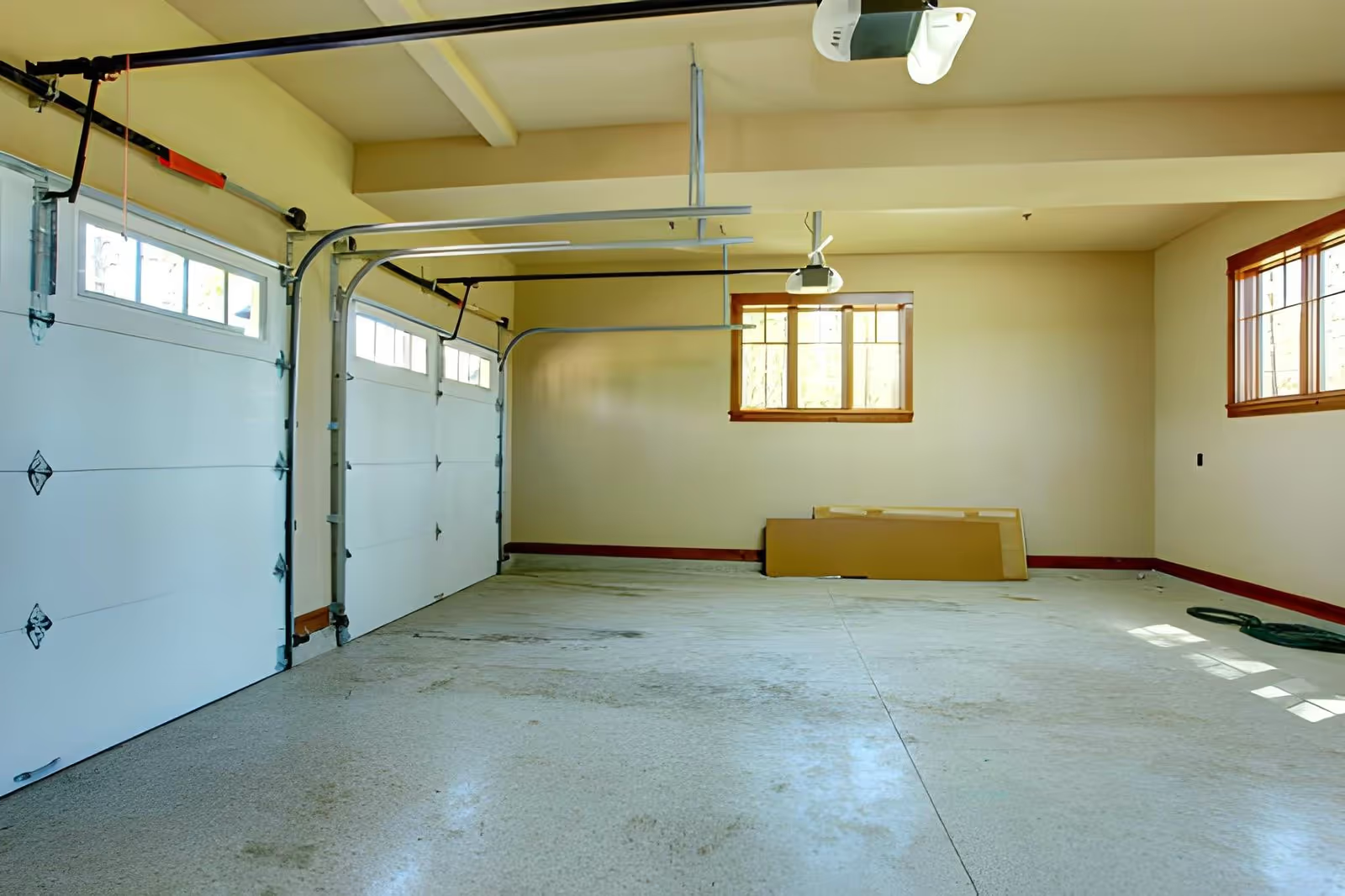
Your garage door is one of the largest moving parts of your home, and when it's poorly insulated, it's also one of the biggest energy drains. Whether you're dealing with temperature swings that make your garage uncomfortable, noise that rattles through your home, or rising energy bills, upgrading to an insulated, energy-efficient garage door is one of the smartest investments you can make for your property. Garage Design Source specializes in helping Leesburg homeowners select and install premium garage doors that combine superior thermal performance with lasting durability and curb appeal.