.svg)
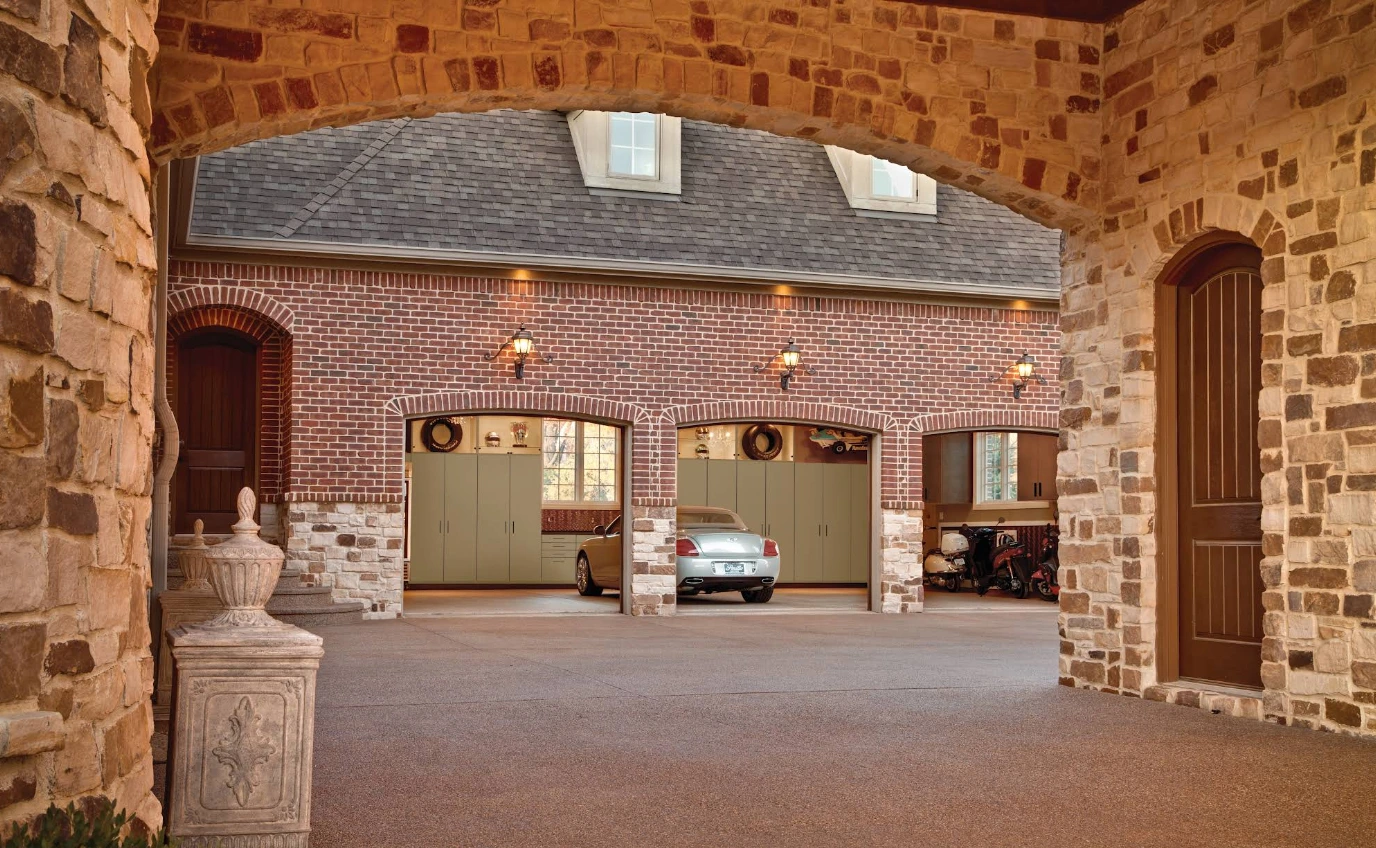
At Garage Design Source, we understand that your garage is more than just a place to park your car. It's part of your home's envelope, and upgrading to an insulated, energy-efficient door is one of the smartest investments you can make for long-term savings and improved living conditions.
Why Insulation Matters in Your Garage
Your garage door is typically one of the largest moving components of your home's exterior. Without proper insulation, it allows outside air temperature to affect the interior of your garage and, by extension, the spaces adjacent to it - including your home's living areas if your garage shares walls or ceilings. In Potomac, this means heated air escapes in winter, and cool air leaks out in summer.
An insulated garage door minimizes this thermal transfer. The insulation material creates a barrier that slows down heat movement, keeping your garage closer to your desired temperature. This is especially important if you use your garage as a workshop, gym, storage area, or any space where you spend time. Even if you don't actively use your garage for work or exercise, insulation reduces the strain on your home's main HVAC system when the garage shares walls with conditioned living spaces.
Homeowners often notice that adding an insulated door makes their home feel more stable in temperature, reduces the sound of weather outside, and lowers their overall energy consumption. These benefits compound over the years, offsetting the initial investment through utility savings.
Understanding R-Values and Insulation Types
The insulating ability of a garage door is measured by its R-value, which indicates the material's resistance to heat transfer. Higher R-values mean greater insulating power. Most quality garage doors in today's market range from R-9 to R-18, with some premium options reaching R-20 or higher.
Polyurethane Insulation:Polyurethane foam is the most common insulation material in high-end garage doors. It offers excellent R-values (typically R-12 to R-18 when applied properly) and provides superior rigidity to the door panel itself. Polyurethane-insulated doors are durable, resist moisture, and maintain their insulating properties for years. They're also effective at dampening sound, making them quieter than uninsulated or single-layer doors.
Polystyrene Insulation:Polystyrene (also called expanded polystyrene or EPS) is a lighter-weight option that still provides solid insulation, usually in the R-6 to R-12 range. It's more affordable than polyurethane but slightly less effective at noise reduction. Polystyrene insulation is still a step up from uninsulated doors and works well in moderate climates.
Garage Doors Without Insulation:Single-layer, non-insulated doors offer no thermal resistance and allow outdoor temperatures to pass through directly. For Potomac homeowners, this means losing conditioned air year-round and hearing every rainstorm, wind gust, and passing vehicle. Most families upgrading from non-insulated to insulated doors report immediate comfort improvements.
Selecting the right R-value depends on your local climate, how often you use your garage, and your energy goals. In Potomac's cold winters and warm summers, an R-value of at least R-12 is recommended to see meaningful energy savings.
Door Materials and Finishes
The outer material of your garage door affects both its performance and appearance. Garage Design Source offers insulated doors in multiple materials, each with distinct advantages.
Steel Doors:Steel is the most popular choice for insulated garage doors. It's strong, durable, and takes paint finishes beautifully. Insulated steel doors are less prone to denting than uninsulated ones, and the insulation core adds structural rigidity. Steel doors come in a wide range of colors and styles, from modern flat-panel designs to carriage-style doors with raised panels. They require occasional maintenance (like repainting every 10-15 years) but generally last 20-30 years with proper care.
Aluminum Doors:Aluminum frames combined with insulation offer a lighter-weight option, often used in contemporary or modern home designs. Aluminum is corrosion-resistant, requires minimal maintenance, and works well in coastal or high-moisture environments. However, aluminum conducts temperature more readily than other materials, so it's best paired with high R-value insulation to maximize thermal performance.
Composite and Wood-Look Doors:For homeowners seeking the aesthetic of traditional wood without the maintenance demands, composite materials and wood-grain-finished steel doors are available. These options provide the curb appeal of a wooden carriage-style door while offering the durability and insulation benefits of modern materials. They're particularly popular in established neighborhoods like Potomac where architectural consistency matters.
All materials can be customized with various finish colors to complement your home's exterior. Choosing a material that matches your home's style while delivering the insulation performance you need is part of Garage Design Source's consultation process.
Glazing Options and Natural Light
Many homeowners want natural light in their garage, especially if it's used as a workshop or living space. Modern insulated garage doors accommodate this through glazing options.
Window Panels:Insulated doors can feature one or more frosted or clear window panels. These windows are typically made from insulated glass or acrylic, maintaining the door's thermal efficiency while allowing light in. Window placement ranges from a single top panel to multiple windows arranged throughout the door. Frosted or tinted glazing provides light while limiting visibility into your garage from the street.
Doors Without Windows:Solid panel designs offer maximum insulation and privacy, which many homeowners prefer for security or aesthetic reasons. These doors deliver the full benefit of the insulation material without any glazing.
The right glazing choice balances your desire for natural light with your privacy needs and thermal goals. In Potomac, where many homes have consistent architectural styles, the window configuration you select should complement your home's overall design.
Compatibility with Your Garage Door Opener
An important consideration when upgrading to an insulated, energy-efficient garage door is whether your existing opener can handle it. Insulated doors, particularly those with polyurethane foam cores, are heavier than non-insulated models. An undersized or aging opener may struggle with the added weight, resulting in slower operation, increased noise, or premature opener failure.
Most modern garage door openers (installed within the last 10-15 years) have sufficient power to operate insulated doors without issue. However, if your opener is older or you're unsure of its capacity, a quick assessment by Garage Design Source during the consultation phase will clarify whether your existing opener needs upgrading. A compatible, properly matched system ensures smooth operation, longevity of both door and opener, and safety for your family.
The Professional Installation Process
Proper installation is critical to the performance and longevity of an insulated garage door. A poorly installed door can develop drafts, operate unevenly, or fail prematurely. This is why Garage Design Source handles every installation with precision and care.
Consultation and Assessment:The process begins with a site visit where our team evaluates your current door, opening dimensions, and opener compatibility. We discuss your priorities - whether you're focused on energy savings, noise reduction, curb appeal, or a combination - and recommend options that match your goals and budget.
Removal of Old Door:If you're replacing an existing door, we carefully remove and haul away the old one, leaving your opening clean and ready for the new installation.
Frame Preparation:We inspect the door frame and opening to ensure they're square and properly aligned. Any necessary adjustments are made to guarantee your new door operates smoothly and seals properly.
Door Panel Installation:The new door panels are carefully installed into the frame, with springs, cables, and hardware positioned according to manufacturer specifications. This step requires expertise - improper spring tension or cable routing can compromise safety and performance.
Hardware and Balance:Garage doors are counterbalanced with springs and cables that support the door's weight during operation. This system must be precisely calibrated. Our technicians adjust the balance so the door opens and closes smoothly without binding or sagging.
Opener Integration:If you're keeping your existing opener, we ensure proper door-to-opener connection and test the system thoroughly. If a new opener is needed, we install, program, and test it for reliable performance.
Testing and Final Adjustments:Before we consider the job complete, we perform multiple open-close cycles, test all safety features (like the photo-eye sensors), and verify that the door operates smoothly and quietly.
The entire installation typically takes a single day, though timelines may vary slightly based on frame condition or other site-specific factors. We work cleanly and respect your home, leaving the area organized when we're finished.
Warranty and Maintenance
Garage Design Source stands behind every installation. Most insulated garage doors come with manufacturer warranties that cover the door panels (typically 10-20 years against structural defects) and the insulation integrity. Our installation work is backed by our own warranty as well, ensuring that if anything goes wrong with the installation itself, we'll make it right.
Maintaining Your Insulated Door:
Proper maintenance extends the life of your new door and keeps it performing at peak efficiency.
- Lubricate moving parts: Twice yearly, apply a silicone-based lubricant to springs, cables, rollers, and hinges. This reduces friction and prevents rust in Potomac's humid climate.
- Clean the panels: Wipe down the door regularly with mild soap and water to remove dirt and debris. For steel doors, this helps prevent rust stains and keeps the finish looking fresh.
- Inspect seals and weatherstripping: Check the rubber seals at the bottom and sides of the door. If they become cracked or loose, they reduce the insulation's effectiveness. Worn seals are relatively inexpensive to replace.
- Check for drafts: In winter, feel around the door frame for drafts. If you notice air leakage, weatherstripping or seals may need adjustment.
- Professional inspection: Have Garage Design Source inspect your door annually. We'll check spring tension, cable condition, and overall balance - safety-critical components that require professional expertise.
Regular maintenance is far less costly than premature door replacement and ensures your investment continues delivering energy savings and reliable service for years to come.
Energy Savings and Long-Term Value
The upfront cost of an insulated, energy-efficient garage door is higher than a non-insulated alternative, but the long-term value is substantial. In Potomac's climate, most homeowners see noticeable reductions in their heating and cooling costs within the first year, particularly if the garage is attached to the home.
The exact savings depend on several factors: your existing door's condition, your garage's use, the R-value you choose, your home's insulation in adjacent spaces, and your local utility costs. However, an insulated door typically reduces heat transfer by 85-90% compared to a non-insulated model. For an attached garage, this translates to less strain on your home's climate control system and lower monthly utility bills.
Beyond energy savings, an insulated door often increases home value. Prospective buyers recognize quality upgrades and energy-efficient improvements as signs of a well-maintained home. Additionally, the noise reduction and improved curb appeal of a new, attractive door enhance your daily living experience - benefits that are harder to quantify but genuinely valuable.
Choosing the Right Door for Your Potomac Home
The climate in Potomac - with cold, occasionally snowy winters and warm, humid summers - makes insulation a practical choice rather than a luxury. Whether your garage is primarily storage, a car port, a workshop, or a living space extension, an insulated, energy-efficient door serves your needs well.
Garage Design Source brings over two decades of experience to garage transformations across the Washington D.C. metro area. We understand the specific challenges homeowners face in Potomac and the region, and we're committed to delivering doors that perform beautifully and reliably for years. Our approach emphasizes quality materials, expert installation, and personalized service - the same principles that guide everything we do, from garage floors to custom storage systems.
If you're ready to explore insulated, energy-efficient garage doors for your Potomac home, Garage Design Source is ready to help you find the perfect solution. We'll ensure your new door enhances your home's comfort, appearance, and value for decades to come.
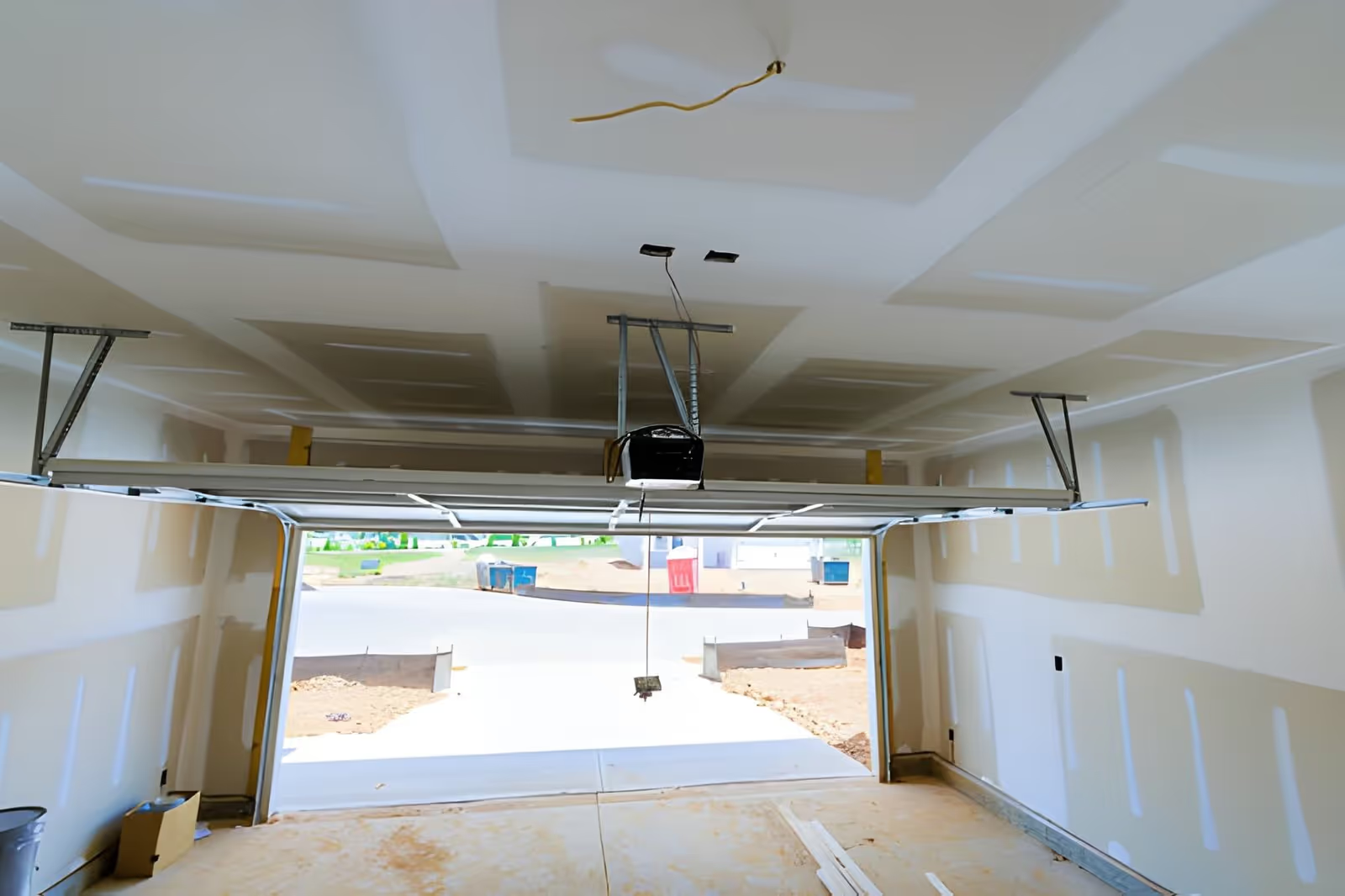
When you step into your garage, you probably don't think about it as an extension of your home's comfort system - but it is. An insulated, energy-efficient garage door does more than just open and close; it acts as a thermal barrier that impacts your home's heating and cooling costs, reduces outside noise, and improves the overall functionality of one of your home's most-used spaces. For homeowners in Potomac, MD, where winters bring freezing temperatures and summers can get humid, the right garage door choice makes a genuine difference in your home's energy performance and comfort.