.svg)
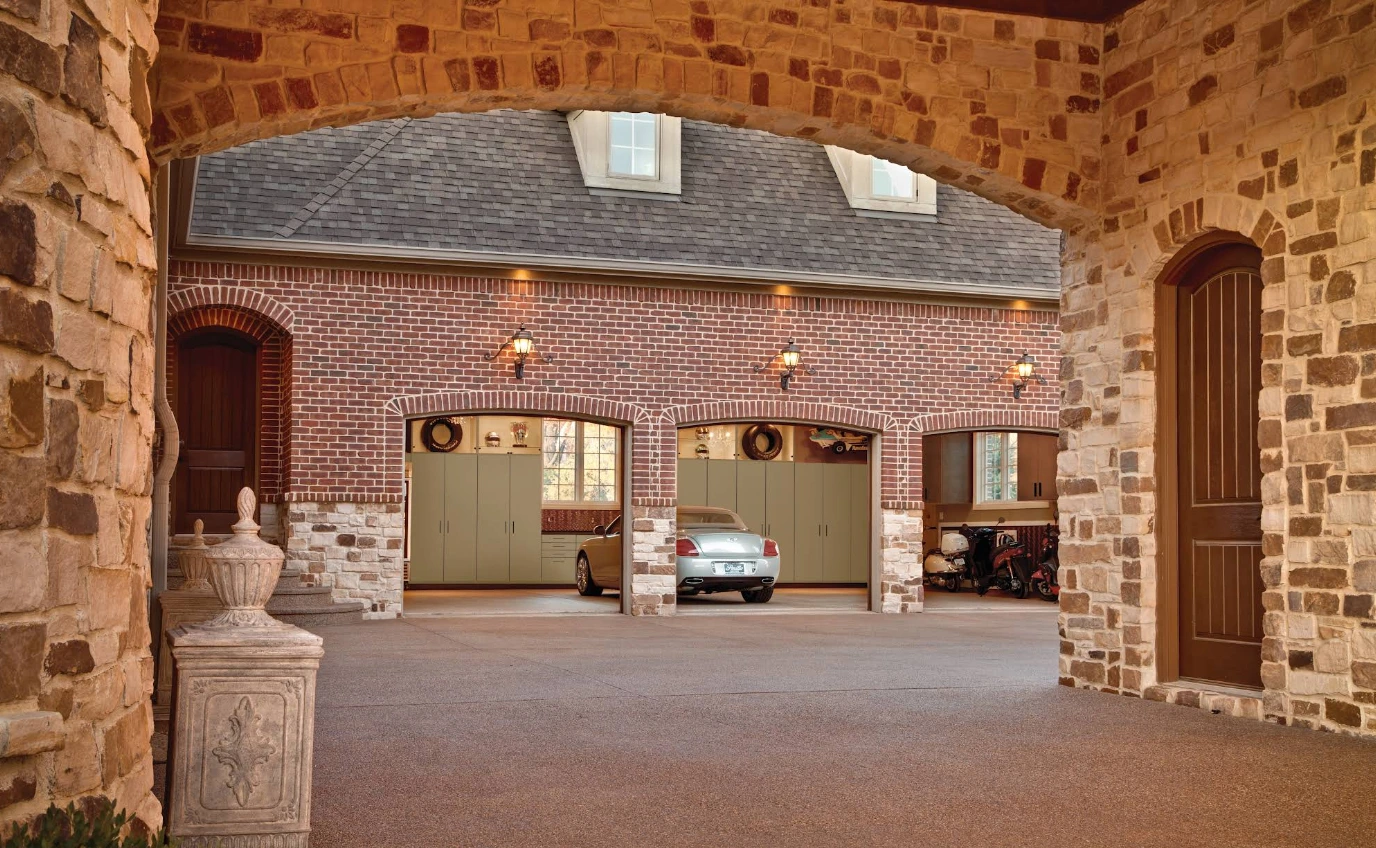
At Garage Design Source, we specialize in complete garage transformations, and that includes helping homeowners select and install garage doors that match their performance needs and aesthetic preferences. As a locally owned and operated contractor in the Washington D.C. metro region, we've installed hundreds of insulated garage doors for Reston homeowners who wanted to improve their space. In this guide, we'll walk you through everything you need to know about insulated and energy-efficient garage doors - from how they work to what makes them worth the investment.
Why Insulation Matters in Your Garage Door
Many homeowners don't realize how much heat transfer happens through an uninsulated garage door. If your garage is attached to your home - which most Reston residences have - an uninsulated or poorly insulated door allows heated and cooled air to escape directly into your garage, and then into your living spaces. During the cold Virginia winters, this means your heating system works harder to maintain comfortable temperatures. In the summer, the same effect happens with your air conditioning.
An insulated garage door creates a thermal barrier that slows this heat transfer significantly. The insulation is typically sandwiched between the outer steel or aluminum panels and the inner layer, forming a sealed assembly. This barrier doesn't just reduce the workload on your climate control systems - it also creates a more comfortable garage environment year-round. If you use your garage as a workshop, gym, or entertainment space, this comfort improvement is noticeable and meaningful.
Understanding R-Values and Insulation Types
When you're shopping for an insulated garage door in Reston, you'll encounter the term "R-value." This number represents the door's thermal resistance - essentially, how well it resists heat flow. Higher R-values mean better insulation performance. Most quality insulated garage doors available today range from R-8 to R-18, with R-12 to R-16 being the most common for residential applications.
There are two primary insulation types used in modern garage doors: polystyrene and polyurethane. Polystyrene insulation is cost-effective and provides decent thermal performance, typically offering R-values in the R-10 to R-12 range. It's a solid choice if you're looking for moderate energy efficiency without a premium price point. Polyurethane insulation, on the other hand, is denser and provides superior thermal performance and structural rigidity. Polyurethane-insulated doors often achieve R-values of R-15 to R-18 and tend to be quieter during operation because the insulation dampens vibration and sound transmission.
The difference between these materials goes beyond just the numbers. A polyurethane-insulated door maintains a more rigid panel structure, which means less flexing and warping over time. In the variable Virginia climate - where Reston experiences both cold winters and warm, humid summers - this structural stability is a real advantage. Garage Design Source typically recommends polyurethane insulation for clients who plan to keep their door for many years and want maximum long-term performance.
Door Materials and Finish Options
Insulated garage doors come in several material options, each with distinct advantages and aesthetic qualities. Steel is the most popular choice for insulated doors - it's durable, cost-effective, and can be manufactured with clean, modern lines or traditional panel styles. Steel doors are also excellent at holding insulation in place and are fully recyclable.
Aluminum is lighter than steel and naturally resistant to rust, making it a good option for areas with high humidity or salt exposure. However, aluminum isn't as structurally rigid as steel, so it's more commonly used in non-insulated or lightly insulated doors. Some Reston homeowners choose aluminum for its sleek aesthetic, though it does require consideration of thermal bridging - aluminum naturally conducts heat more readily than other materials.
Wood and composite doors offer premium aesthetic appeal and superior insulation potential due to wood's natural thermal properties. These doors create an upscale appearance and feel substantial. However, they require more maintenance to preserve their finish and prevent weathering. If you're drawn to the warmth and character of a wood-look door but prefer lower maintenance, composite materials are an excellent middle ground - they provide the aesthetic without the ongoing upkeep.
The finish of your door - whether matte, textured, or high-gloss - affects both appearance and durability. Modern finishes on quality insulated doors resist fading, chipping, and weathering far better than older options. Reston's summer sun is intense, so UV-resistant finishes are worth considering to keep your door looking new for years.
Glazing Options and Natural Light
One of the most appealing features of modern insulated garage doors is the ability to incorporate glazing - windows that bring natural light into your garage space. If you use your garage as more than just a vehicle storage area, windows can make a significant difference in the atmosphere and functionality of the space.
Glazing options range from a single row of small windows near the top of the door to multiple panel windows that allow substantial light penetration. The glazing itself can be clear, frosted, or textured. Many homeowners in Reston opt for frosted or textured options to maintain privacy while still allowing diffused natural light to enter.
The insulation performance of a door with glazing is slightly lower than a fully insulated door without windows, since glass conducts heat more readily than insulated panels. However, quality glazing options use insulated glass units - essentially double-pane windows with a low-emissivity coating - that minimize this thermal penalty. For most homeowners, the aesthetic and functional benefits of natural light in the garage outweigh the minor reduction in R-value.
Style and Design Considerations
Insulated, energy-efficient garage doors are available in virtually every style imaginable - from traditional raised-panel designs that echo classic carriage house aesthetics to clean, contemporary flat-panel styles. The door you choose should complement your home's architectural style and contribute to its overall curb appeal.
Reston homes showcase a diverse range of architectural styles, from colonial and traditional designs to modern and transitional homes. Whatever your home's style, there's an insulated door option that will enhance it. Traditional homes often look best with raised-panel or carriage house-style doors, sometimes with decorative hardware. Contemporary and transitional homes tend to pair well with modern flat-panel designs, potentially with subtle window elements.
The color of your door is another important design choice. Standard options include white, beige, brown, and black, but many manufacturers now offer custom color matching to coordinate with your home's trim, shutters, or roof. The finish - whether textured to look like natural wood or smooth and sleek - further defines the door's visual impact. Garage Design Source helps you navigate these aesthetic choices to ensure your new door not only performs well but looks exactly right for your home.
Compatibility with Your Garage Door Opener
One concern homeowners sometimes have when upgrading to an insulated door is whether their existing garage door opener can handle the increased weight. Insulated doors are heavier than single-layer doors - sometimes 30 to 50 percent heavier depending on the insulation type and door size. A standard residential garage door opener is rated to handle this weight, but older openers may struggle.
Most modern garage door openers manufactured in the last 15 to 20 years have sufficient capacity to operate an insulated door without issues. However, if your opener is older or you're uncertain about its capacity, it's worth having a professional evaluate it. Garage Design Source assesses opener compatibility as part of the consultation process, ensuring your new door operates smoothly and safely.
If your current opener is underpowered for a new insulated door, upgrading to a newer, more powerful model is an option. Modern openers offer additional benefits beyond raw power - many include battery backup for power outages, smartphone connectivity for remote operation, and quieter mechanics that pair beautifully with the noise reduction benefits of an insulated door.
The Professional Installation Process
Installing a garage door properly is critical to its performance and longevity. The door needs to be perfectly level and square in the opening, the spring tension must be precisely calibrated, and all safety features must be carefully adjusted. This is not a typical DIY project - improper installation can lead to uneven wear, operational problems, and safety hazards.
When you choose Garage Design Source for your insulated garage door installation in Reston, the process typically unfolds in several stages. First, we schedule a consultation to discuss your goals, style preferences, and performance requirements. During this visit, we measure your opening carefully, assess your existing opener, and understand how you plan to use your garage.
Once you've selected your door style, material, and insulation type, we schedule the installation. On installation day, our team removes your existing door carefully and disposes of it responsibly. We then prepare the opening, ensuring it's clean and properly aligned. The new door is carefully positioned in the opening, with the spring tension and opener force settings adjusted precisely. Every component is tested to ensure smooth, safe operation before we consider the job complete.
The entire installation process typically takes one to two hours, depending on whether we're upgrading or replacing your opener as well. Our team leaves your garage clean and ready to use, with clear instructions on operating your new door and maintaining it over time.
Understanding Warranties and Durability
Quality insulated garage doors from reputable manufacturers come with warranties that reflect the durability of the product. Most doors are backed by a 10-year limited warranty covering defects in materials and workmanship. Spring and hardware components may have shorter or separate warranty periods, typically 3 to 5 years.
The actual lifespan of your insulated garage door depends on several factors: the quality of the materials, the frequency of use, environmental conditions, and maintenance. In Reston's climate - with hot, humid summers and cold winters - a well-maintained insulated door from a quality manufacturer should easily last 15 to 20 years or more. Regular maintenance, which we'll discuss below, significantly extends this lifespan.
Maintenance and Long-Term Care
Maintaining your insulated garage door is simpler than many homeowners expect, but it matters. The primary maintenance tasks are straightforward and take minimal time.
Lubricate moving parts every few months. The springs, hinges, rollers, and tracks all benefit from a light application of silicone-based lubricant. This reduces friction, extends the life of these components, and keeps your door operating quietly and smoothly. Never use WD-40 or similar penetrating oils, as they attract dirt and actually make things worse over time.
Inspect the door visually every few months. Look for any dents, cracks, or damage to the panels, especially after severe weather. Check that the weatherstripping around the door is intact and creating a good seal. If you notice any rust spots on steel doors or damage to the finish, address them promptly to prevent further deterioration.
Test the safety features on your garage door opener twice a year. Most openers have a force adjustment and photoelectric sensors that detect obstructions. Press the door remote as the door opens - if something blocks the beam, the door should reverse. This critical safety feature prevents injuries and accidents.
Clean the door annually with mild soap and water. Use a soft cloth rather than abrasive scrubbers that could damage the finish. If your door has glazing, clean the windows periodically to maintain clear sightlines and the full aesthetic benefit.
Energy Efficiency Benefits for Reston Homeowners
The decision to invest in an insulated, energy-efficient garage door is ultimately about the long-term benefits to your home and your comfort. Reston experiences a significant heating season from November through March, with winter temperatures sometimes dropping below 20 degrees Fahrenheit. During these months, an insulated door meaningfully reduces the heating load on your home's climate control system.
The summer cooling season in Reston is equally relevant. Garage temperatures can soar well above 100 degrees Fahrenheit on hot summer days, especially if the garage has afternoon sun exposure. An insulated door slows the heat transfer into your home, reducing the cooling load and keeping your air conditioning system from working overtime.
Over a 15-year lifespan, the energy savings from an insulated garage door can easily offset its initial cost, particularly if you're replacing an uninsulated single-panel door. The exact savings depend on factors like your climate control system's efficiency, your utility rates, and how much of your garage is conditioned space. But for most Reston homeowners, improved comfort and reduced energy consumption are real, tangible benefits.
Beyond energy savings, the quiet operation of an insulated door is a benefit many homeowners mention. Insulation dampens the sound of the door's mechanisms, creating a much quieter opening and closing experience. If your garage is near bedrooms or living spaces, this noise reduction significantly improves your quality of life.
Making Your Decision
Choosing an insulated, energy-efficient garage door for your Reston home is an investment in comfort, curb appeal, and long-term home performance. The combination of thermal insulation, structural durability, and aesthetic appeal makes these doors a smart choice for homeowners who plan to stay in their homes for years.
At Garage Design Source, we're here to guide you through every step of the selection and installation process. We understand Reston homeowners' values - quality, durability, and the desire to enhance their home's functionality and appearance. An insulated garage door delivers on all these fronts, and we're committed to helping you choose the perfect door for your specific needs and then installing it to the highest standards.
Whether you're looking to improve your home's energy efficiency, reduce noise, enhance curb appeal, or simply upgrade an aging door, an insulated, energy-efficient model from Garage Design Source is a decision you'll appreciate every time you open it.
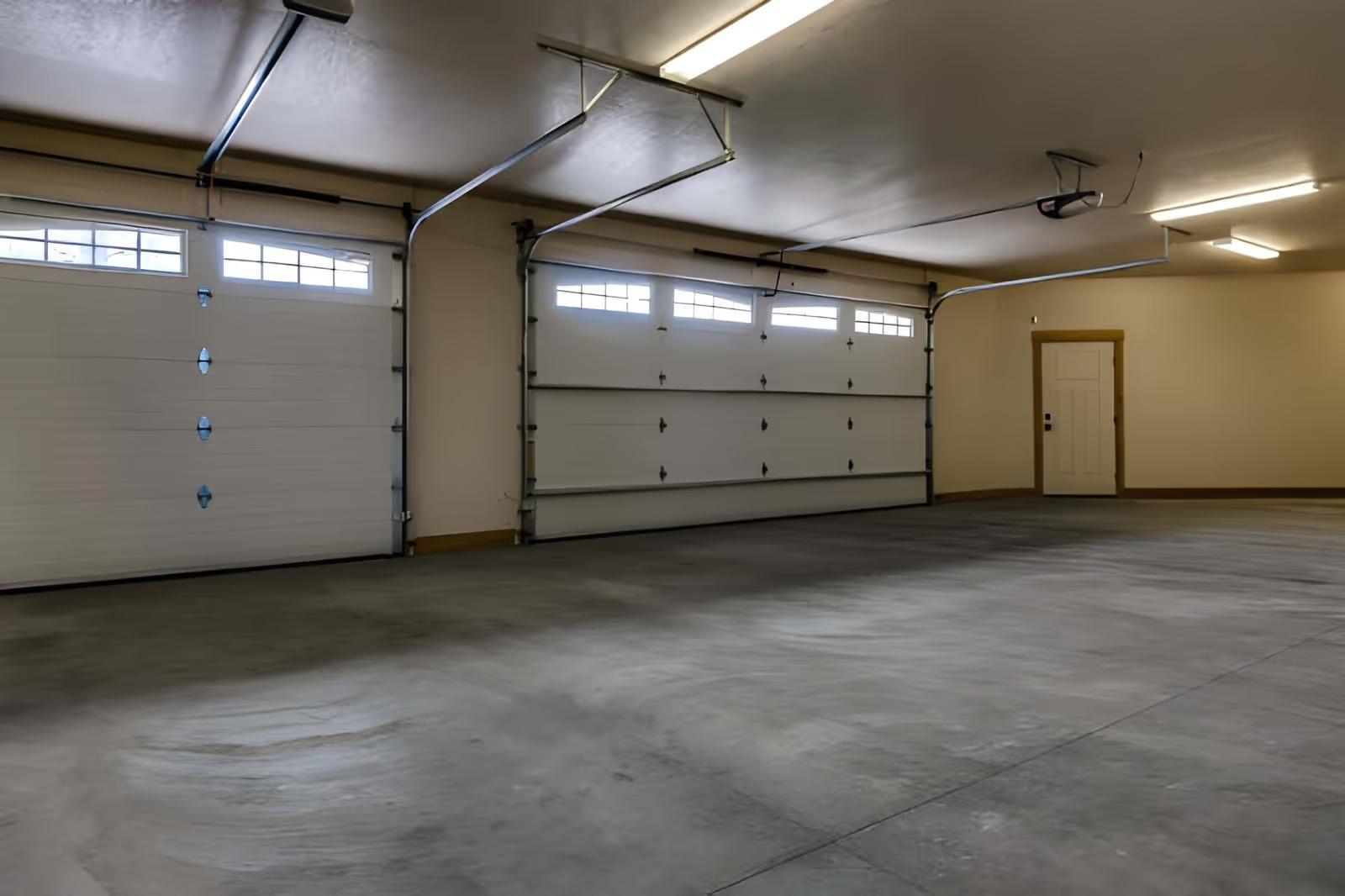
When you're looking to upgrade your garage, the door is often overlooked - but it shouldn't be. Your garage door is one of the largest moving parts of your home, and choosing an insulated, energy-efficient model can make a surprising difference in comfort, noise levels, and even your utility bills. If you're in Reston, VA and considering a garage door replacement or upgrade, understanding the benefits of insulation and energy efficiency is the first step toward making the right choice for your home.