.svg)
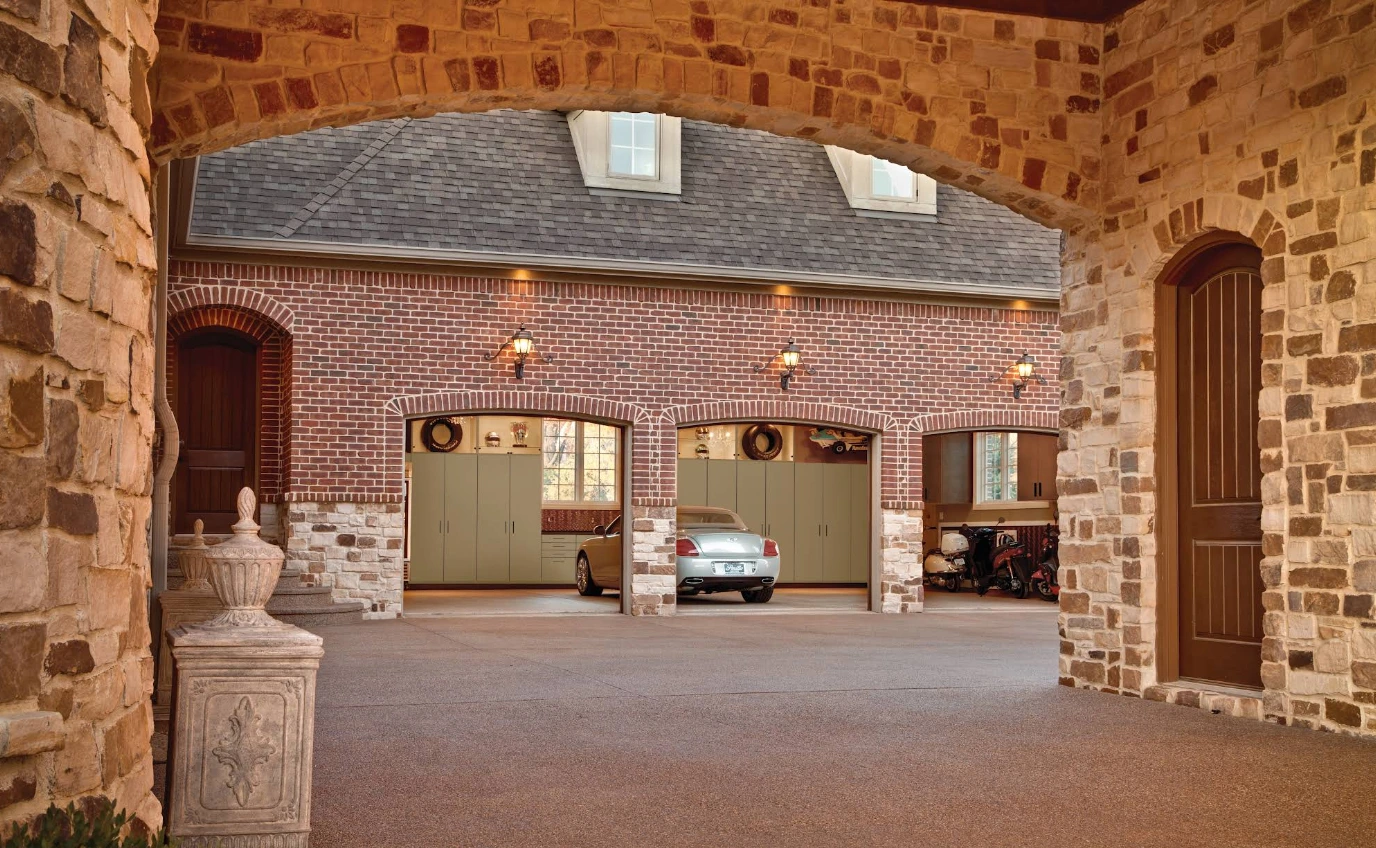
When you're passionate about your vehicles, space becomes precious. Whether you're a car enthusiast with multiple vehicles, a mechanic who works on cars as a hobby, or someone looking to maximize your garage's functionality, a car lift transforms how you use your space. At Garage Design Source, we specialize in helping Ashburn homeowners install professional-grade car lift systems that combine safety, durability, and smart design. As locally owned and operated garage specialists, we understand the unique needs of Northern Virginia homeowners and work with you through every step - from initial assessment to final installation and beyond.
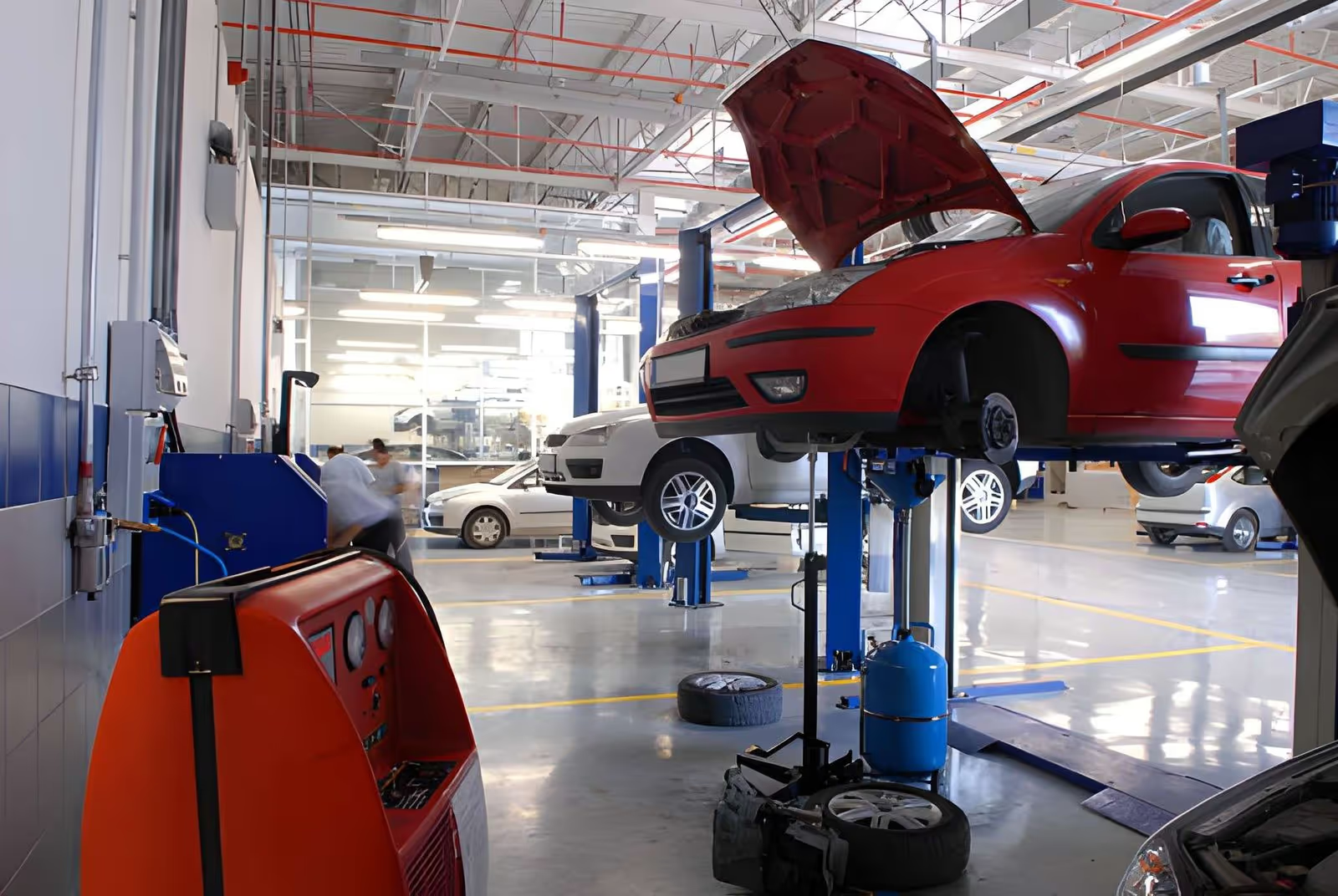
Car Lifts in Ashburn, VA
When you're passionate about your vehicles, space becomes precious. Whether you're a car enthusiast with multiple vehicles, a mechanic who works on cars as a hobby, or someone looking to maximize your garage's functionality, a car lift transforms how you use your space. At Garage Design Source, we specialize in helping Ashburn homeowners install professional-grade car lift systems that combine safety, durability, and smart design. As locally owned and operated garage specialists, we understand the unique needs of Northern Virginia homeowners and work with you through every step - from initial assessment to final installation and beyond.
Car lifts aren't just about storage or showing off your prized vehicle. They're about reclaiming your garage floor, improving accessibility for maintenance and repairs, and creating a space that works harder for you. If your garage feels cramped or your vehicles are consuming valuable workspace, a properly installed car lift can solve multiple problems at once.
Why Ashburn Homeowners Choose Car Lifts
The Ashburn area has seen tremendous growth in recent years, and with it comes the reality that many homes have limited garage space. Families often juggle multiple vehicles, and garages quickly become storage solutions rather than functional spaces. A car lift changes that equation entirely.
Car lifts serve several important purposes for Ashburn residents. They create vertical storage solutions that free up floor space for workshops, additional parking, or storage of other items. They allow easier access for vehicle maintenance, washing, and repairs without the strain of working under a vehicle at ground level. They protect your vehicles from ground moisture and debris while keeping them safely elevated and organized. For car enthusiasts, they showcase your vehicles while keeping them secure and accessible.
Beyond functionality, a quality car lift adds value to your home and demonstrates a commitment to proper vehicle care and home organization - qualities that resonate with Ashburn's homeowner community.
Types of Car Lift Systems
Garage Design Source works with several car lift configurations to match different needs, vehicles, and garage layouts. Understanding your options is essential to choosing the right system for your situation.
Two-Post Lifts
Two-post lifts are the most popular choice for residential garages. These systems feature two vertical posts that support a vehicle through arms that grip under the frame. Two-post lifts require minimal floor space, typically around 8 feet by 12 feet, making them ideal for standard residential garages. They're versatile, accommodating everything from compact cars to full-size trucks and SUVs. The open design makes working under and around the vehicle straightforward. Most two-post lifts can safely raise vehicles 6 to 7 feet, providing plenty of clearance for undercarriage work, maintenance, or simply showcasing your vehicle.
Four-Post Lifts
Four-post lifts offer a different approach with four support columns connected by a frame. These systems are exceptionally stable and generally require more floor space than two-post models, typically around 10 feet by 17 feet. Four-post lifts excel for longer-term vehicle storage or when you want maximum stability for extended periods with the vehicle elevated. They distribute weight more evenly across four points and are often preferred by those storing high-value vehicles or working with heavier vehicles. The added footprint is a trade-off for enhanced stability and the ability to safely leave vehicles elevated for extended periods.
In-Ground Lifts
In-ground lifts are hydraulic systems installed beneath your garage floor, creating a flush surface when not in use. This option preserves your garage floor space and creates a sleek appearance. However, in-ground lifts require significant installation work, including foundation work and electrical considerations. They're ideal for dedicated garage spaces where the investment in installation makes sense long-term.
Scissor Lifts
Scissor lifts use a cross-braced, diamond-shaped design to raise vehicles vertically. They require less horizontal space than traditional two-post or four-post models, making them excellent for tighter garages. Scissor lifts are dependable for regular lifting and lowering and are popular with homeowners who prioritize space efficiency.
Site Assessment and Planning
Before any installation happens, Garage Design Source conducts a thorough site assessment of your Ashburn garage. This critical first step determines feasibility, informs equipment selection, and prevents costly mistakes.
During the assessment, our team measures your garage dimensions precisely, including ceiling height, door openings, and wall configurations. We identify structural elements like support columns, electrical panels, or HVAC equipment that might affect placement. We evaluate your concrete floor condition to determine if preparation or reinforcement is needed. We discuss your vehicle specifications - weight, dimensions, and how you plan to use the lift - to ensure proper capacity selection. We also review electrical access and requirements for your chosen lift system.
The assessment process takes into account the specific characteristics of Ashburn homes. Many properties in the area feature garages built to standard specifications, but individual variations are common. Our team has extensive experience with local construction standards and can quickly identify any unique considerations your garage presents.
After the assessment, we provide you with clear recommendations on which lift type makes sense for your space, your vehicles, and your intended use. We explain the benefits and trade-offs of different options honestly, helping you make the decision that truly fits your situation.
Weight Capacity and Vehicle Compatibility
Selecting the correct weight capacity is fundamental to safe and reliable operation. Garage Design Source ensures your chosen lift can safely handle your vehicles with appropriate capacity margins.
Vehicle weight varies significantly depending on make, model, and year. A compact sedan might weigh 2,800 to 3,200 pounds, while a full-size truck or SUV can weigh 5,000 to 7,500 pounds or more. Electric vehicles, due to battery weight, often weigh more than their gas-powered counterparts. When selecting a car lift, you need capacity not only for your current vehicles but also for any future vehicles you might own.
Most residential car lifts come in standard capacity ratings: 5,000 pounds, 7,000 pounds, 9,000 pounds, 10,000 pounds, and 12,000 pounds. We recommend choosing a lift with capacity that exceeds your heaviest vehicle's weight by at least 1,000 to 2,000 pounds. This safety margin ensures optimal performance and extends the system's lifespan.
Our team at Garage Design Source helps you verify your vehicle weights and select appropriate capacity. We never compromise on this fundamental safety consideration. If you plan to work on heavier vehicles in the future or want maximum flexibility, investing in higher capacity is worthwhile.
Garage Layout and Clearance Considerations
Your garage layout directly impacts where a lift can be positioned and how effectively it functions. Ashburn garages come in various configurations, and smart placement is essential to maximizing functionality.
Ceiling height is critical. Most two-post lifts need approximately 9 to 10 feet of clearance from floor to ceiling when a vehicle is fully raised. If your garage has a lower ceiling or attic framing, this affects equipment selection. Some lift designs are specifically engineered for lower-clearance situations.
Floor space requirements depend on your chosen lift type. A two-post lift might occupy 8 feet by 12 feet, while a four-post system requires closer to 10 feet by 17 feet. Door clearance matters significantly - you need enough space to open your garage door fully without obstruction from the lifted vehicle. Wall-mounted equipment, electrical panels, or existing storage installations might limit viable placement options.
We also consider workflow and accessibility. If you plan to work under raised vehicles, you need adequate space to move around safely. If the lift is primarily for storage, placement might prioritize visibility or ease of vehicle loading and unloading.
During our site assessment, we map out optimal placement considering all these factors. We often identify solutions that clients wouldn't have considered independently. Our experience working with Ashburn garages means we quickly recognize how to maximize your specific space.
Foundation and Anchoring Requirements
A car lift's safety and longevity depend entirely on proper foundation and anchoring. This is not an area where corners should be cut, and Garage Design Source follows rigorous standards for every installation.
Your garage's concrete foundation must be structurally sound to support a car lift safely. We evaluate the concrete's condition, checking for cracks, damage, or deterioration that might compromise safety. Concrete that's more than 20 to 30 years old might require reinforcement or specialized anchoring approaches.
Most car lifts are secured to the floor using concrete anchors - typically concrete wedge anchors or chemical anchors that are installed into pre-drilled holes. The number and placement of anchors depends on your lift type and capacity. A two-post lift might require four to six anchor points, while a four-post system requires eight or more. Each anchor must be installed to specification depth and tightness to function correctly.
In some cases, Ashburn garages have thinner concrete or construction that necessitates additional reinforcement. We might recommend installing a reinforced concrete pad under the lift's support points or using specialized anchoring systems designed for these situations. These steps add to the installation process but are essential safeguards.
We also consider future maintenance. Properly anchored lifts can be serviced and adjusted throughout their lifespan. Poor anchoring can shift or settle, compromising safety over time. Our installations are designed to remain safe and functional for decades.
Electrical and Safety Features
Modern car lifts incorporate sophisticated electrical systems and safety features that make them reliable and user-friendly. Garage Design Source ensures your installation includes all necessary electrical work and safety components.
Most car lifts operate on standard 110-volt household power, similar to other garage equipment. However, some higher-capacity systems, particularly four-post or in-ground lifts, might require 220-volt power. We assess your existing electrical service and determine if upgrades are needed. A dedicated circuit for the lift is standard practice, ensuring the system operates reliably without competing with other garage equipment for power.
Safety features are paramount. Modern lifts include pressure-relief systems that prevent over-raising, dual-lock mechanisms that keep vehicles secure even if one hydraulic line fails, and emergency lower functions that allow vehicles to be safely lowered manually if power is interrupted. These features work together to ensure your vehicle remains secure throughout the lift cycle.
We inspect all safety features during installation and verify they function properly. We provide clear instruction on operating the lift safely, including weight limitations, proper vehicle positioning, and maintenance checks you should perform regularly.
Beyond the lift itself, we ensure your installation includes appropriate safety signage and guards where needed. We also discuss electrical work with your home's existing systems to ensure everything operates safely without overloading circuits or creating hazards.
Installation Process
Understanding the installation process helps you prepare your garage and know what to expect. Garage Design Source manages the entire process professionally and efficiently.
Preparation
We coordinate a convenient time for installation and discuss any preparation needed on your part. We might ask you to clear your garage or remove items from the installation area. We'll inform you of the timeline - most installations take one to three days depending on complexity.
Floor Preparation
We clean and prepare the floor thoroughly, removing debris and ensuring a clean working surface. For concrete that requires anchoring work, we mark drill points precisely and drill to the correct depth and angle. We vacuum away concrete dust before installing anchors.
Foundation Work
If your installation requires reinforcement or specialized anchoring, we complete this work first. We install concrete anchors to specification, ensuring each is properly seated and torqued. We test anchors to verify they meet installation standards.
Lift Assembly and Installation
We carefully assemble the lift according to manufacturer specifications. Two-post and four-post lifts arrive in components that must be properly aligned and connected. We position the lift system precisely on anchor points and secure it fully. We verify alignment and stability before moving forward.
Electrical Work
We install electrical components according to code requirements. This includes running appropriate gauge wire to a dedicated circuit, installing any necessary breakers or connections, and testing all electrical systems. Upon completion, we verify that controls operate smoothly and all safety features function properly.
Final Testing and Instruction
Before we consider the installation complete, we perform thorough testing. We raise and lower the lift multiple times under load to verify smooth operation. We test all safety features and verify that locks engage and disengage properly. We then walk you through operation, maintenance requirements, and safety protocols.
Recommended Maintenance and Service Plans
A well-maintained car lift provides reliable service for decades. Garage Design Source provides guidance on maintenance and offers service plans to keep your lift operating optimally.
Regular maintenance is straightforward and largely involves visual inspection and lubrication. Monthly, you should visually inspect the lift for any signs of leaks, unusual wear, or damage. You should check that safety locks engage and disengage smoothly. Every few months, you should lubricate specified pivot points and moving components with appropriate lubricant - we recommend using only lubricants specified in your lift's manual.
Annually, we recommend a professional service inspection. During this visit, a technician checks hydraulic fluid levels and condition, inspects hoses and connections for leaks or wear, tests all safety features to verify proper function, and makes any adjustments necessary to keep the system performing optimally. This preventive approach catches potential issues before they become problems and extends your lift's lifespan significantly.
Hydraulic fluid maintenance is particularly important. Over time, hydraulic fluid can accumulate contaminants or lose effectiveness. We can flush and replace your system's hydraulic fluid as part of regular service. We also check the condition of all hoses and connections, replacing components as needed before they fail.
If you notice any unusual sounds, slower-than-normal lift speed, or difficulty raising or lowering, contact us promptly for service. These signs often indicate simple issues - low fluid levels, insufficient lubrication, or minor adjustments - that we can address quickly. Addressing problems early prevents more significant damage and keeps your lift operating safely.
Warranty Information
Garage Design Source backs our installations with comprehensive warranty coverage. Understanding what's covered gives you confidence in your investment.
Most lift systems come with manufacturer warranties covering the equipment itself. Two-post and four-post lifts typically include 3 to 5-year warranties on structural components and 2 to 3-year warranties on hydraulic components. We work exclusively with reputable manufacturers whose warranties reflect confidence in their products.
Our installation work includes warranty coverage for one year from completion. This covers any issues resulting from installation workmanship, including anchor security, electrical connections, or assembly errors. We stand behind our work and address any installation-related issues at no charge during this period.
We maintain documentation of your warranty and keep records of any service performed. This is important for warranty purposes - manufacturer coverage sometimes requires evidence of proper maintenance. We ensure your maintenance records support your warranty coverage.
We also discuss extended service plans. These optional plans provide priority service, discounted maintenance visits, and peace of mind knowing your lift will be professionally serviced on a regular schedule.
Common Questions About Car Lift Installation
How much space do I actually need?
Space requirements vary by lift type, but a good rule of thumb is that a two-post lift needs roughly 8 feet wide by 12 feet deep minimum, though a few extra feet provides comfortable working space. Four-post lifts typically need 10 feet by 17 feet. We assess your specific garage during our site evaluation and identify the optimal placement for your space.
Can I install a lift in a garage with a low ceiling?
This depends on how low your ceiling is and your vehicle's height. Most vehicles are 4.5 to 5.5 feet tall, and when raised on a lift, require 9 to 10 feet of clearance. Some specialty lifts are designed for lower-clearance situations, and we can recommend appropriate options during your assessment. In rare cases, ceiling modification might be necessary.
What's the difference between a 5,000-pound and 10,000-pound lift?
Weight capacity determines the maximum weight the lift can safely support. A 5,000-pound lift accommodates most sedans, while a 10,000-pound lift handles SUVs, trucks, and heavier vehicles. Higher capacity lifts typically cost more but provide flexibility if your vehicle needs change in the future.
How long does installation typically take?
Most installations take one to three days depending on complexity. Simple two-post lifts on existing concrete might take one day, while four-post lifts or installations requiring floor preparation might take two to three days. We provide a specific timeline estimate after your site assessment.
Can I leave my vehicle on the lift permanently?
Yes, but there are considerations. Leaving a vehicle raised for extended periods puts constant stress on hydraulic seals and mechanisms. We recommend raising and lowering your lift regularly to maintain system health. If you plan to leave a vehicle raised for months, discuss this scenario with us so we can recommend appropriate maintenance intervals.
What happens if there's a power outage?
Modern lifts include manual lower functions that allow you to safely lower a vehicle even without power. We explain how to access this feature during your instruction, and it's documented in your manual. Additionally, the dual-lock safety system keeps vehicles secure even if power is lost.
The Garage Design Source Difference
At Garage Design Source, car lifts are part of our broader commitment to transforming garages into functional, organized spaces. We've been locally owned and operated in the Washington D.C. metro region for years, and that local presence shapes how we work with Ashburn homeowners.
Our team understands Northern Virginia's unique garage challenges - from moisture and humidity considerations to the specific construction standards common in the area. We apply this regional knowledge to every installation, ensuring your lift functions optimally in our local climate and conditions.
We specialize in garage systems, which means car lifts aren't a side service for us - they're core to what we do. This specialization translates into expertise, attention to detail, and commitment to quality that reflects our reputation in the community.
We believe in honest, straightforward communication. During your site assessment and throughout the installation process, we explain your options clearly, discuss trade-offs openly, and never pressure you toward solutions that don't fit your situation. You'll understand exactly what you're getting and why we're recommending specific approaches.
We back our work with warranty coverage and ongoing service support because we want your car lift to perform reliably for decades. We're not just installing equipment; we're establishing a relationship with Ashburn homeowners who trust us to enhance their homes.
Getting Started With Your Car Lift Installation
If you're ready to reclaim your garage space and explore car lift options for your Ashburn home, contacting Garage Design Source is the first step. Our team conducts a comprehensive site assessment at no charge, evaluating your garage layout, structural considerations, and your specific vehicle and usage needs.
During this assessment, we'll discuss lift types, explain what makes sense for your situation, and answer any questions you have. We'll provide clear recommendations and pricing for installation so you can make an informed decision. We're here to help you transform your garage into a space that works better for how you actually use it.