.svg)
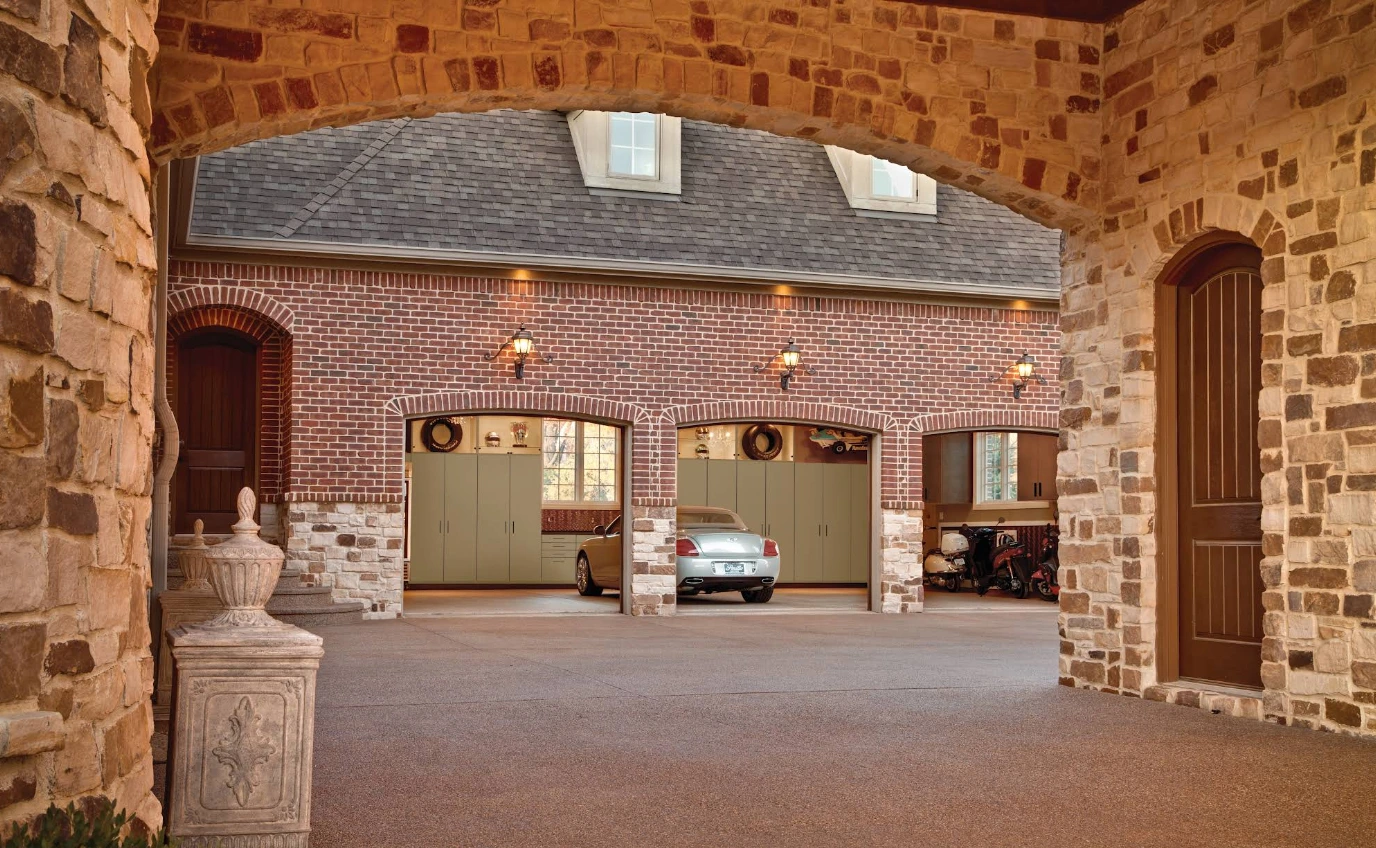
When you're serious about your vehicles, your garage needs to work as hard as you do. Whether you're a car enthusiast with multiple vehicles, a DIY mechanic who values hands-on maintenance, or someone looking to maximize your garage space, a car lift transforms how you use your garage. At Garage Design Source, we understand that a car lift isn't just about storage - it's about creating a functional workspace that lets you take control of your vehicle care and reclaim valuable floor space in your Bethesda home.
Car Lifts in Bethesda, MD
When you're serious about your vehicles, your garage needs to work as hard as you do. Whether you're a car enthusiast with multiple vehicles, a DIY mechanic who values hands-on maintenance, or someone looking to maximize your garage space, a car lift transforms how you use your garage. At Garage Design Source, we understand that a car lift isn't just about storage - it's about creating a functional workspace that lets you take control of your vehicle care and reclaim valuable floor space in your Bethesda home.
A quality car lift system combines engineering precision with practical design. It elevates your garage from a simple storage area into a multi-functional space where you can work on your vehicles, organize tools, and protect your investment. The right lift system for your Bethesda garage depends on several factors: the types and weights of vehicles you own, your available ceiling height, your electrical setup, and how you plan to use the space long-term.
Why Bethesda Homeowners Choose Car Lifts
Bethesda residents face unique garage challenges. Many homes in the area feature moderate ceiling heights and compact lot sizes, making vertical space solutions essential. If you're juggling multiple vehicles, hobby cars, or an electric vehicle alongside daily drivers, a car lift provides an elegant solution that doesn't require knocking out walls or building additions.
Car lifts also appeal to homeowners who value precision and control. You're not dependent on service shops or their schedules - you manage your vehicle maintenance on your timeline. For those who enjoy working on their cars, a lift creates the proper ergonomic environment. For those who simply want their garage organized, a lift keeps vehicles safely elevated and out of the way, freeing up floor space for workshops, storage cabinets, and movement.
Beyond functionality, a professionally installed car lift adds to your home's appeal. It signals that your garage is thoughtfully designed and well-maintained - an increasingly important consideration in today's real estate market.
Types of Car Lift Systems We Install
Garage Design Source works with several car lift configurations, each suited to different needs and garage layouts in Bethesda.
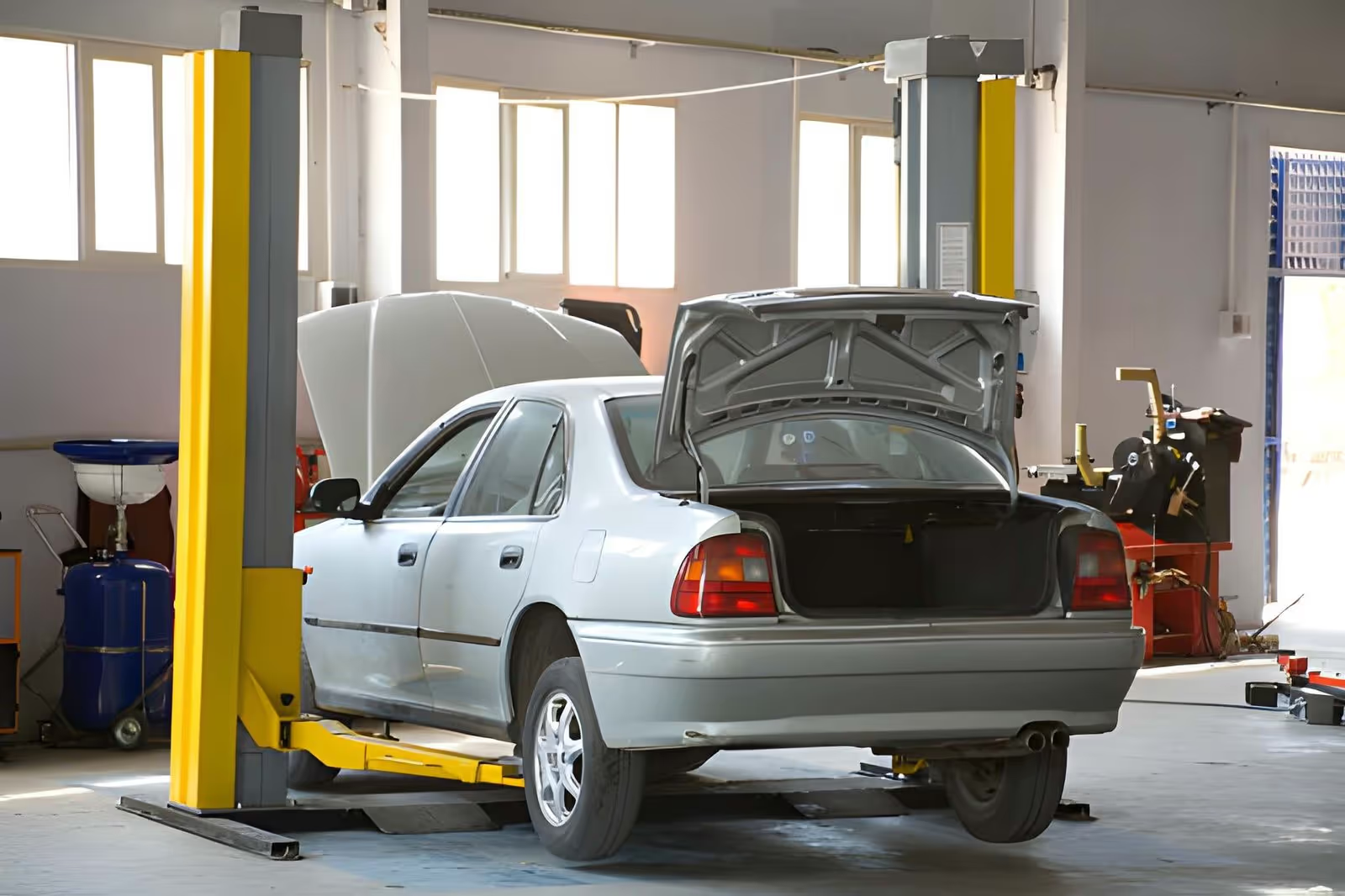
Two-Post LiftsThe most popular choice for residential garages, two-post lifts feature a simple, open design with two vertical posts and a lifting mechanism. They offer excellent clearance underneath the vehicle and require minimal floor space relative to their lifting capacity. Two-post lifts work well in garages where you need maximum accessibility for repairs, detailing, or storage. They're ideal if you plan to rotate vehicles frequently or need to work underneath your car comfortably.
Four-Post LiftsFour-post lifts provide a more stable platform and are often preferred if you plan to leave a vehicle parked on the lift for extended periods. They distribute weight across four points, making them suitable for heavier vehicles or garage setups where you want maximum safety redundancy. Four-post lifts typically have a smaller footprint for working underneath the vehicle, but they're exceptionally stable and often better for storage-focused applications.
Portable/Mobile LiftsFor Bethesda homeowners with limited space or those wanting flexibility, portable lifts can be moved and stored when not in use. They're lower-capacity options, but they're practical for smaller vehicles, motorcycles, or as supplementary lifting systems.
Scissors LiftsScissors lifts use a diamond-shaped mechanism that raises vehicles vertically with a compact footprint. They're excellent space-savers in tighter garages and are often paired with other storage systems for maximum organization efficiency.
Each lift type has specific weight capacities, installation requirements, and spatial footprints. Garage Design Source helps you select the right system for your exact needs and garage configuration.
The Car Lift Installation Process
Installing a car lift properly is essential to safety and longevity. At Garage Design Source, we follow a comprehensive process to ensure your lift system performs flawlessly for years.
Step 1: Site Assessment and Garage EvaluationWe begin by visiting your Bethesda garage to evaluate the space comprehensively. We measure ceiling height, inspect the floor structure, examine electrical availability, and assess the overall layout. We check for obstacles like HVAC ducts, storage systems, shelving, or door frames that might affect lift placement. We also identify the best location for optimal functionality - typically near the back or side of the garage to maximize accessibility without blocking entry or everyday movement.
Floor condition matters significantly. We inspect for cracks, unevenness, or soft spots that could compromise lift stability. If your garage floor needs preparation, we address that during this phase. Many Bethesda homeowners benefit from combining a car lift installation with our epoxy or polyaspartic floor coatings - they protect the concrete while creating a more professional workspace.
Step 2: Weight Capacity and Vehicle SelectionWe work with you to determine the right lift capacity. Standard residential lifts typically support 7,000 to 14,000 pounds. If you're lifting SUVs, trucks, or multiple vehicles, you may need higher capacity systems. We factor in the vehicles you currently own and any future vehicles you anticipate. Choosing the correct capacity is critical - it affects cost, installation requirements, and long-term functionality.
Step 3: Garage Layout and Clearance PlanningProper spacing ensures your lift functions safely and doesn't interfere with garage doors, side doors, storage cabinets, or other systems. We map out the exact placement, considering how doors swing and ensuring adequate clearance for opening car doors and working around the vehicle. If you have Garage Design Source storage systems already installed, we coordinate the lift placement to work seamlessly with your existing setup.
Step 4: Foundation and Anchoring RequirementsThe foundation is where safety begins. Car lifts require solid anchoring to your garage floor. For concrete floors, we drill anchor points and use heavy-duty bolts to secure the lift base. The concrete must be in good condition - at least 4 inches thick and structurally sound. If your Bethesda garage has existing damage or soft spots, we may recommend floor repair or reinforcement before proceeding.
For some residential installations, we pour dedicated foundation pads to ensure maximum stability. This is particularly important for heavier lift systems or garages with less-than-ideal concrete conditions. We ensure all anchoring meets or exceeds manufacturer specifications and local building codes.
Step 5: Electrical and Power Supply SetupCar lifts require dedicated electrical service. Two-post and four-post lifts typically need 240-volt dedicated circuits. We work with licensed electricians to ensure your garage has proper electrical capacity and dedicated circuits for the lift. This is not something to compromise on - improper electrical installation creates safety hazards and voids warranties.
We verify your home's electrical service can accommodate the lift's power draw, and we install proper breakers and wiring. For Bethesda homes with older electrical systems, we assess whether upgrades are necessary. We also ensure the lift location has convenient access to electrical connections.
Step 6: Lift Assembly and InstallationOnce the foundation, anchoring, and electrical work are complete, we assemble and install the lift system. This involves positioning all components, connecting hydraulic lines, testing pressure systems, and ensuring proper alignment. We test the lift multiple times through its full range of motion before considering the installation complete.
For two-post lifts, we ensure the arms align perfectly to prevent binding and ensure smooth operation. For four-post lifts, we verify all four posts are properly leveled and synchronized. We check all safety features, including arm locks, pressure relief valves, and manual override systems.
Step 7: Safety Testing and Customer TrainingBefore we finish, we conduct comprehensive safety testing. We test the lift at maximum capacity, verify all safety mechanisms engage properly, and inspect hydraulic systems for leaks. We document everything and provide you with complete documentation and certification.
We also train you on proper lift operation, weight distribution, maintenance requirements, and safety protocols. Understanding how to use your lift correctly ensures years of safe, reliable operation.
Weight Capacity and Vehicle Considerations
Selecting the correct weight capacity is one of the most important decisions in your car lift purchase. Underestimating can create safety issues and limit your options. Overestimating increases costs unnecessarily.
We help you calculate vehicle weights accurately. Standard sedan weights range from 3,000 to 4,000 pounds. Mid-size SUVs typically weigh 4,500 to 6,000 pounds. Full-size trucks and luxury vehicles can exceed 7,000 pounds. If you own an electric vehicle, factor in the additional battery weight - many EVs are heavier than their gas-powered counterparts.
For homeowners planning to lift multiple vehicles sequentially throughout the day, a lift that handles your heaviest vehicle is essential. For those primarily using the lift for storage, you might choose a system rated for the combined weight of your typical vehicles.
The lift's design also affects how weight distributes. Two-post lifts concentrate weight on two contact points, so they need adequate capacity with some margin. Four-post lifts distribute weight across four points, often allowing lower total capacity ratings while maintaining safety.
Garage Layout and Clearance Considerations
Your Bethesda garage's dimensions determine what's practically possible. Ceiling height is critical - most two-post lifts require 9 feet of clearance to safely lift vehicles. Four-post lifts may operate in slightly lower spaces, and scissors lifts can work in even more compact areas.
Garage width and depth affect lift placement. You want enough space to open car doors comfortably without hitting walls. You need clearance for working around the vehicle while it's elevated. You need to maintain safe pathways through your garage for daily use.
Door placement is crucial. If your garage has a side door, you need to ensure the lift doesn't interfere with it opening. Same with overhead garage doors - the lift placement must allow doors to open without obstruction. For Bethesda homes with attached garages, we also consider how the lift position affects movement between your house and garage.
Many homeowners combine car lifts with our garage storage systems and cabinetry. Proper planning ensures everything works together efficiently. A well-designed garage accommodates the lift, maintains storage functionality, preserves work space, and leaves room for movement and accessibility.
Foundation and Anchoring Requirements
The foundation is absolutely essential to lift safety and performance. A car lift sitting on an unanchored or poorly anchored base is unsafe and unreliable.
Your concrete floor must be structurally sound and at least 4 inches thick. We inspect for cracks larger than 1/8 inch wide, soft spots, or areas with inadequate compaction underneath. Concrete in good condition can safely anchor lift systems for decades. Compromised concrete requires repair or reinforcement before we proceed.
We use heavy-duty concrete anchors - typically 3/4-inch bolts set into drilled holes with epoxy or mechanical anchors. The anchors must penetrate at least 3 inches into solid concrete. We space anchors according to the lift manufacturer's specifications, which typically distribute load points across a broad area to prevent stress concentration.
For Bethesda garages with questionable concrete conditions, we sometimes pour supplemental foundation pads - areas of fresh concrete reinforced with rebar - to create an absolutely stable base. This approach takes longer initially but provides confidence that your lift system will operate reliably for years.
After installation, we verify anchor integrity by testing the lift at rated capacity and visually inspecting for any movement or settling. Proper anchoring is non-negotiable for safety.
Electrical and Safety Features
Modern car lifts include sophisticated safety systems that protect both people and vehicles.
Electrical System RequirementsMost residential car lifts require 240-volt dedicated circuits with 50-60 amp capacity. Some compact models operate on 110 volts, but these are typically limited in capacity. We coordinate with licensed electricians to ensure your home's electrical service can accommodate the lift's requirements and that proper breakers and wiring are installed.
The electrical panel must be sized to handle the load. Older Bethesda homes may need service upgrades if electrical capacity is limited. Proper installation prevents safety hazards and ensures the lift performs at full capacity.
Safety FeaturesProfessional car lift systems include multiple safety mechanisms. Hydraulic pressure relief valves prevent over-pressurization. Arm locks engage automatically when the lift reaches its maximum height, preventing accidental lowering. Manual override systems allow manual lowering if power fails. Load sensors verify weight distribution and prevent operation if load placement is unsafe.
Safety latches on four-post lifts prevent unintended descent. Pressure gauges allow operators to monitor system health. Emergency stop buttons provide manual control if needed.
These aren't optional features - they're essential components that prevent injury and equipment damage. Garage Design Source only installs systems with comprehensive safety certification and documentation.
Maintenance and Service Plans
A well-maintained car lift operates reliably for decades. Proper maintenance also preserves warranty coverage and resale value if you eventually sell your home.
Routine MaintenanceHydraulic fluid should be checked monthly - the system should operate silently and smoothly without jerking or hesitation. If you notice sluggish operation or unusual noise, the hydraulic fluid needs servicing. We recommend fluid changes every 2-3 years depending on usage frequency.
Visually inspect anchor bolts quarterly to ensure they remain tight. Verify that arm locks engage smoothly and completely. Check for any leaks around hydraulic connections. Listen for unusual sounds that might indicate wear.
Seasonal ConsiderationsBethesda's weather variations can affect lift performance. Cold winters may make hydraulic fluid thicker and slower-responding. Proper winter maintenance ensures reliable operation year-round. Hot, humid summers don't typically create problems but can accelerate fluid degradation if the system isn't properly sealed.
Professional ServiceWe recommend annual professional inspections, particularly if you use the lift frequently. Professional service includes hydraulic fluid sampling to check for contamination, pressure testing to verify system integrity, and complete visual inspection of all mechanical components. Annual service costs far less than emergency repairs and extends the life of your lift system significantly.
Warranty Information
Car lift warranties vary based on the system type and manufacturer. Typical residential lift warranties cover:
- Hydraulic systems: Usually 3-5 years, covering cylinder leaks, pump failures, and valve malfunctions
- Mechanical components: 2-3 years for bearings, brackets, and moving parts
- Structural components: Often 5-10 years for posts, arms, and base frame
- Workmanship: Garage Design Source provides a 1-year warranty on all installation work
Warranties typically don't cover wear items like hydraulic fluid or hoses, nor do they cover damage from improper use, overloading, or inadequate maintenance. Keeping maintenance records preserves warranty coverage.
We provide complete warranty documentation at installation and can assist with warranty claims if issues arise. Proper maintenance and professional inspections help ensure your warranty remains valid throughout the coverage period.
Financing and Investment Considerations
A quality car lift represents a significant investment in your home and lifestyle. The cost varies based on lift type, capacity, and your specific garage requirements. While we don't provide pricing details on this page, we do want to help you think about your investment strategically.
Consider the long-term value. A well-installed lift system can last 15-20 years or more with proper maintenance. Broken down annually, the cost becomes quite reasonable for the functionality and convenience you gain. For car enthusiasts and DIY mechanics, a lift often pays for itself through reduced service shop costs and increased ability to maintain your vehicles properly.
The lift also adds functional value to your home. A professionally designed garage with quality systems appeals to buyers during resale. Properties with well-appointed garages command attention in today's market.
Garage Design Source can discuss financing options during your consultation. We work with several programs to make quality garage solutions accessible to homeowners in Bethesda and the surrounding area.
Why Choose Garage Design Source for Your Car Lift Installation
Garage Design Source has been specializing in garage solutions for homeowners in the Bethesda area and throughout the Washington D.C. metro region for nearly two decades. We're locally owned and operated, which means we understand the specific needs and challenges of homes in your area.
Our experience with car lifts is part of our broader expertise in creating functional, beautiful garage spaces. We don't just install lifts - we design integrated garage solutions that work together. If you're considering a lift, we can evaluate how it works with your existing storage systems, flooring, and overall garage layout. Many of our Bethesda clients combine a car lift installation with epoxy or polyaspartic floor coatings, creating a workspace that's both functional and visually impressive.
We're committed to precision installation and long-term customer relationships. We handle site assessment, coordinate with licensed electricians, manage foundation work, perform thorough testing, and provide complete documentation. We also provide training on proper lift operation and maintenance, so you feel confident using your system.
When you work with Garage Design Source, you're working with specialists who focus exclusively on garage solutions. We're not general contractors trying to add car lifts to our service menu - this is what we do, and we do it exceptionally well.
Moving Forward
If you're ready to transform your Bethesda garage with a car lift system, the first step is a comprehensive site assessment. We'll visit your garage, evaluate your space, discuss your vehicle collection and needs, and explore options that make sense for your situation. We'll help you understand the process, answer your questions, and provide a clear picture of what's involved.
A properly designed and installed car lift elevates your garage from a storage space into a functional, organized extension of your lifestyle. Whether you're a dedicated car enthusiast, someone who enjoys hands-on maintenance, or a homeowner simply seeking to maximize your space, a car lift from Garage Design Source provides the solution you're looking for.