.svg)
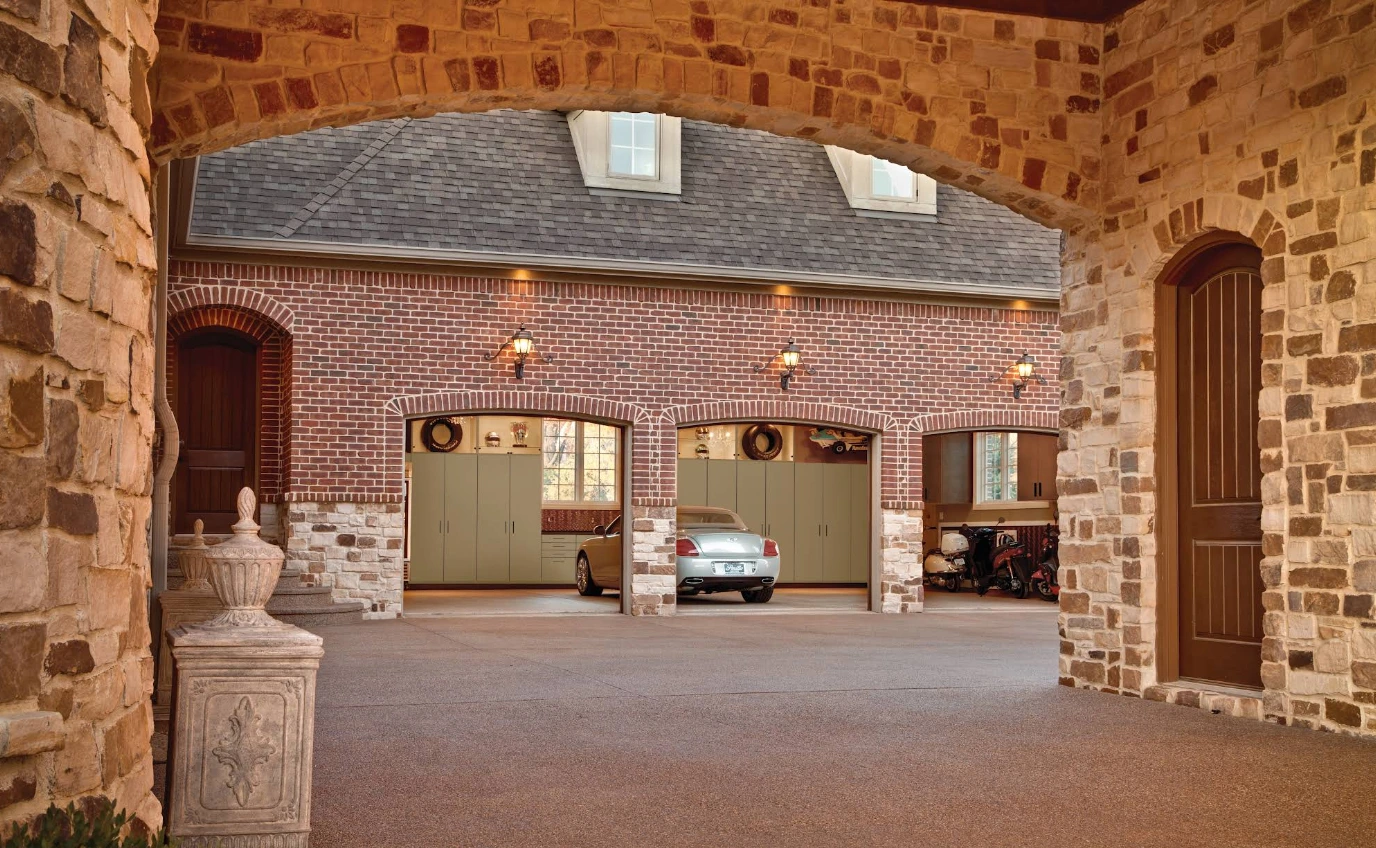
When you're serious about maximizing your garage space and creating a functional workshop or showroom for your vehicles, a car lift becomes more than just equipment - it's a game-changing investment. At Garage Design Source, we specialize in helping Centreville, VA homeowners and car enthusiasts transform their garages with professional-grade car lift systems that combine safety, durability, and smart design. Whether you're looking to store a second vehicle, create workspace underneath for maintenance, or simply optimize every square foot of your garage, we guide you through every step of the car lift installation process.
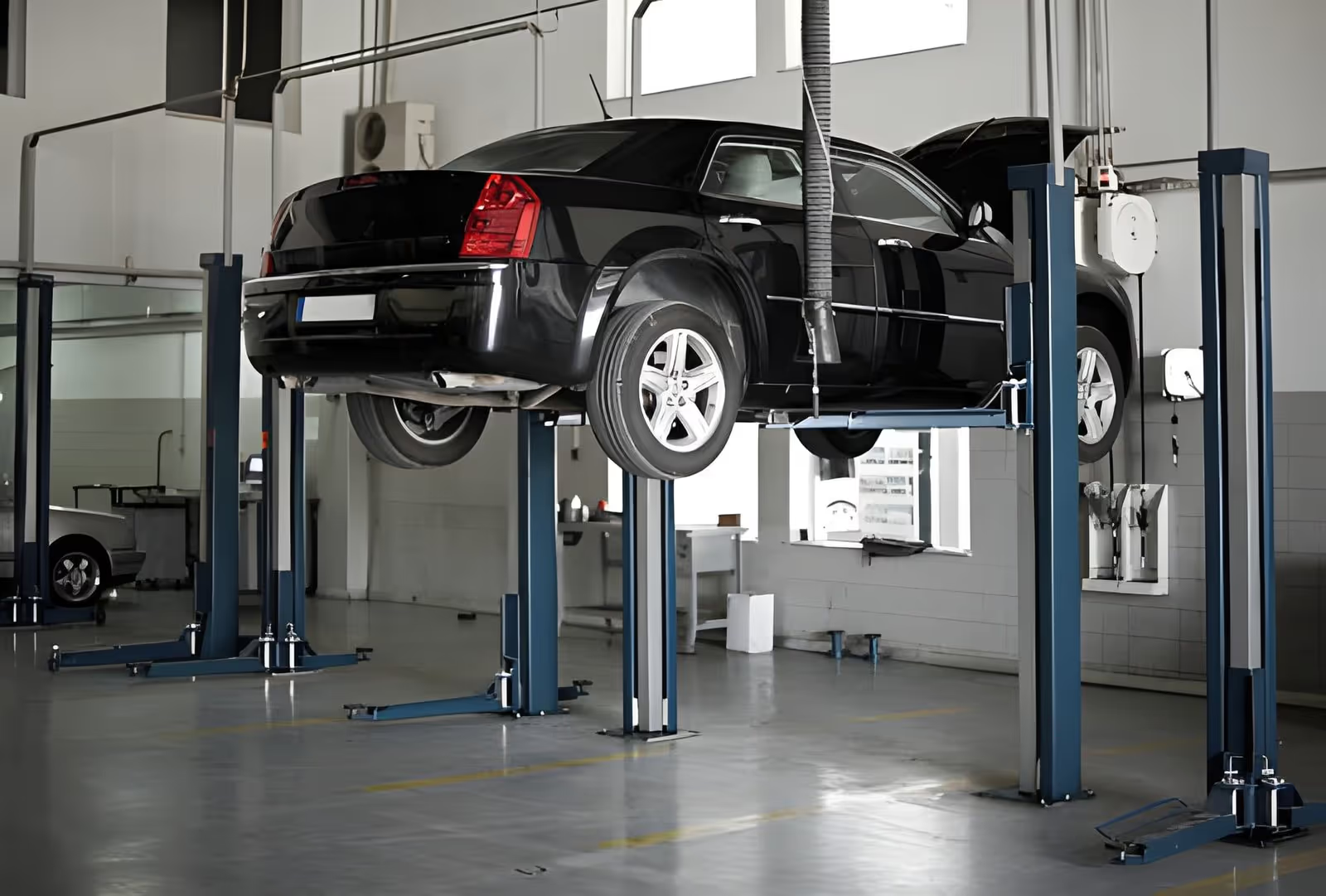
Car Lifts in Centreville, VA
When you're serious about maximizing your garage space and creating a functional workshop or showroom for your vehicles, a car lift becomes more than just equipment - it's a game-changing investment. At Garage Design Source, we specialize in helping Centreville, VA homeowners and car enthusiasts transform their garages with professional-grade car lift systems that combine safety, durability, and smart design. Whether you're looking to store a second vehicle, create workspace underneath for maintenance, or simply optimize every square foot of your garage, we guide you through every step of the car lift installation process.
As a locally owned and operated garage solutions provider serving the Washington D.C. metro region since the early 2000s, Garage Design Source understands what it takes to deliver high-quality garage transformations. We don't just install equipment - we design complete systems that work seamlessly within your unique space, your specific needs, and your long-term vision for your garage.
Understanding Car Lift Systems and Your Options
Car lifts come in several configurations, each designed for different garage layouts, vehicle types, and intended uses. Understanding the differences helps you make an informed decision about which system works best for your Centreville home.
Two-Post Lifts are the most popular choice for residential garages. These systems feature two vertical posts that support the vehicle from two points, typically using arm assemblies that contact the vehicle at its lifting points. They require less floor space than four-post models and offer excellent clearance underneath for maintenance work. Two-post lifts are ideal if you need workspace beneath your vehicle or want to park a second car alongside the lifted vehicle.
Four-Post Lifts provide a different approach, supporting your vehicle at all four wheels or at four points along the frame. These systems offer superior stability and are excellent for long-term vehicle storage. Many car enthusiasts in Northern Virginia prefer four-post lifts when they're storing valuable vehicles because they distribute weight more evenly and keep the vehicle in a more natural resting position. Four-post lifts also tend to have higher weight capacities and work well for heavier SUVs and trucks.
Portable and Scissor Lifts represent smaller-footprint options. Scissor lifts use a collapsing diamond-shaped mechanism underneath the vehicle to raise and lower it. These are excellent if you have limited ceiling height or want a system that doesn't require permanent installation. Portable lifts offer flexibility if you think you might relocate your setup in the future.
Alignment Lift Systems are specialized units designed primarily for tire rotations, alignments, and detailed undercarriage work. If your vision includes a true DIY maintenance station, an alignment lift might be part of your solution.
At Garage Design Source, we help you evaluate your specific situation - your vehicle types, your garage dimensions, your intended use, and your budget - to recommend the lift system that delivers the best value and functionality for your Centreville garage.
Site Assessment and Garage Layout Considerations
Before a single bolt gets installed, a thorough site assessment is essential. This is where many car lift installations succeed or struggle, which is why we take this phase seriously at Garage Design Source.
We begin by evaluating your garage's ceiling height, which is often the first limiting factor. Most residential garages in Centreville have eight-foot or nine-foot ceilings. If you're installing a two-post lift, you typically need at least ten to eleven feet of ceiling clearance to raise a vehicle and still have comfortable access. Four-post lifts often require slightly less overhead clearance depending on their design. We measure your space precisely and help you understand what's actually possible in your garage.
Floor space and traffic flow matter significantly. We assess how the lift placement will affect your ability to move around the garage, park other vehicles, or access storage and tools. A well-positioned lift should enhance your garage workflow, not create obstacles. In Centreville garages, where many homeowners want to maintain the ability to park multiple vehicles or have workspace for projects, layout planning prevents frustration down the road.
Existing obstacles get documented during our assessment. Overhead doors, HVAC vents, electrical panels, water heaters, and other equipment need to be considered. We identify clearances around doorways and evaluate whether the lift placement will interfere with your garage door operation or other essential systems.
We also consider your future plans. Are you planning additional garage storage systems? Will you be adding an EV charger? These conversations now prevent complications later. Garage Design Source specializes in integrated garage systems, so we think holistically about how a car lift fits into your complete garage vision.
Weight Capacity and Vehicle Compatibility
Weight capacity is not an area for guesswork. Selecting a lift with insufficient capacity is dangerous and defeats the purpose of your investment. Selecting one with vastly more capacity than needed might mean spending more than necessary.
Most standard residential two-post lifts range from 10,000 to 15,000 pounds of lifting capacity. Four-post lifts often go higher, from 12,000 to 20,000+ pounds. For context, most sedans weigh 3,000 to 3,500 pounds, mid-size SUVs run 4,500 to 5,500 pounds, and full-size trucks can exceed 6,000 pounds.
Here's what matters: we determine the Gross Vehicle Weight Rating (GVWR) of each vehicle you plan to lift. This is the maximum weight the vehicle can weigh when fully loaded, including fuel, passengers, and cargo. We then ensure your lift system has adequate capacity not just for the vehicle's typical weight, but for real-world usage scenarios.
If you're an enthusiast with a lifted truck or a classic car that's been modified, weight capacity becomes even more critical. Modified vehicles often weigh more than stock versions. We ask about any upgrades or modifications that might affect the vehicle's weight so we get the capacity calculation right.
At Garage Design Source, we provide clear documentation showing the lift capacity and confirm in writing that the system is appropriate for your vehicles. This transparency is part of how we build trust with Centreville homeowners.
Foundation and Anchoring Requirements
The concrete floor in your Centreville garage is not just a surface - it's a structural component that bears the responsibility of safely holding several tons of vehicle weight. This is why foundation preparation and proper anchoring are non-negotiable aspects of professional car lift installation.
Foundation inspection happens early in our process. We evaluate the condition of your concrete slab. Is it relatively level, or does it slope noticeably? Are there cracks that suggest underlying instability? Has the slab settled unevenly in certain areas? These conditions affect both the installation process and the long-term performance of your lift.
Most residential garages need minimal foundation work if they're in decent condition. However, if there are significant cracks, soft spots, or uneven settling, we'll discuss solutions. Sometimes this means targeted repairs before installation. In some cases, specialized installation techniques can work around minor imperfections.
Anchoring is where the physical connection happens. Four-post lifts require anchoring at all four corners, while two-post lifts typically anchor at the two base points. The lift manufacturer specifies anchoring requirements based on the equipment model and local building codes.
In Centreville and throughout Northern Virginia, concrete anchoring typically involves drilling holes in the slab and using expanding anchors or epoxy-set bolts to create a permanent, structural connection. We follow manufacturer specifications precisely - bolt diameter, depth, spacing, and torque specifications are all calculated to ensure safety.
If your garage floor has been recently coated with epoxy or polyaspartic flooring - something many of our customers do as part of a complete garage renovation - we coordinate timing carefully. New floor coatings need to cure fully before we drill anchor points. If you're considering both a floor coating and a car lift, we can plan the sequence so both projects proceed efficiently.
For customers considering more complex installations, we can discuss floor preparation options including concrete grinding or additional reinforcement if needed. This is where Garage Design Source's experience with the complete garage environment becomes valuable - we understand how all your garage systems interact.
Electrical and Safety Features
Modern car lift systems incorporate sophisticated electrical and safety features that protect both your vehicles and anyone in the garage. Understanding these systems helps you appreciate what you're getting with a quality installation.
Hydraulic safety valves and pressure relief systems are fundamental to any car lift. These components prevent over-pressurization that could cause a sudden drop. Quality lifts have redundant safety features, meaning if one system fails, backup systems maintain the vehicle safely.
Lock-out devices and mechanical safeties physically prevent the platform or arms from dropping uncontrollably. Decent lifts include safety locks that engage automatically if hydraulic pressure is lost. These mechanical backups are separate from the electrical control systems, providing an extra layer of protection.
Electrical controls operate the hydraulic pump and manage the lifting and lowering functions. Modern systems use a control switch, often with an emergency stop button. Quality equipment features smooth, controlled motion rather than jerky or unpredictable movement. The wiring for the lift must be properly installed to your garage's electrical system, which brings us to installation requirements.
Electrical installation typically requires a dedicated circuit with adequate capacity. Most residential car lifts draw 15 to 20 amps and operate on standard 120-volt household power, though some heavy-duty models might need 240-volt service. If your garage's electrical panel doesn't have available capacity, or if the lift needs to be located far from existing circuits, you might need electrical upgrades. We assess your electrical setup as part of the site evaluation and discuss any upgrades needed upfront.
At Garage Design Source, we ensure electrical installation meets local building codes and manufacturer specifications. We don't cut corners on safety systems - this is where quality equipment and proper installation prove their value.
Regular testing and inspection of safety features is part of responsible ownership. We provide guidance on how to visually inspect your lift system and what warning signs should prompt a service call.
Installation Process and Timeline
The actual installation of a car lift typically spans two to three days, though this depends on your specific situation and whether any foundation work or electrical upgrades are needed.
Day One typically involves foundation preparation and anchoring. We ensure the area is clean and prepared, drill anchor points, install bolts according to manufacturer specifications, and verify everything is secure and level. We allow adequate time for anchors to cure if epoxy-set bolts are used. We also run the electrical line if any new wiring is required.
Day Two focuses on equipment positioning and assembly. The lift components are positioned, structural elements are connected, and hydraulic lines are installed. This is meticulous work that requires precision - alignment must be exact for safe, smooth operation. All bolts, connectors, and fasteners are torqued to specification.
Day Three involves testing, calibration, and safety verification. We test all lifting and lowering functions, verify the safety locks engage properly, check hydraulic pressure ranges, and confirm electrical controls respond correctly. We test with weight to ensure everything functions as designed. We provide a thorough walkthrough of operation and maintenance with you.
Throughout the process, we protect your garage floor and any existing installations. If you have garage flooring, cabinetry, or other systems already in place, we take precautions to prevent damage.
The timeline can extend if foundation issues require remediation or electrical upgrades are necessary. We communicate timing clearly upfront so you know what to expect.
Maintenance and Service Plans
A quality car lift, properly installed and regularly maintained, provides reliable service for many years. Neglected equipment deteriorates faster and becomes less safe. This is why we recommend a structured maintenance approach.
Monthly visual inspections should become part of your routine. Look at the lift structure for any signs of rust, corrosion, or visible damage. Check hydraulic lines for leaks. Listen for any unusual sounds during operation. Most issues that develop are caught early with basic observation.
Annual professional service keeps your lift operating optimally. A technician inspects hydraulic fluid condition, tests safety features, checks all structural connections, and performs any lubrication the system requires. Hydraulic fluid degrades over time and loses its protective properties - regular fluid analysis or changes as recommended ensures the hydraulic system stays healthy.
Cleaning and corrosion prevention extend equipment life, especially in the Washington D.C. metro region where humidity and seasonal weather variations are significant. Wiping down steel components and addressing any surface corrosion prevents deterioration.
Documentation and record-keeping create a service history that's valuable if you ever need to document the lift's maintenance for insurance or if you sell your home. We provide documentation of installation and recommend keeping service records going forward.
At Garage Design Source, we can discuss service plan options appropriate for your lift system. Whether you prefer to handle basic maintenance yourself or prefer professional oversight, we help you establish a routine that keeps your lift safe and functional.
Warranty Information and Long-Term Confidence
Quality car lift systems come with manufacturer warranties that typically cover structural components, hydraulic systems, and electrical controls for defined periods - commonly five to ten years for residential equipment, depending on the manufacturer and specific components.
Understanding warranty coverage details helps you make decisions about when to pursue repairs under warranty versus investing in maintenance that prevents issues. Most warranties require proper installation and regular maintenance as conditions, which is another reason why professional installation and documented service matter.
At Garage Design Source, we provide warranty documentation with your equipment and explain coverage clearly. We help you understand what's included, what's not, and what steps you should take if issues arise. Our relationship with quality manufacturers means we can facilitate warranty claims efficiently if needed.
We also recommend discussing insurance coverage with your homeowner's insurance provider. Some policies specifically cover or exclude vehicle lifts. Knowing your coverage prevents unpleasant surprises if the unlikely event of equipment failure or accident ever occurs.
Car Lifts as Part of Your Complete Garage Transformation
At Garage Design Source, we've installed hundreds of car lifts throughout Centreville, Arlington, Falls Church, and the greater Washington D.C. metro region. What we've learned is that the most satisfied customers are those who thought about their lift as part of their complete garage vision.
Many customers pair a car lift with garage flooring - an epoxy or polyaspartic coating that provides durability, easy cleaning, and visual appeal. Others combine a lift with custom storage systems and cabinetry that organize tools, equipment, and household items. Some add a second vehicle bay configuration alongside their lift, maximizing their garage's utility.
When you're ready to explore how a car lift fits into your Centreville garage, we're here to assess your space, understand your goals, and recommend solutions that deliver real value. As a locally owned garage solutions specialist, we bring experience, attention to detail, and a commitment to quality that shows in every project we complete.
Your garage is an extension of your home - a space where you maintain your vehicles, pursue projects, or simply organize your life more effectively. A properly selected and professionally installed car lift transforms that space into something more functional and more valuable. That's the kind of transformation Garage Design Source specializes in delivering.