.svg)
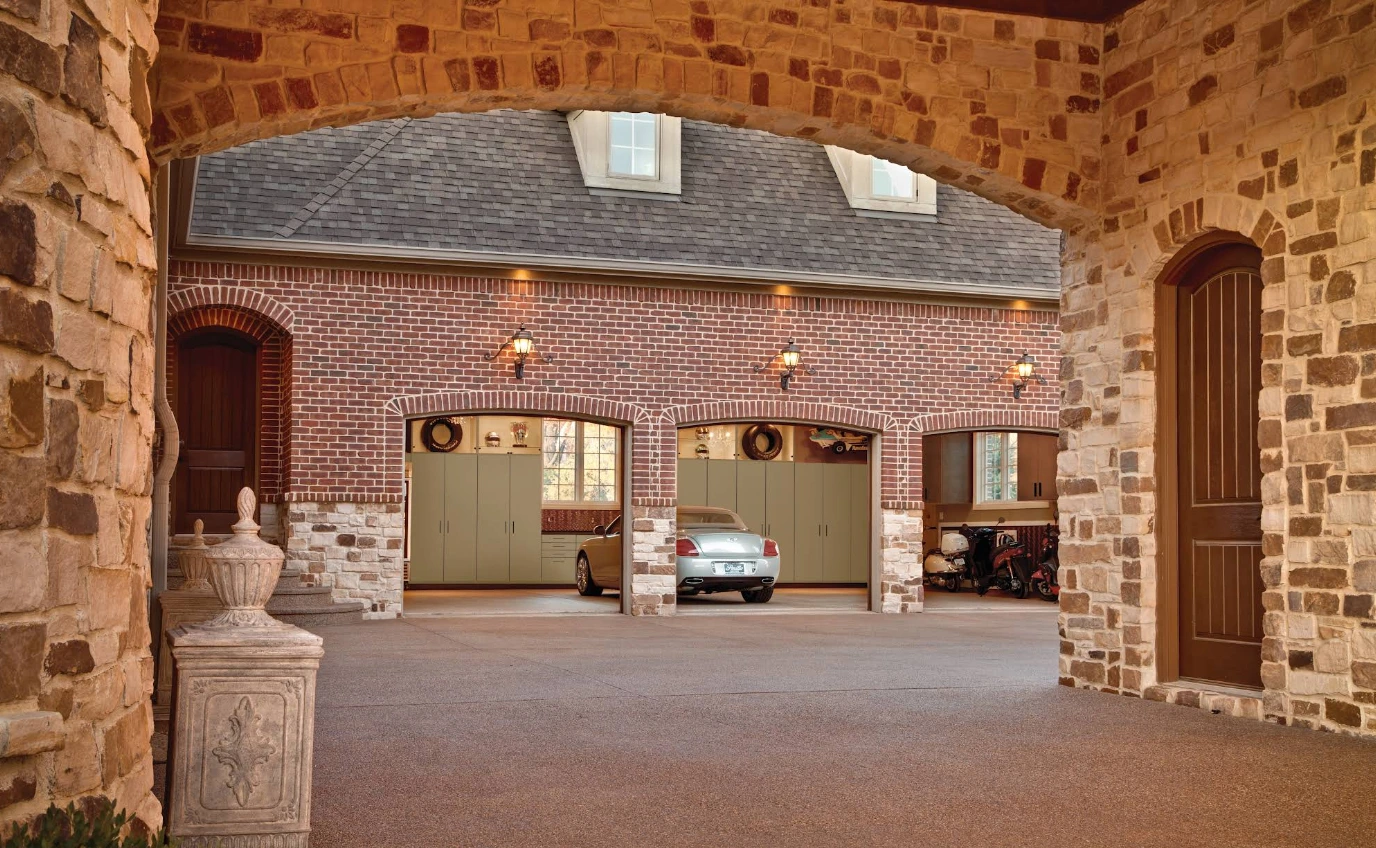
When you're serious about your vehicles or need to maximize your garage's functionality, a quality car lift transforms everything. Whether you're a car enthusiast who loves working on your own vehicles, a homeowner looking to reclaim precious floor space, or someone who simply wants easier access to vehicle maintenance, a professional car lift installation is a game-changer for your Kalorama garage. At Garage Design Source, we've been designing and installing car lift systems throughout the Washington D.C. metro area for years, helping homeowners and collectors turn their garages into functional, organized spaces that work as hard as they do.
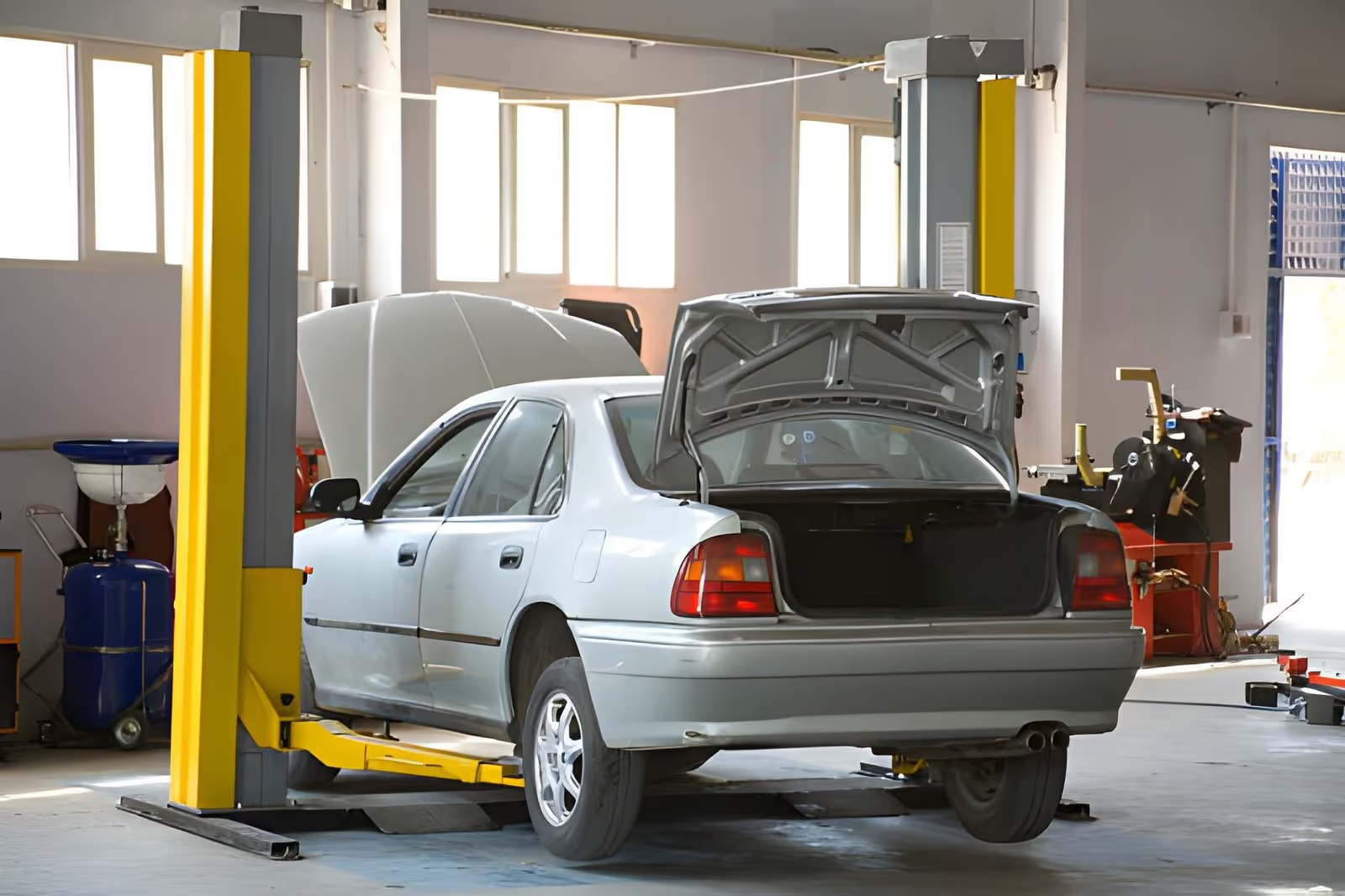
Car Lifts in Kalorama, DC
When you're serious about your vehicles or need to maximize your garage's functionality, a quality car lift transforms everything. Whether you're a car enthusiast who loves working on your own vehicles, a homeowner looking to reclaim precious floor space, or someone who simply wants easier access to vehicle maintenance, a professional car lift installation is a game-changer for your Kalorama garage. At Garage Design Source, we've been designing and installing car lift systems throughout the Washington D.C. metro area for years, helping homeowners and collectors turn their garages into functional, organized spaces that work as hard as they do.
A car lift isn't just about convenience - it's about transforming your garage into a true multi-functional space. When you add a lift to a well-designed garage system that includes professional flooring and storage solutions, you're creating an environment where you can maintain your vehicles properly, work on projects comfortably, and still have room to park another car or store your belongings. That's the kind of comprehensive garage solution we specialize in at Garage Design Source.
Understanding Your Car Lift Options
The right car lift depends entirely on your specific garage space, your vehicles, and how you plan to use the lift. Different systems offer different benefits, and our job is to help you understand which option makes the most sense for your situation.
Two-Post Lifts are the most common choice for residential garages. These systems feature two vertical posts with arms that grip your vehicle's frame or lifting points. Two-post lifts require minimal floor space compared to other styles and offer excellent access to the undercarriage of your vehicle. They're ideal if you plan to do regular maintenance, repairs, or detailing work. The open design means you can move around your vehicle easily and access all sides.
Four-Post Lifts provide maximum stability and are the preferred choice if you have multiple vehicles you need to park and store. Four-post systems use four vertical posts with a platform that lifts your entire vehicle. Many car enthusiasts prefer four-post lifts because they can safely park a second vehicle underneath while the first is lifted, effectively doubling your parking capacity. These lifts are also gentle on your vehicle since the weight is distributed evenly across the platform.
Scissor Lifts are compact solutions that work well in garages with height limitations. They use a diamond-shaped mechanism that extends vertically, making them perfect if you have a lower ceiling height in your Kalorama garage. Scissor lifts take up minimal floor space and are excellent for maintenance work and tire changes.
Portable and Asymmetrical Lifts offer flexibility if you want to move your lift or need uneven weight distribution for vehicles with extended wheelbases. Asymmetrical lifts are particularly popular among truck and SUV owners in the area who need to lift vehicles with different proportions.
At Garage Design Source, we assess your specific garage dimensions, ceiling height, vehicle types, and how you plan to use the space before recommending a system. That's how we ensure you get exactly what works for your situation.
The Site Assessment Process
Before we install anything, we conduct a thorough evaluation of your Kalorama garage. This assessment is crucial because it determines everything about your lift installation - the type of system you need, where it should be positioned, what electrical upgrades are necessary, and how the lift integrates with your existing garage setup.
Our team measures your garage dimensions in detail, including ceiling height, wall positions, door openings, and any obstacles like electrical panels, HVAC equipment, or plumbing. We note where existing windows, doors, and structural beams are located. We also evaluate your current flooring condition, which matters significantly for lift installation. A properly installed lift requires a solid, level foundation. If your garage has an older concrete floor or one with settling issues, we can address that before lift installation, often combining it with our professional garage floor coating services.
We discuss your vehicle specifications - the make, model, wheelbase, and weight. Different vehicles require different lifting points and weight distribution. A two-seater sports car lifts very differently than a full-size truck or SUV. We verify that your chosen lift system can safely handle your vehicle's weight and dimensions.
Electrical considerations are assessed as well. Most car lifts require 220-volt power, and your current garage electrical setup might need upgrades to support that. We identify whether your existing electrical service can accommodate the lift or if we need to recommend upgrades through a licensed electrician.
This comprehensive assessment ensures that when installation day arrives, we have all the information needed to do the job correctly the first time. No surprises, no complications, just a straightforward process that results in a lift system perfectly suited to your garage.
Weight Capacity and Vehicle Compatibility
Selecting the right weight capacity is one of the most important decisions in your lift purchase. Your lift must safely handle your vehicle's weight, and we recommend choosing a capacity that exceeds your vehicle's actual weight by a comfortable margin for safety.
Most residential two-post lifts come in capacities of 9,000 to 14,000 pounds. For standard sedans and coupes, a 10,000-pound lift is typically sufficient. If you own an SUV, truck, or heavier vehicle, you'll want at least a 12,000-pound capacity. Some specialty vehicles or if you anticipate adding heavier vehicles to your collection down the road, a 14,000-pound lift provides extra security and longevity.
Four-post lifts often have higher weight capacities, ranging from 8,000 to 20,000 pounds, and they distribute weight more evenly across all four posts, which can be safer for heavier vehicles. Scissor lifts vary widely in capacity depending on their size and design.
Here's what homeowners often don't realize: the weight capacity should account not just for your vehicle's curb weight, but for fuel, passengers, and any equipment you might have in the vehicle. It's better to have more capacity than you need than to push the limits of what your system can handle.
We walk through these calculations with you during the assessment. If you're unsure about your vehicle's exact weight, we can help you find that information or recommend a lift system that comfortably handles your vehicle class with room to spare. That's the kind of detailed attention Garage Design Source brings to every installation.
Garage Layout and Clearance Considerations
Your car lift isn't installed in isolation - it has to work within your entire garage ecosystem. That's why we think about clearance and layout holistically, considering how the lift fits with your storage systems, garage door, workspace, and any other features in your garage.
Positioning the lift correctly is critical. For two-post lifts, we typically place them toward the back or side of your garage to maximize floor space and ensure easy access to your vehicle from all angles. The lift needs to be positioned so that when your vehicle is raised, it doesn't interfere with the garage door opening, any side-mounted cabinets, or shelving systems.
Ceiling clearance is another major consideration, especially in Kalorama garages where older homes sometimes have lower ceilings or unusual framing. When a vehicle is fully raised on a lift, we need to ensure adequate space between the vehicle's roof and your ceiling. Typically, we recommend at least 12 inches of clearance above the vehicle. If your garage ceiling is 8 feet, you need to account for this carefully when selecting a lift type or position.
Wall spacing matters too. If your garage has windows, electrical outlets, or switch panels on the walls, these factors influence where the lift can be safely installed. We also consider traffic flow - you need to be able to move around the lifted vehicle safely and access your storage systems without awkward maneuvering.
If you're combining your lift installation with garage floor coating or storage system installation, we design the entire garage layout together. This ensures everything works harmoniously. A beautifully installed lift looks even better when it's positioned within a thoughtfully designed, organized garage space. That comprehensive approach is what sets our work apart at Garage Design Source.
Foundation and Anchoring Requirements
A car lift is only as reliable as the foundation it's anchored to. This is non-negotiable, and we take this aspect of the installation very seriously. Your safety and your vehicle's safety depend on a proper foundation and secure anchoring system.
For most residential installations, your garage's concrete slab must meet specific requirements. The concrete needs to be at least 4 inches thick, which is standard for most residential garages. We verify the concrete's integrity and structural soundness. If your garage has significant cracks, settling, or areas of deterioration, we'll recommend addressing these issues before lift installation.
The concrete must also be level. Garages with sloped floors or uneven surfaces compromise the lift's performance and safety. If we identify leveling issues during our site assessment, we can often address them before installation, and in many cases, our professional garage floor coating services create an excellent foundation for lift installation.
Anchoring depends on your lift type. Two-post lifts are typically anchored directly to the concrete slab using concrete expansion anchors or bolts. These fasteners penetrate deep into the concrete, creating a secure, permanent connection. The anchoring points are calculated based on your lift's specifications and the weight it will be handling.
Four-post lifts distribute weight across four points, which typically requires anchoring at each post location. We space these anchoring points appropriately to ensure even weight distribution and maximum stability.
Before we begin any anchoring work, we'll identify the exact locations where anchoring will occur. We check for utilities - plumbing lines, electrical conduits, or other systems that might run under your garage floor. We want to avoid drilling into anything that could cause problems later.
Once anchoring is complete, the lift won't move. It's a permanent installation that will safely hold your vehicle at any height, year after year. That security and reliability is what you're paying for when you invest in a quality lift system from Garage Design Source.
Electrical and Safety Features
A professional car lift involves electrical components that must be installed safely and to code. We ensure your installation meets all electrical standards and includes essential safety features that protect you and your vehicle.
Most car lifts require 220-volt power, which is more than standard household outlets provide. Your garage might currently have only 110-volt service. We work with licensed electricians to assess your existing electrical panel capacity and run the appropriate circuits to your lift location. This isn't a DIY project - it requires professional electrician involvement to ensure everything meets code.
The lift control system should include safety interlocks that prevent operation under certain conditions. Quality lifts have mechanical locks that hold the vehicle in place even if power is lost. The controls should be intuitive and include emergency stop functionality. Modern lifts have sensors that detect obstacles or interference and stop operation automatically.
Pressure relief valves are essential safety components in hydraulic lift systems. These valves release excess pressure if something goes wrong, preventing system failures that could result in a dropped vehicle. A quality lift system will have multiple redundant safety features to ensure that even in an extremely unlikely scenario, your vehicle remains secure.
We also assess whether your garage has proper lighting for working on a lifted vehicle. Adequate lighting is both a safety requirement and a practical necessity. Many homeowners add additional lighting fixtures as part of their lift installation project to ensure they can see properly when working underneath or around their vehicle.
The electrical and safety components of your lift are inspected after installation and should be checked periodically as part of routine maintenance. We'll provide guidance on what to look for during your regular inspections and when professional servicing is needed.
Understanding Weight Distribution and Lifting Points
One aspect of lift safety that many homeowners don't fully understand is proper lifting points and weight distribution. Your vehicle can't be lifted from just anywhere - it has to be lifted from specific points designed by the manufacturer to safely handle the vehicle's weight.
Vehicle manufacturers designate lift points, usually reinforced areas of the frame or chassis. These points are designed to safely support your vehicle's weight during lifting. Using any other location can damage your vehicle or create unsafe conditions.
Two-post lift arms adjust to fit your vehicle's lift points. The arms grip the vehicle using specialized pads or adapters, and the lift's height and angle adjust so that weight is distributed properly across both lifting points. An improperly positioned lift can damage your vehicle's frame or body.
Four-post lifts avoid this concern somewhat because they use a platform that supports the vehicle's weight across a broader area. However, proper positioning of the vehicle on the platform is still important.
During our site assessment and before your first lift, we'll show you exactly where your vehicle's lift points are located and how the lift system will interact with your specific vehicle. Many vehicle owners aren't familiar with their car's lift points, and we consider it part of our job to educate you about safe operation.
If you ever lift a different vehicle on your system, verify the lift points for that vehicle as well. Different vehicles sometimes have lift points in slightly different locations or require different positioning. When you understand these details, you can safely operate your lift with confidence for years to come.
Recommended Maintenance and Service Plans
A car lift is a sophisticated mechanical and hydraulic system that performs its best when properly maintained. Like any equipment you depend on, regular maintenance extends its lifespan, ensures optimal performance, and maintains the safety features that protect your vehicle.
Hydraulic fluid is the lifeblood of most car lift systems. Over time, hydraulic fluid can degrade, accumulate contaminants, or lose its viscosity. We recommend checking hydraulic fluid levels monthly and having the fluid inspected annually by a service professional. Depending on usage and the lift system, hydraulic fluid might need to be replaced every few years.
All mechanical connections, bolts, and fasteners should be inspected periodically. Even quality installations can experience minor settling or vibration over time. A quick inspection ensures everything remains tight and secure. We recommend having a professional technician perform this inspection annually or after heavy use periods.
The control system and electrical components should be tested regularly. Buttons should respond smoothly, sensors should function properly, and safety interlocks should operate as designed. If you notice any sluggish response, unusual sounds, or hesitation during operation, that's a sign that professional servicing is needed.
Cleaning is simpler but important. Dust, dirt, and debris can accumulate on hydraulic lines, motors, and control systems. Keeping these components clean helps them operate reliably and makes it easier to spot any leaks or issues during inspection.
We offer maintenance plans for our lift installations. These typically include annual professional inspections, fluid checks, connection verification, and operational testing. For many homeowners, a maintenance plan provides peace of mind knowing that their lift system is being professionally monitored and maintained.
If you notice any unusual sounds, sluggish operation, or visible leaks, don't wait for your scheduled maintenance. Contact us promptly, and we'll have a technician assess the situation. Many potential issues can be addressed quickly if caught early.
Warranty Information and Protection
When you invest in a professional car lift installation from Garage Design Source, you're protected by warranties that cover both the equipment and our installation work.
Most quality lift systems come with manufacturer warranties that cover defects in materials and workmanship. These warranties typically range from two to five years for residential use, depending on the lift model and capacity. The manufacturer warranty covers failure of lift components due to manufacturing defects, not damage from improper use, accidents, or neglect.
Garage Design Source also warrants our installation work. We stand behind the quality of our anchor work, electrical connections, and system setup. If an issue arises that's related to our installation rather than equipment defect, we address it under our installation warranty.
We'll provide you with complete documentation of your lift system, including the manufacturer's manual, warranty information, and our installation records. Keep this documentation in a safe place. If warranty service is ever needed, you'll have everything required to process a claim.
Warranty coverage typically doesn't include normal wear and tear, routine maintenance costs, or damage from improper use. That's why understanding your lift system and following manufacturer guidelines for operation and maintenance is important. It keeps your system performing reliably and preserves your warranty protection.
If you ever have questions about what's covered under warranty or whether a particular issue qualifies for warranty service, we're happy to help you understand your coverage and explore your options.
Financing Options for Your Lift Investment
A professional car lift installation is a significant investment in your home and your garage functionality. We understand that many homeowners want to explore flexible financing options rather than paying the full amount upfront.
Garage Design Source works with financing partners to offer various payment plans and options. Depending on your situation, you might qualify for financing with monthly payments, deferred payment options, or other arrangements that work with your budget and timeline.
We can discuss financing details during your consultation and site assessment. Our team will explain the terms, payment schedules, and any other details you need to make an informed decision about financing your lift installation.
Even though we offer financing options, we encourage you to get everything in writing and fully understand the terms before committing. Ask questions about interest rates, payment schedules, prepayment options, and any fees associated with the financing. This is your decision, and we want you to feel completely comfortable with whatever financing arrangement you choose.
Many homeowners find that spreading the investment across monthly payments makes a high-quality lift system much more accessible. If you've been thinking about adding a lift to your Kalorama garage but were uncertain about the investment, exploring financing options might make it possible to move forward sooner.
The Installation Process
Once you've selected your lift system and all the planning is complete, installation day arrives. Here's what you can expect during the actual installation.
Our team will arrive with all necessary tools, equipment, and your lift system components. We'll do a final verification of measurements and positioning to ensure everything aligns with our planning.
If concrete preparation is needed - such as floor coating - that typically happens before the lift installation. A freshly coated garage floor provides an excellent foundation for lift anchoring and looks spectacular once the installation is complete.
We'll anchor the lift system to your garage floor using the specifications established during our assessment. We use professional-grade fasteners and installation techniques that ensure your lift will be permanently secure.
Electrical work is performed by licensed electricians who run the necessary circuits from your electrical panel to the lift location and connect the lift's control system. All electrical work meets local code requirements.
Once the lift is physically installed and electrical connections are complete, we perform thorough safety testing. We test all control functions, verify that lifting mechanisms operate smoothly, confirm that safety interlocks engage properly, and ensure that the lift holds steady at various heights.
We walk you through the operation of your new lift system, showing you where the controls are located, how to properly position a vehicle for lifting, emergency stop procedures, and basic operation guidelines. We answer your questions and make sure you feel confident using your new system.
The entire installation typically takes one to two days for most residential installations, depending on the lift type and whether any additional garage preparation is needed.
Integration With Your Garage Design
At Garage Design Source, we don't just install car lifts in isolation. We think about how your lift fits into your overall garage design and functionality.
If you've already invested in garage floor coating or storage systems, your new lift integrates beautifully into that existing setup. A professional epoxy or polyaspartic floor coating provides the perfect foundation for lift anchoring and creates a cohesive, finished appearance for your garage.
If you're planning to install storage systems, cabinetry, or wall organization alongside your lift, we coordinate the entire project so everything works together. Your storage systems are positioned to complement your lift placement, your work zones are organized logically, and your garage becomes a truly functional, beautiful space.
Many Kalorama homeowners approach their garage transformation as a comprehensive project - updating the flooring, adding professional storage solutions, replacing or upgrading the garage door, installing a lift, and perhaps adding EV charging capability. When all these elements are professionally designed and installed together, the result is a garage that's attractive, highly functional, and dramatically increases your home's usability.
We've been designing comprehensive garage solutions throughout the Washington D.C. metro area for over 20 years. We understand how to bring together different garage components into a cohesive design that maximizes your space and serves your specific needs.
Common Questions Homeowners Ask
Many homeowners considering a lift installation have similar questions. Here are some of the most common concerns we address during consultations.
How much floor space does a lift require? Two-post lifts require roughly 10-12 feet of length and 8-10 feet of width, though exact dimensions depend on the specific model. Four-post lifts typically need about 14-16 feet of length and 10-12 feet of width. During your site assessment, we'll confirm whether your garage has sufficient space for your preferred lift type.
Can I use the space under a four-post lift? Yes, this is one of the primary advantages of four-post lifts. The open space underneath can be used to park another vehicle or store items, which is why many homeowners with limited space prefer this option.
What happens if my garage floods or has water issues? Water can damage electrical components and hydraulic systems. If your garage has any history of water intrusion, we need to address this before lift installation. This might involve improving drainage, upgrading the garage slab, or other solutions. We'll discuss water management as part of our site assessment.
Can I install a lift in a garage with a low ceiling? It depends on how low. Most vehicles require at least 12 inches of clearance above the roof when lifted. If your garage ceiling is 8 feet high, a vehicle that's 5.5 feet tall would only have 2.5 feet of clearance when lifted - insufficient for most needs. Scissor lifts or certain two-post systems might work in lower-ceiling garages, but we need to verify this during our assessment. Sometimes creative positioning or choosing a different lift type makes it possible.
How much does a car lift cost? That's a common question, but the answer depends entirely on your situation - the lift type, capacity, your garage conditions, whether electrical upgrades are needed, and other factors. During your consultation, we'll provide a detailed estimate based on your specific requirements.
Do I need a building permit for lift installation? In most jurisdictions, a residential car lift in your garage does require a permit. We handle permit applications as part of our installation process and ensure everything is installed to code. Don't skip this step - it protects you and your home.
How long does an installation take? Most residential installations take one to two days. If your garage needs floor preparation or significant electrical work, the process might take a bit longer.
Can I operate the lift myself, or do I need training? You can operate your lift yourself after we've shown you the basics. We provide complete instruction on operation, safety procedures, and basic maintenance. Most homeowners become comfortable with their lift very quickly.
What if I want to sell my home? A professional car lift is generally viewed as a home improvement and a selling feature. It can actually increase your home's appeal to buyers who appreciate garage functionality and quality improvements.
Why Choose Garage Design Source for Your Lift Installation
When you're ready to transform your Kalorama garage with a professional car lift system, choosing the right installer matters. Garage Design Source brings over 20 years of specialized garage design and installation experience to every project.
We're locally owned and operated in the Washington D.C. metro area, which means we understand the specific garage challenges and opportunities in your region. We know how older Kalorama homes are built, we understand local permitting requirements, and we've installed lift systems in hundreds of garages throughout the area.
Our team specializes exclusively in garage solutions - flooring, storage, doors, lifts, and EV charging. This focused expertise means we understand how all these elements work together. We don't do general home improvement; we do garages exceptionally well.
We conduct comprehensive site assessments before recommending any system. We don't rush you into decisions. We take time to understand your specific needs, vehicle specifications, garage limitations, and how you plan to use your lift. That thorough approach means you get a system that's truly right for your situation.
Our installation work is professional and detail-oriented. We handle electrical work properly, anchor systems securely, and test everything thoroughly before we consider the job complete. We provide clear documentation, warranty information, and complete instruction on system operation.
We stand behind our work. We're committed to ensuring your lift system performs reliably for years to come. When you choose Garage Design Source, you're choosing a partner who's invested in your satisfaction and the quality of your garage transformation.
Your garage doesn't have to be a cluttered storage area or a simple parking spot. With the right design and professional installation, it becomes a functional, beautiful space that enhances your home and your daily life. A quality car lift is often the centerpiece of that transformation.
Contact Garage Design Source to schedule your site assessment and discuss how a professional car lift system can transform your Kalorama garage.