.svg)
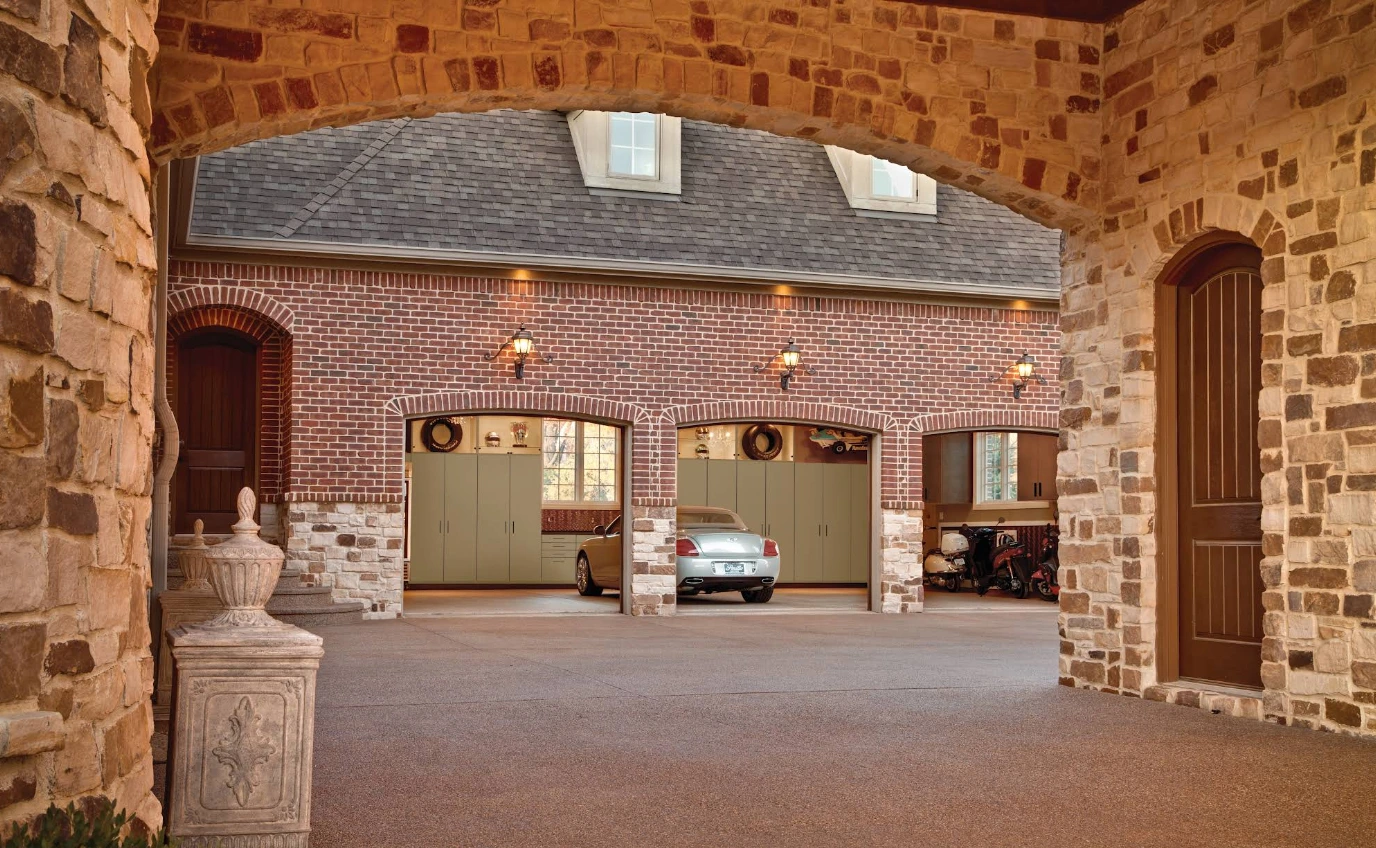
When you're passionate about your vehicles, having the right garage setup makes all the difference. A quality car lift transforms your garage from a simple parking space into a functional workshop or showcase area. Whether you're a car enthusiast looking to work on your own vehicles, a homeowner wanting to maximize garage space, or someone who simply wants easier access to the underside of your car for maintenance, Garage Design Source has the expertise to guide you through selecting and installing the perfect lift system for your needs.
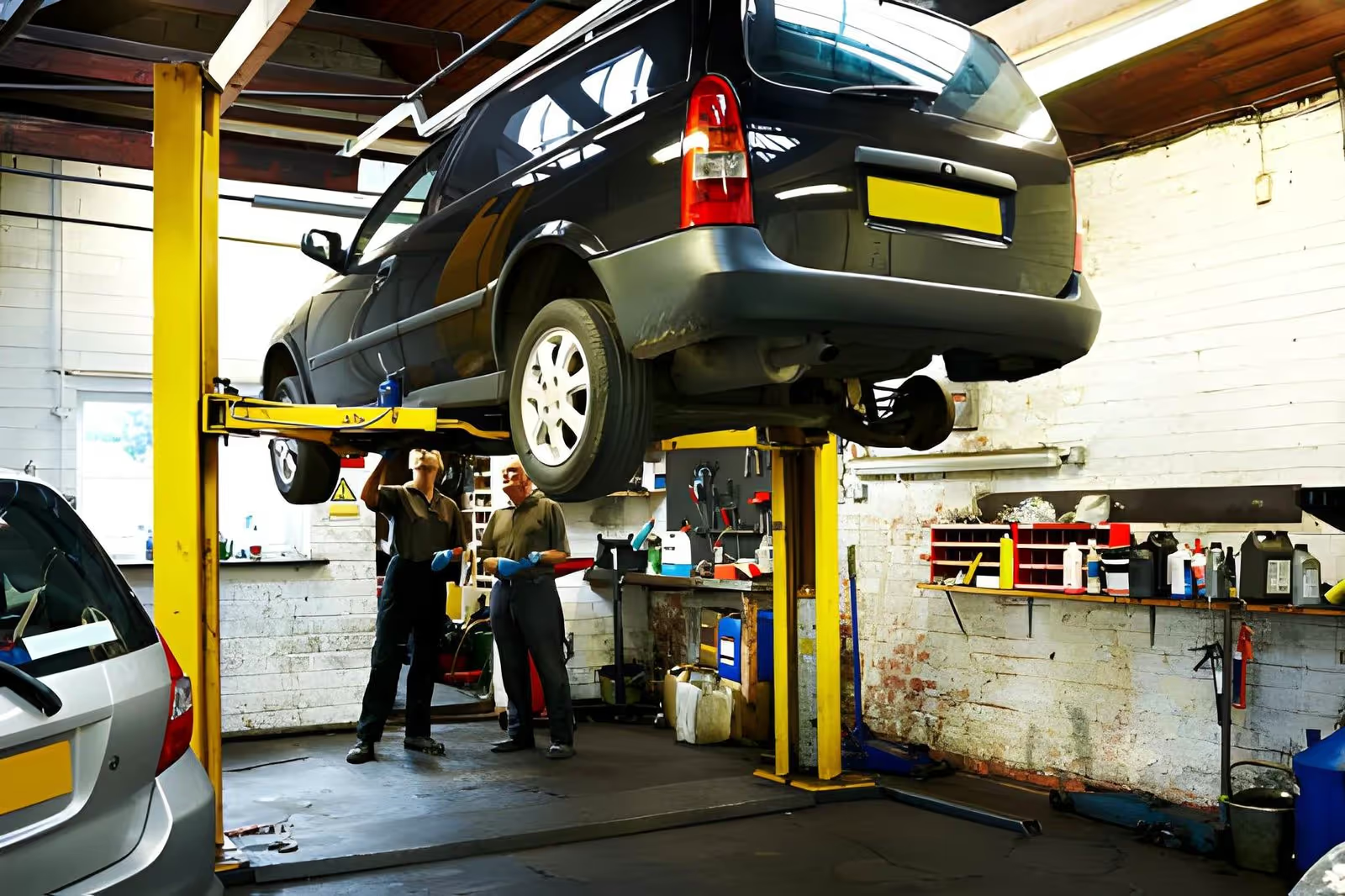
Car Lifts in Middleburg, VA
When you're passionate about your vehicles, having the right garage setup makes all the difference. A quality car lift transforms your garage from a simple parking space into a functional workshop or showcase area. Whether you're a car enthusiast looking to work on your own vehicles, a homeowner wanting to maximize garage space, or someone who simply wants easier access to the underside of your car for maintenance, Garage Design Source has the expertise to guide you through selecting and installing the perfect lift system for your needs.
At Garage Design Source, we've spent years helping Middleburg and Northern Virginia homeowners create garages that work as hard as they do. Our car lift installations go beyond simply placing equipment in your space - we handle every critical detail, from assessing your garage's structural capabilities to ensuring your new lift integrates seamlessly with your existing setup. We understand that your garage is an extension of your home and your lifestyle, and we approach each installation with the same attention to quality and detail that defines all our garage solutions.
Understanding Your Car Lift Options
Before diving into installation specifics, it's important to understand the different types of car lifts available. Each style serves different purposes and has unique space requirements, weight capacities, and operational features.
Two-Post Lifts are the most common choice for residential garages. These lifts use two vertical posts to suspend your vehicle, leaving the area underneath completely open for working. This design is ideal if you want maximum access to the undercarriage of your vehicle. Two-post lifts are generally more compact than their four-post counterparts and work well in garages with moderate ceiling heights. They're popular with car enthusiasts who frequently work on their vehicles because they provide excellent visibility and accessibility.
Four-Post Lifts offer superior stability and are the safer choice if you're storing vehicles long-term rather than actively working underneath them. With four contact points, these lifts distribute weight more evenly and provide a lower center of gravity. Four-post lifts are excellent for garages where you want to park one vehicle on top of another, creating more parking space in a compact footprint. They're also the better option if you're less experienced with lift equipment or have younger family members who might need to access the garage.
Scissor Lifts take up less floor space and offer a low-profile design that works well in garages with limited headroom. These lifts raise vehicles straight up rather than suspending them from posts, making them ideal for compact spaces. Scissor lifts are often chosen by homeowners who want lift functionality without a significant footprint impact.
Portable and Movable Lifts provide flexibility if you're not ready to commit to a permanent installation or if your garage space needs to serve multiple purposes. These options are lighter and can be repositioned as your needs change, though they generally have lower weight capacities than stationary models.
The right choice depends on your garage dimensions, your intended use, and how you want to configure your overall space. Garage Design Source specializes in helping you evaluate these options based on your specific situation.
Assessing Your Garage Space
One of the most critical steps in the car lift installation process is a thorough evaluation of your garage. This assessment determines whether your space can safely accommodate a lift and which models will work best for your layout.
During the site assessment, we evaluate several key factors. Ceiling height is fundamental - different lift types require different amounts of clearance. A two-post lift typically needs at least 10-12 feet of ceiling height, while four-post and scissor lifts may have slightly different requirements depending on their design. We measure your actual ceiling height and account for any obstructions like beams, ductwork, or storage systems you might already have installed.
Floor space and clearance matter equally. We look at your total garage footprint and determine how much space the lift itself will occupy, then ensure there's adequate room around it for vehicle movement, worker access, and proper operation. We also check for any irregularities in your floor - pillars, support posts, or structural elements that might affect lift placement. If you already have a garage flooring system from Garage Design Source, we coordinate the lift placement to work within your existing design.
Floor condition is another essential consideration. The concrete beneath your lift needs to be stable, level, and free of significant cracks or deterioration. If your floor shows signs of damage or unevenness, we'll discuss options for addressing these issues before installation. A quality floor coating from Garage Design Source can actually prepare your floor perfectly for lift installation by creating a smooth, sealed surface that ensures proper weight distribution.
We also assess your garage's electrical infrastructure. Most car lifts require a dedicated electrical circuit with appropriate amperage. We evaluate your current panel capacity and outlet locations to ensure your lift can be powered safely and conveniently. This assessment helps us plan the best routing for electrical work and identify any upgrades your system might need.
Selecting the Right Weight Capacity
Understanding weight capacity is crucial for safe lift operation. Most modern passenger vehicles weigh between 3,000 and 4,500 pounds, but luxury vehicles, SUVs, and trucks can easily exceed 5,000 pounds or more. The capacity you need depends on the vehicles you'll be lifting.
When we work with you to select your lift, we always ask about your current vehicles and any you might own in the future. Many customers choose to size up in capacity to future-proof their investment. A lift rated for 6,000 or 7,000 pounds provides comfortable capacity cushion for most residential needs and allows flexibility if your garage needs change down the road.
It's equally important to understand that weight capacity isn't just about the lift itself - it's about the entire system, including the installation. This is why professional installation matters so much. We ensure that your foundation, electrical system, and all components are rated for your chosen capacity, creating a safe, integrated system rather than just placing a piece of equipment in your garage.
Foundation and Anchoring Requirements
The foundation of your car lift installation is literally foundational to its safety and longevity. This is one area where we never cut corners, because improper anchoring can lead to equipment failure or, worse, safety hazards.
For most two-post and four-post lifts, proper anchoring requires fastening the lift feet directly to your concrete floor using specialized anchors. We begin by ensuring the installation location is absolutely level. If your concrete floor has any slope or unevenness, we use shims or other corrective measures to achieve proper leveling before any fasteners are installed.
We use heavy-duty concrete anchors rated for the specific load capacity of your lift. These aren't standard bolts - they're engineered fasteners designed to withstand both the static weight of your vehicle and the dynamic forces created during lift operation. We follow manufacturer specifications precisely and never deviate from recommended anchor types or torque specifications.
In some cases, particularly with heavier lifts or if your concrete shows any signs of weakness, we may recommend reinforcing the installation area. This might involve adding a concrete pad or base layer to distribute weight more evenly. While this represents additional upfront cost, it ensures your lift remains safe and stable for decades of use.
For scissor lifts and some portable models, the foundation requirements may be less stringent, but we still follow all manufacturer guidelines to ensure safe operation.
Electrical Installation and Safety Features
Most residential car lifts operate on standard 240-volt electrical power, though some lighter-duty models may run on 110 volts. Regardless of the voltage, proper electrical installation is essential for both functionality and safety.
During the electrical planning phase, we assess your home's main electrical panel to determine available capacity and the best location for a dedicated circuit breaker for your lift. We'll typically recommend installing a new 30 or 40-amp circuit dedicated solely to the lift, ensuring it has adequate power without competing with other home electrical systems.
The lift itself will need to be positioned where you can reach the electrical outlet safely and where the power cord won't become a tripping hazard or get pinched or damaged. If the lift location is far from your main electrical panel, we plan the route for running new electrical conduit. This is often coordinated with your garage layout and any storage systems you have installed.
All modern car lifts include safety features that protect both your vehicle and the people working around it. Hydraulic pressure relief systems prevent over-pressurization that could cause equipment failure. Safety locks or backup systems ensure that if hydraulic pressure is lost, your vehicle doesn't suddenly drop. Safety chains on some models provide additional redundancy. Automatic shutoff systems prevent the lift from operating if certain safety conditions aren't met.
We explain all safety features during your installation and walkthrough, and we provide comprehensive training on proper lift operation and safety practices.
Installation Process Overview
The actual installation of your car lift typically happens in stages, each requiring specific attention and expertise.
The first stage involves site preparation and final verification. We confirm measurements one more time, verify that the concrete is properly prepared and clean, and ensure electrical power is ready. We mark the exact locations where anchor fasteners will be installed, using laser levels or other precision tools to ensure absolute accuracy.
The second stage is base assembly and anchoring. If your lift comes in multiple pieces, we carefully assemble the base frame according to manufacturer specifications. We then install the anchor fasteners, applying appropriate torque to each connection point. We use a torque wrench to ensure each fastener is tightened precisely - not too loose, which would compromise safety, and not too tight, which could damage threads or warp components.
The third stage involves vertical assembly and structural connection. Depending on your lift type, this might involve installing and aligning the vertical posts or other structural elements. This requires careful measurement and leveling at every step to ensure the lift operates smoothly and safely.
The fourth stage is hydraulic system installation and testing. We connect hydraulic hoses and fittings, fill the system with the recommended hydraulic fluid, and perform multiple test cycles to ensure everything operates smoothly. We test the lift under load conditions to verify that it raises and lowers evenly without binding or hesitation.
The fifth stage involves electrical connection and safety verification. We install the electrical connection for the lift's motor and control system. We test all electrical functions and safety systems to ensure they operate correctly.
The final stage is training and documentation. We walk you through every function of your new lift, demonstrate proper operation, explain maintenance requirements, and leave you with all documentation, warranty information, and contact details for future service needs.
Garage Layout Integration
A car lift installation should enhance your overall garage functionality, not complicate it. This is why we think carefully about how the lift integrates with your existing space and any other garage systems you have in place.
If you've already invested in a premium garage floor coating from Garage Design Source, we coordinate the lift placement to work within your floor design. We can plan the installation so the lift's footprint complements your floor pattern and doesn't interfere with storage systems or your preferred traffic flow through the garage.
If you have garage cabinetry, workbenches, or storage systems, we evaluate how the lift will coexist with these elements. Sometimes a slight adjustment in lift position can dramatically improve overall functionality and ensure your garage works efficiently for all your needs.
We also consider future flexibility. Many customers eventually add other features to their garage - additional storage, EV chargers, or workstations. We position your lift with an eye toward keeping these future possibilities viable, so your garage can continue to evolve as your needs change.
Maintenance and Long-Term Service
A quality car lift represents a significant investment, and like any mechanical equipment, it benefits from regular maintenance and occasional professional service.
Routine maintenance is straightforward and something you can handle yourself. This includes keeping the lift clean and dry, checking for any loose fasteners or visible wear, and ensuring the control system's batteries (if applicable) remain charged and functional. We provide specific maintenance guidelines during your installation walkthrough.
Professional inspection and service should happen annually or according to manufacturer recommendations. During these service visits, we inspect hydraulic fluid condition and levels, check all fasteners for tightness, verify that safety systems function correctly, and identify any wear patterns that might need attention.
Hydraulic fluid gradually degrades over time, especially if the lift is used frequently. We recommend fluid changes every 2-3 years as a preventive measure. Fresh hydraulic fluid ensures optimal system performance and helps extend the life of hydraulic components.
If you notice any changes in how your lift operates - slower lifting, unusual noises, or jerky movements - we recommend contacting us for service. Addressing small issues early prevents them from developing into larger problems.
Understanding Weight Distribution and Safety
Beyond just having the right capacity, understanding how weight distributes when you lift your vehicle is important for safe operation. Most cars don't have weight evenly distributed front-to-back, and many lift systems account for this through adjustable contact points.
When you place a vehicle on a lift, the contact points - whether they're pads on a two-post lift or the entire platform on a four-post model - need to support the vehicle safely. Professional installation ensures these contact points are positioned correctly based on your vehicle type. For two-post lifts, the proper location is typically on the frame or designated lift points specified in the vehicle's owner manual.
We provide you with clear guidance on proper vehicle positioning each time you use your lift. Many customers mark the correct position on their lift arms or platform so they can consistently position their vehicle the same way, ensuring safe and balanced operation.
Warranty and Support
When Garage Design Source installs your car lift, you're backed by comprehensive warranty coverage. Most lift equipment comes with manufacturer warranties that cover components and workmanship for a specified period - typically 2-5 years depending on the equipment.
We also stand behind our installation work. We warranty the quality of our installation, proper anchoring, electrical connections, and all adjustments we make during the setup process. If any issues arise from our installation, we address them promptly at no additional cost during the warranty period.
Beyond warranty coverage, we're here to support you throughout your ownership of the lift. Whether you have questions about operation, need maintenance service, or want to discuss modifications to your garage setup, we're just a phone call away.
Climate and Environmental Considerations for Middleburg
Middleburg garages face specific environmental challenges that affect lift performance and longevity. Our region experiences significant temperature variations across the seasons, with winters that can dip well below freezing and summers that can become quite warm. These temperature swings can affect hydraulic fluid viscosity and overall equipment performance if not properly accounted for.
We select hydraulic fluid and components rated for the full temperature range our area experiences. We also discuss with you the importance of storing your vehicle in your garage during extreme temperatures, as this protects both your vehicle and your lift equipment from unnecessary stress.
The humidity in Northern Virginia, particularly during spring and fall, can contribute to corrosion if equipment isn't maintained properly. We recommend regular inspection of fasteners and connection points, and we suggest applying protective coatings to any metal surfaces that show signs of exposure.
Proper garage ventilation becomes even more important with a lift installed, as you'll be spending more time in your garage working on vehicles. We can discuss ventilation options and how they integrate with your overall garage environment.
Why Professional Installation Matters
While some equipment can be DIY projects, car lift installation is one area where professional expertise genuinely matters. The difference between proper installation and inadequate installation often isn't visible - but it absolutely matters for safety and long-term reliability.
Professional installation ensures every component is installed according to specifications, every fastener is torqued correctly, and every safety system functions properly. We have the specialized tools, knowledge, and experience to identify potential issues before they become problems. We also handle all the planning - electrical work, structural assessment, and layout optimization - that turns a piece of equipment into a fully integrated garage solution.
If something does go wrong years down the road, the fact that your lift was professionally installed by Garage Design Source means we have complete records of the installation, we can service it with confidence, and we can help troubleshoot issues quickly.
Getting Started With Your Car Lift Installation
The process begins with a conversation about your needs, your garage, and your vision for how you want to use your new lift. We ask questions about your vehicles, your intended use, your budget parameters, and your timeline. We learn about your garage layout and any other projects you're considering.
From there, we schedule a site visit where we conduct the thorough assessment described earlier. We measure, evaluate, and photograph your space. We discuss what we find and present you with specific recommendations and options tailored to your situation.
Once you've decided to move forward, we handle all the details - ordering equipment, scheduling electrical work if needed, coordinating floor preparation, and planning the installation date. We keep you informed throughout the process and explain what to expect during each phase.
On installation day, our team arrives with all necessary equipment and materials. We work efficiently to complete your installation, typically finishing the project in a single day. Before we leave, we walk you through your new lift system, answer all your questions, and ensure you feel confident operating it safely.
Garage Design Source has been serving the Middleburg and Northern Virginia communities since 2003, transforming garages from overlooked storage spaces into functional, attractive extensions of our customers' homes. A car lift installation is often the centerpiece of that transformation - the feature that truly unlocks your garage's potential. When you're ready to take your garage to the next level, we're ready to help.