.svg)
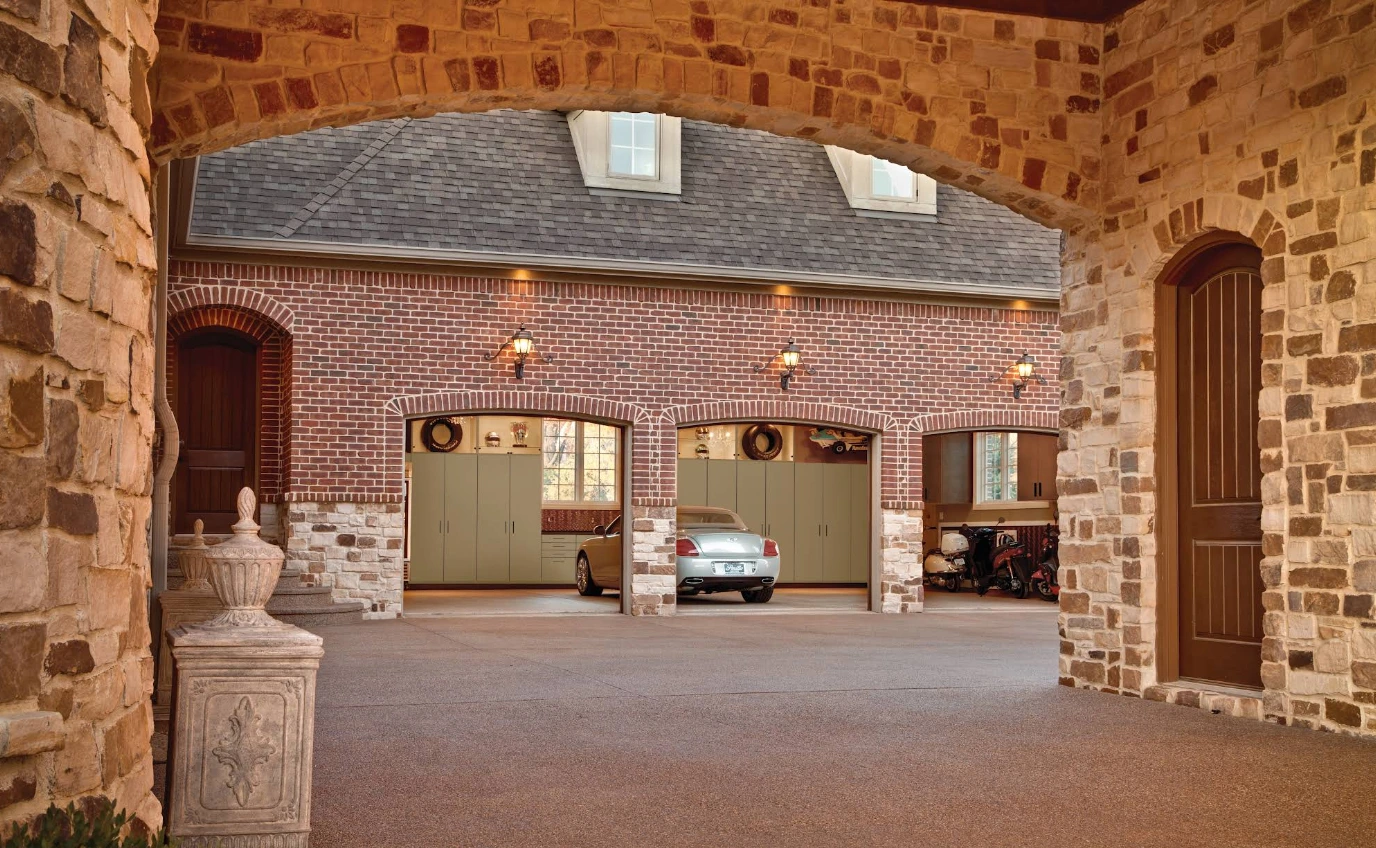
When you're passionate about cars, your garage becomes more than just a parking space - it becomes your workshop, your sanctuary, and a reflection of your commitment to vehicle maintenance and care. Whether you're a DIY enthusiast, a car collector, or someone who simply wants to maximize your garage's functionality, a car lift transforms how you use and enjoy that space. At Garage Design Source, we understand that a quality car lift installation requires more than just equipment; it demands expert planning, precise execution, and a deep understanding of your specific needs.
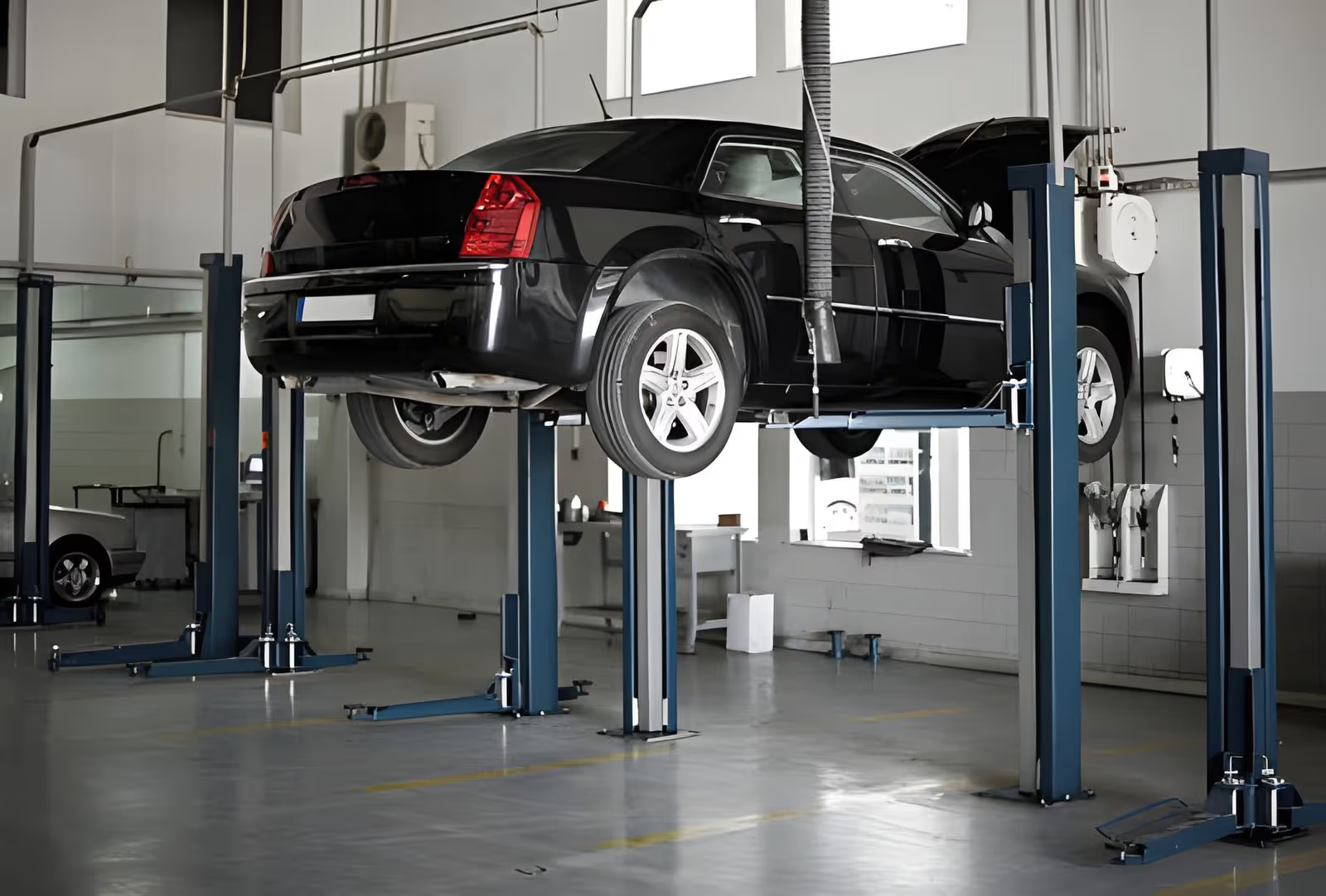
Car Lifts in Purceville, VA
When you're passionate about cars, your garage becomes more than just a parking space - it becomes your workshop, your sanctuary, and a reflection of your commitment to vehicle maintenance and care. Whether you're a DIY enthusiast, a car collector, or someone who simply wants to maximize your garage's functionality, a car lift transforms how you use and enjoy that space. At Garage Design Source, we understand that a quality car lift installation requires more than just equipment; it demands expert planning, precise execution, and a deep understanding of your specific needs.
Car lifts have evolved significantly over the past two decades, offering homeowners and small business owners in Purceville, VA unprecedented access to professional-grade vehicle maintenance capabilities. The right lift system can turn a standard two-car garage into a functional service bay, providing safe access to your vehicle's undercarriage for routine maintenance, repairs, and inspections. Our team at Garage Design Source specializes in helping Purceville residents select, design, and install car lift systems that fit their space, their vehicles, and their long-term goals.
Types of Car Lift Systems Available
The car lift market offers several distinct options, each designed for different garage configurations, vehicle types, and intended uses. Understanding these options is the first step toward making an informed decision about which system will work best for your situation.
Two-Post Lifts represent the most popular choice for residential and commercial garages. These systems feature two hydraulic columns that support your vehicle at designated lift points beneath the frame. Two-post lifts are ideal if you want maximum under-vehicle access for maintenance, tire changes, and brake work. They require moderate floor space and are excellent for single-vehicle lifting. The open design means you can work on all four sides of your vehicle comfortably.
Four-Post Lifts provide a different approach, with four hydraulic support points that lift your vehicle symmetrically. These lifts excel at vehicle storage and long-term parking, as they distribute weight evenly across all four posts. Many Purceville homeowners choose four-post lifts when they want to store one vehicle while maintaining full garage space for workshops, storage, or additional vehicles. Four-post systems tend to have a smaller footprint relative to their lifting capacity, making them suitable for garages with spatial constraints.
Scissor Lifts operate on a hydraulic scissor mechanism, folding up when not in use to minimize floor space consumption. These lifts are ideal for homeowners with limited garage footprint who still want occasional lifting capability. Scissor lifts are particularly popular in Purceville's residential areas where garages may be more compact. They're easier to operate and typically require less maintenance than post-style systems.
Portable and Moveable Lifts offer flexibility for those who want to avoid permanent installation or who rent their homes. These systems can be positioned, used, and then moved or stored away. While they provide convenience, they generally have lower weight capacity than permanently installed systems and are better suited for lighter vehicles or occasional use.
Understanding Your Lift Needs
Before Garage Design Source recommends a specific car lift system for your Purceville home, we conduct a thorough assessment of your requirements. This evaluation process ensures you receive a system that matches your needs perfectly rather than over-investing in unnecessary features or under-purchasing capability.
Vehicle Weight and Specifications form the foundation of this assessment. Different vehicles require different lift capacities. A standard sedan might weigh 3,500 to 4,500 pounds, while SUVs and trucks can range from 5,000 to 8,000 pounds or more. If you own multiple vehicles of varying weights or plan to service different vehicles over time, we'll recommend a lift with adequate capacity for your heaviest vehicle. Luxury vehicles, performance cars, and modern trucks often require professional-grade lifts with higher capacity ratings.
Garage Dimensions and Layout directly influence which lift type will work in your space. The height of your ceiling matters significantly - most two-post lifts require at least 9 feet of ceiling height for full operation, while some vehicles may need 10 to 12 feet for complete undercarriage access. The width and depth of your garage determine whether you can accommodate a two-post, four-post, or scissor lift. Our team at Garage Design Source uses precise measurements to ensure any lift system we recommend will fit comfortably in your Purceville garage without restricting other activities or storage.
Intended Use and Frequency shape the type of lift that makes sense for your situation. Are you planning routine maintenance like oil changes and tire rotations? Do you need comprehensive repair capability? Will you be storing vehicles on the lift for extended periods? Homeowners who lift vehicles occasionally for maintenance typically benefit from two-post systems, while those who want vehicle storage often prefer four-post options. The frequency of use also influences which lift technology and materials will provide the best long-term value.
Future Considerations deserve attention during the planning phase. Are you likely to purchase different vehicles in the future? Might you eventually need to lift heavier equipment or vehicles? Will your garage serve additional purposes as your needs evolve? Building in some capacity for future growth ensures your lift system remains valuable as your circumstances change.
The Car Lift Installation Process
Professional installation of a car lift involves multiple stages, each critical to the system's safety, longevity, and performance. Garage Design Source approaches every installation with meticulous attention to detail, understanding that improper installation can compromise both safety and functionality.
Site Assessment and Planning begins when you contact us about your car lift needs. Our team visits your Purceville property to evaluate your garage space, measure critical dimensions, and assess structural conditions. We examine ceiling height, floor condition, wall integrity, and electrical infrastructure. This on-site evaluation allows us to identify any potential challenges - such as uneven floors, low ceiling clearance, or inadequate electrical service - before design work begins. We discuss your specific requirements, vehicle specifications, and long-term plans to ensure our recommendations align perfectly with your vision.
Foundation and Structural Requirements are paramount for safe lift operation. Most car lifts require a solid concrete foundation to distribute the weight properly and prevent shifting or settling. During this phase, we assess your existing garage floor's condition and determine whether additional reinforcement is needed. If your floor shows signs of weakness, cracking, or settling, we may recommend foundation work before lift installation. For Purceville homes built on standard residential slabs, we typically ensure the concrete is at least 4 inches thick and has adequate strength for the specified lift and vehicle weights. In some cases, we install anchor bolts directly into the concrete, creating permanent mounting points that secure the lift system.
Electrical and Safety Infrastructure must meet current codes and safety standards. Car lifts require dedicated electrical circuits with appropriate amperage to power hydraulic motors, safety lights, and control systems. We coordinate with licensed electricians to ensure all electrical work meets Virginia building codes and safety requirements. Safety features include emergency lowering systems, pressure release valves, and safety locks that prevent unintended descent. Our installations include comprehensive safety briefings so you understand how to operate your lift securely and recognize maintenance needs.
Equipment Installation and Alignment follows once the foundation is prepared and electrical systems are in place. The lift columns or posts are positioned precisely according to manufacturer specifications and your vehicle's lift point locations. Improper alignment creates uneven weight distribution, compromises safety, and reduces the lift's operational lifespan. Our installation team uses laser alignment and precision measurement tools to ensure everything is positioned correctly. We then secure the system, test all hydraulic functions, and verify that safety systems operate properly before considering the installation complete.
Testing and Commissioning represents a crucial final step. Before you use your new lift, we conduct comprehensive testing to verify all functions work correctly. We check lifting and lowering speed, test emergency stop systems, verify pressure relief settings, and ensure all safety features respond properly. We document all test results and provide you with detailed documentation of your lift's specifications, capacity ratings, and safety features.
Weight Capacity and Vehicle Compatibility
Selecting the correct weight capacity is essential for safe and effective lift operation. Many homeowners in Purceville assume their vehicle's curb weight is the relevant measurement, but professionals must consider additional factors.
Curb Weight vs. Gross Vehicle Weight Rating represents an important distinction. Curb weight is what your vehicle weighs when empty. However, when you account for passengers, cargo, fuel, and equipment, the actual weight during lifting may be significantly higher. We always recommend selecting a lift with capacity that exceeds your vehicle's Gross Vehicle Weight Rating - the maximum safe operating weight specified by the manufacturer.
Capacity Ratings and Safety Margins should be understood in their proper context. When a lift is rated for 10,000 pounds, that represents the maximum load the hydraulic system can safely lift. Industry best practices recommend never using a lift at its absolute maximum capacity; instead, maintain a safety margin by selecting a lift rated for approximately 25 to 50 percent more than your heaviest vehicle's maximum weight. This safety margin protects the lift's longevity and ensures consistent, reliable operation throughout its lifespan.
Multi-Vehicle Considerations apply if you own several vehicles of different sizes. If you sometimes lift a lightweight sports car and other times lift a heavy truck, select a lift rated for your heaviest vehicle. The lift will perform safely with lighter vehicles, but always verify that the lift point locations on lighter vehicles align with the lift's design specifications.
Garage Layout and Clearance Considerations
Your garage's physical dimensions determine not just whether a lift will fit, but how functional your workspace becomes once it's installed.
Ceiling Height Requirements vary by lift type and vehicle. Most two-post lifts require a minimum of 9 feet of clear ceiling height, though many vehicles need 10 to 12 feet for complete undercarriage access without obstruction. Four-post lifts typically require less height since the vehicle rests lower on the posts. We measure your ceiling height at the lift location and verify adequate clearance for your specific vehicle before recommending any system.
Floor Space Allocation deserves careful consideration. Two-post lifts with a typical footprint of approximately 8 feet by 9 feet consume meaningful floor area, particularly in residential garages. If you need to maintain workshop space, storage areas, or access lanes, we discuss how lift placement influences your overall garage functionality. Four-post lifts sometimes provide a more compact footprint for certain configurations, while scissor lifts offer minimal floor space consumption when not in use.
Traffic Flow and Accessibility matter once your lift is installed. You'll need safe, unobstructed pathways around the lift for accessing your vehicle, tools, and other garage areas. We plan lift placement to minimize disruption to existing garage activities while ensuring you have adequate working space around your vehicle once it's elevated.
Wall and Obstruction Clearance must be verified, particularly for two-post lifts. These systems require clear space around the lift arms and vehicle, so wall-mounted storage, shelving, or other fixtures may need to be relocated. We assess your existing garage storage and help plan modifications that maintain functionality while accommodating your new lift.
Anchoring and Installation Foundation
The foundation upon which your lift sits determines its stability, safety, and long-term performance. Garage Design Source treats foundation preparation with the seriousness it deserves.
Concrete Assessment begins with evaluating your existing garage floor. We inspect for cracks, uneven areas, moisture issues, or signs of settling. If your floor shows significant damage, moisture, or weakness, we may recommend repair or reinforcement before lift installation. Purceville's soil composition and local weather patterns can sometimes affect concrete slabs over time, particularly in older homes, so we account for regional factors when assessing foundation condition.
Anchor Point Installation creates the secure connection between your lift and the concrete foundation. For most residential installations, we drill holes into the concrete and install anchor bolts at precisely measured locations corresponding to your lift's mounting points. These bolts are typically 1 to 1.5 inches in diameter and penetrate 12 to 18 inches into the concrete, providing robust anchorage that prevents any shifting or movement. The bolts are torqued to manufacturer specifications, ensuring consistent tension and safe operation.
Load Distribution is engineered to spread the vehicle's weight across the foundation in a manner that prevents concrete stress or failure. Different lift types distribute loads differently - two-post lifts concentrate weight at two points, while four-post lifts distribute across four points. We verify that your garage floor can safely handle the concentrated loads created by your specific lift system. For residential slabs that may not be specifically engineered for concentrated heavy loads, we sometimes recommend additional reinforcement or load distribution plates.
Vibration and Movement Control becomes relevant for frequently used lifts. We ensure your lift is secured in a manner that prevents excessive vibration or movement during operation. Properly anchored systems operate smoothly and quietly, without the disturbing shaking or noise that indicates inadequate fastening.
Electrical and Safety Features
A professional car lift installation includes comprehensive electrical and safety systems that protect both you and your vehicle.
Dedicated Electrical Circuits must be installed according to Virginia electrical codes. Most car lifts require 220-volt, 30-40 amp dedicated circuits. We coordinate with licensed electricians to ensure your electrical service has adequate capacity and that new circuits are properly installed, grounded, and protected. A dedicated circuit prevents power fluctuations caused by other household devices from affecting lift operation and reduces the risk of electrical hazards.
Safety Locks and Redundant Systems ensure your vehicle cannot descend unexpectedly. Modern lift systems include mechanical safety locks that engage when the lift reaches maximum height, preventing descent even if hydraulic pressure is lost. Emergency manual lowering systems allow you to lower your vehicle safely if electrical power is lost. We verify all safety systems function properly before considering installation complete.
Pressure Relief Valves protect hydraulic systems from overpressurization. These valves automatically release excess hydraulic pressure, preventing system damage and potential safety hazards. We check and document pressure relief settings to ensure they're calibrated according to your lift's specifications.
Emergency Stop Controls should be easily accessible and clearly labeled. Most professional lifts include both a main control system and an emergency stop button that immediately halts all lift operation. We install these controls at appropriate heights and locations for safe, intuitive operation.
Operational Lighting helps you work safely beneath your elevated vehicle. We recommend or install adequate lighting in the work area beneath the lift, ensuring you have sufficient illumination for maintenance tasks and inspections.
Maintenance and Service Plans
Regular maintenance preserves your lift's safety, reliability, and longevity. Garage Design Source provides guidance on maintenance requirements and recommends service schedules tailored to your usage.
Hydraulic System Maintenance forms the core of lift maintenance. Hydraulic fluid gradually degrades through use, temperature cycling, and exposure to air. We recommend periodic fluid analysis and replacement according to manufacturer guidelines - typically every two to three years for residential lifts, or sooner if the lift experiences heavy use. Regular fluid maintenance prevents seal degradation, keeps hydraulic pressure consistent, and extends the life of expensive hydraulic components.
Visual Inspection and Safety Checks should occur regularly, ideally before each lift session. You should visually inspect the lift columns, arms, and hydraulic hoses for signs of leaking fluid, corrosion, or damage. We provide a maintenance checklist so you can perform these visual inspections and know when to contact us for professional service.
Lubrication and Moving Parts require periodic attention. Lift pivot points, hinges, and moving joints benefit from appropriate lubrication, which we apply during service visits. Proper lubrication reduces friction, prevents wear, and maintains smooth operation.
Professional Service Intervals are important for comprehensive maintenance. We recommend professional inspections every 12 to 24 months, depending on usage frequency and lift type. During professional service, we perform hydraulic analysis, inspect all structural components, test safety systems, calibrate pressure relief valves, and address any wear or damage we discover.
Seasonal Considerations for Purceville Homes are worth noting. The Northern Virginia climate includes temperature variations and humidity that can affect hydraulic systems and metal components. We recommend professional inspections in spring before heavy summer use and again in fall to ensure your lift operates reliably year-round.
Warranty Information and Documentation
Every car lift installation from Garage Design Source includes comprehensive warranty coverage and detailed documentation.
Manufacturer Warranties typically cover the lift equipment itself. Most quality lift systems come with three to five-year warranties covering hydraulic components, structural integrity, and electrical systems. We provide you with complete warranty documentation and explain what's covered and what falls outside warranty protection.
Installation Warranty protects the work performed by Garage Design Source. We stand behind our installation, ensuring all anchoring, electrical work, and assembly meet professional standards. This warranty typically covers one year from installation, protecting against defects in our workmanship.
Extended Service Plans are available for homeowners who want long-term peace of mind. These plans provide annual or bi-annual professional maintenance, including hydraulic fluid analysis, component inspection, and necessary repairs or adjustments. Extended plans often include priority service if problems arise and can provide significant savings compared to paying for individual service visits.
Documentation Package accompanies every installation. You receive the lift's specification sheet with capacity ratings and safety information, installation records showing exactly where the lift is anchored and at what settings, warranty documentation from both the manufacturer and Garage Design Source, and maintenance records documenting all service performed. We also provide a detailed operator's manual explaining safe lift operation and basic troubleshooting.
Choosing Garage Design Source for Your Lift Installation
Garage Design Source has served Purceville and the broader Northern Virginia community for nearly two decades, building a reputation through specialized expertise in garage systems and transformations. When you choose us for your car lift installation, you're selecting a team that understands both the technical requirements and the personal investment you're making in your garage space.
Our approach combines careful site assessment, precise installation workmanship, and ongoing support. We don't simply deliver equipment and leave; we ensure your lift is properly installed, safely configured, and integrated into your garage in a way that enhances your space and supports your automotive goals. Whether you're a weekend DIY enthusiast, a car collector, or someone who simply wants better access to vehicle maintenance, we help you select and install a system that works perfectly for your situation.
The car lift you choose becomes part of your home's infrastructure, potentially serving your needs for 15 to 25 years or more. That longevity justifies investing in proper installation, quality equipment, and professional guidance from someone who understands your local environment and your specific needs. Garage Design Source is committed to providing exactly that level of expertise and service to every customer in Purceville and throughout the Northern Virginia region.