.svg)
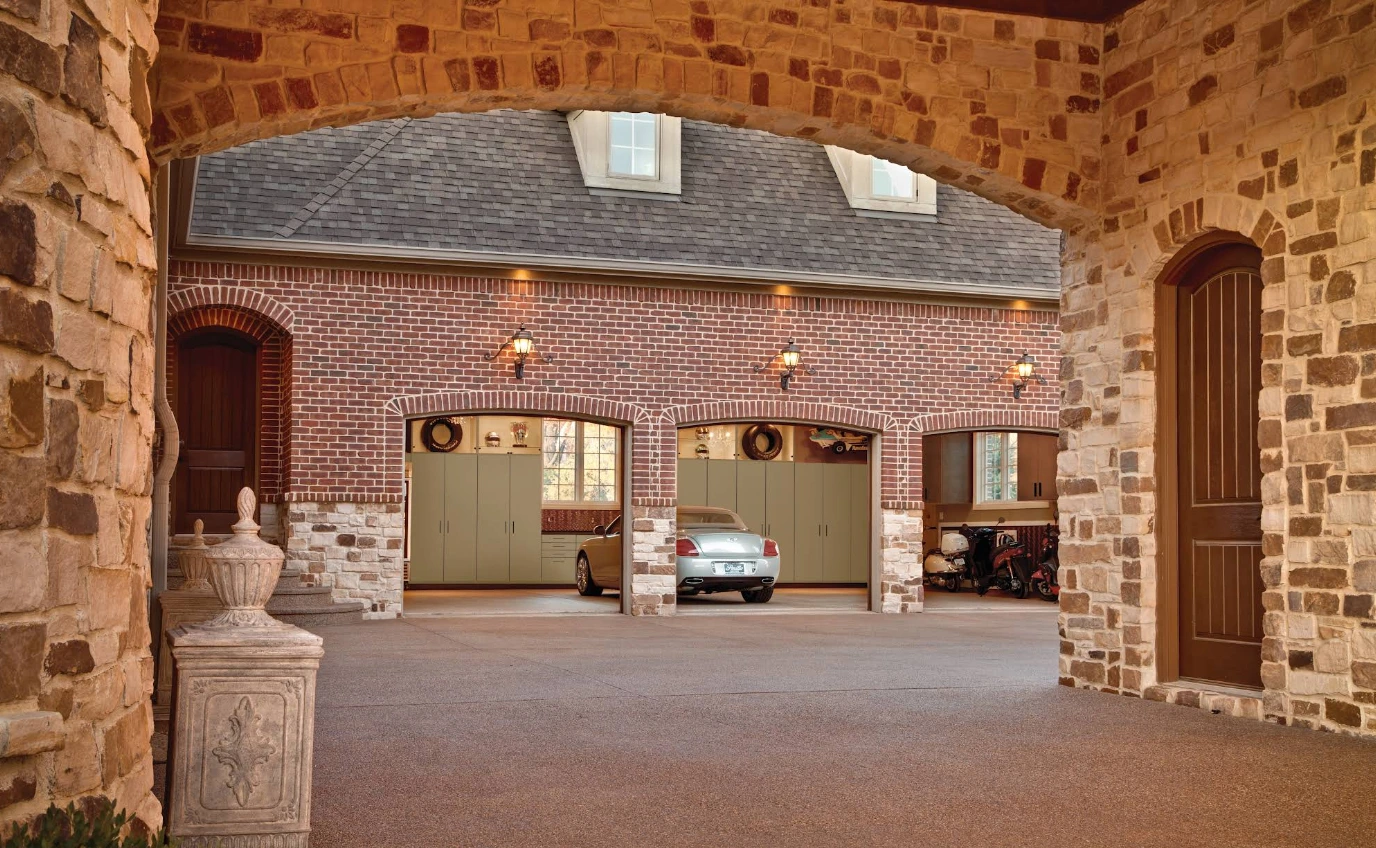
Installing a car lift transforms your garage from a simple parking space into a functional, organized automotive workspace. Whether you're a car enthusiast looking to maximize storage, a homeowner seeking easier vehicle maintenance, or someone wanting to reclaim valuable floor space, a professional car lift installation is one of the most impactful upgrades you can make. Garage Design Source specializes in helping Vienna, VA homeowners select, install, and maintain car lift systems that combine safety, durability, and practical functionality.
Car Lifts in Vienna, VA
Installing a car lift transforms your garage from a simple parking space into a functional, organized automotive workspace. Whether you're a car enthusiast looking to maximize storage, a homeowner seeking easier vehicle maintenance, or someone wanting to reclaim valuable floor space, a professional car lift installation is one of the most impactful upgrades you can make. Garage Design Source specializes in helping Vienna, VA homeowners select, install, and maintain car lift systems that combine safety, durability, and practical functionality.
A quality car lift isn't just about convenience - it's about creating a space that works as hard as you do. Many homeowners underestimate how much a lift can improve their garage experience, from enabling hands-on maintenance to providing secure, organized vehicle storage. The key to a successful installation lies in proper planning, precise site assessment, and selecting the right lift system for your specific needs and garage layout.
Understanding Car Lift Systems and Your Options
Car lifts come in several distinct types, each designed for different applications and garage configurations. Understanding the differences helps you make an informed decision about what works best for your Vienna home.
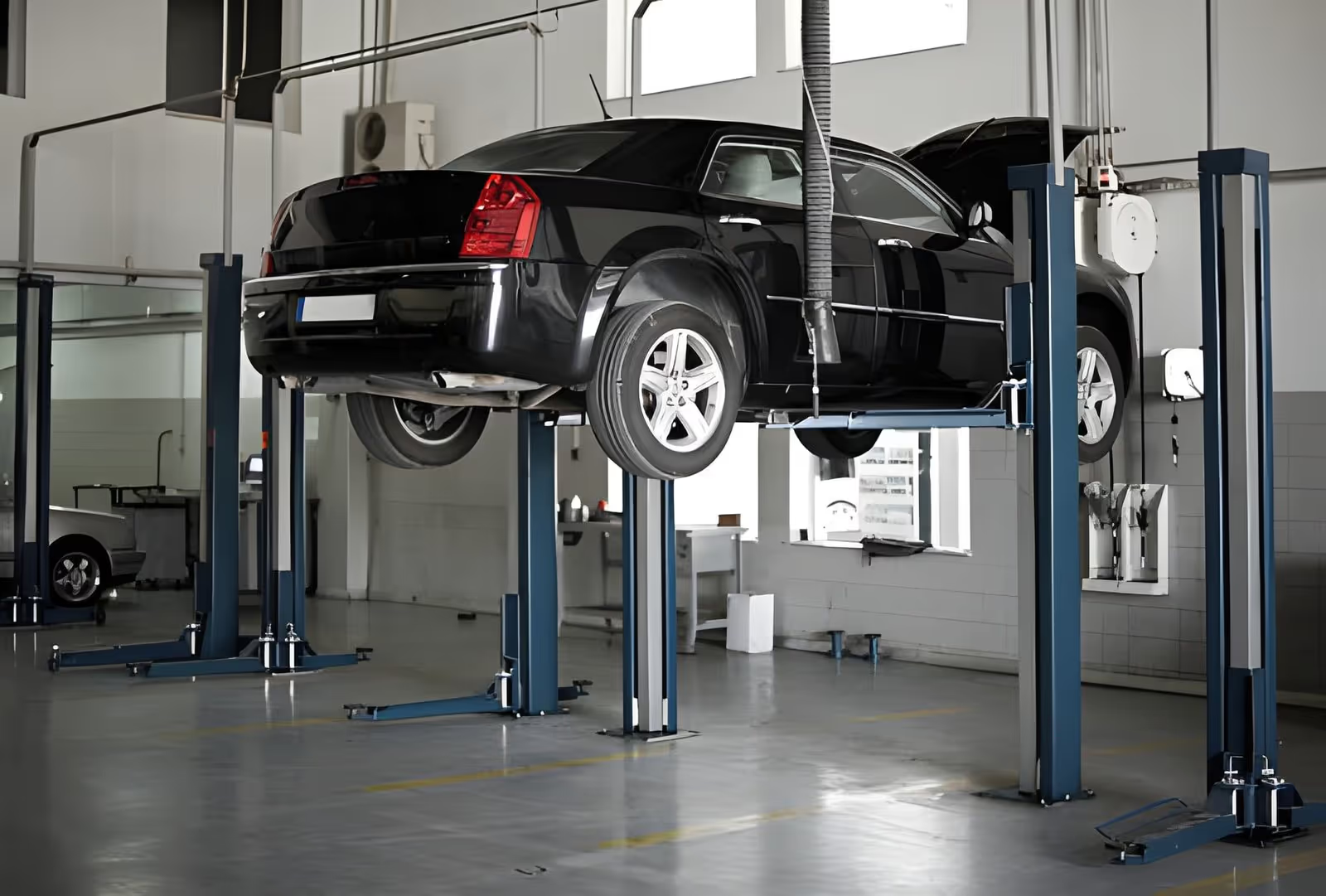
Two-Post Lifts are the most popular choice for residential garages. These systems feature two vertical posts that support the vehicle at designated lift points, typically near the wheel wells or frame. Two-post lifts require minimal floor space relative to the workspace they create, making them ideal for standard-sized residential garages. They offer excellent visibility for maintenance work and maximize usable floor area when the vehicle is raised.
Four-Post Lifts provide additional stability and are often preferred by homeowners with multiple vehicles or those planning frequent maintenance work. These lifts use four contact points rather than two, distributing weight more evenly across the vehicle's frame. Four-post lifts are particularly popular among car enthusiasts who work on their vehicles regularly, as they provide a safer, more stable platform for extended work sessions.
Scissor Lifts operate differently from post-based systems, using a hydraulic platform that extends upward in an X-shaped pattern. These lifts take up more floor space but offer maximum ground clearance underneath the vehicle, making them excellent for work requiring access to the entire undercarriage. Scissor lifts are also preferred by some homeowners who want a cleaner aesthetic when the lift is in its lowered position.
Portable and Movable Lifts offer flexibility for homeowners who want to rearrange their garage layout or work with less permanent installations. While convenient for some applications, these typically come with weight capacity limitations compared to permanently installed systems.
Each lift type serves different purposes and works with different garage dimensions. Garage Design Source helps Vienna homeowners evaluate their specific needs, driving habits, and maintenance plans to recommend the system that provides the best long-term value.
Assessing Your Garage for Car Lift Installation
Before any installation begins, a thorough site assessment is essential. This process determines whether your garage is suitable for a car lift, identifies potential challenges, and ensures the final installation will be safe and functional for years to come.
Measuring Your Space is the first critical step. Your garage needs sufficient height clearance - typically a minimum of 10-12 feet for most two-post lifts, though specific requirements depend on the lift model and the height of your vehicle. Length and width must accommodate both the lift footprint and safe working space on all sides. A cramped installation limits your ability to work effectively and can create safety hazards.
Ceiling Height Considerations often surprise homeowners during the assessment phase. Many Vienna garages have ductwork, electrical conduits, or truss systems that reduce usable ceiling height. Our team identifies these obstacles and either works around them or discusses alternatives, such as repositioning systems or selecting lower-profile lift models.
Floor Condition and Structural Integrity form the foundation of a safe installation - quite literally. Your concrete floor must be in good condition and capable of supporting the concentrated weight that a car lift creates. Cracked, settling, or severely deteriorated floors may require reinforcement or repair before installation. Garage Design Source assesses floor thickness, composition, and any signs of water damage or instability that could compromise lift performance over time.
Clearance Requirements Around the Lift ensure you can safely operate it and work on your vehicle. You'll need adequate space on each side for doors and panels to open fully, as well as room to walk around the lifted vehicle. The assessment also considers how the lift position will affect garage door operation, storage placement, and overall workflow.
Electrical Access is another crucial consideration. Most car lifts require dedicated electrical circuits with appropriate voltage and amperage. Older Vienna homes may have electrical systems that need upgrading to support a modern lift safely. Our assessment identifies electrical requirements early, allowing you to plan any necessary upgrades with a licensed electrician.
Foundation and Anchoring - The Critical Foundation
Proper foundation and anchoring are non-negotiable for safe, long-term car lift performance. This is where professional installation makes the biggest difference in the lifespan and reliability of your system.
Concrete Floor Requirements vary based on lift type and vehicle weight capacity. Most residential car lifts require concrete at least 4-6 inches thick for adequate strength. The concrete must also be structurally sound throughout the anchor point areas. If your garage floor shows significant cracking, settling, or water intrusion, those issues must be addressed before lift installation. Garage Design Source evaluates the entire floor area where the lift will be installed and recommends necessary prep work.
Anchor Point Installation is where engineering precision matters most. For post-based lifts, anchor points are typically embedded in the concrete at specific intervals and depths to distribute forces safely. For scissor lifts and other models, anchor points must align precisely with the lift's engineering specifications. Improper anchor installation compromises safety and voids manufacturer warranties.
The Anchoring Process involves drilling into concrete, installing expansion anchors or concrete inserts, and torquing fasteners to exact specifications. This work requires expertise and the right equipment - it's not a DIY project. Our installation team has extensive experience with Vienna garage concrete conditions and understands regional variations that can affect anchoring performance.
Post-Installation Verification ensures every anchor point is secure and properly installed. We test the anchoring system before your vehicle ever touches the lift, confirming that weight distribution is correct and all fasteners are properly secured. This verification protects both your vehicle and your family.
Weight Capacity Selection and Vehicle Compatibility
Selecting the correct weight capacity ensures your lift handles your vehicle safely throughout its lifespan, even as vehicle technology evolves.
Understanding Vehicle Weight is more complex than simply knowing your car's curb weight. Many modern vehicles, particularly SUVs and trucks, often weigh more than their window stickers indicate once you add passengers, cargo, and equipment. Electric vehicles (increasingly common in Vienna and the surrounding D.C. metro area) often weigh more than their combustion engine equivalents due to battery systems.
Capacity Ratings and Safety Factors on quality car lifts typically include a built-in safety factor of 1.5 to 2 times the stated capacity. This means a 7,000-pound capacity lift can actually handle significantly more weight under proper conditions, providing a safety margin for unexpected loads or heavier future vehicles. Don't choose a lift with just enough capacity for your current vehicle - plan for realistic future needs.
Multi-Vehicle Households often need lifts with higher capacity ratings since you may eventually work on a heavier vehicle than what you own today. If you have multiple vehicles ranging from compact cars to large trucks, selecting a capacity that accommodates the heaviest vehicle ensures the lift remains suitable long-term.
Hybrid and Electric Vehicle Considerations deserve special attention for Vienna homeowners planning ahead. EVs are becoming increasingly common, and many models are heavier than traditional vehicles of similar size. Selecting a lift with adequate capacity for potential future EV ownership provides flexibility as your household needs evolve.
Garage Design Source helps you select capacity ratings based on your current vehicles, anticipated future needs, and realistic usage patterns. We ensure the lift system you choose will serve your garage reliably for many years.
Garage Layout and Operational Clearance
The best car lift is only as good as the space surrounding it. Proper layout planning ensures your lift enhances your garage rather than creating functional limitations.
Positioning the Lift within your garage layout requires balancing several factors. The lift should be positioned to minimize interference with garage doors, storage systems, and other garage elements. In Vienna homes with attached garages, positioning also considers whether the lift will interfere with entry doors, windows, or HVAC systems serving the garage area.
Vehicle Door Clearance is essential for practical use. When a vehicle is lifted with its doors open, those doors extend into the surrounding space. The lift position must allow door handles to clear nearby walls, stored items, or cabinetry. Garage Design Source evaluates door swing patterns and recommends positioning that maintains access and usability.
Workflow Optimization considers how you'll actually use the space. If you're planning a complete garage transformation with flooring, storage, and cabinetry alongside your lift installation, the layout must coordinate all these elements for an organized, functional result. Our team considers how the lift works with your overall garage vision.
Emergency Access and Safety requires clear pathways around the lift at all times. You need unobstructed access for operating the lift controls, approaching the vehicle from multiple angles, and quickly exiting the workspace if needed. Poor layout can create safety hazards and limit your ability to work effectively.
Overhead Clearance Above the Lift must be verified for the entire height of lift operation. Some garage layouts have ceiling elements that seem far enough away until the lift is raised. Our assessment includes full-height verification at all lift positions to eliminate surprises after installation.
Electrical Requirements and Safety Features
Modern car lifts incorporate sophisticated electrical systems and safety features that require proper installation and ongoing maintenance.
Circuit Requirements for car lifts vary based on lift type and power demands. Most residential lifts require 220-240 volt circuits with dedicated breakers. Some larger systems or multiple-lift installations may need additional electrical infrastructure. If your garage electrical panel is already at capacity or your home's main service is insufficient, you may need upgrades from a licensed electrician before lift installation.
Safety Valve Systems prevent uncontrolled descent if hydraulic pressure is lost. These valves are fundamental to lift safety, holding the vehicle secure even during electrical failures or hose ruptures. Professional installation ensures safety valves are correctly installed, tested, and maintained throughout the lift's lifespan.
Control Station Placement should position the control panel where the operator has clear sightlines of the entire lift operation. This typically means mounting the control near the lift where you can see the vehicle rising or lowering without obstructions. Some homeowners prefer wireless remote controls that offer flexible positioning options.
Emergency Manual Operation is a critical safety feature on quality car lifts. If power is lost or the electrical system fails, a manual release allows you to lower the vehicle safely. Our team ensures you understand how to operate this emergency system and verify it functions correctly.
Overload Protection and Sensor Systems on modern lifts prevent operation if weight exceeds the lift's capacity. These systems add a layer of protection, though they don't replace careful weight capacity consideration during the planning phase. Regular testing of these systems ensures they continue functioning reliably.
Installation Process and Timeline
Understanding the installation process helps you prepare and know what to expect as your garage transformation proceeds.
Pre-Installation Preparation typically begins one to two weeks before the scheduled installation date. Any concrete repairs are completed, electrical upgrades are finished, and your garage is cleared of obstacles. We verify that all necessary clearances exist and all site conditions match our assessment.
Foundation and Anchoring Work often takes one to two days, depending on your garage layout and foundation conditions. This phase involves precise drilling, anchor installation, and verification testing. It's the most critical phase for long-term safety and performance.
Lift Assembly and Installation follows once anchoring is complete. Most two-post and four-post lifts can be installed in one to two days by our experienced team. Scissor lifts and specialized systems may require additional time. The process includes careful equipment positioning, connection of hydraulic systems, electrical work, and full operational testing.
Electrical Integration and Testing happens throughout the final installation phase. We verify all electrical connections, test safety systems, and confirm that the lift operates smoothly through its full range of motion. Control systems are calibrated and verified to ensure precise, safe operation.
Final Inspection and Walkthrough before you take ownership of the lift ensures everything meets our quality standards and your expectations. We demonstrate operation, explain maintenance requirements, and answer any questions about using and caring for your new system.
Complete project timelines typically range from one to two weeks from initial assessment to full operational status, though factors like concrete repairs or electrical upgrades can extend this timeline. Garage Design Source manages the entire process, coordinating with electrical contractors and other trades as needed to keep everything on schedule.
Weight Distribution and Load Factors
Understanding how weight distributes on a car lift helps you use it correctly and appreciate why proper installation is crucial.
Weight Distribution Points on your vehicle depend on the lift type. Two-post lifts typically contact the vehicle at two points near the frame or wheel wells, concentrating the vehicle's weight at these specific locations. Four-post lifts distribute weight across four points, which can be beneficial for vehicles with longer wheelbases or when working on the vehicle for extended periods.
Frame vs. Structural Points matter significantly for vehicle safety. Car lifts must contact your vehicle at engineered structural points capable of supporting the concentrated force created by lifting. Using an improper contact point can damage your vehicle's frame or body panels. Quality lift systems include adjustable adapters to properly contact various vehicle designs.
Vehicle-Specific Adaptation sometimes requires custom adapters for unique vehicles. Exotic cars, vintage vehicles, or heavily modified cars may need specialized contact points. Garage Design Source can often source or fabricate appropriate adapters, though this should be discussed during your initial consultation.
Load Stability During Operation depends on proper weight distribution and gradual, smooth lifting. The lift should raise smoothly without tilting or shifting. If you notice jerking, uneven lifting, or unusual sounds, stop operation immediately and call for service. These signs indicate potential issues that need professional attention.
Recommended Maintenance and Service Plans
Regular maintenance ensures your car lift remains safe, reliable, and performs optimally for decades.
Hydraulic System Maintenance is the most critical ongoing requirement. Hydraulic fluid should be inspected regularly and changed according to the manufacturer's schedule, typically every 1-2 years for regular use. Contaminated or degraded fluid reduces performance and can damage internal components.
Safety Valve Inspection should occur at least annually. These critical safety components deserve regular professional attention to ensure they function correctly when needed. Many lift failures trace back to safety systems that weren't properly maintained.
Structural and Mechanical Inspection includes checking anchor points for any sign of movement or deterioration, verifying that all bolts and fasteners remain tight, and confirming that moving parts operate smoothly without binding or unusual sounds. This inspection should happen annually, or more frequently if you use the lift regularly.
Electrical System Checks verify that all connections remain secure, control systems function correctly, and safety interlocks operate as designed. Corroded connections or failed sensors can compromise lift safety and performance.
Professional Service Plans through Garage Design Source provide scheduled maintenance that keeps your lift in peak condition. Many homeowners choose annual or bi-annual service plans that include hydraulic checks, safety system verification, and mechanical inspection. These plans provide peace of mind and often identify small issues before they become expensive problems.
DIY Maintenance between professional services includes keeping the lift clean and free of debris, checking for any visible leaks or unusual conditions, and noting any changes in operation. Document any issues and report them during your next professional service visit.
Warranty Coverage and Protection
Understanding warranty coverage helps you evaluate your protection and plan for long-term ownership.
Manufacturer Warranties on car lifts typically cover structural components, hydraulic systems, and safety features for a specified period, often 2-5 years depending on the manufacturer and lift model. These warranties protect against defects in materials and workmanship under normal operating conditions.
Installation Warranties through Garage Design Source cover our work, including proper anchor installation, electrical connections, and system setup. We stand behind our installations and address any issues related to our workmanship within the warranty period.
Hydraulic System Warranties often extend longer than structural warranties since hydraulic components are designed for long-term durability. Quality hydraulic systems can operate reliably for 10-15 years or more with proper maintenance.
Coverage Limitations typically exclude damage from misuse, accidents, lack of maintenance, or normal wear items like hydraulic fluid or seals. Understanding what's covered and what isn't helps you make informed decisions about purchasing extended protection plans if available.
Extended Service Plans available through Garage Design Source provide additional protection beyond manufacturer warranties, covering maintenance, repairs, and potential component replacements. These plans offer budgeting certainty and ensure your lift receives professional care throughout its life.
Safety Features and Best Practices
Safe car lift operation requires understanding built-in safety features and following proper procedures every time you use the lift.
Safety Valve Systems automatically hold the vehicle securely if hydraulic pressure drops. Never rely solely on these systems - always use safety stands when working underneath a lifted vehicle. Safety stands provide a secondary protection layer in case of hydraulic failure, protecting both your vehicle and your safety.
Control Panel Safety Interlocks prevent accidental operation, such as the lift raising or lowering unexpectedly. Verify that all safeties function correctly before each use. If you notice any unusual behavior or delayed response, stop using the lift and contact for service.
Proper Lift Point Contact ensures the vehicle is supported safely and won't slip or shift during operation. Never attempt to lift a vehicle using incorrect contact points. If you're unsure about proper lift points for your specific vehicle, consult the lift documentation or contact us for guidance.
Regular Equipment Inspection before each use catches potential issues early. Look for any visible leaks, check that controls operate smoothly, and listen for unusual sounds during operation. Trust your instincts - if something seems off, it probably is.
User Training and Familiarity means understanding exactly how your lift operates before putting your vehicle on it. If multiple family members will use the lift, ensure everyone receives proper training and understands all safety requirements. Never allow children to operate the lift unsupervised.
Compatibility with Garage Flooring and Storage Systems
Car lifts integrate with your overall garage design when coordinated properly with flooring and storage solutions.
Epoxy and Polyaspartic Flooring around lift installations require special attention during planning. The anchor points and electrical conduits for the lift must be coordinated with your flooring application. Garage Design Source manages this coordination, ensuring your floor coating looks seamless around the lift installation and provides excellent durability in high-traffic areas.
Storage and Cabinetry Placement must account for the lift's footprint and operational needs. Wall-mounted cabinetry, shelving, and storage systems can surround the lift without interfering with operation or clearance. Our team helps you design storage layouts that work harmoniously with your lift installation.
Workbench and Tool Organization around the lift creates an efficient workspace for maintenance projects. Many homeowners add workbenches, pegboard tool storage, and specialized shelving near the lift to create a complete automotive workspace.
Complete Garage Transformations combining flooring, storage, doors, and lifts create integrated spaces that are both functional and visually impressive. Garage Design Source specializes in coordinating all these elements to create cohesive garage environments that enhance your home's functionality and appeal.
Local Considerations for Vienna, VA Installation
Vienna's climate and local conditions influence car lift installation planning and long-term performance.
Humidity and Moisture Management in the D.C. metro region can affect concrete conditions and lift performance. Vienna's humid climate and seasonal moisture fluctuations require attention to proper drainage around the lift installation. Our assessment includes recommendations for moisture control that protect both your concrete and the lift system.
Seasonal Temperature Variations affect hydraulic fluid viscosity and performance. Vienna experiences significant temperature swings between winter and summer, which can influence lift operation. Selecting hydraulic systems rated for full seasonal temperature ranges ensures reliable performance year-round.
Concrete Conditions in Vienna Area Homes often reflect regional soil composition and drainage characteristics. Our experience with Vienna properties helps us anticipate potential concrete issues and recommend appropriate preparation and maintenance strategies.
Local Building Codes and Permits for Vienna require that lift installations comply with current electrical, structural, and safety standards. Garage Design Source handles any necessary permitting and ensures all work meets local code requirements, protecting both your safety and your property value.
Choosing the Right Lift for Your Needs
Selecting your car lift involves honestly assessing your priorities and aligning them with available options.
Consider Your Primary Use - do you need the lift primarily for vehicle storage, hands-on maintenance, or both? Storage-focused users may prioritize access and ease of operation, while maintenance enthusiasts need stability and comfortable working height.
Evaluate Your Vehicle Portfolio - what vehicles do you currently own or anticipate owning? Select capacity that comfortably handles your heaviest vehicle, including passengers and cargo. Plan for future vehicle changes when making your selection.
Assess Your Garage Layout - not every lift type works in every garage. Your space's height, length, width, floor condition, and electrical service influence what's possible. Be honest about constraints rather than trying to force an unsuitable system into a limited space.
Plan Your Budget Appropriately - quality car lifts represent a significant investment, but the capability and reliability they provide justify proper budgeting. Consider not just purchase and installation, but also long-term maintenance and potential electrical upgrades.
Think About Your Future - are you planning other garage improvements simultaneously? Will you remain in this home for years, or are you potentially selling soon? Long-term residents benefit more from comprehensive garage transformations that add value and functionality.
Installation Quality and Professional Expertise
Professional installation makes the critical difference between a lift that provides years of reliable service and one that develops problems or fails prematurely.
Experienced Installation Teams understand the nuances of proper lift installation that go beyond following basic instructions. Garage Design Source's team brings extensive experience with Vienna-area garages, local concrete conditions, electrical systems, and the specific challenges of residential installations.
Precision and Attention to Detail in anchor installation, electrical connections, and system testing ensure everything functions correctly from day one. We verify every component and test all safety systems before considering the installation complete.
Coordination with Other Trades - if your installation requires electrical upgrades, concrete repair, or other specialized work, we coordinate these activities to keep your project on schedule and ensure all components work together seamlessly.
Warranty and Accountability - our installation warranty backs our work, and we stand behind every installation. If issues arise related to our installation quality, we address them promptly and professionally.
Post-Installation Support means you're not on your own after installation is complete. We provide clear guidance on operation, maintenance requirements, and when to schedule professional service. Any questions or concerns can be addressed by our experienced team.
Garage Design Source brings over two decades of specialized garage improvement expertise to every car lift installation. We understand that your garage is an important part of your home and your lifestyle. A properly installed car lift transforms your space into a functional, organized area where you can work on your vehicles, store them securely, and maintain everything that matters to you.
Whether you're a car enthusiast planning your dream automotive workspace, a homeowner seeking to reclaim and organize your garage, or someone looking for secure, efficient vehicle storage, Garage Design Source helps you select and install the perfect car lift system for your Vienna home. Our comprehensive approach to site assessment, professional installation, and long-term support ensures your lift will serve your needs reliably for years to come.