.svg)
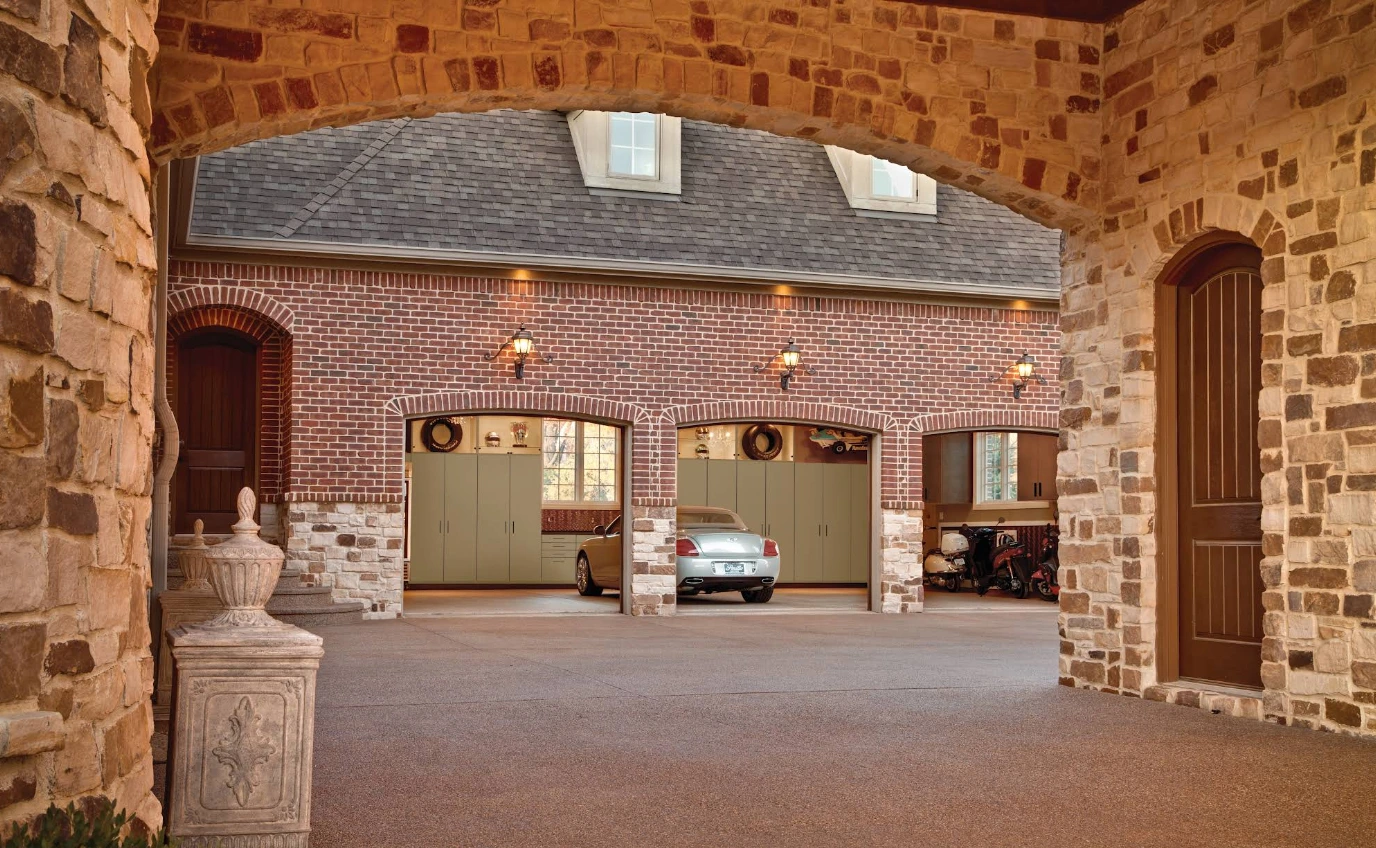
Your garage deserves more than flickering overhead lights and dark corners. Whether you're working on a weekend project, organizing tools, or showcasing a prized vehicle collection, proper lighting transforms how you use your garage space. LED lighting upgrades deliver the brightness and reliability you need while cutting energy costs and creating a professional, inviting environment that reflects the quality improvements you've made to your garage.
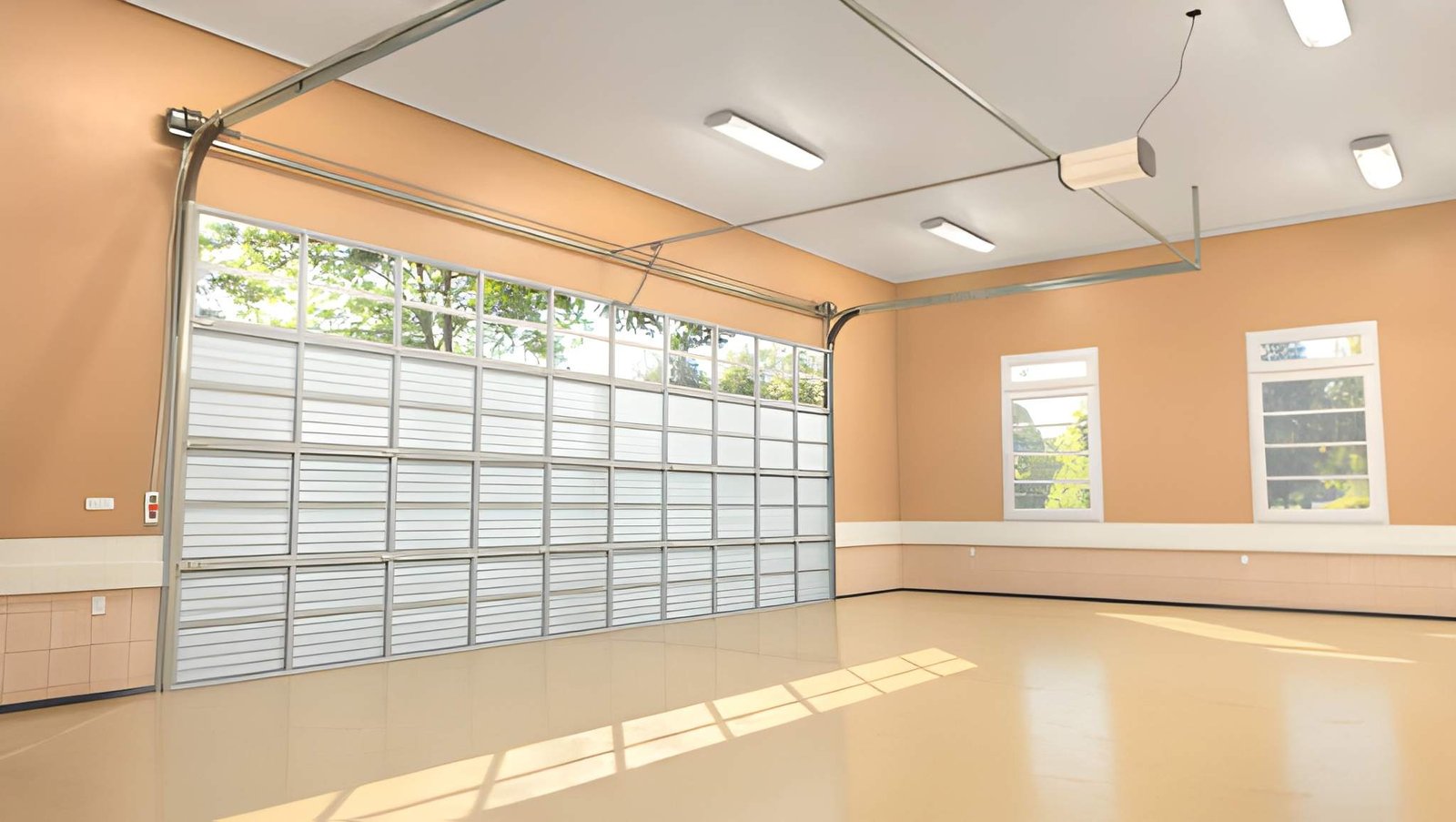
LED Lighting Upgrades in Arlington, VA
Your garage deserves more than flickering overhead lights and dark corners. Whether you're working on a weekend project, organizing tools, or showcasing a prized vehicle collection, proper lighting transforms how you use your garage space. LED lighting upgrades deliver the brightness and reliability you need while cutting energy costs and creating a professional, inviting environment that reflects the quality improvements you've made to your garage.
Garage Design Source specializes in complete garage transformations, and lighting is a critical component often overlooked. When you pair quality LED fixtures with strategic layout planning and smart controls, your garage becomes a fully functional space that's safer, more efficient, and genuinely enjoyable to spend time in. This guide explores everything homeowners in Arlington, VA need to know about upgrading to LED lighting, from choosing the right fixtures to understanding the installation process and long-term savings.
Why LED Lighting Matters in Your Garage
Your garage demands lighting that works as hard as you do. Unlike standard incandescent or older fluorescent fixtures, LED technology delivers consistent, bright light without the heat, flickering, or frequent replacement cycles. For Arlington homeowners, this means year-round reliability in a space that experiences temperature swings, humidity, and heavy use.
LED fixtures produce the same light output as traditional options while consuming 75-80% less energy. This efficiency translates directly to lower electricity bills, making LED upgrades one of the most cost-effective home improvements available. Beyond energy savings, LEDs last 25,000 to 50,000 hours or more - roughly 10 to 20 years of typical garage use - compared to 1,000 hours for incandescent bulbs. That's fewer replacements, less hassle, and more consistent performance.
In a space where you might be working with power tools, storing valuable items, or spending time on hobbies, proper lighting also enhances safety. Better visibility reduces the risk of accidents, makes it easier to spot hazards, and creates an overall more pleasant environment. When you've invested in garage flooring, storage systems, or cabinetry through Garage Design Source, quality LED lighting completes the transformation by showcasing your work and making the space genuinely functional.
Common Garage Lighting Challenges
Most garages suffer from the same lighting problems, and Arlington homeowners are no exception. Understanding these issues helps you see why a strategic LED upgrade makes such a difference.
Inadequate brightness in work areas is the most common complaint. A single overhead fixture might provide general illumination, but it creates shadows over workbenches and leaves corners dim. When you're working on detailed tasks - whether that's vehicle maintenance, woodworking, or hobby projects - insufficient light leads to eye strain and mistakes.
Dark corners and dead zones occur because traditional lighting layouts don't account for how garages are actually used. Storage areas, corners near doors, and spaces under shelving often remain shadowy, making it difficult to find items or work safely in those zones.
Inconsistent light quality plagues older garage lighting systems. Fluorescent tubes flicker or take time to reach full brightness. Incandescent bulbs dim as they age. In a garage where you need reliable, consistent light for both fine work and general tasks, this variability is frustrating.
High energy consumption from older fixtures adds unnecessary cost to your electric bill, especially if your garage lights run frequently or stay on for extended periods during projects.
Heat generation from incandescent and some fluorescent fixtures makes garages warmer, which is particularly uncomfortable in Arlington summers when your garage may already be warm from sun exposure.
Maintenance burden of constantly replacing burned-out bulbs in hard-to-reach fixtures wastes time and money. In a busy household, this becomes just another frustrating chore.
LED upgrades address each of these issues while providing a foundation for smart controls that add convenience and further reduce energy use.
Types of LED Fixtures for Garage Spaces
Selecting the right LED fixtures depends on your garage layout, how you use the space, and your lighting goals. Garage Design Source works with homeowners to choose fixtures that deliver both functional performance and the aesthetic that matches their garage design.
LED Shop Lights are the workhorses of garage lighting. These are typically long rectangular fixtures that mount to the ceiling, delivering bright, focused light over large areas. Shop lights are ideal for general garage illumination and work well directly over workbenches, storage areas, and vehicle parking spots. They're available in various lengths - commonly 2-foot, 4-foot, and 8-foot options - and provide excellent light distribution with minimal shadows. Many modern LED shop lights are dimmable and can be connected to smart controls, giving you flexibility in how you use your space.
LED Strip Lights offer a more flexible approach to garage lighting. These thin, linear fixtures can be installed under cabinets, along walls, or around shelving to provide accent or task lighting. Strip lights are particularly useful for highlighting storage systems or illuminating shelving where items might otherwise be hidden in shadow. They're also easier to install in spaces where traditional fixtures would be awkward or unattractive.
Recessed LED Can Lights provide a cleaner, more integrated look when installed in drop ceilings or when you're willing to modify your existing ceiling. These fixtures sit flush with the ceiling surface and deliver focused downward light. They're often used in combination with shop lights to create layered lighting that offers both general and task illumination.
Motion-Sensor LED Fixtures combine energy efficiency with convenience. These fixtures include built-in sensors that detect movement and activate the light, then automatically turn off after a period of inactivity. They're particularly useful for garage entry points, storage areas, or side entrances where lights don't need to be on constantly. Motion sensors reduce energy consumption significantly because lights only run when the space is actually in use.
LED Pendant or Ceiling Fixtures work well in garages with finished ceilings or in spaces where you want a more polished appearance. These are often used in combination with shop lights to provide ambient lighting while shop lights handle task illumination over work areas.
The right combination of these fixture types, tailored to your garage layout and activities, creates a lighting system that's both efficient and perfectly suited to how you actually use your space.
Photometric Planning and Layout Strategy
Professional LED lighting design isn't just about installing fixtures - it's about strategic placement that ensures every area of your garage receives appropriate light. This process is called photometric planning, and it's the difference between adequate lighting and truly effective lighting.
The first step is identifying activity zones in your garage. Most garages have several distinct areas: vehicle parking areas, workbenches, storage zones, and circulation paths. Each zone has different lighting requirements. A vehicle parking spot needs general illumination so you can see the entire vehicle. A workbench requires brighter, more focused task lighting so you can see details clearly. Storage areas benefit from supplemental lighting so items are visible on shelves. Circulation paths need enough light for safe movement but don't require the intensity of work areas.
General illumination typically requires 50 foot-candles of light in parking and circulation areas. This is the baseline brightness that allows you to see the overall space and move safely. Task lighting over workbenches should provide 100-150 foot-candles, roughly double the general illumination, so you can see details clearly without eye strain. Accent lighting in storage areas might be 30-50 foot-candles, enough to identify items without creating glare.
Strategic fixture placement minimizes shadows and dark corners. Rather than relying on a single centralized fixture, distributed lighting - with fixtures positioned to cover different areas - prevents the harsh shadows and dim zones common in traditionally lit garages. In Arlington homes where garage layouts vary widely, from narrow single-car garages to large multi-bay spaces, this customized approach ensures every homeowner gets appropriate lighting for their specific situation.
Ceiling height affects fixture selection and placement. Garages with standard 8-foot ceilings need different fixture choices than those with higher ceilings. Lower ceilings might benefit more from strip lighting and motion sensors, while higher ceilings can accommodate shop lights and can lights more effectively.
When you work with Garage Design Source on a lighting upgrade, this planning process ensures your new LED system is optimized for both function and efficiency rather than simply replacing old fixtures with new ones in the same location.
Motion Sensors and Smart Controls
Beyond selecting efficient fixtures, incorporating controls that adjust lighting to actual usage patterns provides additional energy savings and convenience. Motion sensors are the most straightforward smart control option for garages.
Occupancy sensors detect movement in a space and automatically turn lights on when someone enters and off after a set period of inactivity - typically 5 to 15 minutes depending on your settings. This is particularly effective for garages where lights don't need to be on constantly. If your garage is a occasional-use space or a utility area, motion sensors can reduce lighting energy consumption by 20-40% compared to always-on systems.
Dimmable LED fixtures allow you to adjust brightness based on the task and time of day. You might run lights at full brightness when working on detailed tasks but at 50% brightness for general garage use or nighttime access. This flexibility extends bulb life and reduces energy consumption without requiring specialized sensors.
Three-way switches in larger garages let you control different zones independently. For example, you might have switches at the main entry, near a workbench, and at a back exit, each controlling specific fixtures or zones. This gives you flexibility in how you light the space without needing to turn on all fixtures for every task.
Smart home integration connects LED fixtures to home automation systems, allowing remote control and scheduling. You could set lights to come on automatically when the garage door opens, turn off when everyone leaves, or brighten gradually for safety when you arrive home at night. While not essential, smart controls appeal to tech-forward homeowners and can provide convenience and additional energy savings.
The specific controls you choose depend on your garage usage patterns, your comfort with technology, and your priorities. For most Arlington homeowners, a combination of strategic fixture placement, motion sensors in utility areas, and dimmable lights in work zones delivers the optimal balance of functionality, efficiency, and convenience.
Professional Installation and Wiring Safety
LED lighting upgrades may seem straightforward, but professional installation ensures safety, proper performance, and longevity of your system. Wiring and electrical work require appropriate expertise and must comply with local electrical codes.
Electrical assessment is the first step. An electrician evaluates your existing garage electrical system, determines available amperage capacity, identifies convenient junction points for new fixtures, and checks whether current wiring can safely handle the upgraded lighting load. This assessment prevents overloading circuits and identifies whether any electrical upgrades are needed before installing new fixtures.
Circuit planning ensures fixtures are distributed appropriately across circuits. This prevents any single circuit from being overloaded and allows independent control of different lighting zones. It also means that if one circuit trips, you still have light in other areas of the garage.
Safe wiring practices during installation protect against shock hazards, fire risks, and equipment damage. Professional installation includes proper grounding, secure wire connections, and appropriate wire gauges for the circuit load. These details aren't visible once installation is complete, but they're critical to safety and long-term performance.
Fixture mounting must be secure and appropriate for your ceiling type. Drywall ceilings, drop ceilings, and exposed joists all require different mounting approaches. Proper installation ensures fixtures remain secure through vibration from power tools, temperature changes, and normal garage activity.
Code compliance is essential. Garages have specific electrical code requirements, particularly regarding circuit protection and the types of outlets and fixtures allowed in certain areas. Professional installation ensures your lighting upgrade meets all applicable Virginia electrical codes and local Arlington requirements.
Testing and adjustment after installation verifies that all fixtures operate properly, switches function as expected, sensors are calibrated correctly, and the overall lighting system performs as designed. This includes checking for any flickering, ensuring brightness is consistent across fixtures, and confirming that motion sensors activate and deactivate appropriately.
While DIY installation of simple fixture replacements might be tempting, professional installation for a complete LED upgrade ensures your investment performs safely and reliably for years to come.
Energy Savings and Payback Analysis
One of the most compelling reasons to upgrade to LED lighting is the financial return through reduced energy consumption. Understanding these savings helps you see the LED upgrade as an investment that pays for itself.
Energy consumption comparison shows the dramatic difference between lighting technologies. A typical garage with five 4-foot fluorescent shop lights consuming 40 watts each uses 200 watts total. Replacing those with LED shop lights using 20 watts each reduces consumption to 100 watts - a 50% reduction. Over a year with an average of 4 hours daily use, fluorescent fixtures consume about 290 kilowatt-hours annually, while LED fixtures use about 145 kilowatt-hours. At Arlington's typical residential electricity rate of roughly $0.12 per kilowatt-hour, that's an annual savings of approximately $17 just from those fixtures.
Total garage lighting savings depend on your specific installation. Many garages use 300-500 watts of total lighting power with traditional fixtures. Converting to LED typically reduces this to 100-200 watts. For a garage that runs lights 4-5 hours daily, this translates to annual energy savings of $40-$80 or more, depending on your specific situation and electricity rates.
Payback period for LED upgrades is typically 3-5 years. An LED shop light fixture costs roughly $40-$80 compared to $15-$25 for a comparable fluorescent fixture. The additional upfront cost is offset by reduced energy consumption and the dramatically longer lifespan - LED bulbs last 10-20 years versus 2-3 years for fluorescent tubes. When you factor in reduced replacement costs and labor for changing bulbs, LEDs are more economical over their lifetime.
Long-term savings extend beyond the initial payback period. Once an LED fixture has paid for itself through energy savings, you continue saving energy costs for the remainder of its 10-20 year lifespan. A $100 investment in quality LED shop lighting can deliver $200-$300 in total energy savings over the fixture's life, plus elimination of the hassle and expense of frequent bulb replacements.
Maintenance cost reduction is an underrated benefit. Changing fluorescent tubes and incandescent bulbs is tedious and adds up over years of garage use. High-quality LED fixtures that last 10-20 years virtually eliminate this maintenance task, freeing your time and budget for other projects.
For Arlington homeowners who have already invested in quality garage flooring, storage systems, or other upgrades through Garage Design Source, an LED lighting upgrade represents a smart financial decision that complements those investments while delivering measurable ongoing savings.
Available Rebates and Incentives
Several rebate and incentive programs can reduce the upfront cost of LED lighting upgrades in Virginia, making the financial case even stronger.
Virginia energy rebates through utility companies sometimes offer incentives for efficient lighting improvements. These rebates vary by year and by specific utility provider, but they can offset 10-30% of fixture costs. Dominion Energy, which serves much of the Arlington area, occasionally offers rebates for LED fixture installations in residential garages and outbuildings.
Federal tax credits for energy-efficient home improvements may apply to qualifying LED lighting upgrades. These credits vary based on current legislation, but homeowners should check whether their installation qualifies for any available federal incentives when they file taxes.
ENERGY STAR certification indicates fixtures that meet efficiency standards set by the U.S. Environmental Protection Agency. Many ENERGY STAR certified LED fixtures qualify for enhanced rebates or incentives compared to non-certified options.
Time-based incentives sometimes apply to specific promotion periods. Utility companies occasionally increase rebate amounts during certain seasons to encourage energy-efficient upgrades.
It's worth checking with your local utility provider and consulting with your electrician or lighting professional about available incentives before purchasing fixtures. These programs change annually, and staying informed helps you maximize your financial benefit.
Maintenance and Long-Term Care
LED fixtures require minimal maintenance compared to traditional lighting, but understanding proper care ensures they perform optimally for their full lifespan.
Dust and debris removal is the primary maintenance task. Over months and years, dust accumulates on fixture surfaces and can slightly reduce light output. Wiping down fixtures with a dry cloth every few months keeps them clean and maintains brightness. In dusty garage environments or workshops, more frequent cleaning might be beneficial.
Connection inspection occasionally ensures wiring remains secure and connections haven't loosened. This is particularly important in garages where tools or equipment vibration might cause movement. A quick visual inspection when cleaning fixtures catches any obvious issues before they become problems.
Temperature management affects LED longevity. While LEDs generate far less heat than traditional fixtures, they do include electronic components that prefer moderate temperatures. Garages with extreme summer heat or uninsulated spaces might benefit from ensuring adequate air circulation around fixtures, though this is rarely a significant issue in residential garages.
Motion sensor maintenance for fixtures with occupancy sensors involves occasionally cleaning the sensor lens so it functions properly. A clean lens ensures the sensor detects movement accurately and doesn't cause false activations or missed detections.
Bulb replacement for LED fixtures with replaceable bulbs should follow manufacturer specifications. Use compatible LED bulbs rated for the fixture to maintain performance and safety. Integrated LED fixtures where the bulb is permanently installed don't require this consideration.
Warranty registration with manufacturers ensures you can access support if issues arise and may extend coverage beyond the standard warranty period. Most quality LED fixtures carry warranties of 5-10 years, providing significant protection for your investment.
The straightforward maintenance requirements of LED systems make them appealing for homeowners who want reliable lighting without ongoing hassle. Compared to the regular bulb replacements required by traditional fixtures, LEDs are genuinely low-maintenance.
Complementing Your Garage Design
A lighting upgrade is most effective when it complements the overall design of your garage. If you've worked with Garage Design Source on flooring, storage systems, or other improvements, quality LED lighting ties everything together and showcases your investment.
Aesthetic coordination means choosing fixture styles that match your garage's overall look. A modern, minimalist garage suits sleek recessed or contemporary shop light designs. A more traditional or rustic garage might look best with fixtures that have classic lines or warmer color temperature LEDs. The lighting system should feel like a natural part of your garage's design, not an afterthought.
Color temperature selection affects the mood and functionality of your space. Warm white LEDs (around 2700K) create a cozy, inviting atmosphere and work well in finished garage spaces or lounges. Neutral white (4000K) provides a balanced, professional look ideal for workshops and general-purpose garages. Cool white or daylight (5000-6500K) delivers the brightest, most natural-looking light and is best for detailed work, though some find it harsh in residential spaces. Many homeowners choose a blend - cool white task lighting over workbenches and neutral or warm white general illumination.
Fixture finish coordination with other garage elements creates visual harmony. Chrome or stainless steel fixtures complement modern storage systems and epoxy flooring with metallic flecks. Matte black or bronze fixtures work well in traditional or transitional garage designs. Painted fixtures can be color-matched to storage cabinetry or other design elements.
Layout integration with existing storage, workbenches, and vehicle parking ensures lighting doesn't feel random or disconnected from how you actually use the space. Strategic placement that illuminates storage areas, highlights design features, and provides excellent task lighting makes the lighting system feel intentional and well-designed.
When your LED lighting upgrade is coordinated with your garage's overall design, the space feels cohesive and professionally finished rather than like a collection of separate improvements.
Understanding LED Technology and Quality Differences
Not all LED fixtures are equal. Understanding quality differences helps you make informed choices that deliver reliable performance.
Chip quality significantly affects LED brightness and longevity. Fixtures using premium LED chips from established manufacturers like Cree or Philips provide consistent performance and reliable lifespan ratings. Budget fixtures using low-grade chips may appear to work initially but often dim faster or fail prematurely.
Heat dissipation is critical for long LED life. Even though LEDs generate less heat than traditional bulbs, they still produce some heat that must be managed. Quality fixtures include appropriate heat sinks and design that allows heat to dissipate safely. Poor heat management causes premature LED failure and shortened lifespan.
Power supply and driver quality determines whether an LED fixture maintains stable brightness and operates safely. Substandard power supplies cause flickering, premature failure, or even fire hazards. Quality fixtures use robust power supplies designed to handle electrical fluctuations and last as long as the LED chips themselves.
Color rendering index (CRI) measures how accurately a light source shows colors. Standard LED fixtures typically offer CRI of 70-80, which is adequate for general garage use. Higher-quality fixtures offer CRI of 90-95, which is particularly valuable if your garage is a hobby space or workshop where color accuracy matters.
Brightness consistency across the fixture's lifespan separates quality fixtures from cheaper alternatives. Premium LED fixtures maintain 90% of initial brightness after 25,000 hours. Budget fixtures may drop to 70% brightness or less, making the space increasingly dim over time.
Warranty coverage reflects manufacturer confidence in their product. Quality manufacturers back their fixtures with 5-10 year warranties. Very short warranties often indicate lower quality or reliability concerns.
When Garage Design Source works with homeowners on lighting upgrades, specifying quality fixtures ensures your investment delivers reliable performance and longevity that justifies the upfront cost.
Preparing for Your LED Lighting Upgrade
Taking the right steps before your installation begins ensures the project goes smoothly and results meet your expectations.
Assess your current system by noting the type and number of fixtures you have, their wattage, how often they're used, and specific areas where lighting is inadequate. Take photos of your garage with existing lighting so you can reference current shadows, dark areas, and usage patterns when planning your upgrade.
Identify your priorities for the new system. Are you primarily concerned with energy savings, better task lighting, convenience features like motion sensors, or aesthetic improvement? Your priorities guide fixture selection and help professionals recommend the best options for your situation.
Document your garage layout including dimensions, ceiling height, locations of workbenches or permanent storage, electrical panel location, and existing light switch locations. This information helps electricians plan efficient wiring and fixture placement.
Determine your budget for the upgrade. LED lighting costs vary widely depending on fixture quality, the number of fixtures, control systems, and installation complexity. Knowing your budget helps professionals recommend options that meet your financial constraints without compromising on quality.
Schedule your installation at a time convenient for your household. The installation typically takes 4-8 hours depending on the number of fixtures and the complexity of your garage's electrical system. You'll want to plan to be away from the garage during installation or at least accept that the space will be disrupted during work.
Prepare your garage for installation by moving tools, equipment, or stored items that might be in the way. This prevents damage to your belongings and allows electricians to work safely and efficiently.
Ask questions about warranty coverage, how controls function, maintenance requirements, and energy savings projections. A professional contractor should be happy to explain everything clearly and help you understand what to expect from your new system.
The Value of Professional Lighting Design
While it's possible to simply replace old fixtures with new LED equivalents, professional lighting design goes further by optimizing your entire garage lighting system for efficiency, functionality, and aesthetics.
A professional lighting design process begins with understanding your specific garage, your usage patterns, and your goals. Rather than assuming a standard layout works for everyone, professionals ask questions: What do you actually do in your garage? Where do you spend the most time? What tasks require the brightest light? Are you working with your hands on detailed projects, or is the garage primarily storage and parking? What's your aesthetic preference? These questions lead to a tailored design rather than a generic solution.
Professional designs account for factors that homeowners often overlook. Ceiling height, wall color, and reflectance affect how light distributes. The location of workbenches and storage relative to existing electrical infrastructure influences the most efficient fixture placement. Local building codes and electrical standards must be followed for safety and legality. A professional considers all these factors and delivers a system that's more effective than homeowner-designed alternatives.
The result is a lighting system that looks professional, performs perfectly for your actual needs, provides genuine energy savings, and stands out as a quality improvement to your home. When combined with other garage upgrades - like the epoxy flooring, storage systems, and garage doors that Garage Design Source specializes in - professional LED lighting completes a truly transformed space.
For Arlington homeowners ready to upgrade their garage lighting to efficient, reliable LED technology that enhances both function and appearance, working with professionals ensures the best possible results and ongoing satisfaction with your investment.