.svg)
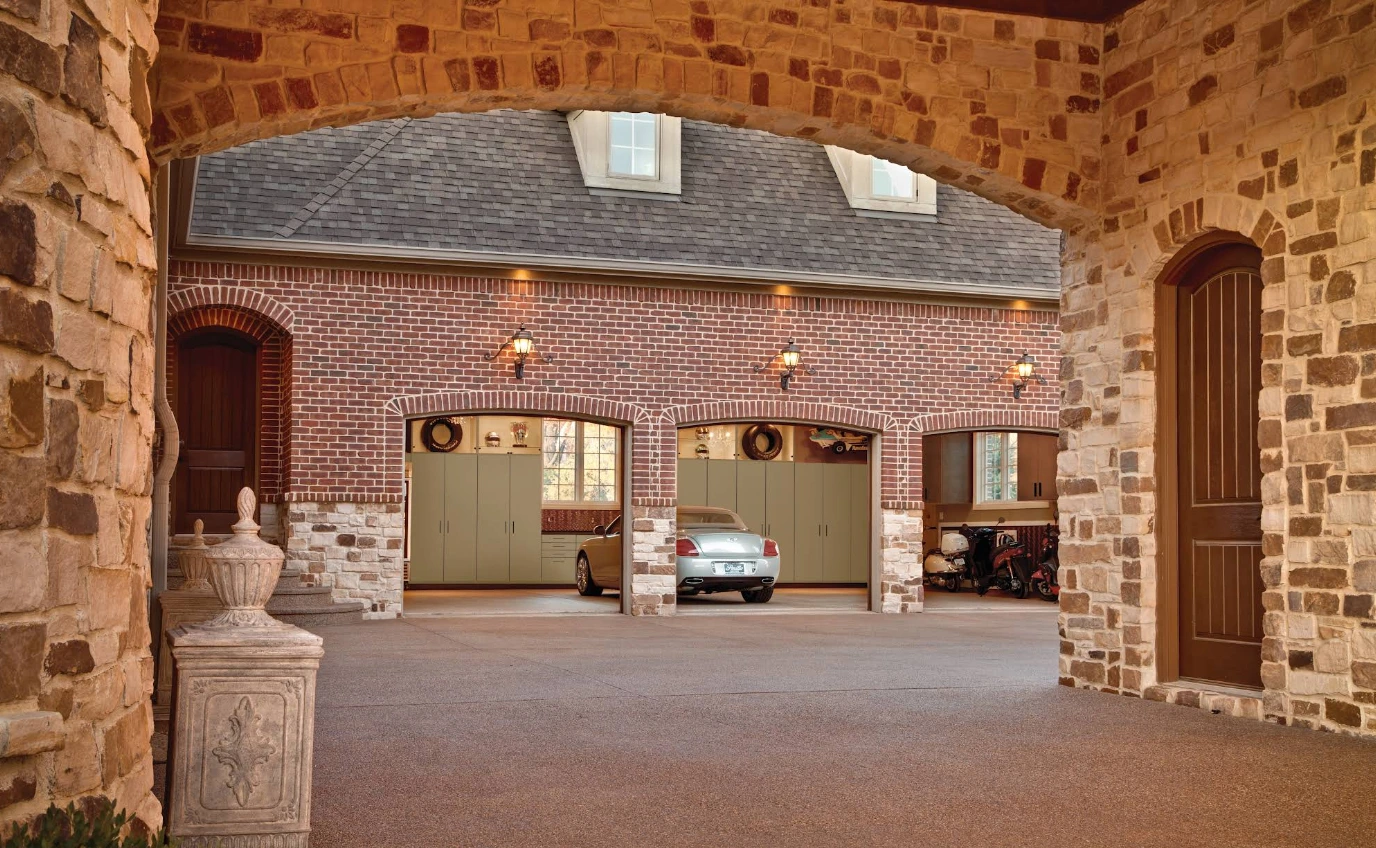
When it comes to transforming a garage into a polished, finished space, the walls, trim, and ceilings make all the difference. Whether you're converting your garage into a workshop, showroom, or simply want to elevate the overall aesthetic and functionality of the space, professional wall, trim, and ceiling finishes are essential. At Garage Design Source, we specialize in creating garage environments that combine durability, beauty, and smart design - and that starts with quality finishing work. Our team brings years of expertise in surface preparation, drywall installation and repair, paint application, and trim work that transforms raw garage spaces into finished rooms you'll actually want to spend time in.
Wall, Trim & Ceiling Finishes in Georgetown, DC
When it comes to transforming a garage into a polished, finished space, the walls, trim, and ceilings make all the difference. Whether you're converting your garage into a workshop, showroom, or simply want to elevate the overall aesthetic and functionality of the space, professional wall, trim, and ceiling finishes are essential. At Garage Design Source, we specialize in creating garage environments that combine durability, beauty, and smart design - and that starts with quality finishing work. Our team brings years of expertise in surface preparation, drywall installation and repair, paint application, and trim work that transforms raw garage spaces into finished rooms you'll actually want to spend time in.
Georgetown homeowners and business owners understand that the garage is often the first impression visitors get of a property. It's also a space where functionality matters just as much as appearance. That's why we take our finishing work seriously - from the initial surface prep to the final coat of paint and the installation of professional-grade trim and molding. Whether you're working with existing walls that need restoration, installing new drywall, or simply refreshing the entire look with new paint and trim, Garage Design Source delivers results that last.
Why Wall, Trim & Ceiling Finishing Matters in Your Garage
The walls, trim, and ceilings of your garage are more than just background elements - they define the entire character and functionality of the space. A garage with bare concrete block walls and an unfinished ceiling feels cold and industrial. The same garage with properly finished walls, quality paint, attractive trim, and a polished ceiling becomes an extension of your home - a space that reflects your investment and attention to detail.
In Georgetown, where homes are often showcases of thoughtful design and careful maintenance, garage finishing is an increasingly popular upgrade. Homeowners recognize that a well-finished garage:
- Increases the perceived value of the property
- Creates a more professional appearance for workshops, home gyms, or creative spaces
- Improves lighting reflection and overall brightness through proper wall and ceiling treatment
- Allows for personalized color schemes and design choices that complement the home's interior
- Provides a durable, cleanable surface that stands up to garage use
- Enhances storage and display of valuable items in an organized, attractive setting
Understanding Your Wall Options
Garage walls require specific consideration because they face different challenges than typical home walls. Garages experience temperature fluctuations, humidity variations, and exposure to dust, oils, and potential moisture. This means the wall finishing approach you choose will significantly impact durability and long-term maintenance.
Drywall Installation and Repair
Drywall is the most popular choice for garage wall finishing because it provides a smooth, paintable surface that can be finished to match any aesthetic. At Garage Design Source, we handle both full drywall installation for bare block walls and targeted repair for existing drywall that has been damaged.
When installing new drywall in a garage, proper preparation is critical. This includes addressing any underlying moisture issues, ensuring appropriate framing, and using moisture-resistant drywall (often called "green board" or cement board) in areas prone to humidity. We assess each garage's specific conditions - including ventilation, potential moisture sources, and your intended use - to recommend the right drywall product for your situation.
Drywall repair is equally important for maintaining a finished appearance. Whether your walls have suffered impact damage, nail holes, cracks, or water damage, we assess the extent of the damage and determine whether targeted patching or full sheet replacement is the best approach. For minor issues, skilled patching and taping can restore walls to a seamless finish. For more extensive damage, replacing damaged sections ensures a cohesive look.
Alternative Wall Finishing
While drywall is our primary recommendation for most Georgetown garages, we also work with homeowners interested in alternative wall treatments. These might include:
- Concrete coating systems for those embracing an industrial aesthetic while improving durability and cleanliness
- Paneling or wainscoting for distinctive visual appeal and added protection in work areas
- Textured wall finishes that hide minor imperfections and add visual interest
- Hybrid approaches that combine finished drywall in living or display areas with coated concrete in utility zones
Each option has specific maintenance requirements, aesthetic implications, and cost considerations. Our team can discuss which approach aligns best with your vision and practical needs.
Surface Preparation: The Foundation of Professional Finishing
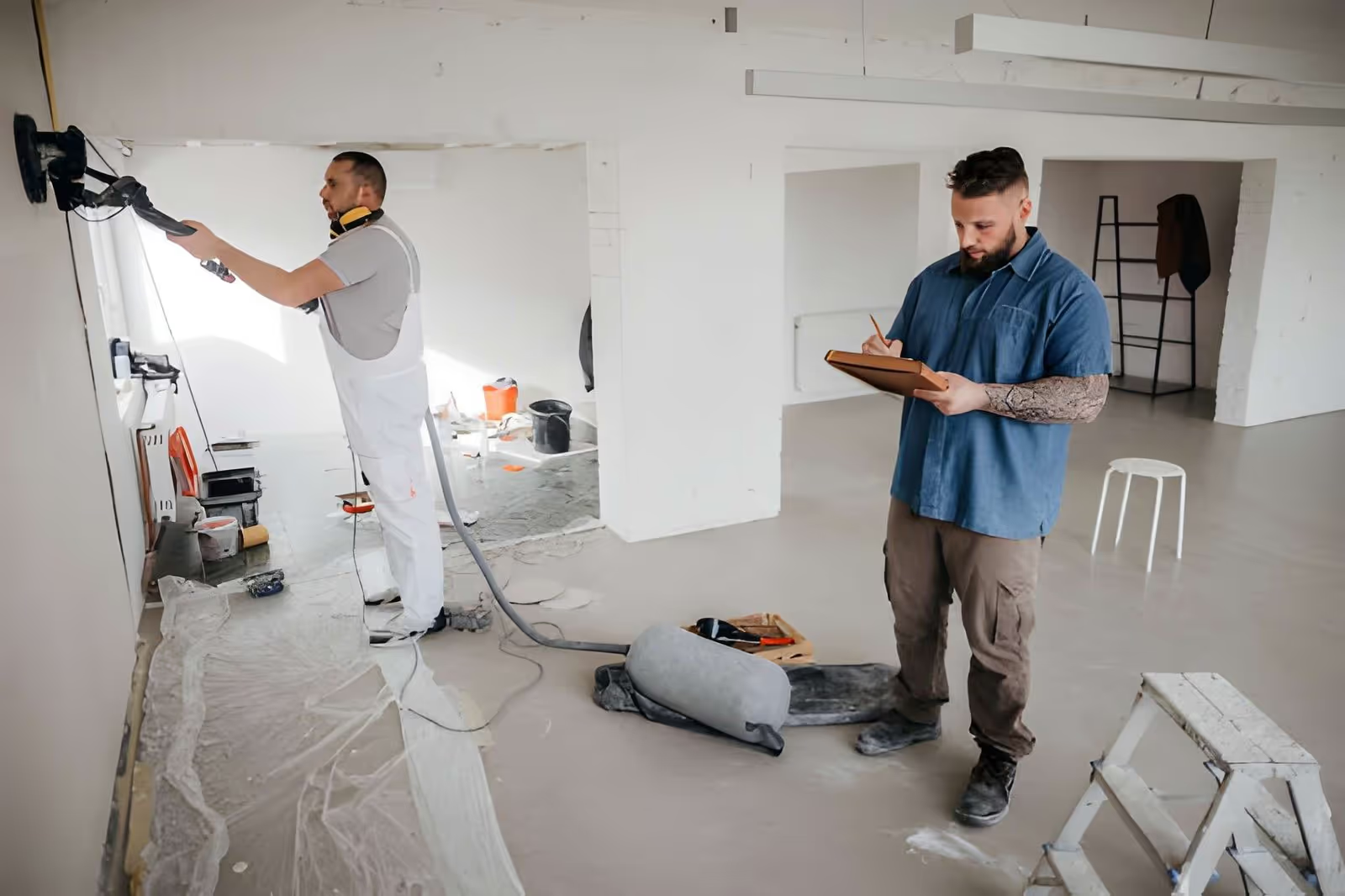
Many homeowners don't realize that what happens before painting or trimming installation is often the most important part of the process. Improper surface preparation leads to peeling paint, poor adhesion, and finishes that don't last. That's why Garage Design Source invests significant time and attention in getting surfaces ready.
Surface preparation for garage walls includes:
- Cleaning all surfaces thoroughly to remove dust, oil residue, and debris
- Repairing cracks, holes, and damage in existing walls or concrete
- Sanding and smoothing rough areas to create an even finish
- Applying primer to ensure proper paint adhesion and uniform color coverage
- Addressing any moisture concerns or water stains before finishing
For new drywall installations, preparation involves hanging and taping all seams, applying joint compound (mud) in multiple coats, sanding between each coat, and priming before paint application. This multi-step process creates the smooth, professional finish that transforms a space.
Primer and Paint Selection
The paint you choose for your garage walls significantly impacts both the appearance and performance of your finish. Not all paints are created equal, and garage environments require careful consideration.
Types of Paint for Garage Walls
Acrylic latex paint is popular for garage walls because it's low-odor, easy to apply, and provides good coverage. Latex paint cleans up with water and comes in virtually any color you can imagine. It works well in most Georgetown garages and is our standard recommendation for finished walls.
Oil-based or alkyd paints offer superior durability and adhesion but require solvent cleanup, have stronger odors, and take longer to dry. We recommend oil-based products for high-traffic areas or spaces where maximum durability is important, though they're less common in typical garage finishing.
Epoxy garage wall coatings provide maximum durability and resistance to stains, chemicals, and wear. These are premium options that create a seamless, finished appearance while offering the practical benefits of easy cleaning and long-term protection. Epoxy wall finishes are ideal for workshops, car enthusiast spaces, or garages that receive heavy use.
Color and Finish Selection
The color you select for your garage walls influences how the space feels and functions. Light colors like white, light gray, and soft blue reflect light and make spaces feel larger and brighter - beneficial for garages that rely on artificial lighting or have limited natural light. Neutral tones like beige and warm gray provide versatility and sophistication. Darker colors can create drama and hide imperfections but may make spaces feel smaller.
The finish you choose - flat, eggshell, satin, or semi-gloss - also matters. Flat finishes hide imperfections but are harder to clean. Eggshell provides a subtle sheen with good cleanability. Satin finishes are popular for garages because they're durable, cleanable, and provide a soft sheen that looks professional without being too reflective. Semi-gloss and gloss finishes offer maximum durability and easy cleaning but highlight surface imperfections.
Our team can discuss your color vision and help you select finishes that work for your specific garage use and maintenance preferences.
Trim and Molding Installation
Trim and molding are the finishing touches that separate an adequate garage from a polished one. They create visual definition, hide joints and gaps, and add architectural interest to the space.
Types of Trim and Molding
Base trim (baseboard) runs along the bottom of walls where they meet the floor, creating a finished edge and protecting walls from kicks and equipment contact. In a garage, base trim also serves the practical purpose of making the space easier to clean and creating a clear visual separation between walls and flooring.
Crown molding at the ceiling creates a sophisticated transition between walls and ceiling, adding visual interest and a completed appearance. Crown molding is particularly popular in finished garage spaces that serve as offices, studios, or display areas.
Case molding around doors and windows creates frame-like finishing that adds architectural detail and draws attention to openings. Even in a garage context, quality door casings elevate the overall appearance.
Chair rail molding - installed horizontally at mid-wall height - can divide wall space visually and add traditional design appeal. Some Georgetown homeowners use chair rail to create two-tone wall effects or simply as a design element.
Materials for Trim and Molding
Solid wood trim offers classic beauty and can be stained or painted to match your design vision. Pine, poplar, and oak are common choices. Wood trim requires more maintenance - it can be damaged by moisture, dents easily, and needs refinishing over time. However, many homeowners prefer the authentic appearance and ability to customize wood finishes.
Finger-jointed or engineered wood trim combines real wood with joints and provides a cost-effective alternative to solid wood. It's stable and takes paint well, making it a practical choice for painted finishes.
Primed composite or PVC trim offers advantages in humid garage environments. These materials don't absorb moisture, won't rot, resist denting, and require minimal maintenance. They can be painted any color and provide a modern, clean aesthetic. For Georgetown garages where moisture management is important, composite trim is often an excellent choice.
Polystyrene molding provides a lightweight, easy-to-install option that works well for ceiling molding. It's affordable and takes paint beautifully, though it's less suitable for areas subject to impact.
Our team can recommend trim materials based on your garage's specific conditions, your aesthetic preferences, and your maintenance expectations.
Ceiling Finishing Techniques
The ceiling is often overlooked in garage design, but it plays a crucial role in overall appearance and function. An unfinished ceiling with exposed joists and ductwork feels incomplete and utilitarian. A finished ceiling transforms the space.
Drywall Ceilings
Drywall ceiling installation creates a smooth, finished surface that can be painted any color. The process involves installing drywall sheets to ceiling joists, taping and mudding all seams, sanding, and painting. Drywall ceilings hide the structure above, create a clean appearance, and improve acoustics. They're ideal for finished spaces where appearance is important.
Drywall ceilings do require planning around existing ductwork, electrical lines, and other utilities. Our team coordinates with any necessary mechanical upgrades to ensure seamless integration.
Suspended or Drop Ceilings
Suspended ceiling systems consist of a metal grid framework with removable tile panels. They're faster to install than drywall, easier to maintain (tiles can be replaced individually), and provide access to utilities above. Many garages use suspended ceilings for practical reasons - they allow access to wiring, plumbing, and HVAC components while creating a finished appearance.
However, suspended ceilings can feel less refined than drywall. They're often chosen for utility-focused spaces but are becoming less common in high-end garage finishing where appearance is prioritized.
Beadboard and Tongue-and-Groove
For a more distinctive aesthetic, some homeowners choose beadboard or tongue-and-groove ceiling treatments. These create a textured, traditional appearance and can be painted or stained. They're popular in farmhouse-style or craftsman-style homes and add character to a garage space. Installation requires careful planning around joists and proper support.
Exposed Ceiling with Finishes
Some Georgetown homeowners prefer to embrace the garage's industrial character by leaving joists, beams, or trusses exposed while finishing them. This might include painting exposed wood, applying stain, or powder-coating metal elements. This approach works well for contemporary or industrial aesthetic preferences.
Color and Material Consultation
Choosing the right colors and materials for your garage's walls, trim, and ceiling is a process that should align with your overall vision, your home's design, and practical considerations.
Design Coordination
We begin by understanding your goals. Are you creating a sophisticated workshop? A bright, clean storage space? A showroom for valuable vehicles or equipment? Your intended use influences color and material selection significantly.
We consider how your garage finishes will relate to your home's interior. Many Georgetown homeowners prefer their garage finishes to complement interior color schemes, creating a cohesive aesthetic even though the garage is a separate space.
Lighting Considerations
Garage lighting dramatically influences how colors appear and how the space functions. We discuss your current and planned lighting setup when selecting colors and finishes. Light colors work beautifully under bright LED lighting but may feel harsh. Warmer tones create cozier atmospheres but may make spaces feel darker. Our recommendations take lighting into account.
Maintenance and Practicality
Different color and material choices have different maintenance implications. Light colors show dust and dirt more readily, requiring more frequent cleaning. Darker colors hide dust but may feel gloomy. High-gloss finishes are easy to clean but show fingerprints and dust. Matte finishes hide imperfections but are harder to wipe clean. We discuss these trade-offs so you can make informed choices.
Project Timelines
Understanding how long your finishing project will take helps you plan accordingly and prepare your garage for the work.
Small Projects (Single Wall or Ceiling)
Minor finishing work - such as repainting a single wall, installing trim in one area, or patching and painting drywall damage - typically takes 1-3 days depending on the specific scope. These projects require minimal preparation and can often be completed relatively quickly.
Medium Projects (Complete Wall and Ceiling Finishing)
Projects that include finishing multiple walls and the ceiling, such as converting a raw garage to fully finished space, typically take 1-2 weeks. This timeline includes surface preparation, drywall installation or repair if needed, priming, painting, trim installation, and final finishing. Drying time between coats and curing times for certain products factor into the schedule.
Large Projects (Full Garage Transformation)
Complete garage transformations that include walls, ceilings, trim, flooring, and storage integration may take 3-4 weeks or longer. Complex electrical or mechanical considerations, custom trim work, or high-end specialty finishes extend the timeline. We'll provide a detailed schedule when we assess your project.
Seasonal Considerations in Georgetown
Georgetown's humidity and temperature fluctuations, particularly during spring and fall transition seasons, can impact drying and curing times. We schedule projects with these considerations in mind and may recommend timing adjustments for optimal results. Summer heat can accelerate drying but may require climate control in the workspace. Winter cold slows drying significantly.
Quality Assurance and Our Process
At Garage Design Source, our approach to wall, trim, and ceiling finishing emphasizes quality craftsmanship, attention to detail, and your satisfaction with the final result.
Initial Assessment and Planning
We begin every project with a thorough walkthrough and assessment. This includes evaluating existing conditions, identifying any moisture or structural concerns, discussing your vision in detail, and recommending the best approach for your specific situation. We measure carefully, discuss options, and provide clarity on what to expect.
Surface Preparation Standards
We invest significant time in proper preparation. This includes thorough cleaning, repair of any damage, sanding and smoothing surfaces, and application of appropriate primers. We don't rush this stage because we know it determines whether the final finish lasts and looks excellent.
Installation Standards
Our installation work - whether drywall hanging, taping and mudding, painting, or trim installation - follows industry best practices. Drywall seams are properly taped and mudded to create seamless finishes. Paint is applied in appropriate number of coats with proper drying time between coats. Trim is installed with precision and finished to match your design vision.
Quality Inspection
Before we consider a project complete, we conduct a thorough inspection. We look for smooth paint coverage, crisp trim lines, seamless transitions, and overall craftsmanship that meets our standards. Any concerns are addressed before you approve the final result.
Your Satisfaction
We're committed to finishing your project to your satisfaction. We stand behind our work and are responsive to any concerns or adjustments you want to discuss after completion.
Wall, Trim & Ceiling Finishing for Different Garage Uses
Different garage uses benefit from different finishing approaches. Understanding how you'll use your space helps ensure your finishing choices support your goals.
Workshops and Creative Spaces
Workshops benefit from bright, efficient lighting combined with neutral wall colors that don't distract from your work. Durable, easily-cleanable paint finishes are practical. Quality trim creates visual organization and polish. Many woodworkers, artists, and makers appreciate finished ceilings that hide utilities and create a professional atmosphere.
Vehicle Display and Car Enthusiast Spaces
Car enthusiasts often choose finishing approaches that showcase their vehicles. This might include dramatic paint colors for accent walls, professional-grade epoxy finishes for durability and easy cleaning, and strategic lighting that highlights vehicles. Quality trim and finished ceilings elevate the gallery-like aesthetic.
Home Offices and Home Gyms
Garages converted to home offices or fitness spaces benefit from finished walls and ceilings that create a refined, professional or energizing atmosphere. Color selection becomes important for creating the right mood. Quality trim and thoughtful lighting design support the space's function.
General Storage and Organization
Even garages primarily used for storage benefit from finishing work. Finished walls and ceilings create a cleaner, more organized appearance. Light colors reflect light and make storage spaces feel larger. Quality trim and paint finishes create backdrop for organized, attractive storage display.
Common Questions About Garage Wall, Trim & Ceiling Finishing
How long do garage paint finishes last?
Quality paint finishes typically last 5-7 years in residential garages, sometimes longer in spaces with minimal use or excellent ventilation. Factors affecting longevity include UV exposure from windows or doors, humidity levels, traffic and wear, surface preparation quality, and paint quality. Epoxy finishes can last 10-15 years. We recommend touch-ups as needed and repainting when finishes show significant wear.
Can I paint my garage walls myself?
Surface preparation is critical for professional results. Many homeowners can handle painting, but proper preparation - including cleaning, patching, sanding, and priming - requires skill and time. Mistakes in preparation lead to poor paint adhesion, visible imperfections, and short finish lifespan. Professional finishing ensures preparation and application meet industry standards.
What's the best trim material for a garage?
The best trim material depends on your specific conditions and preferences. Composite or PVC trim excels in humid environments because it resists moisture and requires minimal maintenance. Wood trim offers traditional beauty and customizable finishes but requires more maintenance. Primed MDF provides affordability and paint-ready convenience. Our team recommends the best option for your garage's specific moisture profile and aesthetic vision.
Should I finish my garage ceiling?
Finished ceilings transform unfinished garages, hiding utilities and creating a polished appearance. Whether to finish your ceiling depends on your budget, your intended use of the space, and your aesthetic priorities. Drywall ceilings provide the most refined appearance but cost more than alternatives. Suspended ceilings offer practical advantages and easier access to utilities.
How do I choose a paint color for my garage?
Consider your garage's lighting, your intended use, and coordination with your home's interior. Bring paint samples home and observe them under your garage's actual lighting conditions. Light colors brighten dark spaces and make them feel larger. Neutral tones provide versatility. Consider how the color will show dirt and dust based on your maintenance preferences. Our team can discuss color psychology and practical considerations to help you choose colors you'll love long-term.
What maintenance do finished garage walls require?
Finished walls require minimal routine maintenance - occasional dusting or light wiping as needed. Address spills or marks promptly to prevent staining. Inspect for damage and address minor paint damage or scuffs before they worsen. High-traffic areas may show wear sooner and may benefit from strategic touch-ups. Well-maintained finishes remain attractive and functional for years.
Why Choose Garage Design Source for Your Garage Finishing
Garage Design Source brings specialized expertise in garage design and finishing to every project. We're not general contractors dabbling in garage work - we specialize in creating exceptional garage spaces. Our experience across hundreds of Georgetown, Northern Virginia, and Maryland projects means we understand local conditions, regional preferences, and what creates lasting results.
As a locally-owned and operated business serving the Washington D.C. metro area since our founding, we've built our reputation on quality work, honest assessment, and customer satisfaction. We take time to understand your specific vision and practical needs, recommend appropriate approaches for your situation, and execute finishing work that reflects our commitment to craftsmanship.
When you work with Garage Design Source for wall, trim, and ceiling finishing, you're working with specialists who understand garage transformation and the role that quality finishes play in creating spaces you'll genuinely enjoy using.