.svg)
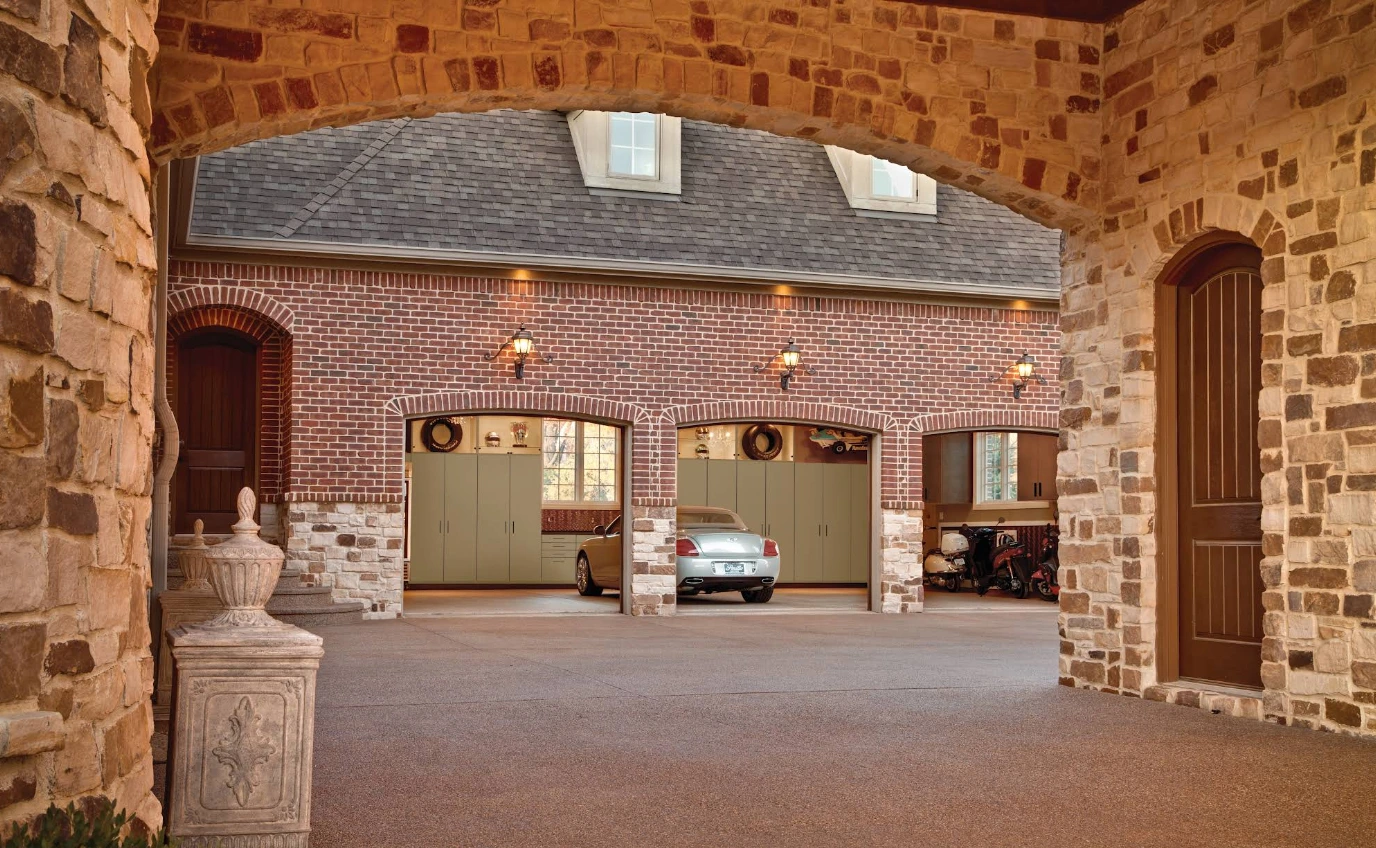
Your garage floor tells a story. Whether it's years of vehicles parking and pulling out, the freeze-thaw cycles of Northern Virginia winters, or simply the natural settling of your foundation, concrete develops cracks and damage over time. What starts as a small surface crack can become a bigger problem if left untreated, compromising the integrity of your floor and detracting from the overall appearance of your garage space. At Garage Design Source, we understand that a damaged concrete floor impacts both the functionality and the curb appeal of your garage. That's why we offer comprehensive concrete repair and crack treatment services designed to restore your floor and protect it for years to come.
Concrete Repair and Crack Treatment in Ashburn, VA
Your garage floor tells a story. Whether it's years of vehicles parking and pulling out, the freeze-thaw cycles of Northern Virginia winters, or simply the natural settling of your foundation, concrete develops cracks and damage over time. What starts as a small surface crack can become a bigger problem if left untreated, compromising the integrity of your floor and detracting from the overall appearance of your garage space. At Garage Design Source, we understand that a damaged concrete floor impacts both the functionality and the curb appeal of your garage. That's why we offer comprehensive concrete repair and crack treatment services designed to restore your floor and protect it for years to come.
Concrete repair isn't just about filling a crack and calling it done. It's about understanding what caused the damage, assessing the extent of the problem, and applying the right solution to ensure it doesn't return. Whether you're dealing with hairline cracks from minor settling, wider gaps from structural movement, or spalling where the surface has started to deteriorate and chip away, we have the expertise and materials to address it properly. Our team has been serving homeowners in Ashburn and throughout the Northern Virginia area for years, and we've seen every type of concrete damage imaginable.
Common Concrete Issues in Ashburn Garages
The Ashburn area presents specific challenges for concrete floors. The region experiences significant temperature swings, especially in winter and spring, which can cause concrete to expand and contract. Over time, this movement leads to cracking. Additionally, the soil composition and moisture levels in Northern Virginia can affect concrete stability, particularly if there's inadequate drainage around your garage foundation.
Common concrete problems we address include:
- Hairline cracks: Fine, surface-level cracks that often appear due to normal concrete shrinkage as it cures, or from minor foundation settling.
- Structural cracks: Wider cracks (1/8 inch or larger) that indicate more significant movement or stress in your foundation.
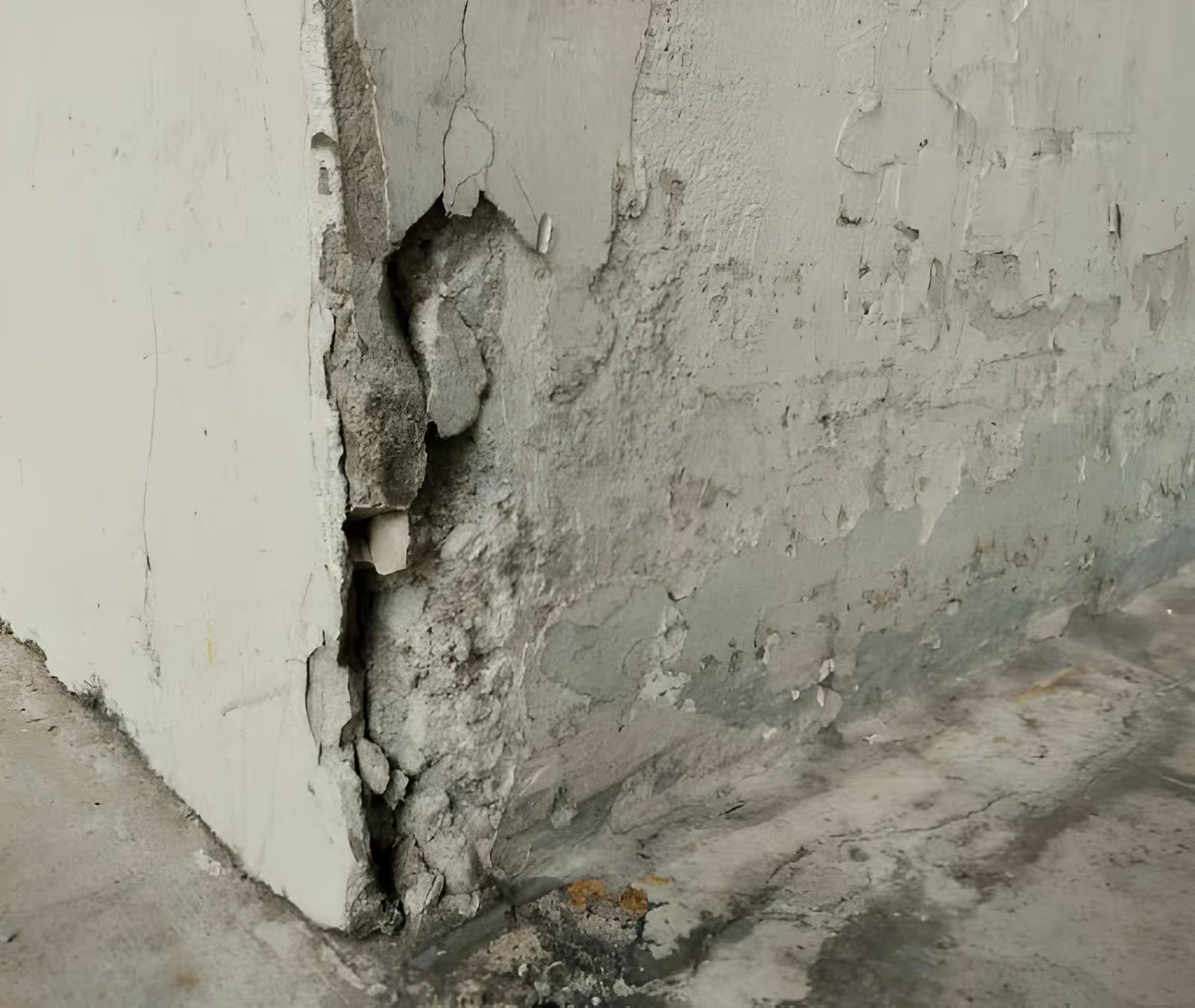
- Spalling: Areas where the concrete surface has broken apart and deteriorated, creating rough patches or small craters.
- Pitting and scaling: Damage caused by road salt exposure (common in winter months) or freeze-thaw cycles, where the concrete surface becomes rough and pitted.
- Stains and discoloration: Water stains, oil marks, or discoloration that, while not structural damage, detract from your garage's appearance.
- Settling and uneven surfaces: Areas where the floor has sunk or shifted, creating trip hazards and uneven spots where water pools.
- Popouts: Small bumps or holes in the concrete where aggregate near the surface has been dislodged.
Each of these issues requires a different approach, which is why our first step is always a thorough inspection and assessment.
The Inspection and Assessment Process
Before recommending any repair, we conduct a detailed inspection of your concrete floor. This isn't a quick walk-through; we take time to understand the full scope of the damage and what may have caused it. We look at the size, depth, and location of cracks. We assess whether cracks are stable (not growing) or active (still widening), as this affects our treatment approach. We also evaluate the overall condition of the concrete surface, looking for signs of deeper issues like erosion beneath the surface or moisture penetration.
During this assessment, we ask questions about your garage's history. When did you first notice the cracks? Have they gotten worse over time? Do you have issues with water or moisture in the garage? Have you noticed any foundation movement elsewhere in your home? These details help us determine whether we're treating a surface problem or if there's an underlying structural issue that needs attention.
Understanding the root cause matters because treating a symptom without addressing the cause often leads to the problem returning. For example, if cracks are caused by poor drainage around your foundation, simply filling them won't solve the issue. We'll identify these factors and discuss them with you so you can make an informed decision about the repair strategy.
Surface Preparation and Cleaning
Proper preparation is essential for any concrete repair to succeed. Our team starts by thoroughly cleaning the affected area. Dust, debris, loose concrete, oil, and stains are removed using industrial-grade cleaning equipment. For cracks, we use specialized techniques to remove all loose material from inside the fissure, ensuring the repair material has good contact with the concrete.
For spalled areas or damaged sections, we may need to remove loose or deteriorated concrete using diamond grinding or mechanical tools. This step ensures that the repair material bonds properly and that you're not simply covering up a problem that will continue to deteriorate underneath.
Once the area is clean and prepared, we may apply a primer or bonding agent to enhance adhesion. The concrete is left clean and dry, ready for the next phase of treatment.
Crack Routing and Injection Methods
How we treat a crack depends on its characteristics and the underlying cause. For hairline cracks and surface cracks, we use different approaches than we would for wider structural cracks.
For hairline and small cracks (less than 1/8 inch):
We typically apply a topical crack filler or use an epoxy or polyurethane sealant applied directly to the surface. These products penetrate slightly into the crack, sealing it against moisture and preventing further deterioration. This approach is cost-effective and works well for cracks that are stable and not expected to widen further.
For wider cracks (1/8 inch to 1/2 inch):
We use a process called crack routing and injection. First, we widen the crack slightly using a specialized routing tool, creating a V-shaped or rectangular channel. This increases the surface area for the repair material to bond to and ensures the material fills the entire depth of the crack. Once routed, we clean out all debris and inject a high-strength epoxy or polyurethane compound into the crack under pressure. These materials are specifically formulated for concrete repair and cure to a strength that meets or exceeds the surrounding concrete.
For very wide cracks or gaps (wider than 1/2 inch):
We may use a combination approach. After routing and cleaning, we first inject a polyurethane foam or epoxy to fill the depth, then apply a flexible polyurethane sealant to the surface. This allows for some movement while maintaining a strong seal against moisture.
The choice between epoxy and polyurethane depends on several factors. Epoxy provides maximum strength and is excellent for cracks that won't move much. Polyurethane is more flexible and works better in situations where there's slight ongoing movement or where waterproofing is a priority. We discuss these options with you and recommend the best approach based on your specific situation.
Patching and Leveling for Spalled Areas
When concrete has spalled or deteriorated, simply filling the crack isn't enough. We need to restore the surface to a level, stable condition. For smaller spalled areas, we remove the damaged concrete, clean the area thoroughly, apply a bonding agent, and fill it with a concrete patching compound. These compounds are formulated to cure quickly and bond permanently to existing concrete.
For larger areas of damage, we may use a self-leveling concrete resurfacer that creates a smooth, even surface. This is particularly important if uneven spots are creating trip hazards or if water is pooling in certain areas of your garage floor.
The goal with any patch is to create a repair that's as strong as the original concrete, properly sealed against moisture, and level with the surrounding floor. When the repair is complete, properly maintained, and protected with a coating, you shouldn't be able to distinguish the repaired area from the rest of your floor.
Protective Coatings
A repair is only as good as the protection it receives. Once we've repaired cracks and addressed surface damage, we strongly recommend protecting the entire floor with a high-quality coating. This is where our expertise truly sets us apart. At Garage Design Source, we specialize in garage floor coatings, and we understand how to protect your concrete investment.
A protective coating serves multiple purposes. It seals the concrete against moisture penetration, which prevents cracks from returning and protects repairs from further deterioration. It makes cleaning and maintenance infinitely easier. And it transforms the appearance of your garage, giving your space a finished, professional look that increases the overall value and appeal of your home.
We offer several coating options depending on your needs and budget:
- Epoxy coatings: Durable, chemical-resistant, and available in many colors and finishes. Epoxy provides excellent protection and lasts for years with proper maintenance.
- Polyaspartic coatings: A premium option that cures faster than epoxy and offers superior durability and UV resistance. Polyaspartic is our recommendation for customers who want maximum longevity and don't want to wait long for their garage to be usable.
- Polyurea coatings: The highest-performance option, offering extreme durability, flexibility, and chemical resistance.
Any of these coatings, properly applied over prepared concrete, will protect your repairs and your floor for years to come.
Timeline and Cure Expectations
The timeline for concrete repair depends on the extent of the damage and the specific materials we use. For a simple hairline crack treated with topical sealant, the job might be completed in a day, with the sealant curing within 24 hours. For more extensive repairs involving routing, injection, patching, and coating, plan for a longer process.
Here's a typical timeline for comprehensive concrete repair in your Ashburn garage:
Day 1 - Inspection and Preparation: We assess the damage, discuss options with you, and schedule the work.
Day 2-3 - Repair Work: We prepare the surface, route cracks if necessary, inject repair materials, and patch damaged areas. Depending on the number of cracks and extent of damage, this might take one or two days.
Days 4-7 - Coating Application: Once repairs have cured sufficiently, we prepare the surface again and apply your chosen protective coating. The first coat goes down, and depending on the product, a second coat may follow.
Days 8-14 - Full Cure: Coatings cure gradually during this period. While you may be able to park vehicles in your garage within a few days, full cure typically takes 7-14 days depending on the product and weather conditions.
We're mindful of the fact that you need to use your garage. We schedule work to minimize disruption and communicate clearly about timing and access restrictions during the cure process.
Factors Affecting Repair Success and Longevity
Several factors influence how long your repair will last and how successful it will be:
Moisture control is critical. If your garage floor is wet or if water is actively seeping in, repairs won't last long. We assess moisture issues during inspection and may recommend addressing drainage or moisture control before proceeding with repairs.
Ongoing movement in your foundation or floor will eventually cause even a well-done repair to crack again. If we identify active settling or structural issues, we discuss this with you honestly. Sometimes addressing the underlying cause (foundation repair, drainage improvements) is necessary before concrete repair makes sense.
Proper surface preparation is non-negotiable. If the existing concrete isn't properly cleaned and prepared, repair materials won't bond correctly. This is an area where cutting corners leads to failure, so we never rush this step.
Quality of materials matters tremendously. We use professional-grade repair and coating products designed for commercial and residential garage use. These aren't the products you'd find at a home improvement store, and the difference in performance is significant.
Proper application requires skill and experience. The difference between someone who knows how to properly route a crack, inject repair material, and apply a coating versus someone just filling a hole with concrete is night and day. Our team has been doing this for years and knows how to do it right.
Maintenance after repair is your responsibility. We provide detailed care instructions for your specific coating and repair type. Regular cleaning, prompt attention to new damage, and avoiding harsh chemicals all extend the life of your repairs.
Warranties and Protection
We stand behind our work. The specific warranty depends on the scope of repairs and the products used, which we discuss with you during the consultation and quote phase. Generally, our repairs come with warranty protection that covers material defects and workmanship issues. We also recommend that any coating applied over your repairs be maintained according to the manufacturer's recommendations to preserve both the warranty and the protective benefits.
Maintenance and Long-Term Care
After your concrete repairs and coating are complete, proper maintenance ensures they continue protecting your floor for years. This isn't complicated, but it does require some basic attention.
Regular cleaning is the most important maintenance step. Sweep your garage floor regularly to remove dirt and debris. Wash it with water and a mild detergent as needed. For your specific coating type, we'll provide recommendations on cleaning products to use and avoid. Avoid harsh acidic cleaners or abrasive scrubbing, which can damage the coating.
Prompt spill cleanup prevents staining and protects your coating. Wipe up oil, coolant, and other automotive fluids as soon as possible. This is especially important in the first few years after a new coating is applied.
Avoid extreme temperature changes where possible. While modern coatings are designed to handle the freeze-thaw cycles of Northern Virginia winters, you can extend their life by maintaining moderate garage temperatures if you use the space regularly.
Inspect regularly for new cracks or damage. Small issues caught early are far easier and less expensive to address than problems that develop over time.
Reapply topical sealers if recommended for your coating type. Some coatings benefit from periodic resealing, which we'll discuss with you.
Why Choose Garage Design Source for Concrete Repair
When you call Garage Design Source for concrete repair in Ashburn, you're choosing a locally owned and operated company that understands your area and has been serving Northern Virginia homeowners for years. We specialize in garage solutions, which means we understand garages thoroughly - from how they're built to how they function and what can go wrong. We don't treat concrete repair as a side service; it's part of our core expertise.
Our approach to concrete repair is thorough and honest. We assess what's actually needed, not what generates the biggest bill. We discuss options with you, explain the pros and cons of different approaches, and recommend what we believe is the best solution for your specific situation. If we identify issues that are beyond concrete repair, we tell you that rather than attempting a quick fix that won't last.
We use professional-grade materials and proven techniques. Our team takes time to prepare surfaces properly, apply materials correctly, and ensure everything cures properly before your garage is back in use. We understand that your garage is an important part of your home, and we treat it that way.
When your concrete repair is complete, you have a floor that's not just fixed but properly protected for the future. Whether you choose to add a protective coating or simply want the cracks sealed and the damage addressed, you're making an investment in your home's durability and appearance. That's something we take seriously.
If you're noticing cracks in your Ashburn garage floor, damaged areas, or other concrete issues, the next step is a professional assessment. We'll inspect your floor, identify what's causing the damage, and provide honest recommendations for addressing it. Whether the solution is a simple crack seal or more comprehensive repair and coating work, we'll be transparent about what's involved and what to expect.
Your garage floor supports your vehicles, your tools, and your stored items. It's one of the hardest-working surfaces in your home. When it's damaged, repairing it properly matters. That's what Garage Design Source does - we repair it right, protect it well, and help you maintain it for years to come.