.svg)
Your garage floor is more than just a place to park your car or store tools. It's an extension of your home, and when cracks, spalling, and surface damage appear, they can compromise both the aesthetics and structural integrity of the space. If you've noticed deteriorating concrete in your Centreville garage or driveway, you're not alone. The freeze-thaw cycles and heavy moisture exposure common to Northern Virginia create ideal conditions for concrete degradation. At Garage Design Source, we specialize in concrete repair and crack treatment that stops damage at its source and restores your floor to lasting durability.
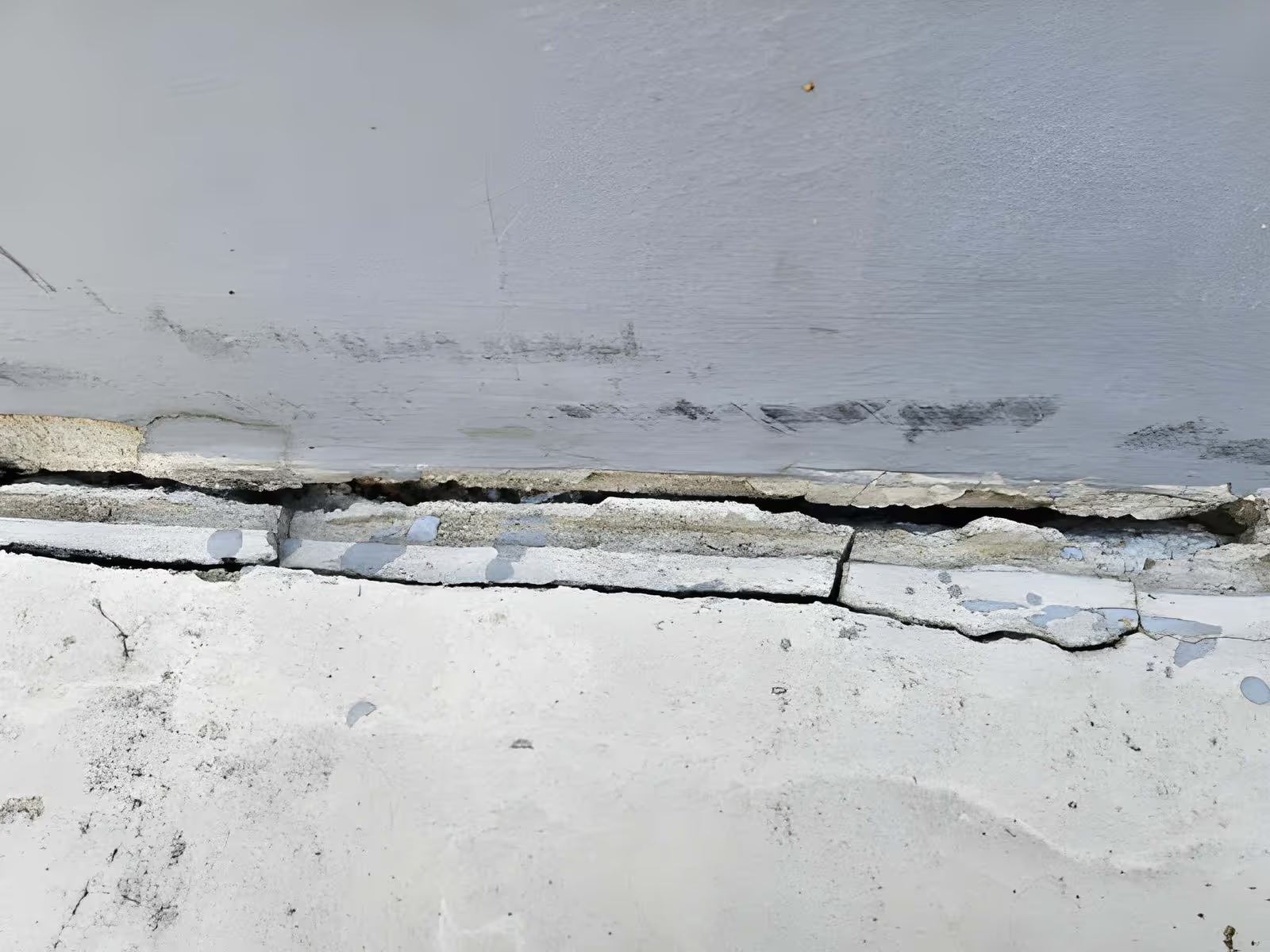
Concrete Repair and Crack Treatment in Centreville, VA
Your garage floor is more than just a place to park your car or store tools. It's an extension of your home, and when cracks, spalling, and surface damage appear, they can compromise both the aesthetics and structural integrity of the space. If you've noticed deteriorating concrete in your Centreville garage or driveway, you're not alone. The freeze-thaw cycles and heavy moisture exposure common to Northern Virginia create ideal conditions for concrete degradation. At Garage Design Source, we specialize in concrete repair and crack treatment that stops damage at its source and restores your floor to lasting durability.
Whether you're dealing with hairline cracks that seem minor or significant spalling that's spreading across your floor, addressing concrete damage early is key. Left untreated, small cracks expand, water penetrates deeper, and repair costs multiply. Our concrete repair and crack treatment services are designed to halt this progression and deliver a floor that not only looks better but functions properly for years to come.
Why Concrete Cracks and Deteriorates in Centreville
Concrete in the Centreville area faces unique challenges that accelerate wear and damage. The Northern Virginia climate includes cold winters with repeated freeze-thaw cycles, where moisture seeps into small pores in the concrete, freezes, expands, and then thaws again. This cycle weakens the concrete from within and causes cracks to propagate.
Common causes of concrete damage in your garage or driveway include:
- Freeze-thaw cycles - Water enters concrete pores, freezes in winter, expands, and fractures the surface
- Heavy vehicle loads - Concentrated weight from cars, trucks, or equipment stresses weak areas
- Moisture exposure - Standing water, salt runoff from winter roads, and humidity penetrate concrete
- Age and settling - Older concrete naturally shrinks and shifts as the foundation underneath settles
- Poor initial installation - Inadequate slope, improper curing, or low-quality concrete mix compounds problems
- Chemical exposure - Road salt and de-icing chemicals erode concrete and expand rebar inside
- Tree roots - Nearby tree growth can push on the concrete slab from underneath
- Thermal stress - Extreme temperature swings cause expansion and contraction
Understanding why your concrete is failing is the first step toward lasting repair. That's why we always begin with a thorough inspection and assessment.
Our Concrete Inspection and Crack Assessment Process
Before recommending any repair or treatment, we conduct a detailed inspection of your concrete to understand the full scope of damage. This step is critical because not all cracks require the same solution, and misdiagnosing the problem leads to failed repairs and wasted money.
During our inspection, we evaluate:
- Crack patterns - Linear cracks, spiderwebbing, or isolated breaks indicate different underlying issues
- Crack depth - Surface hairline cracks differ significantly from deep structural fractures
- Width measurement - Cracks wider than 1/8 inch typically require injection treatment
- Moisture presence - We check for standing water, dampness, or active seepage
- Spalling and surface damage - Deteriorated areas where concrete is flaking or chunking away
- Overall concrete condition - Age, finish, prior repairs, and overall durability
- Underlying causes - We identify whether the problem stems from drainage, settling, freeze-thaw, or other factors
This comprehensive assessment means we recommend only the repairs your concrete actually needs. Some cracks are cosmetic; others signal structural concern. Our inspection process helps us distinguish between the two and guide you toward the right solution.
Crack Routing and Preparation for Treatment
Once we've assessed your concrete, preparation is essential for any successful repair. Cracks that are dirty, sealed with debris, or not properly cleaned will reject repair materials, leading to failure.
Our surface preparation includes:
- Crack routing - For wider cracks, we use specialized equipment to widen and shape the crack into a V-shaped or U-shaped channel. This profile provides more surface area for repair materials to bond to and improves the longevity of the fix.
- High-pressure cleaning - We remove dirt, dust, loose concrete, oil, and debris from the crack and surrounding area using pressure washing. This ensures the repair material has a clean surface to grip.
- Moisture removal - We dry the concrete thoroughly. Moisture is the enemy of epoxy and polyurethane injections; wet concrete prevents proper bonding.
- Blowing out loose debris - Using compressed air, we ensure no fine dust or particles remain inside the crack.
- Priming when needed - For certain repair methods, we apply a primer to improve adhesion of the repair material to the existing concrete.
This preparation phase is where many inexperienced contractors cut corners. We don't. Proper prep is the foundation of a repair that lasts.
Epoxy and Polyurethane Injection Methods
For cracks in concrete, two primary injection methods deliver professional results: epoxy injection and polyurethane injection. Each has distinct advantages depending on your crack type and conditions.
Epoxy Injection
Epoxy is a two-part adhesive that cures hard and creates a strong, rigid bond. It's excellent for structural cracks because it fills the entire crack width and depth, and it bonds so securely that the repaired area often becomes stronger than the original concrete.
Epoxy injection is ideal for:
- Deep cracks that go through the full concrete slab
- Structural cracks showing horizontal or step patterns
- Non-wet cracks (epoxy doesn't work well in actively leaking conditions)
- Cosmetic repairs where a clean finish is desired
- Cracks in garages where the floor won't be exposed to seasonal freeze-thaw extremes after repair
The epoxy cures to a hard finish and can be sanded smooth or left slightly textured. Once cured, it doesn't flex, making it perfect for load-bearing repairs.
Polyurethane Injection
Polyurethane is a flexible, foam-expanding material that cures differently than epoxy. It expands as it cures, filling even tiny voids and hairline cracks that epoxy might miss. Because it remains somewhat flexible, it accommodates minor concrete movement.
Polyurethane injection works best for:
- Hairline or very tight cracks less than 1/8 inch wide
- Active moisture or seepage in cracks
- Driveways and areas exposed to freeze-thaw stress (the flexibility helps it survive repeated expansion and contraction)
- Situations where you need a waterproof seal in addition to structural repair
Polyurethane also has the advantage of expanding, which means it fills cracks more completely and creates a better waterproof barrier than epoxy in wet conditions.
Patching and Leveling for Spalled Areas
Cracks are only one type of concrete damage. Spalling - where chunks or layers of concrete flake away - requires a different approach. Spalled areas are typically caused by freeze-thaw damage, salt exposure, or rebar corrosion, and they compromise both appearance and functionality.
For spalled concrete, we use specialized patching compounds:
- We remove all loose and damaged concrete - Using chisels, grinders, or other tools, we remove concrete that's already failing or prone to further spalling. This prevents the patch from bonding to unstable material.
- We apply concrete patching compound - High-performance patching materials bond to existing concrete and cure to match the surrounding surface. We use products designed to resist freeze-thaw and salt exposure in the Centreville area.
- We level the surface - Using trowels and finishing tools, we bring the patched area flush with the surrounding floor so the patch isn't a trip hazard and blends visually.
- We may grind or finish the surface - After the patch cures, we may grind or polish it to create a seamless appearance with the rest of the floor.
Spalling repair combined with a protective coating (see below) prevents the problem from returning quickly.
Protective Coatings to Seal and Protect
Repairing cracks and spalling stops the current damage, but protecting the concrete prevents new damage from forming. This is where protective coatings become invaluable in the Northern Virginia climate.
Garage Design Source recommends protective coatings after concrete repair for several reasons:
- Waterproofing - A high-quality coating prevents moisture from penetrating the concrete and re-starting the freeze-thaw cycle
- Chemical protection - Coatings shield concrete from road salt, de-icing chemicals, and oil stains
- UV resistance - Concrete exposed to sunlight degrades faster; quality coatings protect against UV damage
- Durability - A protected floor lasts significantly longer than bare concrete
- Aesthetics - Coatings create a finished, professional appearance that elevates your entire garage
We typically recommend:
- Epoxy floor coating - A durable, attractive finish that protects the repair and entire floor. Epoxy creates a seamless, easy-to-clean surface available in various colors and finishes.
- Polyaspartic coating - A faster-curing alternative to epoxy with excellent UV resistance. Polyaspartic coatings cure in hours rather than days and maintain their color longer in sunlight.
- Polyurea coating - The most durable option, offering superior chemical and impact resistance with rapid cure times.
At Garage Design Source, we view concrete repair and protective coating as a complete system. Repairing cracks without coating is like putting a fresh coat of paint on a car with rust underneath - you've addressed the symptom, not the root cause.
Timeline and Cure Expectations
Understanding how long your concrete repair will take and when you can use your garage again is important for planning purposes.
For most concrete repair projects, here's what to expect:
Inspection and assessment: 1-2 hours. We thoroughly evaluate your concrete and recommend solutions.
Preparation and cleaning: Typically 2-6 hours depending on the extent of damage and square footage. Surface prep is time-intensive because it's critical.
Crack injection (epoxy or polyurethane): 2-4 hours for typical residential garage or driveway. Epoxy injects more slowly and carefully; polyurethane injects faster as it expands.
Spall patching: 1-3 hours depending on the number and size of patches.
Cure time before coating: Epoxy requires 24 hours before a protective coating can be applied. Polyurethane typically requires 2-4 hours.
Coating application: 2-4 hours depending on the coating type and floor size.
Full cure time: Epoxy coatings cure to light use in 24 hours and full cure in 7 days. Polyaspartic coatings cure in 12-24 hours. During the first 24-48 hours, avoid parking heavy vehicles on the floor or exposing it to water.
Most residential concrete repair and coating projects in Centreville are completed within 2-3 days from start to finish, including cure time between steps. We'll provide a detailed timeline after our inspection.
Factors That Affect Repair Costs
Several factors influence the investment required for concrete repair and treatment:
- Crack extent and pattern - A single linear crack costs far less to repair than extensive spiderwebbing across the entire floor
- Crack depth and width - Hairline cracks require less material and labor than deep, wide fractures needing routing
- Spalling severity - Minor surface spalling is inexpensive to patch; extensive deterioration requiring deep patching increases costs
- Square footage - Larger floors naturally require more material and labor
- Injection method - Epoxy and polyurethane have different material costs; polyurethane is typically less expensive for hairline cracks
- Coating selection - Standard epoxy coating costs less than premium polyaspartic or polyurea systems
- Prep requirements - Heavily contaminated or damaged floors require more intensive preparation
- Access and layout - Cramped spaces or complex layouts may increase labor time
We provide a detailed estimate after our inspection. There are no surprises in our pricing because we measure and assess first, then quote based on exactly what your floor needs.
Warranties and Maintenance
At Garage Design Source, we stand behind our work. Our concrete repair services include:
- Material warranties - The injected epoxy or polyurethane and patching compounds carry manufacturer warranties, typically 2-5 years depending on the product
- Workmanship warranty - We guarantee our application and installation. If a repair fails due to our work, we will re-do it
- Coating warranties - Protective coatings carry warranties that typically range from 2-10 years depending on the product and conditions
Your warranty is valid when you follow our maintenance recommendations:
- Avoid harsh chemicals - Don't use caustic cleaners, strong acids, or heavy degreasers on your coated floor
- Clean spills promptly - Wipe up oil, grease, and chemical spills within 24 hours to prevent staining and damage
- Use pH-neutral cleaners - When you need to clean, use mild soap, water, and pH-neutral products designed for coated concrete
- Avoid heavy impact - Don't drop heavy objects or drag sharp tools across the coated surface
- Minimize standing water - Ensure proper drainage so water doesn't pool on your floor
- Annual inspection - Look for new cracks or coating wear and address them promptly to prevent larger problems
With proper maintenance, a repaired and coated concrete floor lasts 10-15 years or more in the Centreville area, far exceeding the life of untreated concrete.
Long-Term Concrete Maintenance Tips
Beyond the repair and coating, maintaining your concrete extends its life significantly:
- Inspect seasonally - Before and after winter, check for new cracks or damage that emerged during freeze-thaw cycles
- Address small problems immediately - A hairline crack costs $50-100 to repair; a major spall costs thousands. Early intervention saves money
- Ensure proper drainage - Water should flow away from your garage foundation, not toward it. Grade your driveway slightly for runoff
- Use appropriate de-icing - If you live in Centreville and use de-icing products on your driveway, choose concrete-safe options that don't contain harsh salts
- Keep the floor dry - Minimize standing water and moisture exposure. Use a dehumidifier in very humid conditions
- Avoid damaging practices - Don't use your concrete floor as a jack stand for extended periods, and don't store heavy equipment directly on one spot
- Seal maintenance - If your floor has a protective coating, periodically check for areas where the coating has worn thin and consider a refresh coat every 5-7 years
Concrete is durable, but it's not maintenance-free. A little attention goes a long way in keeping your garage floor looking and functioning well.
Why Choose Garage Design Source for Your Concrete Repair Needs
At Garage Design Source, we've spent over two decades helping Centreville homeowners transform their garage spaces. We're not a general contractor dabbling in concrete; we're specialists in garage systems, which means we understand how your floor fits into the bigger picture of your garage.
We bring this expertise to every concrete repair project:
- Local knowledge - We understand the specific challenges Northern Virginia concrete faces and what solutions work best in this climate
- Owner-operated quality - As a locally owned and operated business, we take pride in our work and stand behind every project
- Comprehensive approach - We don't just fill cracks; we assess the full scope of damage, address underlying causes, and recommend protective measures
- Quality materials - We use professional-grade epoxy, polyurethane, and coating systems, not consumer-grade products
- Attention to detail - From inspection through cure time, we handle each step carefully to ensure lasting results
- Transparent process - We explain what we find, why we recommend specific solutions, and what to expect at each stage
Whether you're dealing with a single crack or extensive concrete deterioration, Garage Design Source has the expertise and materials to deliver a lasting repair.