.svg)
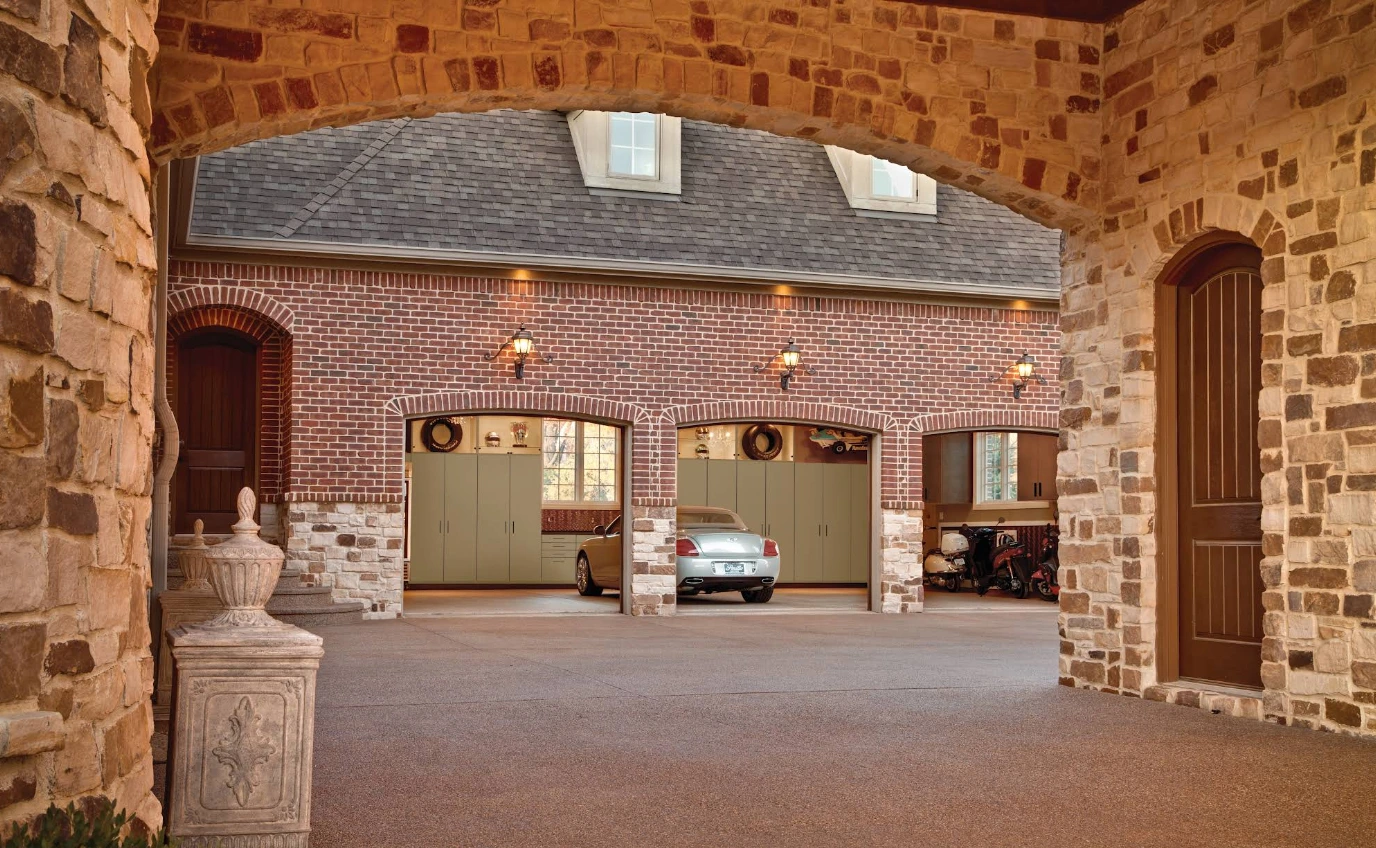
Your garage floor is more than just a place to park your car. It's a workspace, a storage area, and often the first impression guests have of your home's exterior. When cracks begin to spread across your concrete surface, they're not just an aesthetic concern - they represent a structural vulnerability that can worsen over time. At Garage Design Source, we've spent years perfecting our concrete repair and crack treatment methods to ensure your Falls Church garage floor remains both beautiful and durable for decades to come.
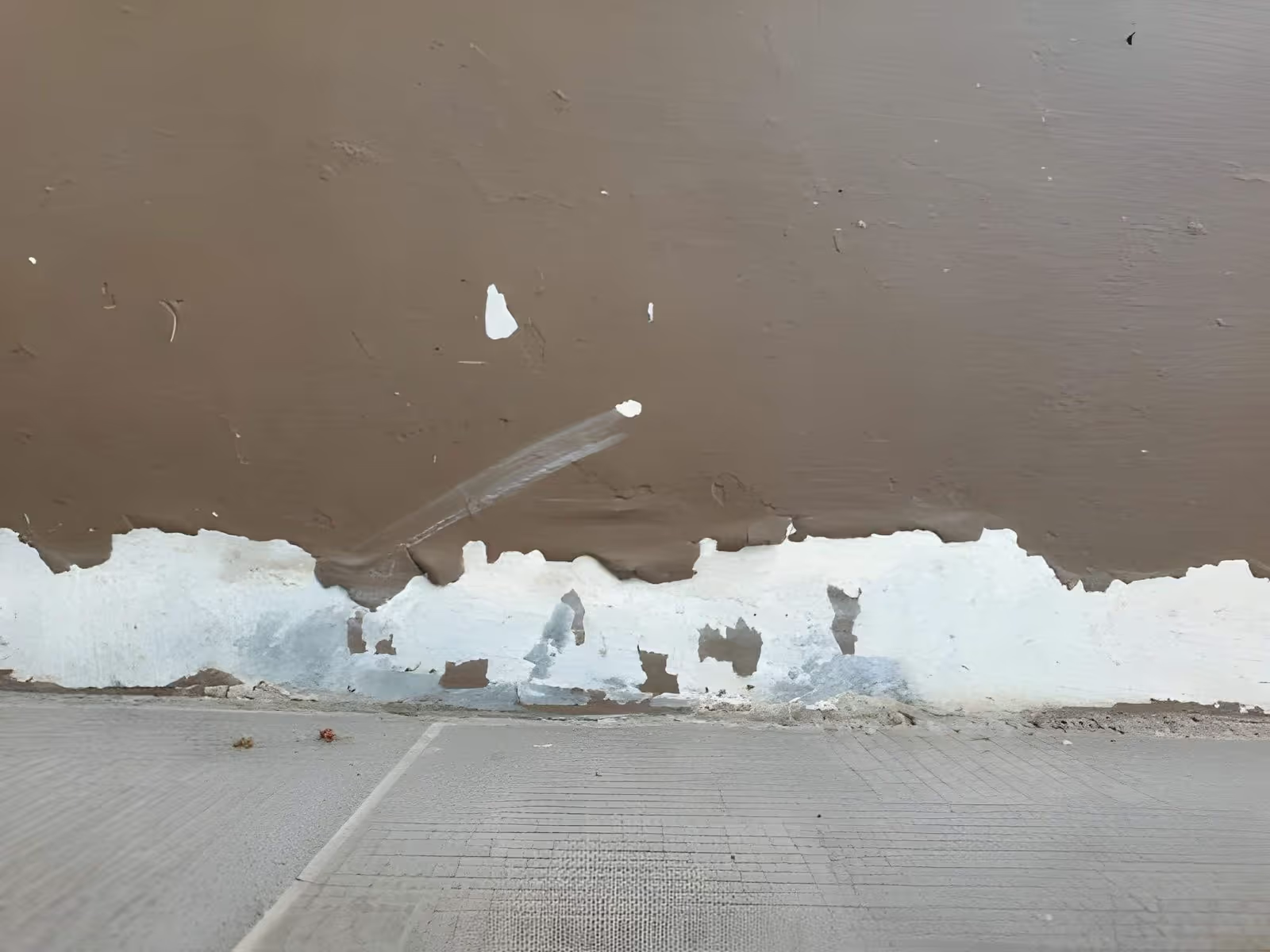
Concrete Repair and Crack Treatment in Falls Church, VA
Your garage floor is more than just a place to park your car. It's a workspace, a storage area, and often the first impression guests have of your home's exterior. When cracks begin to spread across your concrete surface, they're not just an aesthetic concern - they represent a structural vulnerability that can worsen over time. At Garage Design Source, we've spent years perfecting our concrete repair and crack treatment methods to ensure your Falls Church garage floor remains both beautiful and durable for decades to come.
Concrete deterioration happens gradually. Small hairline cracks allow moisture to seep beneath the surface, where it freezes and expands during Virginia's cold winters. This cycle repeats year after year, transforming minor surface damage into serious structural problems. The good news is that professional crack treatment, when performed early and correctly, can halt this progression and restore your concrete to its original integrity.
Understanding Concrete Crack Types
Not all concrete cracks are created equal, and the repair approach depends on understanding what caused the damage in the first place. We've assessed hundreds of garage floors throughout the Washington D.C. metro region, and our experience has taught us that proper diagnosis is the foundation of effective repair.
Hairline cracks are the most common type we encounter. These thin, surface-level cracks typically result from normal concrete curing or minor settling. While they may seem insignificant, hairline cracks are actually the most dangerous because they allow water infiltration without drawing immediate attention. Left untreated, they expand into larger structural cracks within one to two seasons.
Structural cracks run deeper into the concrete, often at angles or in patterns. These typically indicate foundation settling, soil movement, or significant stress on the concrete slab. Structural cracks require more intensive treatment and sometimes reveal underlying issues with how the garage floor was originally installed or how the surrounding soil has shifted.
Spalling refers to areas where the concrete surface has flaked away or deteriorated, creating pitted, uneven patches. This damage accelerates when salt from winter road conditions or de-icing products seeps into existing cracks. Spalling not only compromises the floor's durability but also creates trip hazards and detracts from your garage's overall appearance.
Settlement cracks develop when portions of the concrete slab shift or settle unevenly. These cracks often appear in a staircase pattern and may indicate that the subbase wasn't properly compacted during initial installation. Settlement requires assessment to determine whether the movement is ongoing or has stabilized.
Our Concrete Inspection and Assessment Process
Before we recommend any repair method, we conduct a thorough inspection of your Falls Church garage floor. This assessment process is critical because the wrong repair approach can waste money and fail to address the root cause.
Our inspection begins with a visual evaluation of all visible cracks and deterioration. We map out the crack patterns, noting their direction, depth, and whether they're isolated or part of a larger network. We also assess the surrounding concrete for signs of moisture damage, discoloration, or efflorescence - the white, chalky residue that indicates water movement through the concrete.
We use specialized tools to measure crack width and depth. Hairline cracks might measure only a few thousandths of an inch, while structural cracks can exceed a quarter-inch. Depth is equally important; surface cracks behave differently than cracks that penetrate several inches into the slab. This information determines whether we use epoxy injection, polyurethane injection, or routing and patching methods.
We also evaluate the concrete's overall condition and the type of damage present. If we observe multiple spalled areas, we'll recommend surface preparation and patching before addressing cracks. If we notice evidence of active water intrusion, we may recommend installing a moisture barrier or improving drainage around the garage foundation.
Finally, we discuss your plans for the space. If you're considering a full garage floor coating after repairs, we'll factor that into our recommendations. If you simply want to restore structural integrity and stop water infiltration, we'll tailor our approach accordingly. Our goal is to provide solutions that match your specific needs and budget, not to oversell services you don't require.
Surface Preparation and Cleaning
Proper surface preparation makes or breaks any concrete repair project. Even the most sophisticated injection or patching technique will fail if the concrete surface isn't thoroughly cleaned and prepared to receive treatment.
We begin by removing any existing coatings, sealers, or debris from the repair area. Concrete that has been previously sealed may require grinding or shot blasting to expose the bare surface and allow repair materials to bond properly. If your garage floor has oil stains or chemical residue, we'll use appropriate cleaning methods to remove these contaminants.
For hairline cracks, we use diamond grinding equipment to widen the crack slightly and create a better profile for injection materials. This routing process, typically widening cracks to a quarter-inch or so, ensures that epoxy or polyurethane can flow deep into the crack and create a strong bond. The routing also removes any loose concrete debris from the crack interior.
We then thoroughly vacuum the crack to remove all dust and debris. Even tiny particles can prevent proper material adhesion and compromise the repair's longevity. For deeper cracks, we may use compressed air to ensure complete cleanliness throughout the crack depth.
The surrounding concrete is cleaned with appropriate methods based on the material and condition. For most repairs, this involves degreasing and either pressure washing or mechanical scrubbing, followed by thorough drying. The concrete must be completely dry before we apply injection materials or patching compounds, as moisture prevents proper curing and reduces bond strength.
Epoxy Injection for Hairline and Fine Cracks
For hairline cracks and fine fractures, epoxy injection is often the ideal repair solution. Epoxy is a two-part adhesive that, when properly mixed and injected, creates a bond stronger than the original concrete. It also provides exceptional moisture resistance, preventing water infiltration that could restart the deterioration cycle.
Our epoxy injection process begins after we've routed the crack to approximately a quarter-inch width. We install injection ports - small tubes or ports - along the crack at intervals, typically spaced 12 to 18 inches apart. These ports allow us to ensure complete filling of the crack from bottom to top.
We mix the epoxy according to the manufacturer's specifications, ensuring proper ratio between resin and hardener. Incorrect mixing is one of the most common causes of epoxy injection failure, so we use precise scales and mixing procedures to guarantee consistency. We also account for temperature; epoxy cures differently in cold Northern Virginia winters than in summer heat, so we may adjust our process timing accordingly.
The epoxy is injected starting from the lowest port, using equipment that creates proper pressure to force the material deep into the crack. As epoxy fills the crack, it rises to the next port, and we continue injecting until material reaches the surface. This methodical process ensures no voids or air pockets remain in the crack. Any air pockets would create a weak point where cracks could recur.
After all injection is complete, we cap the injection ports with epoxy putty or small plugs, creating a seamless surface finish. The epoxy then cures according to its specific formulation - typically 24 to 48 hours for foot traffic and 7 days for full cure and load bearing. During this curing period, the concrete should not be disturbed, so we'll provide clear instructions on protecting the repair area.
Polyurethane Injection for Deeper and More Demanding Applications
For structural cracks, cracks that show signs of active water movement, or situations where epoxy may not provide adequate flexibility, we recommend polyurethane injection. Polyurethane is more flexible than epoxy and accommodates ongoing minor movement better, making it ideal for cracks that may shift seasonally or due to soil settling.
Polyurethane injection follows a similar process to epoxy - we route the crack, install injection ports, and systematically inject material from bottom to top. However, polyurethane behaves differently during injection and curing. Polyurethane can expand as it cures, actually filling small voids and air pockets more effectively than epoxy in some applications.
The flexibility of polyurethane makes it particularly valuable in the Falls Church area, where seasonal ground movement and freeze-thaw cycles create ongoing stress on concrete slabs. While epoxy creates a rigid, strong bond, polyurethane accommodates slight movement without re-cracking, extending the repair's service life in challenging conditions.
Polyurethane also provides superior moisture barrier properties in many applications. If we've identified active water intrusion or if you plan to apply moisture-sensitive coatings later, polyurethane often outperforms epoxy. The material cures quickly too - typically ready for foot traffic within 2 to 4 hours and full cure within 24 hours, getting your garage back to normal use faster.
Patching and Leveling for Spalled and Deteriorated Areas
Spalling and surface deterioration require a different approach than crack injection. These areas have lost concrete material and create both structural weakness and safety hazards. Our patching and leveling process restores both the concrete's integrity and your garage floor's appearance.
When we encounter spalled areas, we first remove all loose and deteriorated concrete. Using chisels, grinders, or pneumatic tools, we cut away damaged material until we reach solid, healthy concrete. This removal sometimes requires removing more material than was originally visible, but this ensures the patch bonds to solid substrate rather than weak or compromised concrete.
We then prepare the cleaned patch area for patching material. The walls of the patch cavity are cleaned thoroughly, and depending on the size and depth of the area, we may apply a bonding agent to improve adhesion of the patching material. For larger spalled areas, we may install reinforcing mesh or fibers to increase the patch's strength.
We fill the patch area with our selected patching material - typically a self-leveling concrete repair compound that cures quickly and matches the existing concrete color. We overfill slightly, then smooth and finish the patch level with the surrounding concrete. The material cures according to specifications, and once cured, the patched area becomes part of the structural slab again.
For areas with multiple spalled sections or extensive surface deterioration, we may recommend concrete resurfacing rather than individual patching. A thin resurfacer applied across the entire affected area creates a more uniform appearance and restores surface smoothness throughout your garage floor.
Protective Coatings and Long-Term Protection
Once we've repaired cracks and patched deteriorated areas, we recommend applying a protective coating to prevent future damage. This step transforms your repair investment into long-term protection, and it also dramatically improves your garage floor's appearance.
Concrete sealers create a moisture barrier that prevents water, salt, and chemical penetration that cause cracking and deterioration. A quality sealer applied after repair can extend your concrete's life by decades. We offer several coating options, each with distinct benefits and aesthetics.
Polyaspartic and polyurea coatings provide premium protection and durability. These materials create a tough, non-porous surface that resists the harsh conditions concrete floors endure - oil spills, tire marks, road salt, and freeze-thaw cycles. They cure quickly, often ready for use within hours, and maintain their appearance through regular cleaning.
Traditional acrylic sealers offer more budget-conscious protection while still providing significant benefits. They're easier to apply and provide adequate protection for most residential garage applications. Acrylic sealers do require reapplication every two to three years to maintain optimal protection, but they're straightforward to maintain.
Applying protective coating after repair prevents new cracks from developing and stops water infiltration that could damage your repair work. This combined approach - professional repair plus protective coating - is how we ensure Falls Church homeowners experience long-lasting results from their concrete investments.
Expected Timelines and Cure Times
Understanding project timelines helps you plan around garage use and organize your schedule. Concrete repair timelines vary based on the repair method, crack size, and extent of damage.
For hairline crack epoxy injection, the process typically takes one to two days for assessment, surface preparation, and injection. The epoxy reaches foot traffic readiness within 24 to 48 hours, though full cure takes seven days. During the initial cure period, avoid driving on the repaired area and keep the concrete dry.
Polyurethane injection follows a similar timeline with faster cure times. You're often ready to use the garage within four to six hours after injection, making polyurethane ideal when garage access is urgent.
Spalling repairs and patching take longer because of the material removal and resurfacing process. Depending on the extent of spalling, this work typically spans two to three days. The patching material must cure fully before applying protective coatings or resuming heavy use.
If we're applying a protective coating after repairs, that adds one to two additional days. Coatings cure at different rates depending on the product - some are ready for light use within hours, while others require several days before the surface reaches full hardness. We'll provide specific timeline details based on the products and conditions.
We always schedule repairs to minimize disruption to your Falls Church home. Weather conditions matter too - we cannot inject epoxy or apply coatings in extremely cold temperatures or when moisture is present, so winter timing may require flexibility.
Why Timely Concrete Repair Matters
Postponing concrete repair is often a false economy. Small cracks seem manageable, but they grow progressively worse each year. A hairline crack visible in summer expands through the freeze-thaw cycles of Northern Virginia winters, becoming a structural crack by spring. This expansion accelerates deterioration and increases repair costs substantially.
Water infiltration through cracks causes damage beyond the concrete itself. Moisture seeping beneath your garage floor can damage the subbase, compromise adjacent structures, and create conditions for mold or other moisture-related problems. Addressing cracks early prevents these cascading issues.
Additionally, leaving cracks unrepaired can compromise any future garage improvements you plan. If you're considering a new epoxy floor coating or other upgrades, we'll need to address existing cracks first. Starting repair now prevents delays and additional expense when you're ready for your broader garage transformation.
Cracks also create safety hazards. Spalled or uneven concrete can catch shoes or wheeled equipment, creating trip and fall risks. Professional repair restores a smooth, safe surface that's appropriate for active garage use.
Factors Affecting Repair Costs
While we don't quote prices on this page, understanding cost factors helps you appreciate the value of professional repair work and make informed decisions about your project.
The extent of damage is the primary cost factor. A single hairline crack requires far less work than a garage floor covered in spalling and multiple structural cracks. During our assessment, we'll provide a clear picture of damage scope and how it affects the repair approach.
The repair method selected influences cost. Epoxy injection and polyurethane injection have different material and labor requirements. Patching and leveling for spalled areas requires more labor than simple crack injection. We'll explain how each method factors into the overall project cost.
The condition of the concrete affects preparation requirements. Concrete that's heavily stained or sealed may require more extensive surface preparation, increasing labor time. Cleaner, less-complicated surfaces move faster through the preparation phase.
The size of your garage floor and the total square footage needing protection (through coating application) also affects pricing. Larger projects typically offer better per-square-foot economics than small repairs.
We're transparent about pricing during our consultation. Once we've assessed your Falls Church garage floor, we'll explain exactly what work is needed, why each step matters, and how costs break down. You'll understand the investment required and the specific value each component provides.
Warranties and Long-Term Confidence
Garage Design Source stands behind our repair work. We warrant our concrete repairs against defects in materials and workmanship for a specified period, giving you confidence in the quality of our work. The length and terms of our warranty depend on the specific repair method and materials used, which we'll detail during your consultation.
Our warranty covers issues like injection materials not adequately filling cracks, patching materials separating from the surrounding concrete, or protective coatings developing premature failure. We're committed to lasting results, and our warranty reflects that commitment.
Beyond warranty coverage, we provide guidance on maintaining your repaired concrete to maximize its lifespan. Regular cleaning, avoiding harsh chemicals, and reapplying protective coatings as needed will keep your garage floor performing beautifully for decades.
Maintenance Tips for Your Repaired Concrete
Protecting your repair investment requires some attention, but the maintenance is straightforward and simple.
Regular cleaning keeps your garage floor looking great and allows you to spot any emerging issues early. Sweep away debris regularly and wash the floor periodically with mild detergent and water. This removes dirt, oil stains, and other contaminants that can compromise sealers or coatings.
Avoid harsh chemicals that can damage protective coatings or corrode repairs. Avoid muriatic acid cleaners, strong de-icing salts in the garage, or other aggressive chemicals. If you need to clean something stubborn, ask us for recommendations on garage-safe cleaning methods.
Reapply protective coatings on the schedule recommended for your specific product. Acrylic sealers typically need refreshing every two to three years. Polyaspartic and polyurea coatings last longer but still benefit from periodic resealing. Regular coating maintenance prevents deterioration of the underlying concrete.
Address new cracks promptly. If you notice new cracking developing, contact us for assessment. Early intervention prevents minor issues from becoming major problems.
Manage water drainage around your garage foundation. Ensuring water drains away from the foundation prevents groundwater from undermining repairs or creating new cracking through hydrostatic pressure.
Why Choose Garage Design Source for Your Concrete Repair
Garage Design Source has been serving the Falls Church area and the broader Washington D.C. metro region for years. We're not a national chain that sends different crews to each project - we're locally owned and operated, personally invested in our reputation within the community we serve.
Our specialization in garage solutions means we see concrete challenges regularly and understand how to address them properly. We've invested in equipment and training to ensure our repairs meet professional standards. We're meticulous about surface preparation, material mixing, and application - the details that determine whether concrete repairs succeed or fail.
We approach each project thoughtfully. Rather than recommending the most expensive solution, we identify what your specific concrete situation requires and explain our reasoning clearly. Some projects benefit from epoxy injection, others from polyurethane, and some from patching approaches. Our assessment determines the optimal path rather than a predetermined approach.
When you work with Garage Design Source for concrete repair, you're choosing a partner focused on the long-term success of your garage floor. We're interested in how your repair performs over years, not just in completing the project quickly. That mindset shapes everything we do, from our initial assessment through our warranty and maintenance guidance.
Your garage floor is part of your home's infrastructure and appearance. Cracks and deterioration detract from both. Professional repair from specialists who understand concrete, who use quality materials and proven techniques, and who stand behind their work makes a meaningful difference in your garage's longevity and appearance.