.svg)
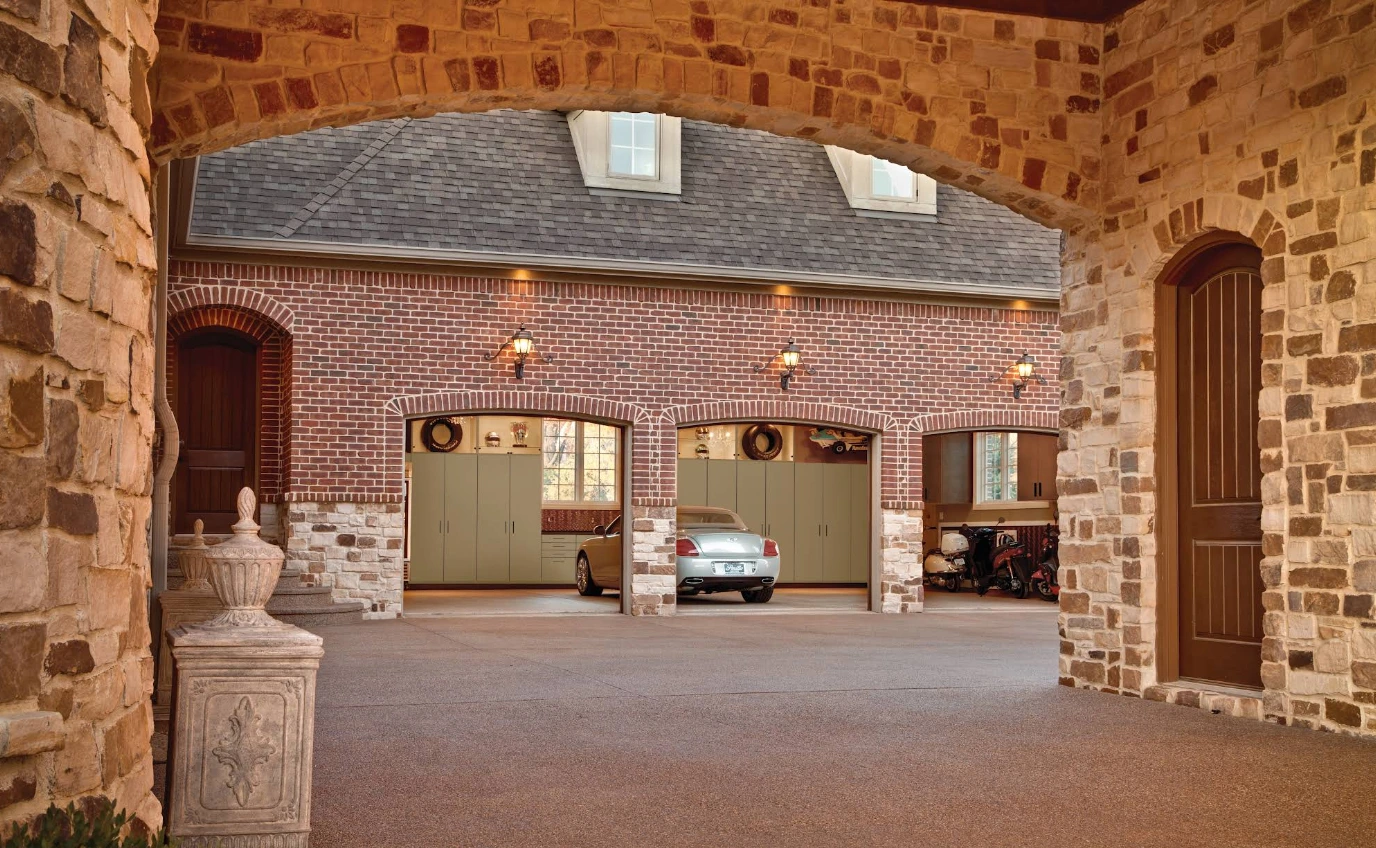
Your garage floor is one of the hardest working surfaces in your home. It bears the weight of vehicles, supports heavy storage systems, and endures daily foot traffic, spills, and temperature fluctuations. Over time, even the most durable concrete develops cracks, chips, and surface damage. Whether you're dealing with a small hairline fracture or significant structural concerns, addressing concrete damage promptly protects your investment and prevents more costly repairs down the road. Garage Design Source specializes in professional concrete repair and crack treatment for residential and commercial properties throughout the Gaithersburg area, restoring your garage floor to its original condition and preparing it for protective coatings that enhance durability and appearance.
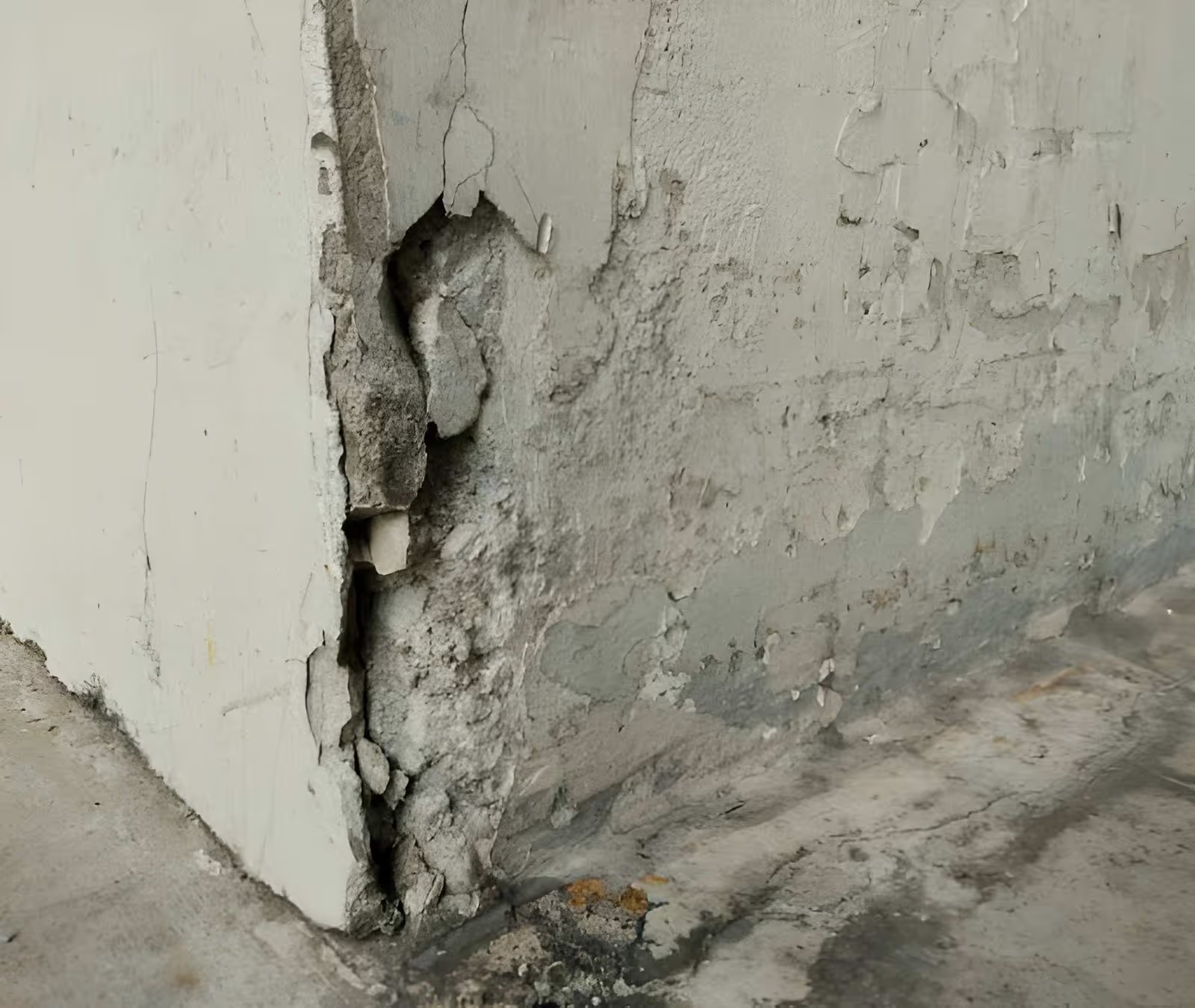
Concrete Repair and Crack Treatment in Gaithersburg, MD
Your garage floor is one of the hardest working surfaces in your home. It bears the weight of vehicles, supports heavy storage systems, and endures daily foot traffic, spills, and temperature fluctuations. Over time, even the most durable concrete develops cracks, chips, and surface damage. Whether you're dealing with a small hairline fracture or significant structural concerns, addressing concrete damage promptly protects your investment and prevents more costly repairs down the road. Garage Design Source specializes in professional concrete repair and crack treatment for residential and commercial properties throughout the Gaithersburg area, restoring your garage floor to its original condition and preparing it for protective coatings that enhance durability and appearance.
Concrete cracks aren't just cosmetic issues. They're entry points for water, chemicals, and contaminants that accelerate deterioration and compromise the structural integrity of your slab. In the Gaithersburg, MD climate, freeze-thaw cycles during winter months can expand existing cracks and create new ones, making early intervention essential. Our concrete repair and crack treatment services combine industry-leading techniques with meticulous craftsmanship to eliminate damage and create a solid foundation for your garage transformation.
Understanding Concrete Damage in Your Garage
Concrete deterioration happens for several reasons. Heavy vehicle weight, moisture infiltration, chemical exposure from road salt and de-icers, and natural aging all contribute to cracking and spalling. Identifying the type and severity of damage is the first step toward effective repair.
Common Types of Concrete Damage:
- Hairline cracks - Thin, shallow cracks that appear on the surface, often caused by shrinkage or minor settlement
- Structural cracks - Wider, deeper fractures that run through the slab, typically caused by significant stress or foundation movement
- Spalling - Flaking, chipping, or scaling where the concrete surface breaks away in chunks, exposing the aggregate underneath
- Pitting and surface deterioration - Small holes and rough patches from chemical attack, freeze-thaw damage, or abrasion
- Settlement cracks - Diagonal or step cracks that indicate uneven floor elevation or soil movement beneath the slab
The winter conditions in Gaithersburg are particularly hard on concrete floors. Moisture from melting snow and ice penetrates cracks, then refreezes, expanding and widening the damage. This cycle repeats throughout the season, turning minor cracks into serious structural problems. Addressing cracks before winter arrives protects your concrete and extends the lifespan of your garage floor.
Professional Concrete Inspection and Assessment
The foundation of any quality repair is a thorough inspection. Our technicians evaluate your concrete floor systematically to identify all damage, determine underlying causes, and recommend the most effective repair strategy.
Our Inspection Process:
- Visual assessment - We examine the entire floor surface, documenting crack patterns, spalling areas, staining, and surface conditions
- Crack width and depth measurement - We measure cracks to determine severity and appropriate treatment methods
- Moisture testing - We check for moisture intrusion, which affects repair material selection and cure times
- Floor elevation check - We identify high or low spots that may indicate foundation issues or settlement
- Photo documentation - We capture detailed images for your records and to track progress throughout the repair process
This detailed assessment ensures we select the right repair method for your specific situation. A small hairline crack requires different treatment than a wide structural fracture. Spalling damage needs different repair techniques than a clean crack. By properly diagnosing the problem, we avoid wasting time and money on ineffective solutions.
Surface Preparation and Cleaning
Proper surface preparation is critical for any concrete repair to succeed. Concrete repair materials won't bond effectively to dirty, loose, or deteriorated surfaces. Our preparation process removes all obstacles to a strong, lasting repair.
Preparation Steps:
- Cleaning - We thoroughly clean the damaged area and surrounding concrete using pressure washing and specialized cleaning solutions to remove dirt, dust, oils, and contaminants
- Debris removal - Any loose concrete, spalling fragments, or flaking material is chipped away and removed
- Surface profiling - For wider repairs, we may grind or scarify the surface to create a textured profile that promotes bonding
- Drying - We allow adequate drying time before applying repair materials, ensuring proper adhesion
- Edge preparation - Crack edges are squared off or beveled to create a clean surface for routing or patching
This meticulous preparation work is invisible in the finished product, but it's absolutely essential for durability. Shortcuts in surface prep lead to repairs that fail within months or years. Our commitment to doing this work right is one reason homeowners and businesses throughout Gaithersburg trust Garage Design Source for their concrete restoration needs.
Crack Routing and Injection Methods
For cracks, we employ proven routing and injection techniques that restore structural integrity and prevent future damage. The method we choose depends on crack width, depth, and location.
Hairline Crack Treatment (Less Than 1/8 Inch):
Hairline cracks often appear on the concrete surface but may not penetrate deeply into the slab. For these cracks, we use liquid epoxy or polyurethane injection systems that flow into the crack and cure to create a waterproof seal. The repair material bonds chemically with the concrete, becoming part of the slab rather than sitting on top of it. This approach works particularly well for cosmetic cracks and those caused by shrinkage. The injected material prevents water and contaminants from entering while maintaining the floor's appearance.
Medium Cracks (1/8 to 1/2 Inch):
Wider cracks require routing - enlarging and cleaning the crack to accept repair materials more effectively. We cut the crack to a consistent width and depth, typically creating a V-shaped or rectangular groove. This wider, cleaner channel allows injection materials to penetrate fully and bond securely. After routing, we inject epoxy or polyurethane into the enlarged crack. These materials cure to a hardness equal to or greater than the surrounding concrete, restoring load-bearing capacity. Once the material cures, the repaired crack becomes as strong as the original slab.
Wide or Structural Cracks (Greater Than 1/2 Inch):
Large cracks that indicate structural movement or significant damage require more extensive repair. In these cases, we may use polyurethane injection combined with routing, or mechanical anchoring methods for cracks showing ongoing movement. Wide cracks sometimes indicate underlying settlement or foundation issues that need to be addressed separately. Our inspection identifies these situations so we can recommend appropriate solutions.
Why Epoxy and Polyurethane:
Epoxy and polyurethane are superior to older concrete repair methods for several reasons. Both materials cure to create waterproof seals that prevent moisture infiltration. They maintain flexibility during temperature changes, accommodating the seasonal expansion and contraction that causes cracks to reopen. They bond chemically to concrete, creating permanent repairs rather than surface-level fixes. Unlike caulking or basic concrete patching compounds, epoxy and polyurethane injections restore structural integrity to the repaired crack.
Patching and Leveling Spalled Areas
Spalling - where chunks of concrete flake away from the surface - requires a different approach than crack injection. Spalled areas need complete patching and often leveling to restore a smooth, even floor.
Spall Repair Process:
- Isolation - We define the spalled area clearly, removing all loose and damaged concrete until we reach solid material
- Cleaning - The repair area is thoroughly cleaned to remove all dust and debris
- Bonding agent application - We apply a concrete bonding adhesive that helps the patching compound adhere securely
- Patch material selection - Depending on the depth and size of the spall, we use concrete patching compounds, epoxy putty, or hydraulic cement
- Patch installation and finishing - The repair material is applied and finished flush with the surrounding concrete surface
- Leveling as needed - If the spall created an uneven floor, we grind the patched area to match the surrounding elevation
Spalled areas are common in Gaithersburg garages, particularly near entryways where road salt and moisture accumulate. Each winter cycle causes more flaking and deterioration. Our spall repair work stops this progression and restores a clean, safe floor surface.
Protective Coatings After Repair
Once cracks are repaired and spalling is patched, applying a protective coating is the most important step toward long-term durability. Concrete repair work creates the ideal foundation for coating application, ensuring the best possible adhesion and performance.
Epoxy Coatings:
Epoxy is the traditional choice for garage floors, offering excellent durability, chemical resistance, and aesthetic appeal. Two-part epoxy systems create a hard, glossy finish that resists oil stains, water damage, and abrasion. Epoxy cures through a chemical reaction between resin and hardener, forming a thermosetting plastic. The result is a coating that becomes increasingly harder over time and typically lasts 5-10 years or longer with proper maintenance. Epoxy is ideal for homeowners seeking a durable, attractive finish at a moderate cost.
Polyaspartic Coatings:
Polyaspartic is a premium alternative to traditional epoxy, offering faster cure times and superior durability. Where epoxy might require 24-48 hours of cure time before the floor is walkable, polyaspartic systems cure in 4-8 hours. This faster installation means less disruption to your routine. Polyaspartic coatings also resist yellowing and UV damage better than epoxy, maintaining their appearance longer. The added durability and convenience of faster cure times make polyaspartic an excellent choice for busy households.
Polyurea Coatings:
Polyurea represents the highest tier of garage floor protection. These coatings cure in just 2-4 hours and offer exceptional durability and flexibility. Polyurea maintains its appearance for 10-15 years or longer and resists extreme temperature swings, making it ideal for Gaithersburg's climate. The superior flexibility of polyurea means it accommodates concrete movement without cracking or peeling. For homeowners seeking the longest-lasting, most durable option, polyurea is the premium choice.
Applying a protective coating after concrete repair serves multiple purposes. It seals out moisture and contaminants that would otherwise cause new cracks to form. It creates a smooth, easy-to-clean surface that resists staining. It enhances the appearance of your garage floor with color options and finishes. Most importantly, it protects your repair investment, ensuring the work we've done lasts for years to come.
Expected Timelines and Cure Times
Understanding the repair timeline helps you plan your garage use and storage needs. Different repair methods and coating options have different cure times.
Crack Injection Timeline:
For hairline and medium cracks treated with injection methods, the process typically takes one to two days from start to finish. Surface preparation and crack routing can be completed in a few hours. Epoxy or polyurethane injection takes another hour or two. Once injected, materials require curing time before the floor can handle weight. Epoxy typically cures sufficiently for light foot traffic within 24 hours, though full cure may take 3-7 days. Polyurethane cures faster - often 4-8 hours for foot traffic tolerance. If a protective coating follows the crack repair, total project time extends to 2-3 days depending on coating selection.
Spall Patching Timeline:
Spall repair work moves more quickly. Isolating and preparing the damaged area takes 1-2 hours. Applying patching compound and finishing takes another 2-3 hours. Most concrete patching compounds achieve sufficient cure for light traffic within 24 hours. However, epoxy or polyaspartic coatings applied after patching may extend the total timeline.
Full Floor Repair and Coating Timeline:
When addressing multiple cracks and spalls across your entire floor before applying a protective coating, the project typically spans 3-7 days depending on the extent of damage and coating selection. We schedule work to minimize disruption to your daily routine, often completing prep work on day one and finishing with coating application on subsequent days. Fast-curing polyaspartic or polyurea coatings reduce overall project duration compared to traditional epoxy.
After any repair or coating work, we provide detailed care instructions and cure time recommendations. Following these guidelines ensures the repair materials achieve full strength and your floor reaches its best appearance.
Factors Affecting Repair Costs
Several variables influence the overall cost of concrete repair and crack treatment. Understanding these factors helps you anticipate expenses and make informed decisions about your garage floor.
Type and Extent of Damage:
The severity of cracks and spalls directly affects repair costs. A single hairline crack treated with simple injection costs significantly less than multiple wide structural cracks requiring routing and injection. Extensive spalling across large floor areas costs more than isolated damaged spots. Our inspection provides a clear picture of the damage and the repair work required.
Crack Routing Requirements:
Some cracks require routing to properly accept injection materials, while others can be treated with direct injection. Routing adds labor time and material costs. Wider cracks that need more extensive routing are more expensive to repair than simple hairline cracks.
Floor Coating Selection:
Adding a protective coating after crack and spall repair enhances durability and appearance. Epoxy coatings add modest cost and provide good durability. Polyaspartic coatings cost more but offer faster cure times and superior performance. Polyurea represents the premium option with the longest lifespan and best performance. The coating you choose significantly impacts total project cost.
Floor Condition and Preparation:
Floors requiring extensive cleaning, multiple spall repairs, or surface profiling cost more than those needing minimal prep work. Heavily stained or deteriorated concrete demands more preparation time before repair materials can be applied effectively.
Project Size:
The total square footage of your garage floor influences pricing. Repairs on a 400-square-foot garage floor cost less than those on a 800-square-foot space. However, repair costs often don't scale linearly with size - addressing multiple small issues across a large floor may be more cost-effective per square foot than repairing one concentrated damaged area.
During our initial consultation, we assess your concrete condition, discuss coating options, and provide transparent cost estimates. This allows you to understand exactly what work is needed and what it will cost before committing to the project.
Warranties and Long-Term Durability
Quality repair work backed by warranties provides peace of mind and protects your investment. Garage Design Source stands behind our concrete repair and crack treatment work.
Material Warranties:
Epoxy, polyaspartic, and polyurea manufacturers typically warrant their products against defects in materials and workmanship for 3-10 years depending on the specific product and application. These warranties cover situations where the coating fails due to material defects, provided the floor was properly prepared and the coating was applied according to specifications.
Workmanship Guarantees:
Our concrete repair work is guaranteed against defects resulting from improper installation or material failure for a specified period. If a crack repair or spall patch fails due to our workmanship, we stand behind the work and make it right.
Realistic Durability Expectations:
Concrete repair and protective coatings are durable but not permanent. Epoxy coatings typically last 5-10 years. Polyaspartic coatings often reach 7-12 years. Polyurea coatings may last 10-15 years or longer. These timelines depend on usage intensity, maintenance, and garage conditions. Garages with light to moderate use see longer coating life than those subjected to heavy traffic or chemical exposure.
Environmental factors also influence durability. Gaithersburg's freeze-thaw cycles, moisture exposure, and temperature extremes are tough on garage floors. Regular maintenance and prompt attention to any new damage extends the life of repairs and coatings. We provide detailed maintenance guidelines to help you maximize the lifespan of your garage floor investment.
Maintenance Tips for Repaired Concrete
Proper maintenance after repair work maximizes durability and keeps your garage floor looking great for years to come.
Regular Cleaning:
Sweep or vacuum your garage floor weekly to remove dirt and debris. Clean up spills promptly, especially oil, chemicals, or road salt tracked in from vehicles. For sealed floors, damp mopping with mild soap and water maintains appearance without damaging the protective coating. Avoid harsh chemicals or abrasive cleaners that might degrade the coating.
Moisture Management:
Prevent water accumulation by ensuring proper drainage in your garage. In winter months, wipe away snow and ice that melts from vehicles. Use mats or absorbent materials to protect the floor from extended moisture exposure, particularly near entryways.
Protective Measures:
Place mats under parked vehicles to catch oil and fluid drips. Use cardboard or protective coverings under heavy furniture or appliances moved across the floor. While modern epoxy and polyaspartic coatings are quite durable, a few simple precautions prevent unnecessary wear and extend coating life.
Prompt Repair of New Damage:
If you notice new cracks appearing or the coating showing wear, address these issues quickly. Small cracks are easier and less expensive to repair than large ones. Prompt attention prevents minor damage from becoming major problems requiring extensive repair work.
Avoid Extreme Conditions:
While cured epoxy and polyaspartic coatings are tough, avoid extreme chemicals, intense heat sources, or harsh impacts. Don't allow standing water to remain on the floor for extended periods. Maintain reasonable garage temperatures - extreme heat or cold can stress the concrete and coating.
Why Choose Garage Design Source for Concrete Repair
Concrete repair and crack treatment are specialized services requiring technical expertise and quality materials. Garage Design Source brings years of experience in garage floor restoration to every project in the Gaithersburg area.
We start with thorough inspection and assessment, ensuring we understand the full scope of damage before recommending solutions. Our technicians use proven crack injection methods, professional-grade epoxy and polyurethane materials, and meticulous surface preparation that other contractors sometimes skip. We stand behind our work with warranties on materials and labor, giving you confidence that your repair investment is protected.
As a locally owned and operated company serving the Washington D.C. metro region, we understand the specific challenges that concrete floors face in our climate. Freeze-thaw cycles, salt exposure, and seasonal moisture create particular problems that require properly executed solutions. Our experience with hundreds of garage floor repair projects throughout Gaithersburg and the surrounding area means we've seen virtually every concrete damage scenario and know the most effective repair approaches.
We take pride in meticulous workmanship and attention to detail. Concrete repair isn't glamorous work, but it's essential for protecting your garage floor and the investment you've made in your home. Our commitment to quality preparation, proper material application, and customer communication ensures your repair project proceeds smoothly and delivers lasting results.
Whether you're dealing with a single crack that concerns you or extensive damage across your garage floor, Garage Design Source has the expertise and materials to restore your concrete to excellent condition. Contact us today to schedule a consultation and receive a detailed assessment and cost estimate for your concrete repair and crack treatment needs.