.svg)
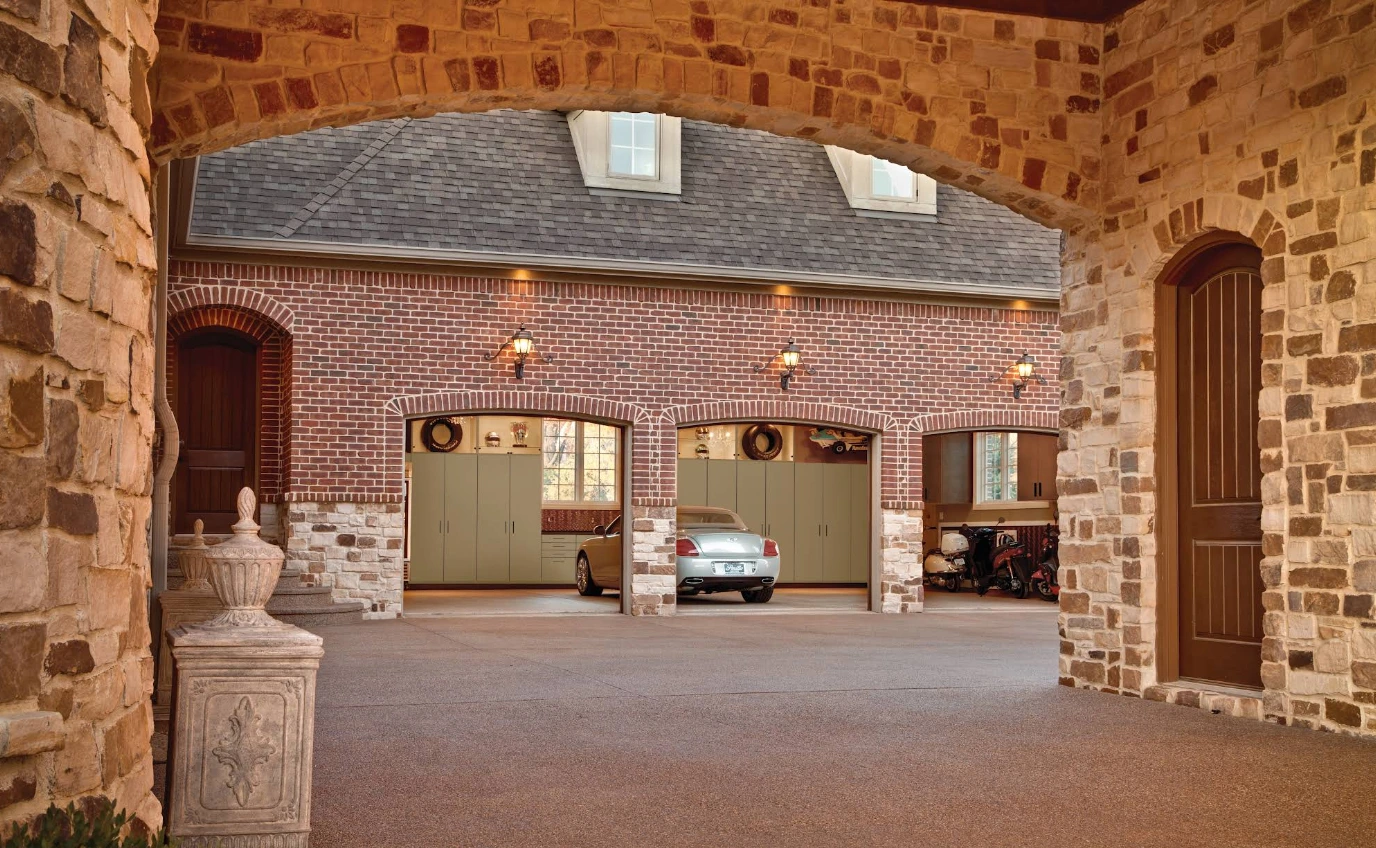
Your garage floor is one of the hardest working surfaces in your home. Day after day, it bears the weight of vehicles, handles temperature fluctuations, and endures chemical spills and moisture exposure. Over time, even the most durable concrete develops cracks, chips, and surface damage that can compromise both the appearance and integrity of your space. If you're noticing signs of deterioration in your Georgetown garage floor, concrete repair and crack treatment can restore functionality and protect your investment for years to come.
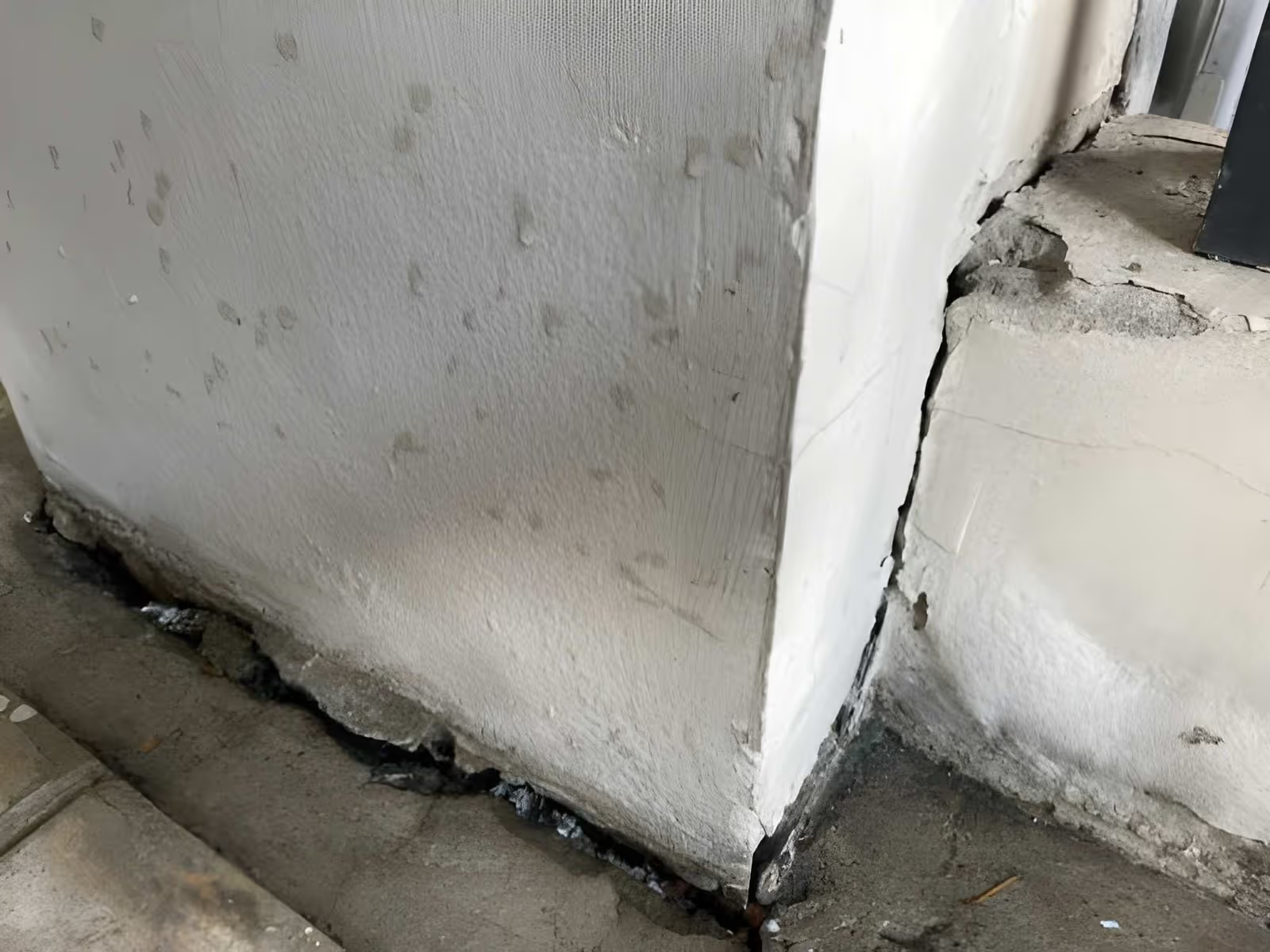
Concrete Repair and Crack Treatment in Georgetown, DC
Your garage floor is one of the hardest working surfaces in your home. Day after day, it bears the weight of vehicles, handles temperature fluctuations, and endures chemical spills and moisture exposure. Over time, even the most durable concrete develops cracks, chips, and surface damage that can compromise both the appearance and integrity of your space. If you're noticing signs of deterioration in your Georgetown garage floor, concrete repair and crack treatment can restore functionality and protect your investment for years to come.
Garage Design Source specializes in comprehensive concrete repair and crack treatment for homeowners throughout Georgetown and the Washington D.C. metro area. We understand that a damaged concrete floor isn't just an eyesore - it's a potential liability and a gateway for moisture and contaminants to penetrate deeper into your concrete. Our team brings over two decades of expertise in diagnosing concrete problems, implementing targeted repairs, and applying protective solutions that stand up to the demands of daily garage use.
Understanding Concrete Damage in Georgetown Garages
Georgetown's climate presents unique challenges for concrete. The region experiences significant freeze-thaw cycles during winter months, where moisture seeps into small cracks and expands as it freezes, causing existing damage to worsen rapidly. Spring rains compound the problem by introducing additional moisture that can undermine your concrete slab. Combined with the weight of vehicles and the natural settlement that occurs in older homes common throughout Georgetown, concrete deterioration is nearly inevitable without proper maintenance and timely repair.
The most common concrete issues we address include:
- Hairline and spider web cracks - Fine surface cracks that may seem minor but allow water penetration
- Structural cracks - Deeper, wider cracks indicating movement or settling in the slab
- Spalling and chipping - Surface damage where concrete flakes or chunks have broken away
- Pitting and corrosion - Rough, pocked surfaces from salt, chemicals, or age
- Uneven surfaces and tripping hazards - Settled or heaved concrete creating dangerous level changes
- Moisture seepage - Wet spots or water pooling indicating failed seals or poor drainage
- Stains and discoloration - Marks from oil, rust, salt, and other contaminants
Many Georgetown homeowners delay addressing these issues, assuming they're purely cosmetic. In reality, untreated cracks accelerate concrete deterioration and can lead to significantly more expensive repairs down the road.
The Concrete Repair Process
At Garage Design Source, we approach every concrete repair project methodically, starting with a thorough assessment and concluding with protective measures designed to prevent future damage.
Professional Inspection and Crack Assessment
The first step in addressing your concrete damage is understanding what you're dealing with. Our team conducts a detailed inspection to classify crack types, measure their dimensions, and determine underlying causes. We assess whether cracks are purely cosmetic surface damage or indicative of deeper structural concerns. This evaluation guides our treatment strategy and helps us recommend the most effective repair method for your specific situation.
During inspection, we look for patterns that reveal root causes. Cracks radiating from a central point may indicate settling. Parallel cracks often suggest concrete movement or thermal expansion. Active cracks - those that continue to widen - require different treatment than static ones. Understanding these distinctions ensures our repair recommendations address the actual problem rather than just the visible symptom.
Surface Preparation and Cleaning
Successful concrete repair depends entirely on proper surface preparation. We thoroughly clean all damaged areas, removing loose concrete, debris, dirt, and any previous repair materials that may have failed. This cleaning process is essential because epoxy and polyurethane injections only bond properly to clean, sound concrete.
Our team uses specialized equipment including pressure washing, grinding, and grinding to ensure surfaces are completely free of contaminants. For heavily soiled areas, we may use chemical cleaners to remove oil stains, salt deposits, and other substances that interfere with adhesion. Once cleaning is complete, we allow surfaces to dry completely - a critical step often overlooked by less experienced contractors. Moisture trapped in concrete prevents proper curing of repair materials and virtually guarantees future failure.
Crack Routing and Preparation
For cracks wider than a hairline, we employ crack routing - a process where we carefully cut a V-shaped or U-shaped groove along the length of the crack. This routing serves multiple purposes. It removes any remaining damaged concrete at crack edges, creates a larger reservoir for repair material, and increases surface area for material bonding.
The width and depth of routing depends on crack severity. Hairline cracks may only receive surface treatment, while wider structural cracks might be routed to a quarter-inch or deeper. This technique transforms a thin, hard-to-fill crack into a properly shaped channel that can be filled completely and permanently.
Epoxy and Polyurethane Injection Methods
Once preparation is complete, we fill cracks using either epoxy or polyurethane injection - two highly effective methods we select based on your specific situation.
Epoxy Injection provides exceptional strength and permanence. Epoxy creates a rock-hard bond stronger than the surrounding concrete, effectively welding crack edges together. This method works exceptionally well for structural cracks where maximum strength is required. Epoxy resists chemicals, oil, and water, making it ideal for garage environments. The downside is that epoxy is rigid - it doesn't accommodate movement - so it's best suited for static cracks unlikely to widen further.
Polyurethane Injection offers flexibility that accommodates slight concrete movement. Polyurethane expands slightly during curing, filling micro-voids and creating an excellent seal. It's waterproof and maintains elasticity, allowing it to move with concrete as temperatures fluctuate. Polyurethane works particularly well in Georgetown where seasonal temperature variations cause concrete expansion and contraction. It also works effectively on damp concrete, whereas epoxy requires completely dry conditions.
Both materials cure to create permanent, durable repairs that resist water penetration and prevent further crack growth. The choice between them depends on crack type, location, and whether we anticipate ongoing movement in that particular area of your garage floor.
Patching and Leveling Spalled Areas
Beyond crack filling, many concrete repair projects involve addressing spalling - areas where the concrete surface has broken away or deteriorated. Spalled concrete creates safety hazards, catches vehicle tires, and allows water to penetrate deeper into the slab.
We remove all loose and damaged concrete from spalled areas, undercutting edges slightly to create a mechanical key for the repair material. We then fill these areas with specialized concrete patching compounds that bond to existing concrete and cure to match the surrounding surface hardness. For areas with significant height variation, we may apply multiple layers or use self-leveling compounds to create smooth, even surfaces.
The goal is to restore structural integrity while eliminating tripping hazards and creating a smooth surface suitable for coating application if desired. Properly executed patching eliminates these problem areas for years to come.
Protective Coatings
Once cracks are filled and spalling is repaired, the final critical step is applying protective coatings. Even properly repaired concrete is porous and vulnerable to the same moisture intrusion and contaminants that caused original damage. Protective coatings seal the surface and prevent the conditions that lead to new cracks and deterioration.
Garage Design Source applies industry-leading epoxy, polyaspartic, and polyurea coatings designed specifically for garage environments. These coatings offer several advantages beyond simple protection:
- Water barrier - Complete moisture seal preventing seepage and mold growth
- Chemical resistance - Protection against oil, salt, and automotive fluids
- Enhanced durability - Coatings extend concrete life dramatically by preventing deterioration
- Visual improvement - Professional coatings transform repair work into a seamless, attractive finish
- Easy maintenance - Sealed surfaces clean easily and resist staining
Most Georgetown homeowners find that addressing concrete repair with protective coating creates an investment that protects their floor for a decade or longer while significantly improving the garage's overall appearance.
Timeline and Curing Considerations
Concrete repair timelines depend on several factors including crack severity, repair method chosen, and environmental conditions. Generally, you can expect the following:
Inspection and preparation typically take 1-2 hours for most residential projects. This includes cleaning, drying, and routing if necessary.
Crack injection usually takes several hours depending on crack length and complexity. After injection, epoxy typically requires 24 hours to cure fully, while polyurethane may cure slightly faster in warm conditions.
Patching and spalling repair usually requires 24-48 hours curing time, depending on compound used and ambient temperature.
Protective coating application represents the final step, typically requiring 3-7 days of curing before normal garage use can resume. Temperature and humidity significantly affect curing time - cooler, more humid conditions extend curing periods.
Throughout Georgetown's variable seasons, we adjust application timing and allow extended curing periods during spring's damp conditions and winter's cold temperatures. These adjustments ensure repairs cure properly and deliver maximum durability.
Most projects are completed within one week from initial assessment through final coating cure, though we always prioritize proper curing over speed. A rush job that doesn't allow complete material cure is ultimately far more expensive than taking the time to do it right.
Factors Affecting Repair Success and Longevity
Several factors determine whether concrete repairs deliver years of trouble-free service or fail prematurely. Understanding these factors helps you make informed decisions about your project.
Material quality significantly impacts longevity. We use professional-grade repair materials specifically formulated for garage applications, not consumer-grade products available at home improvement stores. The difference in durability and reliability is substantial.
Surface preparation is non-negotiable. Any dirt, moisture, or failed material remaining on concrete surfaces compromises bonding and leads to premature failure. This is where many inexperienced contractors cut corners, resulting in repairs that fail within months.
Environmental conditions during application matter tremendously. Temperature, humidity, and moisture all affect how repair materials cure. In Georgetown's variable climate, we carefully time applications and adjust techniques based on conditions.
Crack cause influences repair method selection. If we identify underlying issues causing cracks - such as poor drainage or inadequate foundation support - we address these root causes rather than simply filling cracks that will inevitably reopen.
Post-repair maintenance extends longevity. Sealed and repaired concrete requires basic maintenance including regular cleaning and avoiding harsh chemicals that may degrade coating surfaces.
Homeowners often ask whether repairs are permanent. The answer is that professional concrete repair with proper materials and technique creates solutions lasting 10-15 years or longer, especially when combined with protective coatings. However, concrete is ultimately a material that ages and deteriorates over time. Maintenance and eventual re-coating or future repairs are part of long-term concrete ownership.
Maintenance Tips for Repaired Concrete
After investing in professional concrete repair and protective coating, proper maintenance ensures maximum longevity and performance.
Regular cleaning removes dirt and salt deposits before they can damage surfaces. Mild soap and water work well for routine cleaning. Pressure washing is effective for deeper cleaning but should be done carefully to avoid damaging coatings - keep pressure below 3000 PSI and maintain proper distance.
Avoid harsh chemicals that break down protective coatings. This includes certain ice melts, degreasers, and solvents. When chemical spills occur, clean them promptly to minimize exposure to coating surfaces.
Monitor for new cracks and address them immediately. Early intervention prevents small cracks from expanding into major problems. Small surface cracks can often be sealed with topical sealers without requiring full repair procedures.
Control moisture by maintaining proper drainage around your garage foundation. Water pooling near foundation edges can seep under slabs and cause future problems.
Inspect garage doors and gutters to ensure water drains away from the structure rather than running into the garage. Many foundation moisture problems originate from roof or door leakage rather than groundwater.
Reseal or recoat periodically - typically every 3-5 years depending on traffic and wear patterns. Recoating refreshes protection before existing coatings wear through completely.
These maintenance practices are straightforward and help your repaired concrete continue performing reliably for years to come.
Why Choose Garage Design Source for Concrete Repair
Garage Design Source brings specialized expertise specifically in garage environments and concrete repair. Unlike general contractors or handymen, we focus exclusively on garage solutions, meaning concrete repair is not a side service but a core specialty.
Our locally owned and operated approach means we understand Georgetown's specific climate challenges and how they affect concrete. We've been serving the Washington D.C. metro area for over two decades, building our reputation on quality work and customer satisfaction.
When you choose Garage Design Source, you're selecting contractors who have spent years perfecting concrete assessment, repair techniques, and protective coating application. We don't outsource concrete work - our experienced team handles every aspect of your project in-house. This ensures quality control, consistency, and accountability throughout the repair process.
We stand behind our work with professional warranties on both repair materials and application workmanship. We take pride in creating solutions that perform reliably and look professional for years to come.
Whether your Georgetown garage needs simple crack sealing or comprehensive repair with protective coating, Garage Design Source delivers the expertise and quality execution that transforms damaged concrete into a durable, attractive garage floor built to last.