.svg)
Your garage floor is one of the hardest working surfaces in your home. It bears the weight of vehicles, endures temperature fluctuations, handles spills and stains, and takes the brunt of daily wear and tear. Over time, even the most durable concrete develops cracks, chips, and surface damage. If you've noticed deterioration in your Kalorama garage floor, concrete repair and crack treatment isn't just about aesthetics - it's about preserving the structural integrity of your space and preventing minor issues from becoming major problems.
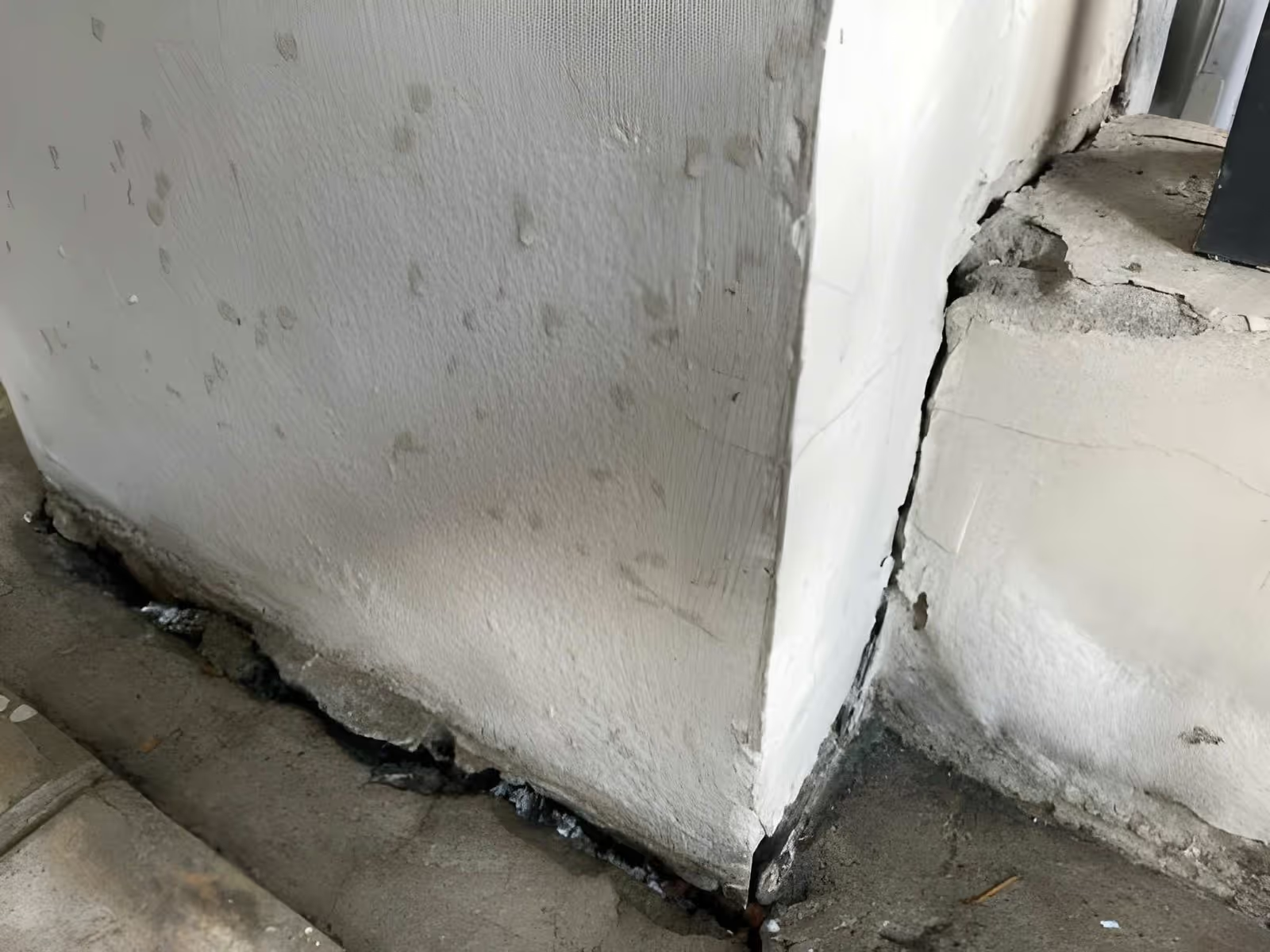
Concrete Repair and Crack Treatment in Kalorama, DC
Your garage floor is one of the hardest working surfaces in your home. It bears the weight of vehicles, endures temperature fluctuations, handles spills and stains, and takes the brunt of daily wear and tear. Over time, even the most durable concrete develops cracks, chips, and surface damage. If you've noticed deterioration in your Kalorama garage floor, concrete repair and crack treatment isn't just about aesthetics - it's about preserving the structural integrity of your space and preventing minor issues from becoming major problems.
At Garage Design Source, we specialize in identifying, assessing, and treating concrete damage with precision and expertise. Our crack treatment and repair services are designed to stop damage in its tracks, restore your floor's appearance, and prepare it for long-term protection through professional coatings. We've been serving the Washington D.C. metro area since the early 2000s, and we understand the specific challenges that Kalorama homeowners face when it comes to garage floor maintenance.
Why Concrete Cracks Develop in Kalorama Garages
Concrete cracking is inevitable in our climate. The freeze-thaw cycles that characterize winters in the D.C. metro region create significant stress on concrete surfaces. Water seeps into microscopic pores in your concrete, then freezes and expands, pushing outward and causing cracks to form. These cracks often appear in late winter or early spring, particularly in Kalorama where older homes may have original concrete that's been exposed to decades of seasonal stress.
Beyond weather, several factors contribute to concrete deterioration:
- Ground settlement and shifting - Particularly common in established Kalorama neighborhoods where soil may shift over time, causing uneven pressure on concrete slabs.
- Deicing salt exposure - Road salt from winter maintenance and salt-based deicers accelerate concrete breakdown by attacking the cement binder.
- Vehicle weight and impact - Repeated stress from vehicle tires, especially heavier SUVs and trucks, can initiate cracks that expand over time.
- Original installation issues - Some cracks stem from inadequate reinforcement, poor subgrade preparation, or improper curing during the original concrete pour.
- Moisture intrusion - Water that penetrates cracks creates an entry point for further damage, rust staining from rebar, and potential mold growth in adjacent spaces.
- Age and material fatigue - Concrete naturally becomes more brittle as it ages, making it more susceptible to cracking under stress.
Types of Concrete Damage We Address
Not all cracks are created equal. Our inspection process identifies the type of damage present so we can recommend the most effective repair approach.
Surface cracks and hairline fractures are typically shallow, cosmetic issues that don't affect structural integrity but do allow moisture penetration. These are often the easiest to treat and represent an opportunity to stop damage before it progresses.
Structural cracks run deeper through the full depth of the concrete slab and indicate more significant movement or stress. These require more comprehensive repair methods to prevent continued widening and deterioration.
Spalling and scaling occurs when the surface layer of concrete flakes or chips away, exposing the aggregate underneath. This is especially common in Kalorama where deicing salt exposure accelerates surface deterioration. Spalled areas create an uneven, damaged appearance and expose concrete to increased moisture infiltration.
Pitting and corrosion develops when water reaches the rebar reinforcement within concrete, causing it to rust and expand. This creates pitting on the surface and can eventually compromise structural integrity if left untreated.
Staining and discoloration often accompany cracks, as water and contaminants seep into the damaged concrete. While primarily aesthetic, staining indicates that moisture has penetrated the surface and future damage may follow.
Our Concrete Inspection and Assessment Process
Before we recommend any repair, we conduct a thorough inspection of your garage floor. This detailed assessment determines the extent of damage, identifies the underlying causes, and ensures that our repair approach will actually solve the problem rather than just addressing symptoms.
Visual inspection begins the moment we arrive at your Kalorama home. We walk the entire garage floor, noting the location, length, depth, and direction of all cracks. We assess whether cracks are isolated or part of a larger pattern that might indicate structural issues. We also look for evidence of water infiltration, rust stains, and spalling that tell us the story of how long the damage has been present.
Moisture testing helps us understand whether water is actively infiltrating through cracks or if the concrete is relatively dry. This matters because it affects our repair method selection and determines whether additional waterproofing measures are necessary beyond crack treatment.
Crack depth assessment involves using specialized tools to measure how deep cracks penetrate into the concrete. Surface cracks under 1/8 inch wide may only require filling and sealing, while deeper structural cracks need injection methods that penetrate the full depth of the damage.
Pattern analysis helps us identify whether cracks indicate isolated issues or suggest a more systemic problem. Cracks that follow a pattern - such as a grid pattern or those radiating from a central point - can indicate settlement, inadequate reinforcement, or ongoing stress that needs to be documented and discussed.
Assessment discussion concludes with a detailed explanation of what we found, why the damage occurred, and what repair methods will effectively address it. We explain the difference between treating the symptoms and solving the underlying problem, ensuring you understand exactly what your repair will accomplish.
Surface Preparation and Cleaning
Before any crack treatment can be effective, the surface must be properly cleaned and prepared. Dirt, dust, loose concrete, and contaminants prevent repair materials from bonding effectively. Skipping this step compromises the long-term success of your repair.
Pressure washing removes surface dirt and debris. For concrete repair specifically, we use controlled pressure that cleans without damaging the edges of cracks or creating additional deterioration. This is especially important in older Kalorama garages where concrete may already be somewhat compromised.
Vacuuming and air blowing removes all moisture and fine dust particles from cracks. Moisture in cracks prevents epoxy and polyurethane materials from bonding properly, which is why this step is critical to repair durability. We use specialized equipment to ensure cracks are completely dry before treatment.
Delamination removal involves scraping away any loose or deteriorating concrete around the damaged area. This creates a stable base for repair materials and ensures that we're not simply sealing damage that will continue to deteriorate beneath the surface.
Chemical cleaning may be used in some cases to remove stubborn stains or contamination that prevents proper material bonding. This is particularly important when treating cracks that have allowed rust staining from rebar.
Crack Routing and Epoxy Injection Methods
Once the surface is prepared, we employ industry-leading techniques to treat cracks based on their characteristics and depth.
Routing and filling is the most straightforward method for surface cracks. We create a V-shaped or U-shaped channel along the crack using specialized routing equipment. This enlarges the crack slightly, creating more surface area for repair material to bond with. The wider channel makes it easier to fully fill the crack without voids or air pockets. We then fill the routed crack with a high-quality epoxy or polyurethane compound, creating a seal that prevents water intrusion while restoring surface appearance.
Epoxy injection addresses cracks that run through the full depth of the concrete slab. Injection ports are installed along the length of the crack, typically spaced 12 to 18 inches apart. Low-pressure injection equipment forces epoxy deep into the crack, filling it from bottom to top. This method is particularly effective for structural cracks because the epoxy bonds the concrete surfaces back together and restores some structural integrity. Epoxy also prevents water infiltration and stops rust-inducing moisture from reaching rebar reinforcement.
Polyurethane injection is an alternative to epoxy that offers some distinct advantages. Polyurethane is more flexible than epoxy, making it better suited for cracks that may experience minor movement. Polyurethane also has excellent water-blocking properties and creates a more waterproof seal. We often recommend polyurethane injection for cracks that show signs of ongoing movement or where moisture control is the primary concern.
Hydrophobic sealant injection uses materials that actively repel water, not just block it. These sealants are particularly useful in Kalorama where seasonal moisture is a persistent challenge. They prevent water from seeping into cracks even if the seal experiences minor damage or movement.
Patching and Leveling Spalled Areas
Spalling - where the surface layer of concrete flakes or chips away - creates an uneven, damaged appearance and compromises the floor's functionality. Patching these areas restores both appearance and durability.
Preparation of spalled areas involves removing all loose, deteriorating concrete. We use chisels and grinding equipment to create clean, stable edges around the spalled zone. This may make the damaged area appear slightly larger temporarily, but it ensures that new patching material has a solid foundation to bond with.
Concrete patching compound application uses specialized repair mortars designed to bond with existing concrete while matching its strength. These compounds are applied in stages, with each layer compacted to eliminate air voids. For larger spalled areas, we may use concrete resurfacer or self-leveling patching compounds that create smooth, even surfaces.
Leveling and finishing ensures that patched areas are flush with surrounding concrete. We feather the edges of patches so there are no abrupt transitions that create trip hazards or accelerate future damage. The finished patch should be visually integrated with the surrounding floor, especially important in visible areas of your Kalorama garage.
Curing time varies depending on the patching compound used. Most concrete patching materials require 24 to 48 hours of curing before the floor can bear vehicle weight. We'll provide specific guidance based on the products we use and current weather conditions.
Protective Coatings After Repair
Repairing cracks is only part of the solution. Protective coatings ensure that your concrete repair stays protected and prevent future damage. This is where Garage Design Source truly excels - our expertise in garage floor coatings means we understand how to protect your investment long-term.
Epoxy coatings provide excellent protection against moisture, chemicals, and staining. A quality epoxy coating seals the surface and prevents water from infiltrating repaired cracks. Epoxy also provides a durable, attractive finish that transforms the appearance of your garage floor. For Kalorama garages, epoxy coatings are particularly valuable because they withstand the freeze-thaw cycles and salt exposure that characterize our climate.
Polyaspartic coatings offer faster curing than traditional epoxy while providing superior durability and UV protection. These coatings resist yellowing and maintain their appearance better in garages with overhead doors that allow sunlight penetration. Polyaspartic is an excellent choice for newer Kalorama homes where homeowners want modern, low-maintenance flooring.
Polyurea coatings represent the premium option for garage floor protection. Polyurea is more flexible than epoxy, more impact resistant, and cures extremely quickly. It's ideal for Kalorama garages where durability and appearance are top priorities.
Moisture barriers may be applied under coatings in cases where your garage sits in an area with high groundwater or moisture intrusion issues. These barriers prevent moisture from rising through the concrete and causing coating failure.
Expected Timelines and Cure Times
Understanding the timeline for your concrete repair and how long until your garage is fully functional helps you plan accordingly.
Inspection and assessment typically takes 1 to 2 hours, depending on the extent of damage and the size of your garage floor. We'll provide a detailed report and timeline estimate during this visit.
Surface preparation can usually be completed in 1 to 4 hours depending on the floor's condition and the area requiring treatment. For full-floor crack treatment, surface prep may require a full day.
Crack injection takes 1 to 3 hours for small to medium repairs, longer for extensive cracking. Injection pressure must be controlled to avoid damage to surrounding concrete, so rushing this process isn't advisable.
Patching and leveling varies significantly based on the number and size of spalled areas. A single patch might take 30 minutes, while multiple repairs across a large floor may require several hours or a full day.
Coating application typically takes 4 to 8 hours depending on the coating type and floor size. Some coatings can be applied in a single day, while others require multiple coats with curing time between applications.
Full cure time varies by coating type. Epoxy typically requires 5 to 7 days for foot traffic and 7 to 10 days for vehicle traffic. Polyaspartic cures much faster - often allowing light traffic in 24 hours. Polyurea can cure in just 4 to 8 hours. We'll provide specific guidance based on your chosen coating and current weather conditions.
Factors That Influence Repair Costs
Several variables affect the investment required for concrete repair and crack treatment. Understanding these factors helps you make informed decisions about your project.
Crack length and depth directly impact material costs and labor time. A single small crack requires minimal material, while extensive cracking covering large areas requires significantly more product and labor. Deep structural cracks requiring full-depth injection cost more than surface cracks that only need routing and filling.
Spalling extent determines patching material quantities and labor hours. Small isolated spalls are relatively inexpensive to repair, while large areas of deterioration requiring extensive patching represent a larger investment.
Coating selection significantly impacts total project cost. Basic epoxy is more affordable than premium polyaspartic or polyurea options. However, the superior durability of premium coatings often provides better long-term value, particularly in the challenging Kalorama climate.
Floor size and accessibility affects labor costs. Larger garages require more material and labor, while garages with obstacles or difficult access may require additional time and specialized equipment.
Urgency and scheduling can influence project cost if you need expedited service outside standard business hours. We work with homeowners to find efficient scheduling that keeps costs reasonable while meeting your timeline needs.
Underlying structural issues that emerge during inspection may require additional attention. If we discover that cracks indicate settlement or other structural concerns, addressing these may increase project scope.
Garage Design Source can discuss all these factors during your consultation and provide clear guidance on where investment makes the most sense for your specific situation.
Warranties and Durability Expectations
Understanding what your repair investment covers and how long you can expect results to last helps you make confident decisions about concrete treatment.
Repair warranties on crack injection and patching typically range from 2 to 5 years depending on the product used and the nature of the original damage. These warranties cover workmanship and product performance, ensuring that repairs don't fail prematurely due to poor installation or material defect.
Coating warranties vary significantly. Epoxy coatings typically carry 3 to 5 year warranties against peeling, flaking, or adhesion failure. Polyaspartic and polyurea coatings often include longer warranties - 5 to 10 years - reflecting their superior durability. These warranties assume proper installation, normal use, and appropriate maintenance.
Long-term durability depends heavily on maintenance and ongoing care. Properly maintained epoxy or polyaspartic coated floors typically last 5 to 10 years before recoating is necessary. Polyurea coatings can last 10 to 15 years or longer with good care. This is significantly longer than unprotected concrete, which continues deteriorating with each freeze-thaw cycle.
What warranties don't cover is important to understand. Natural wear, damage from extreme impacts, or failure to follow maintenance guidelines typically aren't covered. This is why we emphasize that your repair is an investment protected by ongoing care and maintenance.
Maintenance Tips for Long-Term Protection
Your concrete repair investment is protected through proper maintenance. Following these guidelines ensures your repaired floor remains protected and attractive for years.
Regular cleaning is the foundation of concrete maintenance. Sweep debris regularly to prevent accumulation that traps moisture. Wash your floor periodically with mild soap and water to remove dirt and contaminants. Avoid harsh chemicals that can degrade coatings or underlying repairs.
Prompt spill cleanup prevents staining and moisture infiltration. Whether gasoline, oil, salt, or water, cleaning spills quickly prevents them from being absorbed into concrete or coatings. This is especially important in Kalorama where winter salt use creates constant chemical exposure.
Moisture management protects both repairs and coatings. If your garage is prone to moisture intrusion, use dehumidifiers or improve ventilation to reduce humidity. Standing water should be removed promptly to prevent pooling that leads to moisture problems.
Avoid deicing chemicals on coated floors - this may seem counterintuitive, but many deicing salts actually degrade epoxy and polyaspartic coatings over time. If your garage entrance experiences snow and ice, consider using snow mats or alternative deicing methods on the coated surface.
Tire staining prevention involves using mats under vehicle tires in problem areas if staining occurs. Some rubber tire residue is normal, but persistent staining can sometimes be addressed with UV-resistant sealers or protective mats.
Annual inspection helps you catch new problems before they become serious. Look for new cracking, coating wear, or moisture issues. Small problems caught early are much less expensive to address than damage that's been allowed to progress for months or years.
Professional maintenance may include periodic resealing or touch-up coating. Depending on traffic and conditions, your coated floor may benefit from a professional refresh every 5 to 7 years to maintain optimal appearance and protection.
Why Choose Garage Design Source for Concrete Repair in Kalorama
Garage Design Source brings specialized expertise to concrete repair that goes beyond simple crack filling. We've been serving the Washington D.C. metro area since the early 2000s, and our understanding of the specific challenges facing Kalorama homeowners - from seasonal freeze-thaw cycles to aging infrastructure - informs every repair we complete.
Our focused expertise in garage systems means we understand concrete repair as part of a comprehensive garage transformation strategy. Many homeowners discover cracking while considering garage updates, and we can advise on how repair timing and protective coatings integrate with other garage improvements like flooring coatings, storage systems, and door replacement.
As a locally owned and operated business, we're invested in our reputation within the Kalorama community. We take pride in detailed work, clear communication about what repairs will accomplish, and protective coatings that actually deliver long-term durability rather than requiring repeated repairs.
We use industry-leading products and equipment, including epoxy, polyaspartic, and polyurea coatings that are specifically formulated for the challenges of the D.C. metro climate. Our injection equipment ensures deep crack penetration and complete filling that prevents recurring problems.
Your concrete repair is a significant investment in your home's functionality and appearance. At Garage Design Source, we ensure that investment is protected through proper assessment, professional execution, and guidance on protective coatings that actually deliver the durability you expect.