.svg)
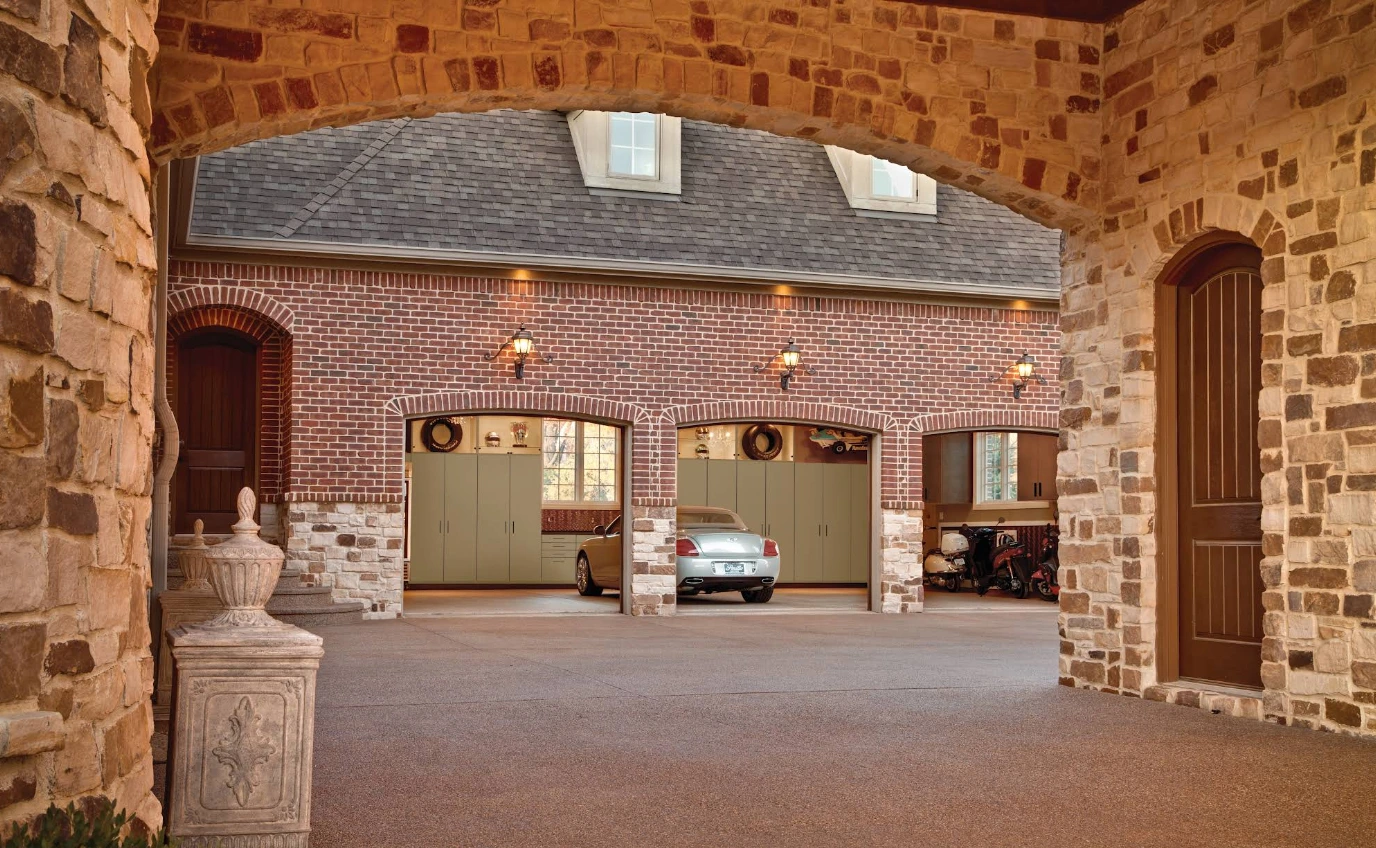
Your garage floor is one of the hardest working surfaces in your home. It bears the weight of vehicles, supports heavy equipment and tools, and endures constant foot traffic and temperature fluctuations. Over time, concrete naturally develops cracks - some minor and cosmetic, others more serious and structural. At Garage Design Source, we specialize in identifying concrete damage early and providing targeted repair solutions that restore both the integrity and appearance of your garage floor.
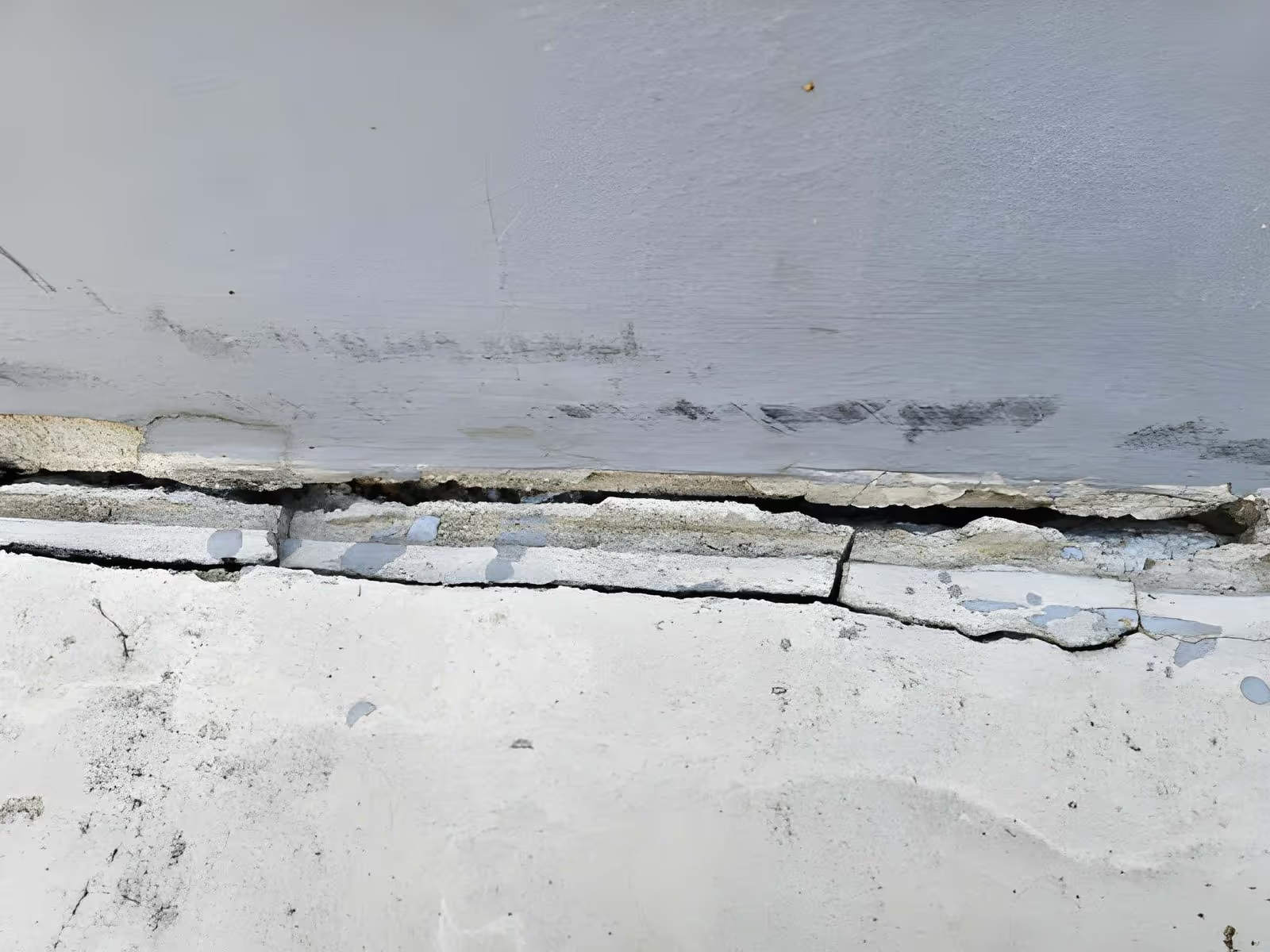
Concrete Repair & Crack Treatment in Purcellville, VA
Your garage floor is one of the hardest working surfaces in your home. It bears the weight of vehicles, supports heavy equipment and tools, and endures constant foot traffic and temperature fluctuations. Over time, concrete naturally develops cracks - some minor and cosmetic, others more serious and structural. At Garage Design Source, we specialize in identifying concrete damage early and providing targeted repair solutions that restore both the integrity and appearance of your garage floor.
Concrete cracks aren't just an eyesore. They're an entry point for water, chemicals, and contaminants that can accelerate deterioration and create safety hazards. Whether you're dealing with hairline fractures from natural settling or larger breaks from impact or freeze-thaw cycles common in Northern Virginia, addressing them promptly prevents costly damage down the road. Our concrete repair and crack treatment services in Purcellville are designed to stop the problem at its source and protect your investment for years to come.
Why Concrete Cracks Develop in Purcellville Garages
The Northern Virginia climate creates unique challenges for concrete surfaces. Our region experiences significant seasonal temperature swings - from freezing winters where moisture infiltrates cracks and expands as it freezes, to hot summers that cause concrete to expand and contract. This freeze-thaw cycle is one of the primary reasons concrete floors crack over time.
Beyond climate, concrete cracks develop from several common causes:
- Structural settling - New homes and older ones alike experience natural foundation movement that translates to floor cracks
- Heavy impact and load - Dropped tools, vehicle weight, and equipment create stress points that fracture concrete
- Poor initial installation - Concrete that wasn't properly mixed, poured, or cured develops weak spots prone to cracking
- Inadequate base preparation - Without proper sub-base grading and compaction, concrete floors lack the support needed to resist cracking
- Age and wear - Concrete is a durable material, but nothing lasts forever without proper maintenance
- Water infiltration - Existing cracks allow moisture to penetrate beneath the surface, weakening the concrete from underneath
Many homeowners in Purcellville wait too long before addressing cracks, assuming they're minor cosmetic issues. By the time they call, small cracks have widened, water damage has begun, and the repair costs have escalated. That's why we recommend a professional inspection as soon as you notice any signs of concrete damage.
Professional Inspection and Crack Assessment
Every concrete repair project at Garage Design Source begins with a thorough inspection. We don't make assumptions about what's causing your concrete damage or recommend solutions before fully understanding the problem.
During our assessment, we evaluate:
- Crack width and depth - We measure cracks to determine if they're surface-level or extend through the full concrete slab
- Crack pattern and direction - Linear, branching, or alligator-pattern cracks indicate different underlying issues
- Moisture and staining - We look for signs of water infiltration, efflorescence (white salt deposits), or organic growth
- Structural integrity - We check if any sections are heaving, settling, or moving, which indicates foundation problems
- Spalling and deterioration - We identify areas where the concrete surface is breaking apart or deteriorating
- Environmental factors - We assess how drainage, temperature changes, and seasonal conditions may be contributing to the damage
This detailed evaluation allows us to recommend the most effective repair method for your specific situation. Some cracks need epoxy injection; others require polyurethane; still others benefit from routing and patching. We don't use a one-size-fits-all approach because every crack tells a different story.
Crack Routing and Preparation
Once we've diagnosed the problem, the next step is proper surface preparation. Clean concrete is essential for any repair method to work effectively. We thoroughly clean the damaged area using pressure washing and specialized equipment to remove dirt, dust, oil, and any loose concrete particles.
For injection-based repairs, we use precision crack routing - a controlled process where we cut a V-shaped or U-shaped channel along the length of the crack. This routing serves several purposes:
- Increases surface area for the repair material to bond with the concrete on both sides of the crack
- Removes deteriorated concrete that won't hold the injected material
- Creates a predictable path for the epoxy or polyurethane to follow as it fills the crack
- Allows for topical sealant application in a finished groove rather than a rough, irregular crack
The depth and width of the routed channel depends on the crack characteristics and the repair material we're using. Our technicians adjust the routing approach based on whether we're injecting epoxy for structural bonding or polyurethane for flexibility and moisture resistance.
Epoxy Injection for Structural Cracks
Epoxy injection is the preferred method for cracks that have compromised the structural integrity of your concrete floor. Epoxy is a two-part adhesive that bonds concrete surfaces together, creating a repair that's as strong as the surrounding concrete.
Here's how the epoxy injection process works:
- Routing and cleaning - The crack is routed and thoroughly cleaned to remove all contaminants
- Injection ports - Small injection ports (called packers) are installed along the routed crack at intervals
- Epoxy preparation - We mix the two-part epoxy according to specifications, accounting for temperature and humidity
- High-pressure injection - Using specialized injection equipment, we force the epoxy into the crack under pressure, ensuring complete fill from bottom to top
- Curing - The epoxy cures over 24-72 hours, creating a strong, permanent bond
- Finishing - Once cured, we remove the injection ports and finish the surface
Epoxy repairs create a waterproof seal that prevents moisture infiltration and restores structural continuity. This method is ideal for cracks caused by structural movement, heavy loads, or impact damage.
Polyurethane Injection for Flexible Repairs
Polyurethane injection offers a different advantage - flexibility. Where epoxy is rigid, polyurethane can move slightly with the concrete, making it ideal for cracks that may continue to experience minor seasonal movement.
Polyurethane injection is particularly effective for:
- Cracks caused by freeze-thaw cycles - The flexibility accommodates the expansion and contraction that continues seasonally
- Cracks in areas with ongoing structural movement - If settling or foundation movement is still occurring, polyurethane's flexibility prevents the crack from reopening
- Moisture-prone environments - Polyurethane naturally repels water and provides excellent moisture barriers
- Aesthetic concerns - Polyurethane injections can be finished flush with the surrounding concrete
The polyurethane injection process is similar to epoxy, but the material foams slightly as it cures, filling voids and creating an excellent seal. Polyurethane typically cures faster than epoxy - usually within 24 hours - which can be advantageous for heavily used garage spaces.
Patching and Leveling for Spalled Concrete
Beyond crack injection, concrete floors often have spalled areas - sections where the surface is broken, chipped, or deteriorating. These damaged zones are safety hazards and entry points for water and contaminants.
Our patching process addresses spalling through careful material selection and application:
- Damaged area removal - We remove all deteriorated concrete and loose material from the spalled zone, creating clean, defined edges
- Surface preparation - The exposed concrete is cleaned and primed with a bonding agent to ensure the patch material adheres properly
- High-quality patching compound - We use premium concrete patching materials designed for garage floors, not generic hardware store fillers
- Proper application and curing - Patches are applied according to material specifications and allowed to cure completely before any additional treatment
- Leveling - If the patch sits below the surrounding floor surface, we use leveling compounds to create a seamless transition
For areas with significant unevenness or multiple damaged spots, we may recommend full-surface leveling compound application. This creates a smooth, even foundation for protective coatings and eliminates tripping hazards.
Protective Coatings After Repair
Concrete repair alone isn't enough. Once you've invested in fixing cracks and spalling, the next step is protection - preventing future damage and maintaining the repair's integrity. This is where protective coatings come in.
At Garage Design Source, we recommend protective coatings for all repaired concrete:
- Epoxy coatings - Create a hard, durable surface that resists staining, chemicals, and wear. Epoxy is excellent for heavily used garages and provides a premium, finished appearance
- Polyaspartic coatings - Offer faster cure times than epoxy (24 hours versus several days) and excellent UV resistance, making them ideal if you need your garage operational quickly
- Polyurea coatings - Provide extreme durability and flexibility, with superior impact and abrasion resistance
These coatings seal the concrete surface, protecting your repairs from moisture, salt (from winter road treatment on vehicles), oils, and other contaminants. They also dramatically improve the appearance of your garage floor, transforming it from dull gray to a finished, professional-looking space.
Expected Timelines and Cure Times
Project duration depends on the extent of damage and the repair methods used. Understanding timelines helps you plan around garage use and other home projects.
Inspection and Assessment - 1-2 hours. We thoroughly evaluate the damage and provide recommendations with no obligation.
Crack Routing and Injection - 2-6 hours depending on crack length and complexity. Most single-crack projects complete in a day.
Epoxy Injection Cure Time - 24-72 hours before the garage can be used normally. We typically recommend 48 hours for full strength.
Polyurethane Injection Cure Time - 18-24 hours. Faster turnaround than epoxy makes polyurethane attractive for time-sensitive situations.
Patching and Leveling - 4-8 hours for application. Cure time varies by product, typically 24-48 hours.
Protective Coating Application - 2-4 hours for application. Epoxy cure takes 3-7 days; polyaspartic and polyurea cure in 24 hours.
Total Project Timeline - From initial assessment to a fully finished, protected garage floor, plan on 5-10 days. We work with your schedule to minimize disruption and often coordinate projects with other garage improvements like storage installation or door replacement.
These timelines are estimates. Specific schedules depend on project scope, product choices, weather conditions, and current curing demands. We provide detailed timelines during your consultation.
Factors That Influence Repair Costs
While we don't discuss pricing in detail on this page, understanding what drives repair costs helps you make informed decisions. Several factors influence the investment required:
- Crack length and depth - Longer cracks or cracks extending deep into the slab require more material and labor
- Number of problem areas - Multiple cracks, spalling zones, or structural concerns increase project scope
- Repair method selected - Epoxy injection, polyurethane injection, and patching have different material and labor costs
- Protective coating choice - Basic epoxy, premium polyaspartic, or ultra-durable polyurea have different price points
- Floor size and condition - Larger floors or those requiring extensive surface preparation affect overall project costs
- Urgency and scheduling - Standard scheduling versus rush projects may impact availability and pricing
During your consultation, we provide transparent cost estimates based on your specific situation. We never surprise you with hidden charges or recommend more work than your concrete actually needs.
Warranties and Long-Term Protection
Quality repairs come with confidence - that's why Garage Design Source backs our concrete repair work with warranties.
Our warranty coverage typically includes:
- Material defects - We guarantee the repair materials against manufacturing defects for a specified period
- Workmanship - We stand behind the quality of our application and installation
- Protective coating durability - Our epoxy, polyaspartic, and polyurea coatings are warranted against peeling, flaking, and coating failure under normal use
- Crack re-opening - If properly repaired cracks reopen due to our workmanship, we address it at no charge
Warranty periods vary based on the repair method and coating selected. We discuss specific warranty terms during your consultation and provide detailed warranty documentation with your project completion.
Maintenance Tips for Long-Lasting Repairs
Your investment in concrete repair and protective coatings will last significantly longer with basic maintenance:
- Regular cleaning - Sweep and mop your garage floor regularly to remove dirt and prevent staining. For coated floors, use mild soap and water, not harsh chemicals
- Spill cleanup - Clean up oil, coolant, and chemical spills promptly to prevent staining and coating damage
- Avoid excessive salt and de-icer - Minimize tracking salt from vehicles into the garage; consider a boot scraper or mat near entry points
- Inspect periodically - Look for new cracks or coating wear and address them early before they expand
- Avoid concentrated weight - Don't rest heavy equipment or tools in the same spot continuously; distribute weight across the floor
- Protect from extreme impact - While coated concrete is durable, avoid dropping extremely heavy objects or subjecting the floor to sustained impact
- Winter considerations - In freezing months, ensure adequate drainage around your garage foundation to prevent water pooling and freeze-thaw damage
- Recoating schedule - Depending on use and coating type, plan to refresh protective coatings every 5-10 years to maintain maximum protection
These simple practices extend the life of your repairs and coatings significantly, protecting your investment for decades.
Why Choose Garage Design Source for Concrete Repair
Concrete repair might seem like a commodity service, but the difference between a quick fix and a lasting solution is significant. Garage Design Source brings specialized expertise and a commitment to quality that sets us apart.
We've been serving the Northern Virginia area since the early 2000s, perfecting our approach to garage improvements. Our focus on the garage - flooring, storage, doors, and protection systems - means we understand the specific demands your garage floor faces. We're not a general contractor offering concrete repair as one of a dozen services. This is what we do.
Our owner-operated approach means every project receives personal attention. We don't pass your job to subcontractors or rushing crews. Your garage floor gets the expertise of professionals who take pride in their work and whose reputation depends on your satisfaction.
We also specialize in coordinating concrete repair with other garage improvements. If your cracked floor is part of a larger vision - perhaps a complete floor transformation with epoxy coating, new storage systems, or a garage door upgrade - we manage the entire project cohesively. We know how different garage improvements interact and ensure each component enhances the others.
Common Questions About Concrete Repair
Can I apply a coating directly over a cracked floor without repairing the cracks first?
No. Coatings will follow the contours of cracks and eventually peel or fail where the underlying concrete is damaged. Proper repair must precede any coating application.
Are hairline cracks a concern, or can I ignore them?
Even small cracks are entry points for water and contaminants. In the Purcellville area's freeze-thaw climate, ignoring hairline cracks allows water to penetrate and expand as it freezes, widening the crack. Early repair prevents escalation.
How do I know if my cracked concrete is a structural problem or just cosmetic?
This is exactly why professional assessment matters. Some cracks are surface-level and cosmetic; others indicate structural issues with your foundation. We evaluate the crack pattern, location, and surrounding concrete to determine severity.
Can repairs be made in winter?
Yes, though winter conditions affect cure times and material performance. We adjust our approach based on temperature and humidity. Some projects are better suited to warmer months, which we'll discuss during your consultation.
How long do concrete repairs last?
With proper repair methods and protective coatings, concrete repairs last 10-15 years or longer. The key is addressing damage early and maintaining the floor properly. Neglected repairs deteriorate much faster.
What makes epoxy injection different from just patching the surface?
Injection repairs address cracks that extend deep into the concrete, bonding the full depth and restoring structural integrity. Surface patching only addresses the top layer and won't solve deeper cracking problems.
Your garage floor supports your vehicles, protects your belongings, and contributes to your home's overall functionality and curb appeal. Concrete damage that's ignored only gets worse - and more expensive. Addressing cracks and spalling now, with professional repair and protection, ensures your garage floor stays strong and attractive for years to come. Reach out to Garage Design Source to schedule your concrete assessment in Purcellville and discover how we can restore your garage floor.