.svg)
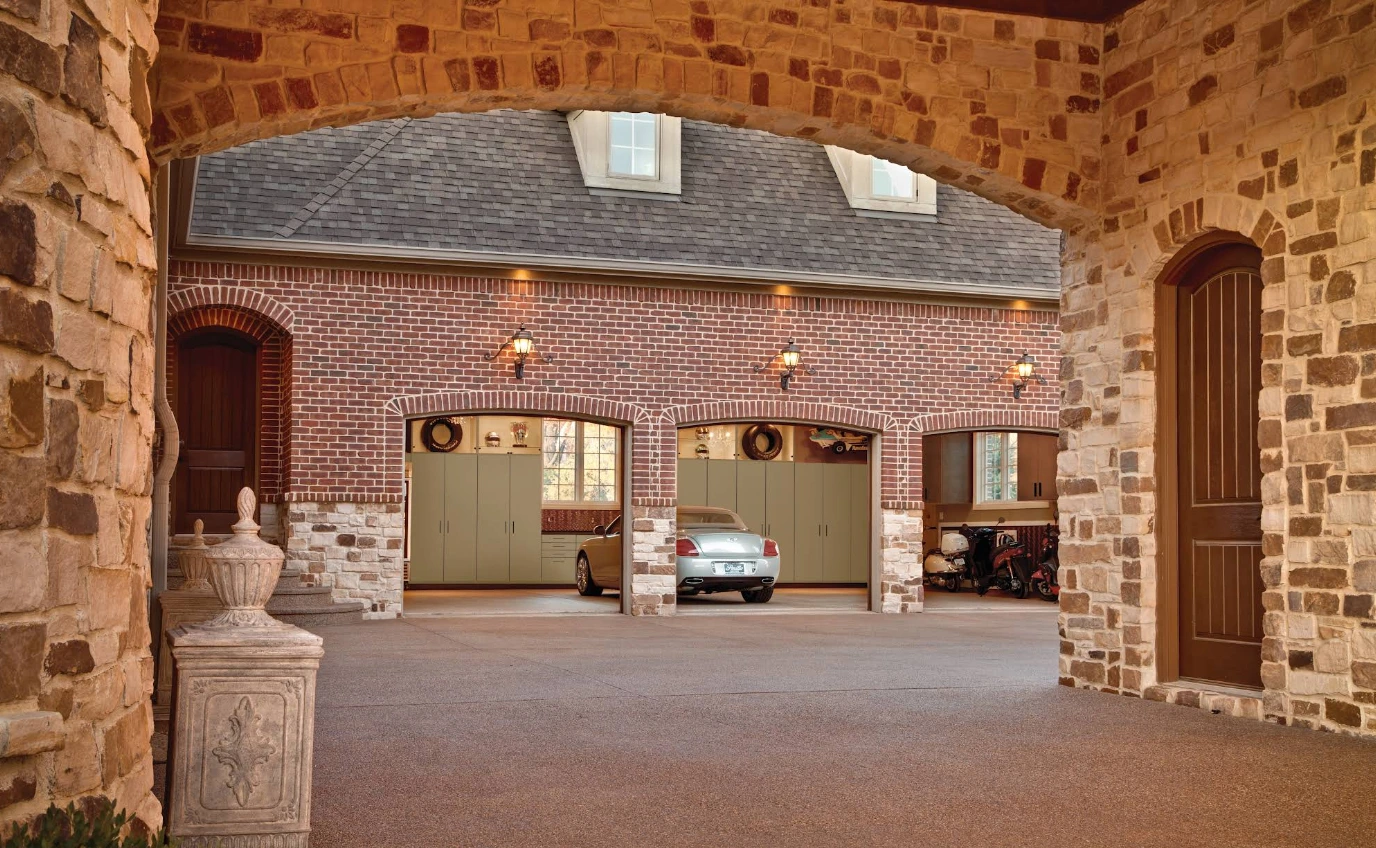
When homeowners in Potomac, MD envision their dream garage transformation, they typically imagine a pristine, durable floor coating that looks stunning for years to come. What many don't realize is that the foundation of any successful garage floor coating project - whether epoxy, polyaspartic, or polyurea - rests entirely on preparation work that happens before the first coat is applied. At Garage Design Source, we've spent over two decades perfecting the moisture mitigation and surface preparation process because we understand that cutting corners here guarantees failure down the road.
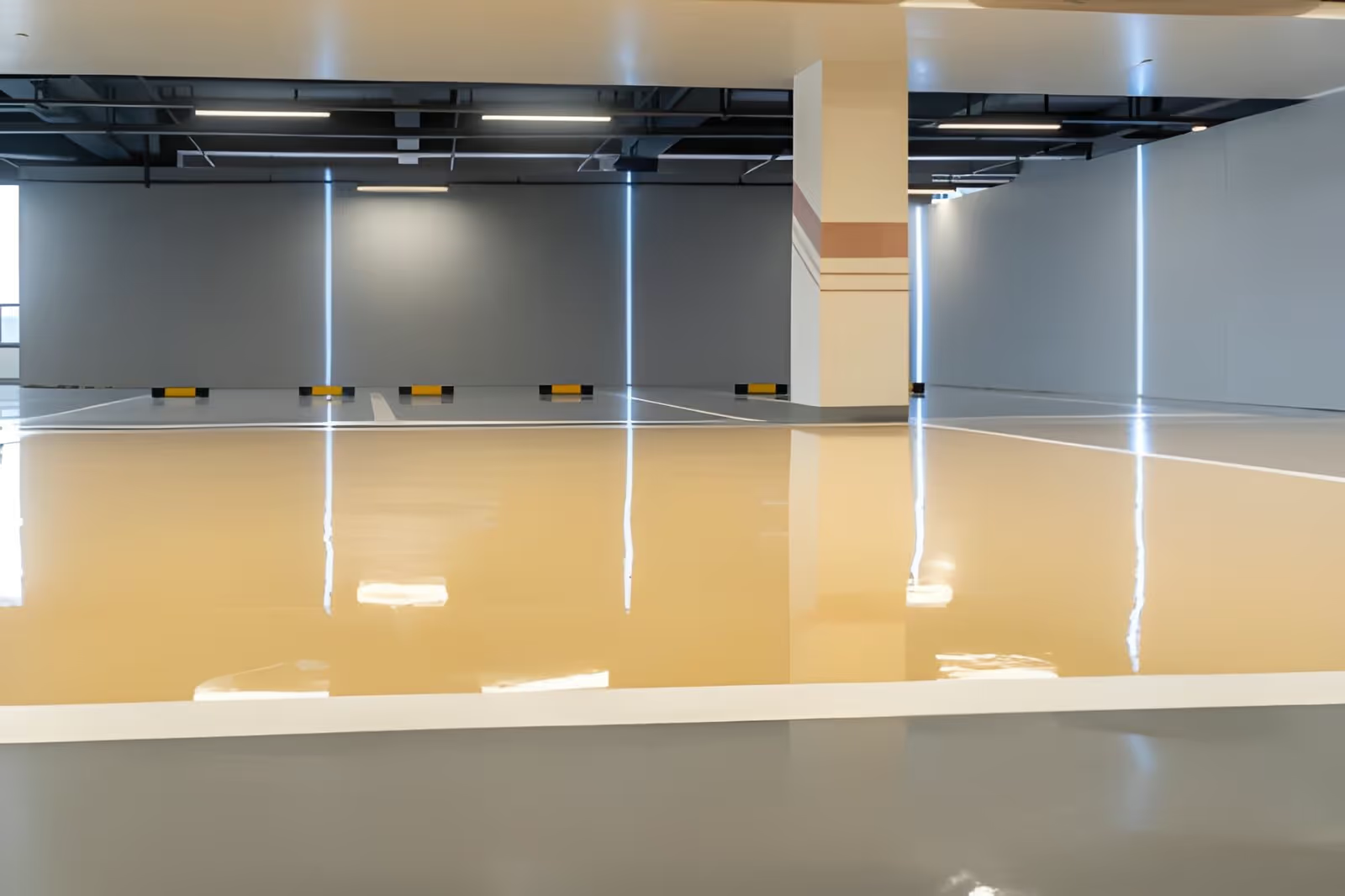
Moisture Mitigation & Surface Prep in Potomac, MD
When homeowners in Potomac, MD envision their dream garage transformation, they typically imagine a pristine, durable floor coating that looks stunning for years to come. What many don't realize is that the foundation of any successful garage floor coating project - whether epoxy, polyaspartic, or polyurea - rests entirely on preparation work that happens before the first coat is applied. At Garage Design Source, we've spent over two decades perfecting the moisture mitigation and surface preparation process because we understand that cutting corners here guarantees failure down the road.
The concrete beneath your Potomac garage floor is constantly interacting with moisture from groundwater, humidity, and seasonal weather changes. Maryland's humid continental climate, combined with the area's proximity to the Potomac River and its tributaries, creates particularly challenging conditions for concrete durability. Without proper moisture mitigation and comprehensive surface preparation, even the highest-quality coating will fail, bubble, peel, and disappoint. This comprehensive guide explains why these critical preparatory steps matter, what they involve, and how Garage Design Source ensures your garage floor coating investment performs for decades.
Why Moisture Mitigation is Non-Negotiable
Concrete is porous. Even concrete that appears dry to the naked eye can contain moisture at the molecular level, and this moisture moves constantly through the concrete matrix via capillary action. In Potomac's environment, where seasonal temperature swings and humidity fluctuations are significant, this moisture migration accelerates.
When moisture is trapped beneath a garage floor coating, several problems develop:
- Adhesion failure: Coatings cannot bond properly to a damp substrate, resulting in peeling and delamination within months or years
- Blistering and bubbling: Moisture vapor pressure pushes against the coating from below, creating surface defects that compromise aesthetics and durability
- Mold and mildew growth: Trapped moisture creates an environment where organic growth thrives, causing health concerns and odors
- Substrate deterioration: Moisture accelerates concrete spalling, cracking, and structural degradation over time
- Coating breakdown: Polyaspartic, epoxy, and polyurea systems all fail prematurely when applied over moisture-laden concrete
This is why Garage Design Source begins every project with rigorous moisture assessment and mitigation strategies tailored to Potomac's specific climate conditions.
Comprehensive Moisture Testing Methods
Before any surface preparation begins, we measure moisture levels in your concrete using industry-standard testing methods. These tests determine whether your substrate is suitable for coating application and what mitigation strategies are necessary.
Calcium Chloride Moisture Testing
This is one of the most widely recognized moisture measurement methods in the flooring industry. We place a calcium chloride salt disk on the concrete surface, seal it with a dome for 24 hours, and measure how much moisture the salt has absorbed. The results tell us the moisture vapor emission rate (MVER) in pounds per 1,000 square feet per 24 hours. Most epoxy and polyaspartic coatings require MVER readings below 5 pounds, though some premium systems can tolerate readings up to 8-10 pounds.
In-Situ Relative Humidity Testing
This method involves drilling small holes into the concrete, inserting humidity probes, and measuring the relative humidity within the concrete matrix itself. This provides a more accurate picture of moisture conditions at various depths and is particularly useful for Potomac properties where groundwater pressure may be a factor. Readings should typically be below 85% relative humidity for most coating systems.
Moisture Meter Readings
Surface moisture meters provide quick reference data and help us identify wet spots or areas of concern that require additional investigation. While not a definitive test on their own, they're valuable for understanding moisture distribution across your garage floor.
Visual and Tactile Assessment
Our team inspects for visible signs of moisture including efflorescence (white salt deposits), dark discoloration, surface dampness, and evidence of previous water accumulation. We also evaluate the concrete's age, past flooding history, and current drainage conditions around your Potomac home.
The combination of these testing methods gives us a complete picture of your concrete's moisture profile, allowing us to recommend the most appropriate mitigation strategy before surface preparation begins.
Substrate Repair: Addressing Cracks and Joints
Concrete cracks and control joints are not simply aesthetic issues - they're pathways for moisture infiltration and vectors for coating failure. Garage Design Source addresses all substrate damage as part of comprehensive surface preparation.
Concrete Crack Evaluation and Repair
We classify cracks by width, depth, and cause. Hairline cracks (less than 1/8 inch) are sealed with specialized epoxy crack fillers that penetrate deeply and cure with the concrete. Wider cracks (1/8 to 1/4 inch) require mechanical cleaning followed by injection or pouring of epoxy or polyurethane crack fillers. Cracks wider than 1/4 inch or cracks showing signs of active movement may require grinding out to create a clean V-groove, which is then filled with flexible polyurethane or epoxy products designed to accommodate minor concrete movement.
In Potomac's freeze-thaw climate, concrete expansion and contraction can reopen poorly sealed cracks. We use flexible, high-strength sealants rated for the full range of seasonal temperature swings in Northern Virginia and Maryland.
Control Joint Treatment
Control joints were cut into your concrete during installation to manage inevitable concrete shrinkage. These joints must be properly prepared and sealed as part of the coating process. We clean out debris, check for moisture, and seal joints with products specifically designed to remain flexible while supporting the coating system above them. Failure to properly address control joints often results in coating failure along these lines.
Spalling and Surface Deterioration
Areas where concrete has broken away or surface layers have deteriorated must be repaired. We grind out damaged areas to solid concrete, assess moisture conditions at the repair site, and fill with concrete patching compounds or epoxy restoration materials, depending on the severity and location.
Efflorescence Removal
Efflorescence - the white, chalky salt deposits that appear on concrete surfaces - indicates past moisture movement through the concrete. We mechanically remove all efflorescence through grinding and cleaning because coatings cannot adhere to this residue.
Every repair is treated as part of the overall system. We ensure that repaired areas have equivalent moisture protection and coating adhesion as the surrounding substrate.
Mechanical Profiling: Creating Optimal Surface Profile
The concrete surface must have the right texture - not too smooth, not too rough - for coatings to mechanically interlock and adhere properly. This texture is called the "surface profile," and creating it is essential for coating durability. Garage Design Source uses two primary methods for mechanical profiling.
Concrete Grinding
Grinding is the most common and versatile profiling method. We use industrial-grade diamond grinding equipment to:
- Remove any remaining coatings, sealers, paint, or mastic
- Open the concrete pores to optimal depth for coating adhesion
- Create consistent surface texture across the entire floor
- Expose fresh concrete for maximum adhesion potential
The grinding process is carefully controlled to achieve the ideal surface profile - typically 60-90 microns depending on the coating system selected. Too shallow a profile results in poor adhesion; too aggressive creates unnecessary dust and roughness. Our equipment is calibrated and operated by technicians with years of experience in Potomac area projects.
Shot Blasting
For heavily contaminated concrete or areas where grinding alone won't achieve sufficient surface profile, we employ shot blasting. This method propels steel shot at high velocity against the concrete surface, both removing surface contaminants and creating an optimal mechanical profile for adhesion. Shot blasting is particularly effective for concrete with stubborn stains, old coatings, or dense surface layers.
Both grinding and shot blasting generate significant dust. Our process includes:
- Containment systems to prevent dust migration to other areas of your home
- HEPA filtration to minimize airborne particles
- Thorough cleanup of the entire garage space after profiling is complete
The result is a clean, properly textured concrete surface ready for moisture barriers and final coating application.
Cleaning and Decontamination
After mechanical profiling, the concrete must be thoroughly cleaned to remove all dust, residue, and contaminants. Any particles left behind will compromise coating adhesion and create surface defects.
Dust Collection
Industrial vacuums with HEPA filters capture grinding dust immediately after profiling. We make multiple passes to ensure complete removal, paying special attention to floor-wall transitions and corners where dust tends to accumulate.
Chemical Cleaning
Depending on the type of contamination, we use appropriate cleaning solutions to remove:
- Oil and grease stains
- Rust discoloration
- Mold spores and organic growth
- Salt deposits and mineral residues
- Dirt and construction debris
For Potomac properties, we typically use pH-neutral or slightly alkaline cleaners that won't damage concrete while effectively removing contaminants. All cleaning solutions are rinsed thoroughly with clean water.
Moisture Assessment Post-Cleaning
After cleaning, we allow the concrete to dry and re-test moisture levels. This final moisture assessment confirms that the concrete is ready for coating application and helps us determine if additional moisture mitigation is necessary before primer or coating application begins.
Moisture Barrier and Primer Selection
Once the substrate is properly prepared and cleaned, Garage Design Source applies moisture barriers and primers specifically chosen for Potomac's environment and your selected coating system.
Epoxy Moisture Barriers and Primers
Epoxy primers penetrate the concrete surface and create a moisture-blocking layer while promoting adhesion for the topcoat. We select two-part epoxy primers that:
- Cure to a hard, durable finish within 24-48 hours
- Provide excellent moisture vapor transmission blocking
- Adhere strongly to prepared concrete
- Accept the topcoat system (epoxy, polyaspartic, or polyurea) without adhesion issues
For properties with elevated moisture readings or higher vapor emission rates, we recommend 100% solids epoxy primers that provide maximum moisture protection.
Polyaspartic Moisture Barriers
Polyaspartic primers offer faster cure times than epoxy - often ready for topcoat application within 4-8 hours. This accelerated schedule is valuable when weather windows are limited or project timelines are tight. Polyaspartic primers provide excellent moisture resistance and are particularly suitable for Potomac's humid environment.
Polyurea Moisture Barriers
Polyurea primers cure extremely rapidly - often within 1-2 hours - and provide outstanding moisture protection. For projects where minimal downtime is critical, polyurea primers enable topcoat application on the same day in many cases.
Alkalinity Management
Concrete is naturally alkaline, and this alkalinity can interfere with coating adhesion. Our moisture barriers and primers are specifically formulated to work with concrete's pH, ensuring that moisture protection doesn't compromise adhesion to the substrate.
Adhesive and Primer Selection for Coating Systems
The primer selected must be compatible with your chosen topcoat system. Garage Design Source ensures seamless compatibility through careful product selection.
Epoxy Topcoat Systems
Epoxy coatings provide excellent durability, chemical resistance, and aesthetic appeal. When epoxy is the topcoat, we apply epoxy primers that cure to a slightly flexible state, allowing for minor concrete movement while maintaining strong adhesion. Two-part epoxy primers typically cure within 24-48 hours, which is important to consider when scheduling installation.
Polyaspartic Topcoat Systems
Polyaspartic coatings offer faster cure times than epoxy, making them ideal for properties where rapid return to use is important. Polyaspartic primers cure quickly and provide an excellent base for polyaspartic topcoats. The system is particularly resistant to UV exposure, making it suitable for garage spaces with significant natural light.
Polyurea Topcoat Systems
Polyurea coatings represent the premium option - extremely durable, fast-curing, and resistant to virtually all household chemicals and stains. Polyurea primers match the rapid cure characteristics of polyurea topcoats, enabling same-day or next-day floor use in many cases.
Garage Design Source carefully explains the differences between these systems so that Potomac homeowners can select based on their specific priorities - whether that's speed of installation, long-term durability, aesthetic preferences, or budget considerations.
Expected Timelines for Moisture Mitigation and Surface Preparation
Understanding the timeline for complete surface preparation helps homeowners plan appropriately for their garage transformation.
Moisture Testing and Assessment: 1-2 days
Once we schedule your project, moisture testing typically occurs within 1-2 days. Calcium chloride testing requires 24 hours to complete, and relative humidity testing may require 24-48 hours depending on concrete depth and moisture conditions. Our team interprets these results and develops a mitigation strategy.
Crack and Joint Repair: 1-3 days
The duration depends on the extent of concrete damage. Minor cracks sealed with epoxy filler may be completed in hours. More extensive repairs involving spalling removal and patching compounds may require 1-3 days, with additional time needed for patches to cure.
Mechanical Profiling: 1 day
Grinding or shot blasting typically requires 1 day for a standard two-car garage, though larger spaces may require additional time. The profiling process itself often takes 4-8 hours, with setup and cleanup adding additional time.
Cleaning and Final Moisture Testing: 1 day
After profiling, cleaning and final moisture assessment typically occur on the same day or the following day. This confirms readiness for primer and topcoat application.
Primer Application: 1 day
Moisture barrier and primer application occurs after final moisture testing confirms readiness. This step typically takes several hours, though curing times vary depending on the primer system selected.
Total Timeline: 4-7 days
From initial moisture testing through primer curing, comprehensive moisture mitigation and surface preparation typically requires 4-7 days. This timeline allows for proper curing between steps and accounts for seasonal weather variations in Potomac.
For properties with significant moisture issues, more extensive concrete repairs, or those choosing rapid-cure systems, timelines may be compressed. For projects requiring extended curing periods, timelines may extend slightly.
Warranty Implications of Proper Preparation
The integrity of your garage floor coating warranty depends entirely on proper moisture mitigation and surface preparation. Garage Design Source explains these critical connections to every client.
Manufacturer Warranty Requirements
Every premium coating manufacturer specifies substrate preparation requirements as a condition of warranty coverage. These requirements typically include:
- Maximum moisture vapor emission rates (usually 5 pounds per 1,000 square feet per 24 hours)
- Minimum surface profile depth (60-90 microns depending on coating)
- Complete removal of contaminants and coatings
- Proper primer application
If surface preparation doesn't meet these specifications, the coating manufacturer may deny warranty claims, leaving you responsible for repairs or replacement.
Garage Design Source Quality Assurance
Our commitment to proper preparation ensures that your coating is covered by the manufacturer's full warranty. We document every step of the process - moisture testing results, profiling depth measurements, primer application details - creating a complete record that protects your investment.
We stand behind our work because we know that comprehensive surface preparation creates conditions for coating success. This commitment to doing preparation right is a key differentiator that sets Garage Design Source apart in the Potomac area.
Common Preparation Challenges in Potomac
Our years of experience in the Washington D.C. metro region, including Potomac and surrounding communities, have taught us to anticipate and address preparation challenges specific to this area.
Groundwater and High Water Tables
Properties in and around Potomac, particularly those near the Potomac River or in lower-lying areas, often experience groundwater issues. This requires not only moisture barrier systems but also evaluation of basement drainage and potential sump pump installation. We assess groundwater conditions and recommend appropriate mitigation strategies, which may include perimeter drainage improvement in addition to garage floor preparation.
Older Concrete and Previous Coatings
Potomac includes many established neighborhoods with older homes. Concrete in these properties may have had previous coatings, sealers, or paint applied decades ago. Removing these old systems completely requires careful grinding and testing to ensure new coatings will adhere properly.
Seasonal Humidity Fluctuations
Maryland's humidity varies dramatically with the season. Summer humidity can exceed 70% relative humidity, while winter brings drier conditions. Our moisture testing and mitigation strategies account for this full range of seasonal variation to ensure year-round performance.
Freeze-Thaw Cycles
Northern Virginia and Maryland experience freeze-thaw cycling that can open cracks and cause concrete spalling. Our crack repair and seal strategies are specifically designed to withstand these temperature cycles without re-opening or failing.
The Garage Design Source Approach to Surface Preparation
What distinguishes Garage Design Source in Potomac is our systematic, thorough approach to moisture mitigation and surface preparation. We don't rush through these critical steps because we understand that they determine whether your garage floor coating will perform beautifully for 10, 15, or 20 years.
Professional Assessment
Our team evaluates your specific property conditions - concrete age, previous history, drainage conditions, groundwater potential - rather than applying a one-size-fits-all approach. This customized assessment ensures that preparation strategies match your home's unique challenges.
Rigorous Testing
Multiple moisture testing methods, surface profile verification, and post-cleaning confirmation ensure that every condition for coating success is met before application begins.
Quality Materials and Methods
We use industrial-grade equipment, premium moisture barriers, and primers specifically selected for Potomac's climate and your chosen coating system. There's no substitution or shortcuts that might compromise long-term performance.
Complete Documentation
Every project is documented with moisture readings, profiling depth measurements, cleaning confirmation, and primer specifications. This documentation protects your warranty and provides a complete record of the preparation process.
Realistic Timelines
We schedule projects realistically, allowing proper curing time between steps rather than rushing to compress timelines. Moisture barriers and primers need time to cure fully, and we respect those requirements.
Homeowners in Potomac who choose Garage Design Source for their garage floor coating projects invest not just in the coating itself, but in the professional-grade preparation that makes that coating perform as designed. This is why we emphasize preparation in every client conversation - because transformation that lasts begins with a foundation done right.