.svg)
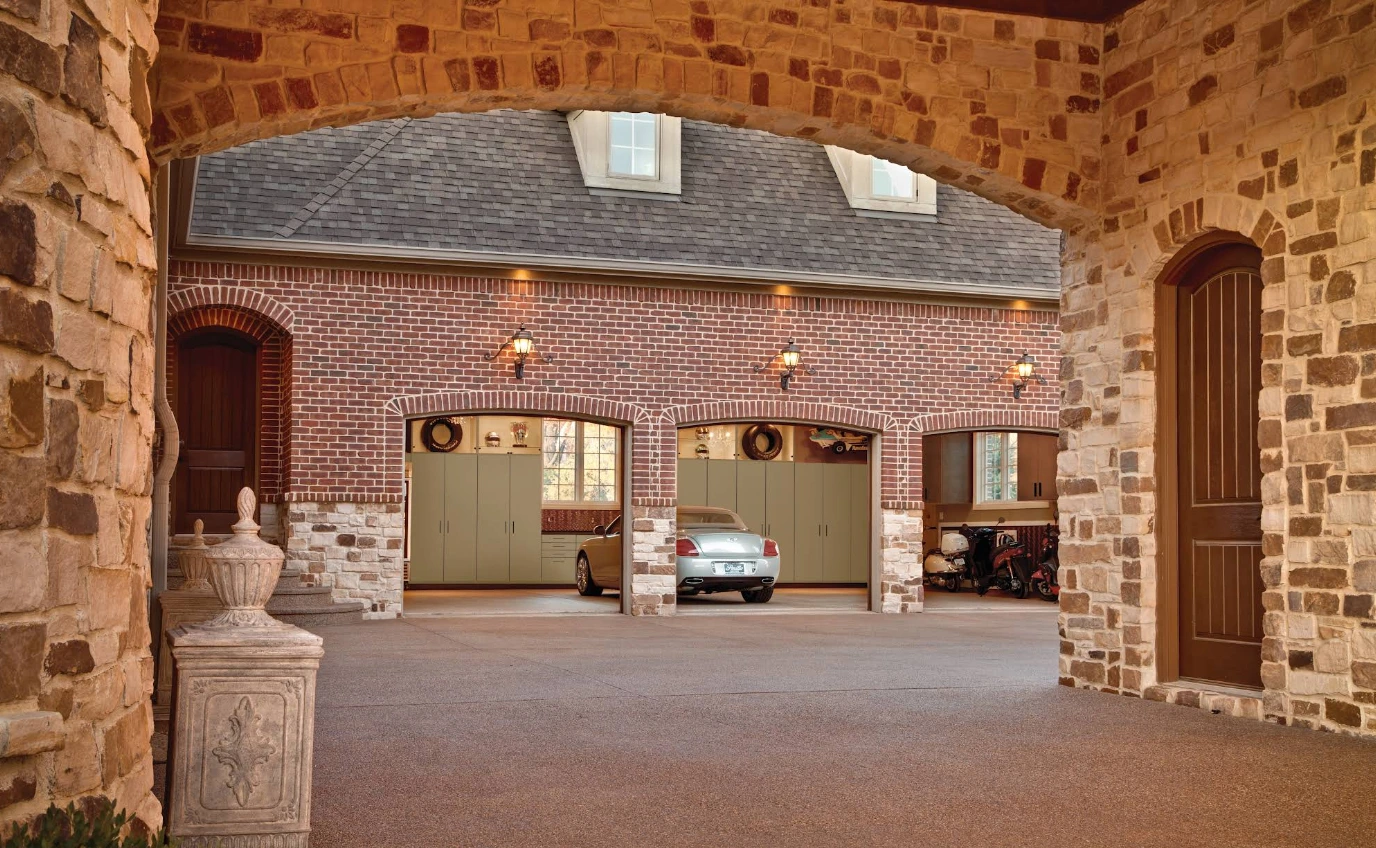
Your garage is more than just a place to park your car - it's a functional space that needs regular attention to perform at its best. Whether you've recently invested in a garage door, epoxy flooring, storage cabinetry, a car lift, or an EV charger, keeping these systems well-maintained ensures they continue to work reliably for years to come. At Garage Design Source, we understand that preventative maintenance is the key to avoiding costly repairs and extending the life of your garage investments.
Preventative Maintenance in Chevy Chase, MD
Your garage is more than just a place to park your car - it's a functional space that needs regular attention to perform at its best. Whether you've recently invested in a garage door, epoxy flooring, storage cabinetry, a car lift, or an EV charger, keeping these systems well-maintained ensures they continue to work reliably for years to come. At Garage Design Source, we understand that preventative maintenance is the key to avoiding costly repairs and extending the life of your garage investments.
Chevy Chase homeowners face unique challenges when maintaining their garage systems. The region's humid summers and cold winters, combined with frequent temperature fluctuations, can accelerate wear on doors, seals, and mechanical components. Regular inspections and proactive upkeep help you catch small issues before they become expensive problems. This comprehensive guide covers everything you need to know about preventative maintenance for your garage systems and how Garage Design Source can help you keep your space in top condition.
Why Preventative Maintenance Matters for Your Garage
Preventative maintenance is fundamentally different from reactive repairs. Instead of waiting for something to break, a proactive approach identifies potential issues early and addresses them before they cause downtime or safety concerns. For homeowners in Chevy Chase, this translates to better performance, improved safety, and significant long-term savings.
When garage systems are neglected, minor problems compound quickly. A garage door that's slightly misaligned becomes a noisy, struggling door. A floor coating that isn't protected develops stains and deteriorates faster. Storage hardware that's loose becomes a safety hazard. Regular maintenance prevents these cascading issues and keeps your garage functioning smoothly.
Additionally, maintained systems are safer systems. Properly calibrated safety sensors, secure lifting mechanisms, and well-functioning door openers reduce the risk of accidents or injuries. If you use your garage daily - or have family members who do - this safety factor alone justifies a consistent maintenance routine.
Garage Door and Opener Maintenance Checklist
Your garage door is one of the hardest-working components in your home, often operating multiple times per day. Regular maintenance keeps it running smoothly and safely.
Visual Door Inspection
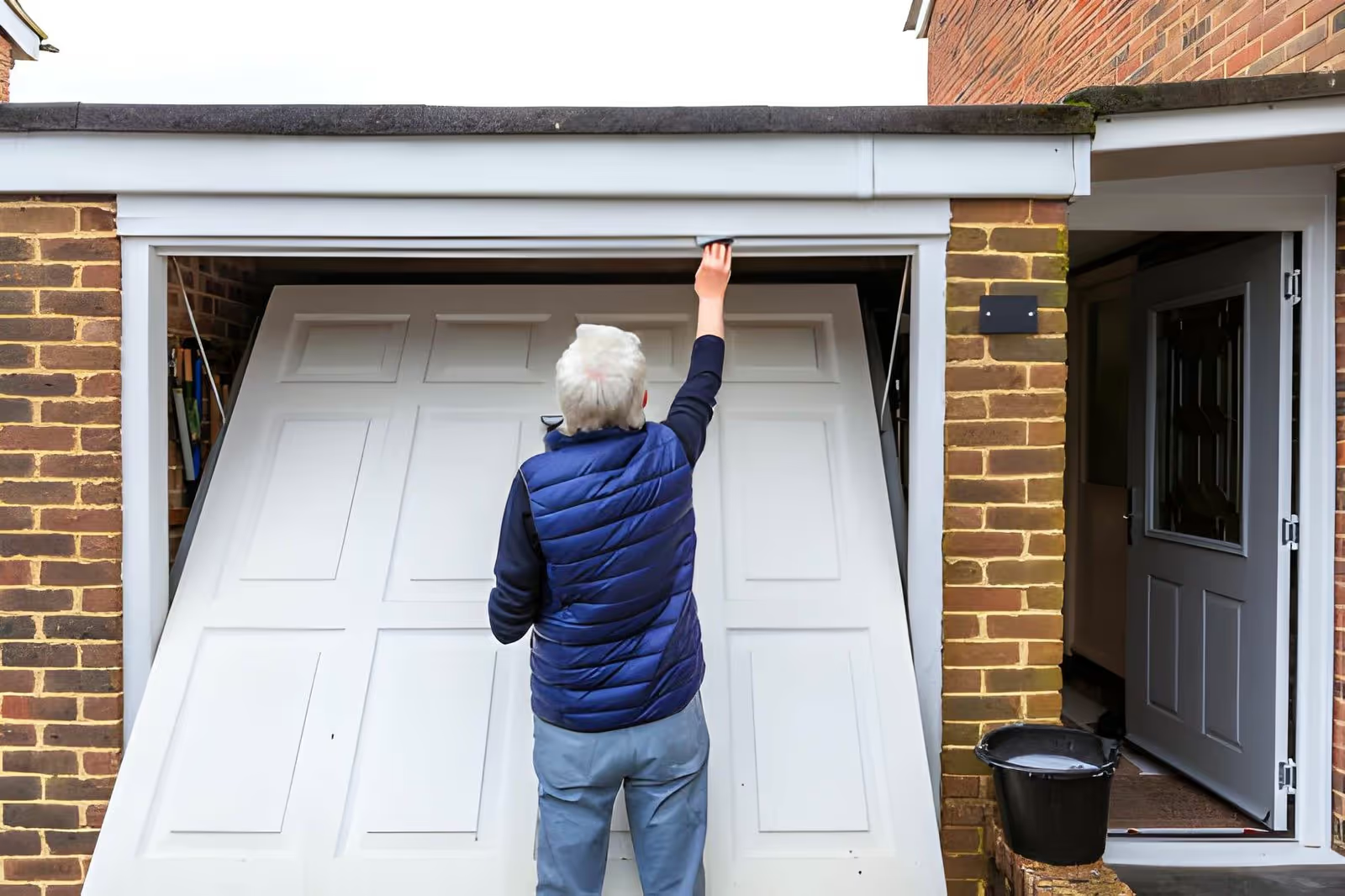
Start with a visual examination of your garage door at least twice per year. Look for the following:
- Dents, cracks, or damage to the panels
- Rust spots or corrosion, particularly at the bottom where moisture collects
- Fading or peeling paint or finish
- Gaps between panels or visible light coming through unsealed areas
- Warping or misalignment that affects how the door closes
Minor cosmetic damage might not require immediate action, but structural damage like dents that affect the door's alignment can impact operation and should be addressed promptly.
Opener Function Testing
Your garage door opener should open and close smoothly with minimal noise. Test the door's operation monthly by opening and closing it fully several times. Listen for grinding sounds, hesitation, or jerky movements. The door should travel smoothly from fully open to fully closed and stop at the appropriate positions without bouncing.
If your opener has a manual backup mode, test it occasionally to ensure it works if power is lost. Check that the door responds immediately to remote controls and wall buttons without delays.
Lubrication and Moving Parts
The tracks, rollers, hinges, and springs of your garage door require periodic lubrication to reduce friction and wear. Twice yearly, apply a silicone-based lubricant to these components. Avoid using WD-40 or similar products - these are penetrating oils that can attract dust and dirt rather than lubricate.
Pay special attention to the vertical and horizontal tracks, ensuring they're free of debris and properly aligned. Misaligned tracks cause the door to bind and operate inefficiently.
Spring and Counterweight Inspection
The springs that counterbalance your garage door endure tremendous stress. Torsion springs (located above the door) and extension springs (on the sides) eventually wear out, typically after 7-10 years of regular use. Never attempt to adjust or repair springs yourself - they store significant tension and are dangerous to handle.
During your preventative maintenance routine, simply observe whether the door opens and closes with balanced effort or if it seems heavier on one side. Unbalanced operation suggests spring wear and warrants professional inspection.
Safety Sensor Calibration and Testing
Modern garage doors have safety sensors that prevent the door from closing if an obstruction is detected. These sensors are critical for preventing accidents and injuries.
Monthly Sensor Testing
Test your safety sensors monthly by opening the garage door and placing an object like a cardboard box in the door's path near the floor. Close the door using a remote or wall button. The door should immediately reverse when it detects the obstruction - it should never come into contact with the object.
If the door doesn't reverse, or if there's a delay, your sensors need calibration or cleaning.
Sensor Alignment and Cleaning
Safety sensors work via infrared beams between two units positioned on opposite sides of the door opening, near the floor. These beams must be perfectly aligned to function properly. Over time, vibration from door operation can misalign the sensors slightly.
Check the alignment by looking at the indicator lights on the sensor units. Most sensors have a green light when properly aligned. If misalignment is indicated, the mounting brackets may need adjustment - a task that's usually straightforward but should be done according to your opener manufacturer's specifications.
Clean the sensor lenses quarterly with a soft, dry cloth. Dust and cobwebs accumulating on the lenses can block the infrared beam and trigger false closures.
Track and Roller Assessment
The tracks guide your garage door up and down, and rollers roll along these tracks. Together, they ensure smooth, aligned operation.
Track Inspection
Examine the horizontal and vertical tracks for the following:
- Dents or bends that might prevent rollers from moving smoothly
- Rust or corrosion, especially in Chevy Chase where humidity is significant
- Buildup of dirt, leaves, or debris
- Gaps between the track and the roller path
Minor surface rust can be cleaned with a wire brush and light lubricant. Significant dents or bends require track replacement to restore proper alignment.
Roller Condition
Rollers gradually wear down over thousands of open-close cycles. Worn rollers operate noisily and may start to slip in the track. If your garage door has become noticeably noisier over time, worn rollers are often the culprit.
Most residential garage doors have nylon rollers that are maintenance-free, but they do eventually need replacement. Steel rollers, while more durable, require occasional lubrication.
Floor Coating Inspection and Protection
Your garage floor coating protects the concrete from stains, moisture, and damage while providing an attractive finished surface. Regular inspection and care extend its lifespan significantly.
Quarterly Visual Inspections
Every three months, walk your garage floor and note any changes:
- New stains or discoloration that won't wipe clean
- Areas where the coating appears dull or faded compared to surrounding areas
- Small chips, cracks, or areas where the coating is peeling
- Puddles or standing water that might indicate drainage issues
Early detection of coating damage allows for spot repairs before issues spread.
Cleaning and Maintenance
Keep your garage floor clean and dry. Sweep regularly to remove dust and debris. Wipe up spills promptly - oil, coolant, and other automotive fluids can stain and damage coating if left to sit. For routine cleaning, use a pH-neutral floor cleaner designed for epoxy or polyaspartic coatings. Avoid harsh acidic or alkaline cleaners that can degrade the coating.
Moisture and Humidity Control
Chevy Chase's humid climate makes moisture management crucial for floor coating longevity. Ensure your garage has adequate ventilation to prevent moisture buildup. If you notice condensation on your garage floor early in the morning, improve air circulation by opening a door or window when weather permits, or consider a small dehumidifier.
Moisture trapped under the coating can cause bubbling and peeling. If you notice these issues, professional repair may be necessary to address the underlying moisture problem.
Cabinet and Storage Hardware Review
Your garage storage system is only as good as its hardware. Hinges, latches, handles, and fasteners all endure regular use and the temperature fluctuations common in Chevy Chase garages.
Hardware Tightening
Quarterly, go through your cabinets with a socket wrench or screwdriver and tighten all visible fasteners. Hinges, handle bolts, shelf support brackets, and mounting bolts gradually loosen due to vibration and use. Tightening them takes minutes but prevents misalignment and potential failure.
Hinge and Latch Inspection
Check that hinges operate smoothly without binding or sticking. Cabinet doors should close easily and stay closed without drifting open. Latches should catch securely and release smoothly.
If hinges are squeaking, apply silicone lubricant. If a door is misaligned, most hinges have adjustment bolts that allow fine-tuning of the door position.
Addressing Rust or Corrosion
In a humid garage environment, steel hardware can develop surface rust. Inspect cabinet hardware regularly and address rust early. Light surface rust can be cleaned with a wire brush and sealed with a rust-preventative coating. Heavy rust or pitted hardware should be replaced.
Car Lift Safety and Maintenance
If you have a car lift in your garage, regular maintenance is essential for safe operation. Car lifts bear tremendous weight and require careful upkeep.
Weekly Visual Checks
Before each use, walk around your lift and observe:
- Hydraulic hoses for leaks, cracks, or bulging areas
- All bolts and fasteners to ensure none appear loose
- The hydraulic fluid level (if your lift has a visible reservoir)
- Any unusual sounds when raising or lowering
Hydraulic System Inspection
Your car lift relies on hydraulic pressure to function. Leaks in hydraulic hoses or connections reduce pressure and can cause the lift to operate unevenly or fail to hold weight. Inspect hoses and connection points monthly for signs of leaking fluid. Even small leaks should be addressed promptly.
If your lift is slow to raise or lower, or if it sags under load, hydraulic fluid may be low. Check the reservoir level and top up with the fluid specified in your lift's manual.
Structural and Mounting Assessment
Ensure that all mounting bolts securing your lift to the concrete floor remain tight. Vibration from lift operation can gradually loosen these fasteners. Check bolt tightness at least twice yearly.
Walk the perimeter of your lift looking for cracks in the concrete around mounting points. Concrete cracking can indicate shifting foundations or excessive stress on mounting locations.
Certification and Professional Inspection
Many car lifts benefit from professional inspection every 12-24 months, depending on usage frequency. A professional can pressure-test hydraulic systems, verify safety mechanisms, and ensure the lift remains safe for continued use.
EV Charger Visual Checks and Care
If you've installed an electric vehicle charger in your garage, basic visual inspections help ensure safe, reliable operation.
Monthly Visual Inspection
Check your EV charger monthly for:
- Damage to the charging cable or connector
- Loose or corroded electrical connections
- Any signs of overheating, discoloration, or burn marks around the charger housing
- Moisture or condensation inside the charger unit
- Loose mounting bolts or hardware
Weather Protection
Even if your charger is under cover, Chevy Chase's weather can impact performance. Heavy rain, snow, and temperature swings all affect electrical equipment. Ensure your charger is installed in a location protected from direct water spray. If you notice any moisture getting inside the unit, stop using it and have it inspected professionally.
Cable and Connector Condition
Examine the charging cable regularly for cracks, fraying, or damage to insulation. The connector where it plugs into your vehicle should be clean and free of corrosion. If you notice any deterioration, the cable may need replacement.
Power Supply Stability
If your charger displays error codes, loses power intermittently, or charges slowly despite showing full power, the issue may be in your home's electrical system rather than the charger itself. Have a qualified electrician inspect your home's power supply to your charger location.
Seasonal Maintenance for Chevy Chase Climates
The Washington D.C. metro region experiences significant seasonal changes that affect garage systems differently throughout the year.
Spring Preparation
As weather warms and humidity rises, prepare your garage for summer conditions:
- Clean and lubricate all garage door components
- Check that door seals are intact and creating a good seal
- Clean safety sensors to ensure winter dust hasn't accumulated
- Inspect floor coating for any winter damage
- Test air circulation to prevent humidity buildup
Summer Maintenance
Summer brings humidity and heat that can stress garage systems:
- Monitor floor coating for staining and clean spills promptly
- Ensure cabinets remain dry and moisture-free
- Check car lift hydraulics - heat can affect fluid viscosity
- Keep garage doors operating smoothly to prevent binding from heat
- Monitor EV charger for overheating during extended charging sessions
Fall Preparation
As cooling weather arrives, prepare for winter:
- Clean gutters and drainage around your garage to prevent water infiltration
- Inspect garage door seals and weatherstripping
- Lubricate garage door and opener components before winter use increases
- Test door operation and alignment
- Check safety sensors for debris
Winter Maintenance
Winter in Chevy Chase brings cold, and sometimes snow and ice:
- Keep your garage door tracks clear of ice and snow
- Apply extra lubrication to moving parts - cold makes lubricants thicker
- Monitor floor coating for salt damage if you track road salt into your garage
- Check for moisture and condensation from temperature differences
- Test garage door operation regularly - cold can affect performance
The Benefits of Proactive Maintenance
Investing time and attention in preventative maintenance delivers substantial benefits beyond simply avoiding repairs.
Extended Equipment Life
Well-maintained garage systems last significantly longer than neglected ones. A garage door that receives regular attention can function reliably for 15-20 years or more. Floor coatings that are properly protected can last 10-15 years. Cabinets and storage systems that are kept clean and tight can serve for decades. Each year of extended life represents tremendous value.
Reduced Emergency Repairs
Preventative maintenance reduces the likelihood of unexpected failures that require emergency service. Catching a garage door spring issue during a routine inspection is far less disruptive than having the door fail when you need to use it. Regular checks prevent sudden, expensive breakdowns.
Improved Safety
Regularly maintained garage systems are safer systems. Properly functioning safety sensors, secure lifts, and reliable doors all contribute to a safer garage environment for you and your family.
Better Performance and Appearance
Maintained systems simply work better and look better. A garage door that glides smoothly, cabinets that open and close easily, and flooring that looks fresh and protected create a more pleasant garage experience. You notice the difference daily.
Cost Savings
While preventative maintenance requires some investment of time and occasionally minor parts replacement, the total cost is far lower than dealing with major repairs or premature replacement of systems. A floor coating that lasts 15 years through proper care costs less per year than one that degrades in 8 years due to neglect.
Creating Your Preventative Maintenance Schedule
Developing a simple maintenance routine helps ensure nothing is overlooked. Consider creating a checklist based on the timeline below:
Monthly Tasks
- Test garage door safety sensors
- Visually inspect garage door for damage
- Check cabinet hardware and hinges
- Walk car lift and check for leaks (if applicable)
Quarterly Tasks
- Clean and lubricate garage door tracks and rollers
- Inspect floor coating for damage or staining
- Tighten all cabinet fasteners
- Inspect EV charger connections (if applicable)
Twice Yearly Tasks
- Deep clean and lubricate all garage door components
- Professional inspection of springs and counterweight systems
- Assess track alignment and roller condition
- Check all cabinet hardware and address any corrosion
- Inspect car lift mounting bolts (if applicable)
Annually or as Needed
- Professional floor coating inspection and repairs
- Comprehensive car lift maintenance and safety check
- Garage door opener servicing
- Weatherstripping and seal replacement
Working with Garage Design Source for Maintenance
At Garage Design Source, we specialize in garage systems because we understand that each component plays a role in your overall garage environment. Our team can provide guidance on maintaining the specific systems you have, perform professional inspections when needed, and address any issues that go beyond routine upkeep.
If you've had your garage floor coating, doors, storage systems, or car lift installed by Garage Design Source, we're familiar with exactly what you have and how to maintain it properly. We're locally owned and operated in the Washington D.C. metro region, which means we understand how Chevy Chase's specific climate affects your garage over time.
Whether you need annual professional maintenance, have questions about your current systems, or want to discuss adding preventative maintenance to your routine, our team is here to help. Preventative maintenance is an investment in the longevity, safety, and appearance of your garage - and it's one that pays dividends year after year.