.svg)
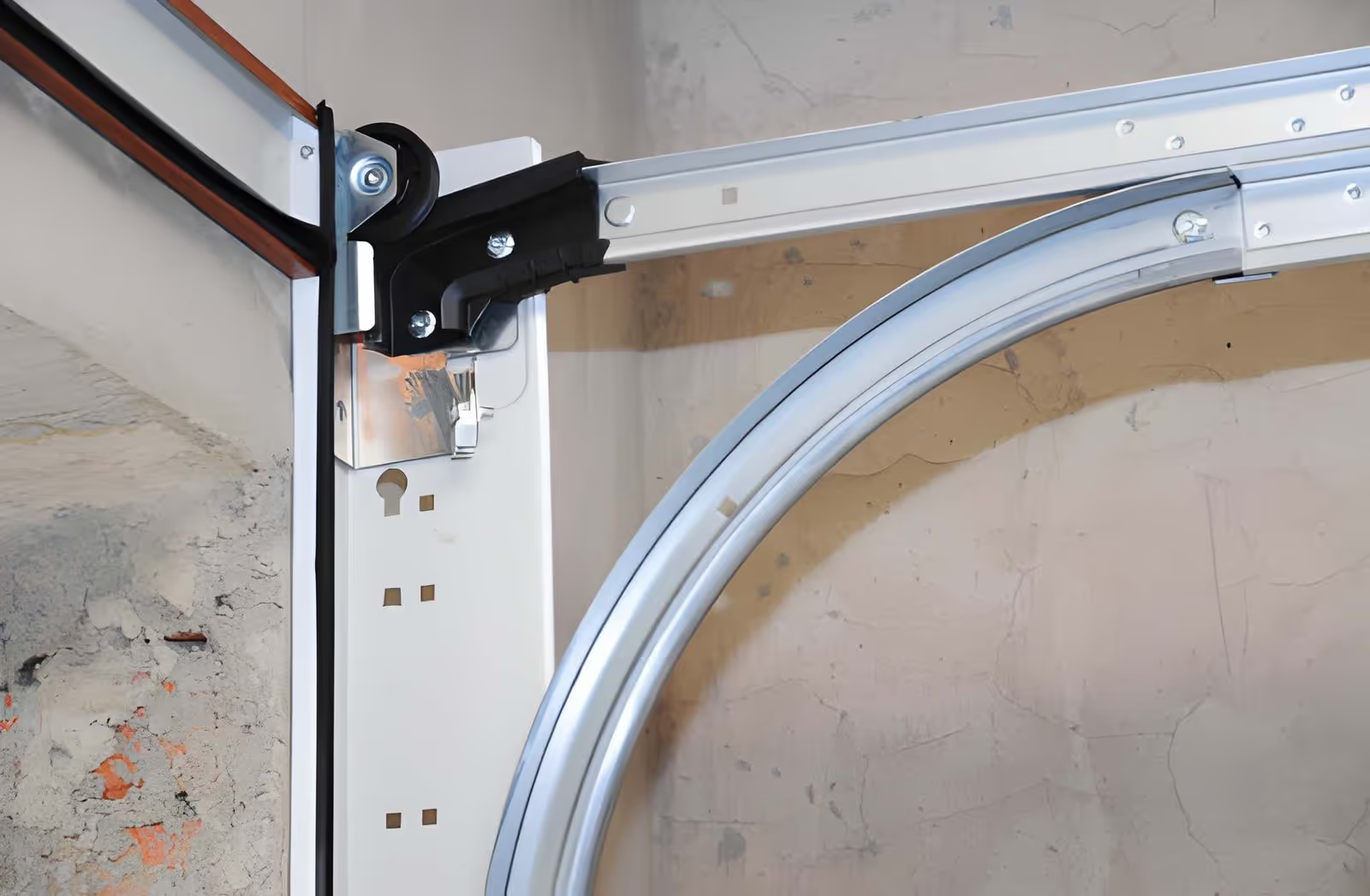
Your garage door operates through a carefully engineered system of interconnected components - tracks, rollers, hinges, brackets, and cables all work in harmony to provide smooth, reliable operation. When any of these elements wear down or fall out of alignment, you'll notice it immediately: the door becomes noisy, sluggish, or potentially unsafe. At Garage Design Source, we specialize in diagnosing and repairing these critical garage door components to restore your door's performance and ensure your home remains secure.
Track, Roller & Hardware Service in Bethesda, MD
Your garage door operates through a carefully engineered system of interconnected components - tracks, rollers, hinges, brackets, and cables all work in harmony to provide smooth, reliable operation. When any of these elements wear down or fall out of alignment, you'll notice it immediately: the door becomes noisy, sluggish, or potentially unsafe. At Garage Design Source, we specialize in diagnosing and repairing these critical garage door components to restore your door's performance and ensure your home remains secure.
Bethesda homeowners depend on their garage doors to function flawlessly. Whether you're hearing grinding sounds, experiencing binding doors, or noticing visible wear on your hardware, our team understands the importance of prompt, professional service. We've been serving the Washington D.C. metro area since the early 2000s, and our expertise in garage door systems - from basic maintenance to complete hardware replacement - has made us the trusted choice for Bethesda residents looking for reliable garage solutions.
Common Track, Roller & Hardware Issues
Garage door problems rarely appear without warning. Most homeowners notice subtle signs before a major failure occurs. Understanding these common issues helps you recognize when professional service is necessary.
Noisy or squeaky doors are among the most frequent complaints we hear. This typically indicates that rollers have accumulated dirt and dust, or that lubrication has dried up over time. The noise can range from a light squeak to loud grinding, depending on how long the issue has persisted. Addressing this early prevents the problem from escalating into more serious damage.
Binding or sticking doors suggest misalignment in your tracks. As your door moves up and down daily, vibrations can gradually shift the tracks out of position. Even a quarter-inch of misalignment can cause the door to bind, forcing your opener to work harder and potentially causing damage to the motor or cable system. This is a safety concern that demands immediate attention.
Visible wear on rollers appears as flat spots, cracks, or chipping along the roller surface. Your garage door opens and closes approximately 1,000 times per year - that's significant wear and tear on these small but critical components. Worn rollers don't glide smoothly and force your door to drag rather than roll.
Damaged or bent tracks can result from impact, settling of your home's foundation, or years of normal use. Bent tracks prevent smooth door operation and place stress on other components. In some cases, tracks can be straightened; in others, replacement is the better solution.
Loose or damaged hinges and brackets compromise the structural integrity of your door panels. These hardware components hold your door panels together and connect them to the track system. Loose hinges allow panels to shift, creating gaps or misalignment that affects operation and appearance.
Frayed or damaged cables are a serious safety issue. Cables bear tremendous tension and shouldn't be ignored if you notice fraying or visible damage. A broken cable can cause your door to drop suddenly, creating both a security risk and potential injury hazard.
Hardware corrosion or rust is common in the Washington D.C. metro area, where humidity levels fluctuate throughout the year. Rusty hinges, brackets, or track sections can seize up, preventing smooth movement. Salt from winter roads also contributes to corrosion in areas near major thoroughfares.
Our Track, Roller & Hardware Service Process
When you contact Garage Design Source about track, roller, or hardware issues, we begin with a thorough diagnostic inspection. This isn't a quick glance - we examine every component of your garage door system to identify not just the obvious problem, but any underlying issues that could develop later.
Step One: Comprehensive Inspection and Diagnostics
Our technician arrives fully equipped and begins by operating your door manually and with the opener. We listen carefully for sounds that indicate specific problems - squeaking typically points to roller issues, while grinding suggests track misalignment. We visually inspect all visible hardware, checking for rust, loose fasteners, or visible damage.
We measure track alignment using precise tools to detect even small deviations that could cause binding. We examine rollers for wear patterns and damage. We check the condition of all hinges, brackets, and fasteners. We inspect cables for fraying or damage and verify proper tension on the door. We test the balance of your door by manually lifting it to ensure it's properly counterbalanced by springs.
This diagnostic process typically takes 30-45 minutes for a standard single-car garage door. We document our findings and explain exactly what we've discovered, what's causing your door's specific issues, and what solutions we recommend.
Step Two: Roller Assessment and Replacement
If roller replacement is needed, we discuss the options available. Garage Design Source uses high-quality rollers from trusted manufacturers that are designed to last. Roller options vary by door type and application - some customers benefit from nylon rollers for quieter operation, while others require steel rollers for heavier doors or commercial applications.
We replace worn rollers with precision, ensuring proper alignment and smooth operation. Quality rollers typically last 15-20 years with minimal maintenance. The investment in quality components pays dividends in reliability and quiet operation.
Step Three: Track Realignment or Replacement
For misaligned tracks, we carefully adjust the bolts and fasteners that hold tracks in position. This is delicate work - minor adjustments often resolve the binding issue completely. We retest the door operation after each adjustment to ensure proper alignment throughout the full travel range.
If tracks are bent or damaged beyond straightening, we remove and replace them with new tracks. We verify alignment on new track installations using the same precision methods we use for adjustments.
Step Four: Hardware Repair or Replacement
Damaged or loose hinges, brackets, and fasteners are either tightened or replaced depending on their condition. We use hardware that matches your door's specifications and aesthetic. For older doors, we can source replacement hardware that matches the original finish and style.
We address corrosion by replacing corroded components with rust-resistant alternatives. This is especially important in the Bethesda area, where humidity and seasonal weather changes accelerate corrosion.
Step Five: Lubrication and Balance Check
After all repairs are complete, we apply appropriate lubricant to all moving parts. We use lubricants specifically designed for garage door systems - not general-purpose oils that attract dirt. Proper lubrication reduces friction, minimizes noise, and extends the lifespan of all components.
We perform a final balance check to ensure your door operates smoothly and safely. A properly balanced door puts minimal stress on your garage door opener and runs more quietly.
Roller Replacement and Lubrication Best Practices
Rollers are the workhorses of your garage door system, and their condition directly affects your door's performance. Understanding roller replacement options and maintenance helps you make informed decisions.
Roller Material Options
Nylon rollers are the most common choice for residential doors. They roll more quietly than steel rollers and are sufficient for most standard-weight doors. Nylon rollers are also less prone to corrosion than steel.
Steel rollers are used on heavier doors or in commercial applications. They're more durable than nylon but tend to be noisier. Steel rollers are available with sealed ball bearings for smoother operation.
Lubrication Schedule
Proper lubrication is one of the simplest ways to extend your garage door's lifespan. We recommend lubricating all moving parts - rollers, hinges, track, and cable - at least annually. In the Bethesda area, where humidity is significant, twice-yearly lubrication provides even better protection against corrosion.
What to Use and What to Avoid
Silicone-based lubricants or specialized garage door lubricants work best. These products penetrate crevices, reduce friction, and don't attract dust the way general-purpose oils do. Avoid WD-40 and similar products - while they provide temporary relief, they attract dirt and don't offer long-term protection.
Never use grease on your garage door system. Grease attracts dirt, accumulates over time, and actually increases friction and noise rather than reducing it.
Track Realignment and Repair
Your garage door tracks are precision components that guide your door's movement. Even small misalignments cascade into larger problems.
Identifying Track Misalignment
When your door binds or sticks at specific points during opening or closing, track misalignment is often the culprit. Listen for dragging sounds as the door moves - this indicates that rollers are binding against misaligned tracks.
Visual inspection can reveal obvious issues - bent sections, separated tracks, or visible gaps between the roller and track. However, misalignment as small as one-quarter inch won't always be visible to the untrained eye.
How Realignment Works
Track realignment involves loosening the bolts that hold your tracks in position and carefully adjusting them back into proper alignment. This requires precision tools and careful measurement. Our technicians use laser alignment tools to ensure tracks are perfectly parallel and at the correct height.
After realignment, we retest the door throughout its full range of motion to ensure smooth operation. Small adjustments are often repeated to achieve perfect alignment.
When Track Replacement is Necessary
Severely bent or damaged tracks can't be straightened without compromising their structural integrity. In these cases, replacement is the better solution. Track replacement is more involved than realignment - we must remove the door, disconnect the opener, and carefully remove the old tracks before installing new ones.
Track replacement typically takes 2-3 hours depending on your door's size and condition. The investment is worth it - quality replacement tracks provide years of smooth, reliable operation.
Hardware Replacement - Hinges, Brackets & Cables
Your garage door's hardware components carry significant stress. When they fail, your entire door system is compromised.
Hinge Replacement
Hinges connect your door panels to the track system. They endure constant movement and stress. Loose or damaged hinges allow door panels to shift, creating operational problems and aesthetic issues.
Garage Design Source replaces hinges with heavy-duty alternatives designed for residential or commercial applications. We ensure hinges are properly fastened and that all panels align correctly after replacement.
Bracket Repair and Replacement
Brackets reinforce connection points throughout your door system. Bent or loose brackets affect door operation and can lead to more serious damage. We either tighten loose brackets or replace damaged ones with matching hardware.
Cable Service and Safety
Your garage door cables bear tremendous tension - up to 200 pounds per cable on a typical residential door. If a cable breaks, your door could drop suddenly, creating a serious safety hazard.
We inspect cables regularly for fraying, visible damage, or signs of wear. If we detect problems, we recommend cable replacement before failure occurs. Cable replacement should always be performed by professionals - the tension in these cables is dangerous to work with.
Safety and Balance Checks
Every garage door repair service at Garage Design Source includes comprehensive safety and balance checks. These aren't just formalities - they're essential to ensuring your door operates safely.
Door Balance Testing
We test your door's balance by manually lifting it approximately halfway open. A properly balanced door should stay in position without rolling up or down. If it rolls either direction, the counterbalance springs need adjustment or replacement.
An unbalanced door forces your garage door opener to work harder than necessary, reducing its lifespan and increasing energy consumption. More importantly, an unbalanced door won't function properly if the opener fails, potentially trapping your car inside or creating a security issue.
Safety Reverse Testing
Modern garage door openers include safety features that detect obstructions and automatically reverse the door. We test this mechanism to ensure it functions properly. This protects children, pets, and property from being crushed by a closing door.
Hardware Security Verification
We verify that all bolts, fasteners, and connections are tight and secure. Loose hardware can lead to misalignment, noise, and operational problems.
Parts and Brand Information
Garage Design Source partners with leading garage door component manufacturers to ensure we have access to quality parts for any repair or replacement.
Roller Options
We work with manufacturers that produce nylon and steel rollers in various configurations. Our technicians can recommend the best roller type for your specific door and usage patterns.
Track Systems
We use precision-engineered track systems that are manufactured to exact specifications. These tracks are designed to accommodate standard garage door rollers and provide smooth, quiet operation for decades.
Hardware Components
For hinges, brackets, fasteners, and cables, we source components from manufacturers known for durability and longevity. We ensure replacement hardware matches your door's specifications and aesthetic.
Lubricants
We apply lubricants specifically formulated for garage door systems - products that reduce friction without attracting dirt or accelerating wear.
Expected Service Timelines
Understanding how long repairs take helps you plan your day and manage expectations.
Inspection and Diagnostics
Initial inspection typically takes 30-45 minutes. During this time, we thoroughly evaluate every component of your garage door system and provide a detailed explanation of our findings and recommendations.
Roller Replacement
Replacing one or more rollers usually takes 1-2 hours depending on how many need replacement and their accessibility.
Track Realignment
Minor track realignment can often be completed in 1-2 hours. Major realignment or track replacement takes longer - typically 2-4 hours.
Hardware Replacement
Hinge or bracket replacement typically takes 1-3 hours depending on how many components need replacement and accessibility.
Complete System Overhaul
A comprehensive service addressing multiple issues - new rollers, realigned or replaced tracks, new hardware, and thorough lubrication - typically takes 4-6 hours.
These are general estimates. We provide specific timelines after our initial inspection, and we always call if a job takes longer than anticipated.
Warranty and Guarantee Information
Garage Design Source stands behind our work. We offer warranties on parts and labor that reflect our commitment to quality service.
Parts Warranties
Replacement components carry manufacturer warranties. For rollers, typical warranties range from 5-10 years depending on the product. Tracks, hinges, and hardware carry similar warranties. We provide detailed warranty information on all components we install.
Labor Warranty
We guarantee our workmanship for 12 months from the service date. If any issue related to our repair work occurs within this period, we'll address it at no additional charge.
Customer Satisfaction
As a locally owned and operated company serving the Washington D.C. metro area, our reputation is built on customer satisfaction. We take pride in quality work and stand behind every service we provide.
Preventative Maintenance Tips
Regular maintenance prevents most garage door problems before they develop into costly repairs. These simple practices extend your system's lifespan and keep your door operating smoothly.
Annual Lubrication
Lubricate all moving parts at least once per year. In the Bethesda area, where humidity is significant, twice-yearly lubrication provides better protection. Use only silicone-based lubricants or specialized garage door products.
Visual Inspection
Every month or two, take a few minutes to visually inspect your door and its components. Look for rust, bent tracks, loose fasteners, worn rollers, or frayed cables. Early detection prevents small problems from becoming expensive repairs.
Balance Testing
Test your door's balance every few months by manually lifting it halfway. It should stay in position without rolling. If it doesn't, contact us for spring adjustment or replacement.
Track Cleaning
Keep your tracks free of dirt and debris. Dust and debris accumulate in tracks and can interfere with smooth roller operation. A simple brushing removes most accumulation.
Listen for Changes
Any change in your door's sound - new squeaks, grinding, or grinding noises - indicates that service is needed. Your garage door should operate quietly and smoothly. Noises indicate developing problems.
Professional Inspection
Consider having Garage Design Source perform a comprehensive inspection annually. For a small investment, we can identify developing issues before they become serious problems.
Why Choose Garage Design Source
Bethesda homeowners have trusted Garage Design Source for over two decades because we specialize in garage systems. Unlike general contractors or door companies that handle garage doors as one of many services, we focus exclusively on garage solutions.
Our team understands the complexity of garage door systems and the importance of quality repairs. We invest in precision diagnostic tools, keep current on industry developments, and prioritize customer education so you understand exactly what we're recommending and why.
We're locally owned and operated in the Washington D.C. metro area, which means we understand the specific challenges that Bethesda homeowners face - humidity, seasonal temperature swings, and the wear patterns common to our region.
We stand behind our work with comprehensive warranties and a commitment to customer satisfaction that reflects our 20-year reputation in the community.
When your garage door tracks, rollers, or hardware need professional service, Garage Design Source has the expertise, equipment, and commitment to quality that Bethesda residents deserve.