.svg)
Your garage door is one of the largest moving parts of your home, and it relies on a complex system of tracks, rollers, hinges, cables, and brackets working together seamlessly. When any of these components wear down or fall out of alignment, you'll notice it immediately - a door that sounds like it's grinding metal, sticks halfway up, or moves unevenly is telling you something needs attention. At Garage Design Source, we specialize in diagnosing and repairing garage door track, roller, and hardware issues throughout Leesburg and the Northern Virginia region. Whether your door is noisy, binding, or simply not operating as smoothly as it should, our team has the expertise to get it working like new again.
Track, Roller & Hardware Service in Leesburg, VA
Your garage door is one of the largest moving parts of your home, and it relies on a complex system of tracks, rollers, hinges, cables, and brackets working together seamlessly. When any of these components wear down or fall out of alignment, you'll notice it immediately - a door that sounds like it's grinding metal, sticks halfway up, or moves unevenly is telling you something needs attention. At Garage Design Source, we specialize in diagnosing and repairing garage door track, roller, and hardware issues throughout Leesburg and the Northern Virginia region. Whether your door is noisy, binding, or simply not operating as smoothly as it should, our team has the expertise to get it working like new again.
As a locally owned and operated garage door specialist, we've been helping homeowners in the Washington D.C. metro area maintain and repair their garage door systems for nearly two decades. We understand that when your garage door isn't functioning properly, it affects more than just convenience - it impacts the security of your home and your peace of mind. That's why we take every service call seriously, approaching each repair with the same attention to detail and quality craftsmanship that defines everything Garage Design Source does.
Why Garage Door Tracks, Rollers, and Hardware Matter
Your garage door system works hard. Every single day, it opens and closes, often multiple times. The tracks guide the door along its path, the rollers roll along those tracks to reduce friction, and the hardware - hinges, brackets, springs, and cables - holds everything together and manages the weight distribution. When you consider that a typical garage door can weigh between 300 and 500 pounds, you begin to appreciate just how critical these components are to safe, reliable operation.
Over time, these parts experience wear and tear. Metal expands and contracts with temperature changes, especially during Northern Virginia's seasonal shifts. Dust and debris accumulate in the tracks. Rollers flatten slightly from constant use. Hardware gradually loosens as vibrations work bolts and fasteners free. None of this is unusual - it's simply the natural aging process of a frequently used mechanical system. The key is recognizing when maintenance or repair is needed before a minor issue becomes a major problem.
Common Garage Door Track, Roller, and Hardware Problems
Understanding what's going wrong with your garage door is the first step toward fixing it. Here are the most common issues we encounter in Leesburg and throughout our service area:
- Noisy operation - A door that squeaks, squeals, or grinds when opening or closing typically points to dry rollers, misaligned tracks, or worn hardware. The sound often indicates friction that shouldn't be there.
- Binding or sticking - When your door hesitates, catches, or moves jerkily, the tracks are likely misaligned, or rollers have developed flat spots from wear.
- Uneven movement - If one side of the door rises faster than the other, or if the door appears crooked as it travels, track misalignment is usually the culprit.
- Visible damage to tracks - Dents, bends, or warping in the metal tracks prevent smooth roller movement and can cause the door to derail.
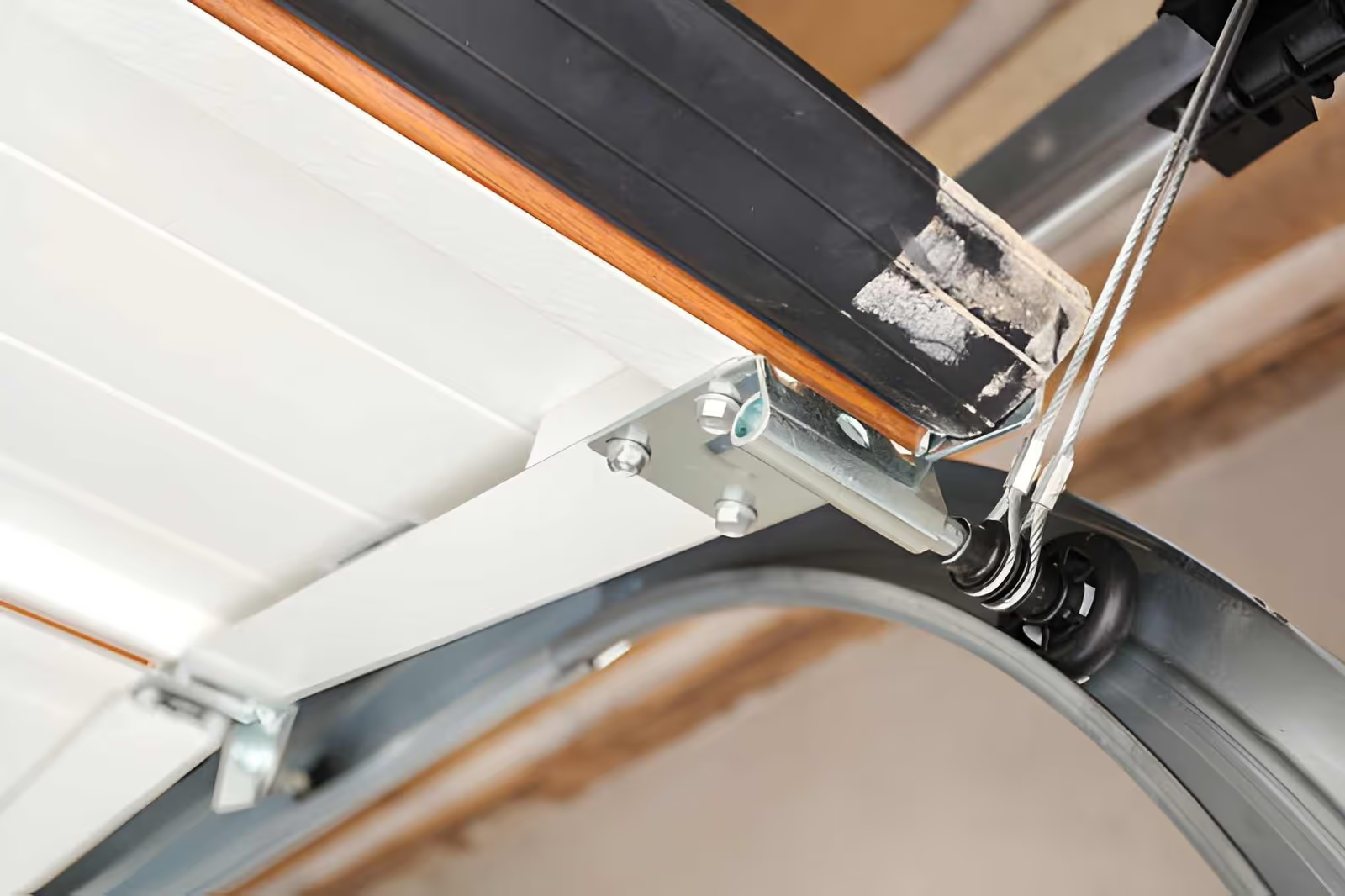
- Worn or flat rollers - Rollers that have lost their smooth, round shape create friction and resistance, making the door harder to open and putting extra strain on the opener.
- Loose or corroded hardware - Hinges, brackets, bolts, and fasteners can loosen over time, and salt air or moisture exposure can cause corrosion that weakens these critical components.
- Frayed or damaged cables - The cables that help balance and lift the door need to be in perfect condition. Any fraying or visible damage is a safety concern.
- Rust accumulation - In humid environments or during wet seasons, tracks and hardware can develop rust that interferes with smooth operation.
Many of these issues are interconnected. A misaligned track puts extra stress on rollers, which then wear faster and create noise. Worn rollers cause the door to labor, which can affect the balance and put strain on cables and springs. That's why a thorough inspection is so important.
Our Professional Inspection and Diagnostic Process
When you call Garage Design Source about track, roller, or hardware concerns, we don't just show up with a wrench. We start with a comprehensive inspection to understand exactly what's happening with your system.
Our inspection includes:
- Visual examination of all tracks - We check for dents, bends, debris, rust, and misalignment using specialized tools and our trained eye to spot issues that aren't immediately obvious.
- Roller assessment - We examine each roller for flat spots, cracks, wear, and proper contact with the track. We also verify that rollers are seated correctly in their brackets.
- Hardware evaluation - We inspect hinges, brackets, bolts, fasteners, and cables for looseness, corrosion, damage, or wear.
- Track alignment verification - Using precision equipment, we confirm that both sides of the track are perfectly parallel and at the correct vertical angle.
- Balance and safety testing - We manually test the door's balance and verify that all safety features are functioning properly.
- Opener performance check - We assess how the garage door opener is responding to the condition of the mechanical components.
This thorough approach allows us to provide you with an accurate assessment of what needs to be done and why. We explain our findings in clear, straightforward terms - no technical jargon, just honest information about your garage door's condition.
Roller Replacement and Lubrication
Rollers are among the most wear-prone components of your garage door system, and replacing them is one of the most effective ways to restore smooth, quiet operation.
When Rollers Need Replacement
Your rollers should be replaced if they exhibit flat spots, visible wear patterns, cracks, or if they've become hard and brittle from age. Even if the door still operates, worn rollers create unnecessary noise and friction that strains your entire system. Depending on usage and maintenance history, rollers typically last 10-15 years, though heavier use or poor maintenance can shorten this timeline.
Roller Options
We work with high-quality roller options that match or exceed the specifications of your original equipment. Quality rollers make a noticeable difference in how smoothly and quietly your door operates. We can discuss options based on your specific door model and your priorities - whether that's maximum durability, quiet operation, or both.
Professional Lubrication Best Practices
Many homeowners think they can simply spray WD-40 on squeaky rollers and solve the problem. This approach actually causes more harm than good. WD-40 and similar spray lubricants attract dust and debris, which then gums up in the tracks and creates more problems down the road. Additionally, if the issue is worn rollers rather than insufficient lubrication, lubricating worn rollers just masks the problem temporarily.
When we service your door, we use silicone-based lubricants specifically formulated for garage door systems. These products:
- Reduce friction without attracting dust and debris
- Maintain their lubricating properties over time
- Are safe for the painted or stained finishes on your door and hardware
- Work effectively across the temperature ranges experienced in Northern Virginia
We apply lubricant strategically to rollers, tracks, hinges, and pivot points - not excessively, but in the precise locations where it reduces friction and protects metal from corrosion.
Track Realignment and Repair
Misaligned tracks are often the root cause of multiple garage door problems. When tracks drift out of parallel alignment, rollers can't roll smoothly, the door binds, and stress increases throughout the system.
Signs of Track Misalignment
Track misalignment typically shows up as uneven door movement, visible gaps between the roller and track, or a door that appears to tilt to one side as it rises or lowers. Sometimes you'll hear a clicking or popping sound as rollers bind slightly against the track edges.
Our Realignment Process
Realigning tracks requires precision and specialized equipment. We:
- Carefully loosen the bolts that secure the track to the frame - but not completely, to maintain structural integrity
- Use precision alignment tools to measure and adjust the track position
- Ensure both vertical sections and horizontal sections are perfectly parallel and at the correct angles
- Verify roller contact throughout the full range of motion
- Retighten all bolts securely once alignment is confirmed
This is not a quick fix-and-forget repair. Proper track realignment takes time and expertise, and it makes an immediate, noticeable difference in how your door operates.
Track Repair vs. Replacement
Minor dents in the track sometimes can be carefully worked out. However, severely dented, bent, or warped sections usually need to be replaced. We assess each situation individually and recommend the most effective solution. Our goal is to restore your door to smooth, reliable operation - whether that means adjusting the existing track or installing a new section.
Hardware Replacement and Upgrades
Your garage door hardware bears the weight and stress of thousands of cycles. Hinges, brackets, cables, and fasteners can loosen, corrode, or wear over time.
Hinges and Brackets
These components connect the panels of your door and attach rollers to the frame. When hinges crack, brackets bend, or bolts loosen, the structural integrity of your door is compromised. We inspect all hinges and brackets and replace any that show damage or excessive wear. We use hardware that matches or exceeds OEM specifications for your door model.
Cables and Springs
Garage door cables and springs are under tremendous tension and are critical to the safe operation of your door. We never attempt temporary repairs on damaged cables - they must be replaced professionally. Similarly, if your spring system shows signs of wear or fatigue, we address it properly rather than applying band-aid solutions.
Bolts, Fasteners, and Hardware Components
Small fasteners that come loose are easy to overlook, but they can cause disproportionate problems. We tighten all bolts, verify that lock nuts are secure, and replace any fasteners that are corroded or damaged beyond reuse.
Safety and Balance Checks
Every garage door repair we perform includes comprehensive safety and balance verification. This isn't just a best practice - it's essential.
Balance Testing
A properly balanced door should move smoothly whether the opener is engaged or not. We test your door's balance by manually lifting it (with the opener disengaged) to confirm it feels appropriately weighted. A door that's out of balance puts excessive strain on the opener motor, on cables, and on the track and roller system.
Safety Feature Verification
Modern garage doors include safety reversals that stop and reverse the door if an obstruction is detected. We test these features to ensure they're functioning properly. We also verify that manual release mechanisms work as intended, so you can safely operate your door even if the opener fails.
Structural Integrity Assessment
We examine the overall structural integrity of your door frame and mounting hardware to confirm everything is secure and properly attached to your home.
Understanding Parts and Brands
At Garage Design Source, we work with established, reliable parts and hardware brands that we trust. We're not interested in sourcing the cheapest components - our reputation depends on using quality parts that will serve you reliably for years to come.
When we recommend specific replacement parts, we can explain the options available, the differences in quality and durability, and what we believe is the best choice for your particular door and situation. We're transparent about what we're using and why, so you understand exactly what's going into your repair.
Expected Timelines for Track, Roller, and Hardware Services
Garage door repairs vary in complexity, and timeline depends on what needs to be done.
Roller replacement and lubrication - Typically 1-2 hours, depending on how many rollers need replacement and the condition of the hardware.
Track realignment - Usually 1-3 hours, depending on how far out of alignment the tracks are and whether any sections need replacement.
Hardware replacement - Can range from 30 minutes for simple fastener work to several hours if hinges, brackets, or cables require replacement.
Comprehensive service - If your door requires multiple services (new rollers, track realignment, and hardware replacement), plan for 2-4 hours.
We'll provide you with a realistic timeframe during our initial assessment. We work efficiently without rushing, because a properly completed repair is more important than a quick one.
Preventative Maintenance Tips
The best way to avoid costly garage door repairs is to maintain your system proactively. Here's what we recommend:
- Monthly visual inspection - Take a quick look at your tracks, rollers, and hardware. Look for obvious damage, rust, or debris accumulation.
- Listen for changes - Pay attention to how your door sounds. New noises often signal the beginning of a problem.
- Keep tracks clean - Use a damp cloth to wipe out the tracks regularly, removing dust and debris that can interfere with roller movement.
- Address issues early - If you notice squeaking, binding, or uneven movement, schedule service sooner rather than later. Small problems are less expensive to fix and prevent bigger problems from developing.
- Professional annual inspection - We recommend having Garage Design Source perform a professional inspection and maintenance service annually, ideally in spring before heavier summer use.
Why Choose Garage Design Source for Your Track, Roller, and Hardware Service
When you call Garage Design Source, you're working with a locally owned and operated company that has been serving the Washington D.C. metro region, including Leesburg and all of Northern Virginia, for nearly two decades. We're not a national chain or a company that treats garage door service as a sideline - it's our specialty.
We bring the same commitment to quality and attention to detail that defines our work in garage flooring, storage systems, and door installation to every repair we perform. We inspect thoroughly, diagnose accurately, and complete the work right the first time. We stand behind our service, and we're here to answer your questions and address your concerns.
Your garage door serves your home every single day. When it's not operating smoothly, we're ready to get it working properly again. Whether you're hearing unusual noises, noticing binding or sticking, or you've identified visible wear on your tracks and rollers, contact Garage Design Source to schedule your professional inspection and repair service today.