.svg)
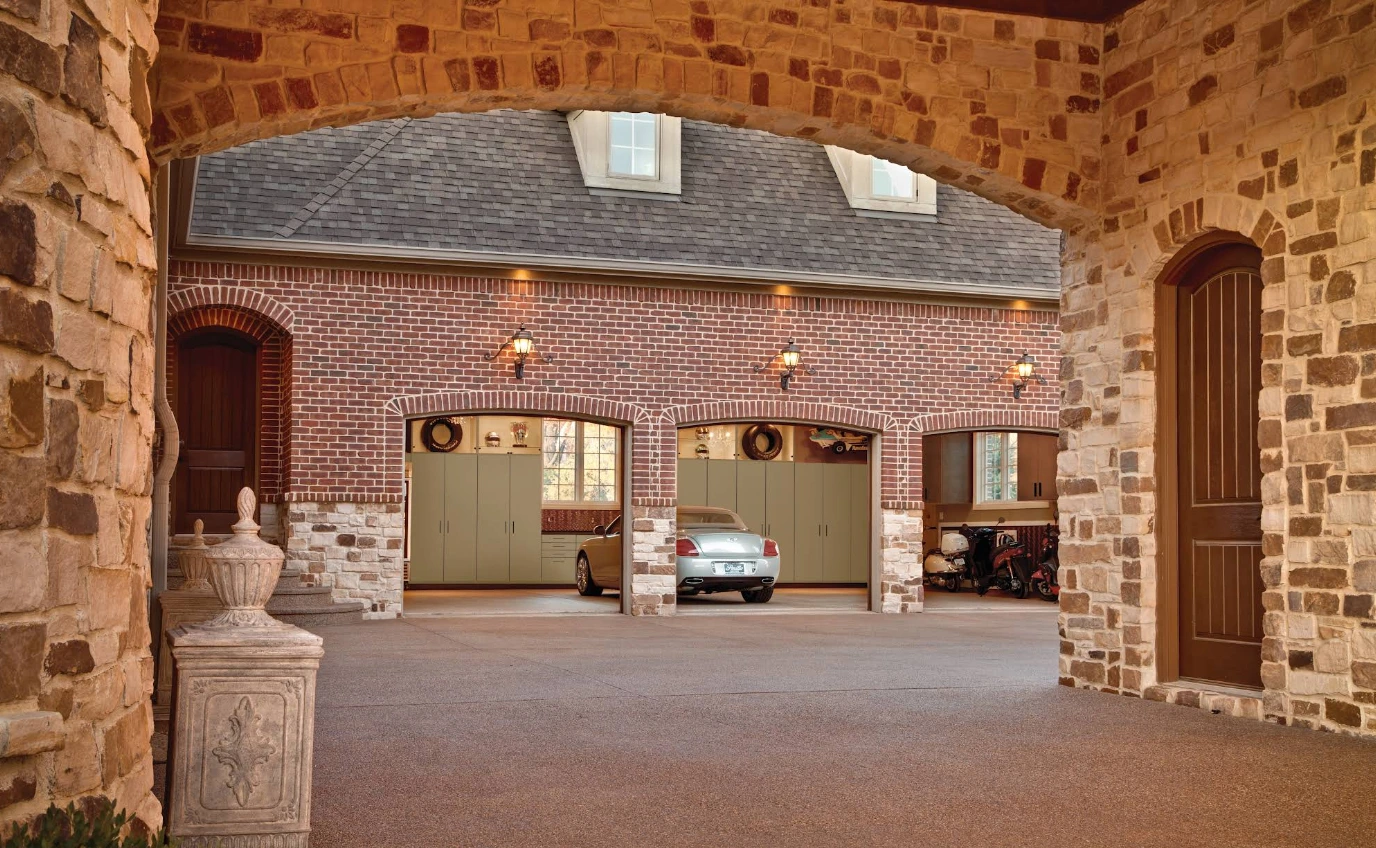
Electric vehicle ownership is growing rapidly across Northern Virginia, and Centreville homeowners are increasingly recognizing the convenience and value of having a dedicated charging station right in their garage. Rather than relying on public charging networks or waiting for Level 1 charging through a standard outlet, installing a professional EV charger transforms your garage into a personal charging hub. Garage Design Source specializes in bringing garage spaces into the modern era, and EV charger installation is a natural extension of our commitment to creating functional, organized, and future-ready garages for homeowners throughout the Washington D.C. metro region.
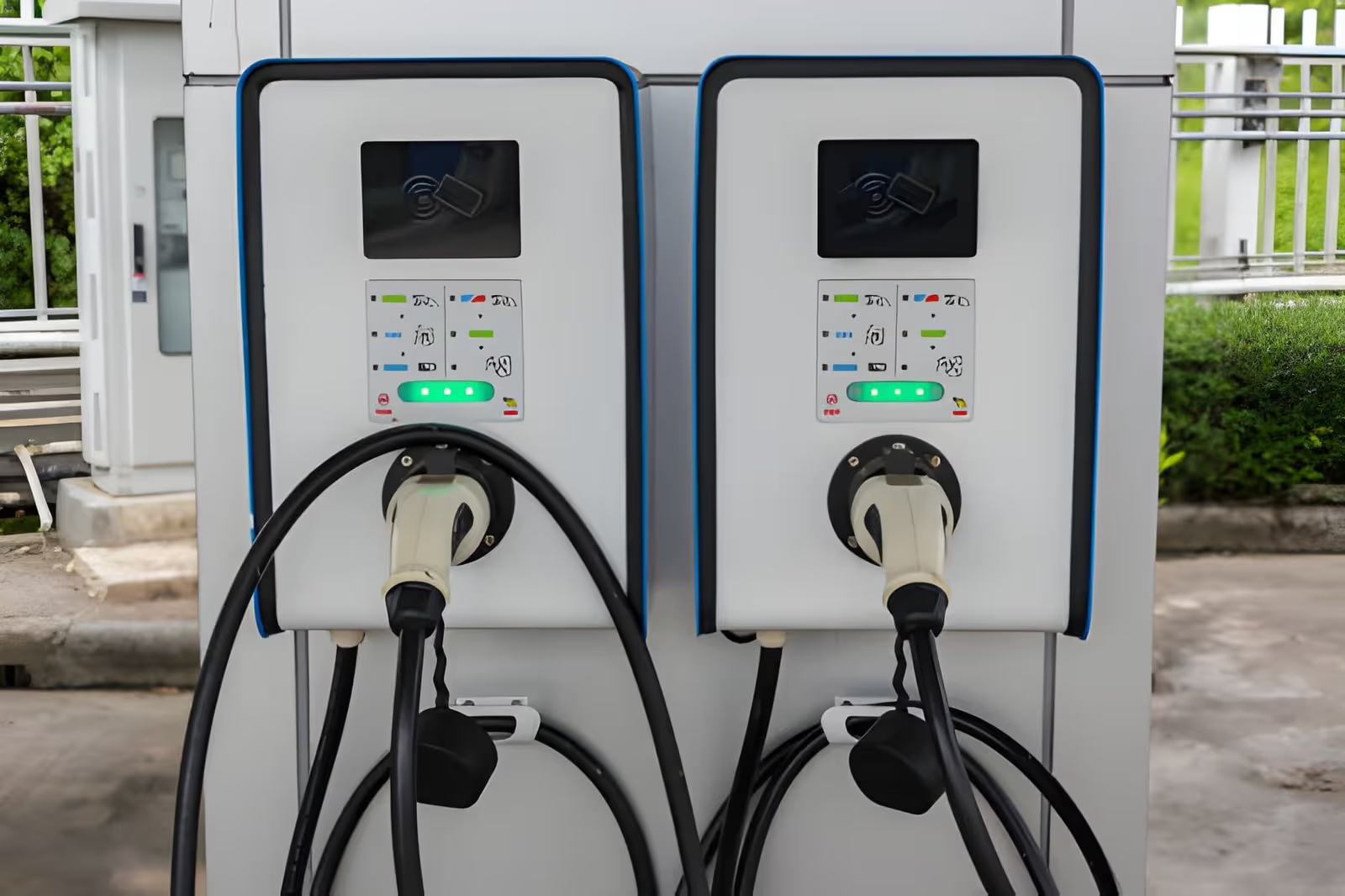
EV Charger Installation in Centreville, VA
Electric vehicle ownership is growing rapidly across Northern Virginia, and Centreville homeowners are increasingly recognizing the convenience and value of having a dedicated charging station right in their garage. Rather than relying on public charging networks or waiting for Level 1 charging through a standard outlet, installing a professional EV charger transforms your garage into a personal charging hub. Garage Design Source specializes in bringing garage spaces into the modern era, and EV charger installation is a natural extension of our commitment to creating functional, organized, and future-ready garages for homeowners throughout the Washington D.C. metro region.
Why Professional EV Charger Installation Matters
Installing an EV charger isn't simply a matter of plugging in a device. Your home's electrical system requires careful assessment to ensure it can safely handle the increased demand. Many older homes in Centreville and surrounding areas were built with electrical panels designed for a different era of power consumption. Adding a high-capacity charger without proper evaluation can create safety hazards, trip breakers, or even risk electrical fires.
Professional installation ensures your charger is integrated into your home's electrical infrastructure safely and efficiently. This means evaluating your current panel capacity, determining if an upgrade is necessary, selecting the right charger for your vehicle and usage patterns, and ensuring all work meets Virginia electrical code and local permitting requirements. The difference between DIY-adjacent installation and professional work is substantial, particularly when you consider the long-term safety and functionality of both your charger and your home's electrical system.
Garage Design Source brings decades of experience transforming garage spaces into organized, premium environments. Our team understands the technical requirements of EV charger installation and approaches each project with the same attention to detail and quality that defines all our garage solutions.
Understanding Your EV Charging Options
Before installation can begin, homeowners need to understand the different levels of EV charging available and which option makes the most sense for their specific situation.
Level 1 Charging
Level 1 charging uses a standard 120-volt household outlet. While this is the most basic and least expensive option, it's also the slowest, typically adding 2-5 miles of range per hour of charging. For homeowners who drive only short distances daily, Level 1 might suffice, but most EV owners find it impractical for regular use. However, Level 1 infrastructure already exists in virtually every garage, so there's no installation required.
Level 2 Charging
Level 2 chargers operate on 240-volt circuits and represent the sweet spot for most residential installations. These chargers add 25-30 miles of range per hour, allowing most EV owners to fully charge overnight. Level 2 chargers come in different amperages, typically ranging from 16 to 80 amps, with higher amperages providing faster charging speeds. Installation requires either upgrading existing 240-volt circuits (like those used for dryers or electric ranges) or running new dedicated circuits from your electrical panel.
Level 2 is the most common choice for Centreville homeowners because it offers a balance of charging speed, installation cost, and practicality. Most vehicles charge fully in 8-10 hours, meaning overnight charging keeps your EV ready for the day ahead.
Smart and Connected Chargers
Beyond basic Level 2 functionality, smart chargers offer connectivity features that enhance convenience and efficiency. These chargers can be controlled via smartphone apps, allowing you to start or stop charging remotely, schedule charging during off-peak hours to reduce electricity costs, and monitor usage in real time. Some smart chargers integrate with home energy management systems, optimizing when your EV charges based on solar production or grid demand. While smart chargers cost more upfront, the long-term savings on electricity and the convenience of remote control appeal to many homeowners.
Assessing Your Home's Electrical Capacity
The foundation of any successful EV charger installation is understanding what your home's electrical system can handle. This assessment determines whether your existing panel can support a dedicated charger circuit or if an upgrade is necessary.
During the initial evaluation, Garage Design Source technicians review your home's main electrical panel to determine its total amperage capacity. Most homes built in the 1990s and later have 200-amp panels, which is typically sufficient for EV charger installation. Older homes, particularly those built in the 1970s and 1980s, may have 100-amp or 150-amp panels, which could require upgrading to safely add a high-capacity charger.
We also assess your current major loads, including HVAC systems, water heaters, and other significant appliances. This load calculation ensures that adding an EV charger won't create situations where multiple high-demand devices are running simultaneously and overloading your panel. In Centreville's climate, your HVAC system may demand significant power during summer cooling season, and we factor this into our recommendations.
When Panel Upgrades Are Necessary
If your evaluation reveals that your panel lacks sufficient capacity, we'll recommend upgrading to a higher-amperage panel. While this adds to the project cost and timeline, it's a one-time investment that provides flexibility for future electrical needs and ensures your home can safely support your EV charging routine. Panel upgrades are common in established Centreville neighborhoods, and the process, while requiring additional permitting, is straightforward when handled by licensed professionals.
Site Planning and Installation Location
Where you install your charger significantly impacts both functionality and safety. Most Centreville homeowners choose either wall-mounted or pedestal-mounted installations, and each approach has advantages.
Wall-Mounted Installations
Wall-mounted chargers are the most common choice for residential garages. They're installed directly onto the garage wall at a height that allows convenient access to your vehicle's charging port. Wall mounting saves floor space, creates a clean aesthetic, and keeps the charger out of the way of other garage activities. The charger is typically mounted 3-4 feet above the floor, positioning the connector at roughly the height of a vehicle's charging port.
Wall mounting requires running conduit (protective tubing for electrical wiring) from your electrical panel to the charger location. This routing must account for code requirements, aesthetic preferences, and future accessibility if service is needed. Our team plans conduit runs to be as unobtrusive as possible while maintaining proper clearances and code compliance.
Pedestal-Mounted Installations
Pedestal chargers stand freestanding on the garage floor and are anchored to concrete. They're popular with car enthusiasts and homeowners with larger garage spaces who want the charger positioned away from walls. Pedestal installations work well in garages with multiple vehicles or where wall space is limited. The charger can be positioned to serve vehicles in different parking locations, offering flexibility that wall mounting doesn't provide.
Pedestal installations also require underground or surface-run conduit from the panel to the pedestal location. If the charger is positioned away from the panel, we may run conduit along the floor or use floor-rated wire management systems to keep the installation safe and organized.
Positioning for Multiple Vehicles
If your garage accommodates multiple EVs, we help determine the optimal charger location or whether multiple chargers are needed. Some Centreville homeowners choose to install two Level 2 chargers, each serving a dedicated parking space. Others opt for a single charger positioned to serve the primary EV, with Level 1 as a backup option for a second vehicle.
Permitting and Code Compliance
Virginia's electrical code and Centreville's local permitting requirements are non-negotiable aspects of proper EV charger installation. Working with a licensed contractor ensures all work meets code and receives proper inspection.
Permitting typically covers the electrical work involved in running new circuits, upgrading panels if necessary, and installing the charger. The permit process involves submitting plans to Fairfax County, paying associated fees, and scheduling inspections at key stages of the work. Once completed, the work receives a final electrical inspection and certificate of compliance, ensuring your installation is legitimate and safe.
Many utility companies also require notification before high-capacity chargers are installed. Dominion Energy, which serves Centreville, may want to assess the impact on your specific connection. These requirements are handled as part of our permitting coordination.
Code compliance ensures the charger operates safely, meets manufacturer specifications, and protects both your vehicle and your home. Common code requirements include:
- Proper grounding of all electrical components
- Correct wire gauge for the amperage being run
- GFCI protection on the charger circuit
- Adequate clearances around the charger for maintenance access
- Conduit and wiring protection from physical damage
- Proper labeling and disconnect switches
Garage Design Source manages the entire permitting process, coordinating with local authorities and ensuring every aspect of your installation meets or exceeds code requirements.
The EV Charger Installation Process
Understanding what to expect during installation helps homeowners prepare and appreciate the thoroughness of professional work.
Initial Site Assessment and Planning
Before any work begins, our team conducts a detailed site assessment. We photograph the garage layout, measure distances from the panel to proposed charger locations, identify obstacles like studs or plumbing, and note any special considerations for your specific garage. We also verify the route conduit will take and confirm that running wiring won't interfere with future garage organization plans, storage systems, or other improvements.
Electrical Panel Work
Once planning is complete and permits are obtained, we begin work at the electrical panel. A new dedicated circuit breaker is installed in your panel, sized appropriately for the charger's amperage requirements. This breaker becomes the master switch for your charging system. We run appropriately sized electrical wire from this breaker through conduit to the charger location. If a panel upgrade is necessary, this work is completed first, with the upgraded panel receiving proper inspection before proceeding.
Conduit Installation and Wire Pulling
Conduit is installed along the chosen route from the panel to the charger location. For wall-mounted chargers, conduit typically runs along interior garage walls, following code-required paths and clearances. For pedestal chargers, conduit may run along the floor or underground if the charger is positioned far from the panel. Once conduit is in place, electrical wire is pulled through to reach the charger installation point.
Charger Installation and Connection
With wiring in place, the charger is mounted at its designated location, whether on a wall or pedestal. The electrical connections are made according to manufacturer specifications, with all connections properly secured and protected. For pedestal installations, we ensure the pedestal is level and solidly anchored to concrete. For wall installations, we verify studs are adequate to support the charger weight and secure it with appropriate hardware.
System Testing and Activation
Before you use the charger, our team conducts comprehensive testing. We verify voltage and amperage at the charger, test the ground fault interrupter (GFCI) protection to ensure it functions correctly, and confirm that the charger communicates properly with any smart home features. We also test the charger's response to a plugged-in vehicle, confirming it initiates and manages charging correctly.
Final Inspection and Homeowner Orientation
Once testing is complete, we schedule the final electrical inspection with the local inspector. Once approved, we walk you through charger operation, explaining how to access smart features if your charger includes them, how to troubleshoot common issues, and what routine maintenance, if any, is needed. We provide documentation including the electrical permit, certificate of compliance, and charger manufacturer information.
Timeline Expectations
EV charger installation timelines vary based on the scope of work required.
Simple Installations Without Panel Upgrades
If your panel has adequate capacity and a suitable circuit can be repurposed or run nearby, installation typically takes 1-2 days. This includes site preparation, wire installation, charger mounting, and testing. Permitting and inspection scheduling may add 1-2 weeks to the overall timeline, depending on local processing times.
Installations With New Circuits
If new conduit routing and wiring are required but no panel upgrade is necessary, expect 2-3 days of installation work. Permitting and inspection still add 1-2 weeks.
Installations With Panel Upgrades
When your electrical panel requires upgrading to accommodate the charger, the project timeline extends. The panel upgrade itself typically takes 1 day, followed by charger circuit installation and charger mounting over the next 1-2 days. Permitting and inspections for panel upgrades may add 2-3 weeks, as inspectors need to review the upgrade itself plus the charger circuit work.
Garage Design Source coordinates all permitting and scheduling to move projects forward efficiently. We communicate timelines clearly upfront and keep you informed of any changes.
Understanding Rebates and Incentive Programs
Federal, state, and utility incentives can significantly offset the cost of EV charger installation. While pricing details are discussed during consultations, understanding available programs helps homeowners plan their investment.
Federal Tax Credits
The federal government offers tax credits for EV charger installation through programs like the Clean Energy Investment Tax Credit. These credits cover a portion of both the charger equipment and installation costs, though eligibility and credit amounts have specific requirements. Our team can provide guidance on federal programs and help you understand which incentives apply to your situation.
Virginia State Incentives
Virginia offers various incentive programs supporting EV adoption and charging infrastructure. These programs change periodically as policies evolve, but generally support residential charger installation. Our team stays current on state-level incentives and can discuss what's available when you consult with us.
Utility Rebates
Dominion Energy and other Virginia utilities periodically offer rebates for EV charger installation. These rebates aim to support grid modernization and sustainable transportation. Some utility programs include special rates for EV charging during off-peak hours, which can reduce your electricity costs over time. We help identify utility programs that apply to your installation and assist with application processes.
Safety and Warranty Considerations
Professional EV charger installation provides peace of mind through proper safety protocols and warranty coverage.
Electrical Safety
All work is performed by licensed electricians following Virginia code and industry best practices. GFCI protection on charger circuits prevents electrical shock hazards. Proper grounding and bonding ensure any electrical faults are safely directed to ground rather than creating shock risk. Your charger operates under a dedicated circuit breaker that prevents circuit overload and fires. These safety measures are built into every professional installation.
Fire Prevention
EV chargers, when properly installed, are extremely safe. However, faulty installations, incorrect wire sizing, or overloaded circuits create fire hazards. Professional installation eliminates these risks by ensuring every component is correctly sized, properly connected, and adequately protected. The dedicated circuit breaker protects against overload, and GFCI protection responds instantly to ground faults that could otherwise create fire risk.
Charger Warranties
EV chargers come with manufacturer warranties covering defects and malfunctions. Typical warranties cover 3-7 years depending on the charger model. Professional installation ensures your charger operates as intended, and any failures during the warranty period are covered by the manufacturer. Installation warranties from Garage Design Source cover the workmanship and quality of our electrical work.
Installation Warranty
Our team stands behind all installation work. If issues arise within the warranty period related to how we installed your charger or ran electrical circuits, we address them promptly. This commitment to quality workmanship reflects our approach to all garage solutions we provide.
Post-Installation Testing and Optimization
After your charger is installed and operating, a few follow-up considerations help ensure optimal performance.
Charging Performance Verification
During the first charging session, confirm that your charger initiates properly when you plug in your vehicle and that charging completes as expected. Smart chargers display charging speed and estimated completion time, which should align with your charger's rated specifications. If you notice charging is slower than expected, contact us for diagnostics.
Smart Feature Configuration
If you chose a smart charger, take time to configure app connectivity and any advanced features. Many smart chargers allow you to set charging schedules, which is particularly useful if your utility offers time-based rates. Configuring these features optimizes your charging experience and can reduce electricity costs.
Maintenance Routine
EV chargers require minimal maintenance. Periodically verify the charging connection is clean and free of debris. In Centreville's varied weather, check that any outdoor connections or exposed wiring remain protected and undamaged, particularly after severe weather. Most chargers have self-diagnostic features that alert you to any issues.
Homeowner Orientation and Support
Garage Design Source provides thorough orientation on your new charging system. We explain how to operate your charger, how to access smart features, what routine care, if any, is needed, and how to troubleshoot common situations. We provide written documentation and are available to answer questions after installation is complete.
Why Choose Garage Design Source for EV Charger Installation
Garage Design Source has transformed thousands of garage spaces across the Washington D.C. metro region over nearly two decades. We apply the same commitment to quality, attention to detail, and customer satisfaction to EV charger installation as we do to garage flooring, storage systems, and doors. Our team understands that your garage is increasingly important to your lifestyle, and integrating EV charging infrastructure represents the modern garage evolution.
We're locally owned and operated in Northern Virginia, meaning we understand Centreville's specific electrical infrastructure, local permitting requirements, and community needs. We coordinate all permitting and inspections locally, and we're available to support your installation throughout the process. When your EV charger is installed by Garage Design Source, it's installed by professionals who take pride in creating functional, reliable garage spaces that support your modern lifestyle for years to come.