.svg)
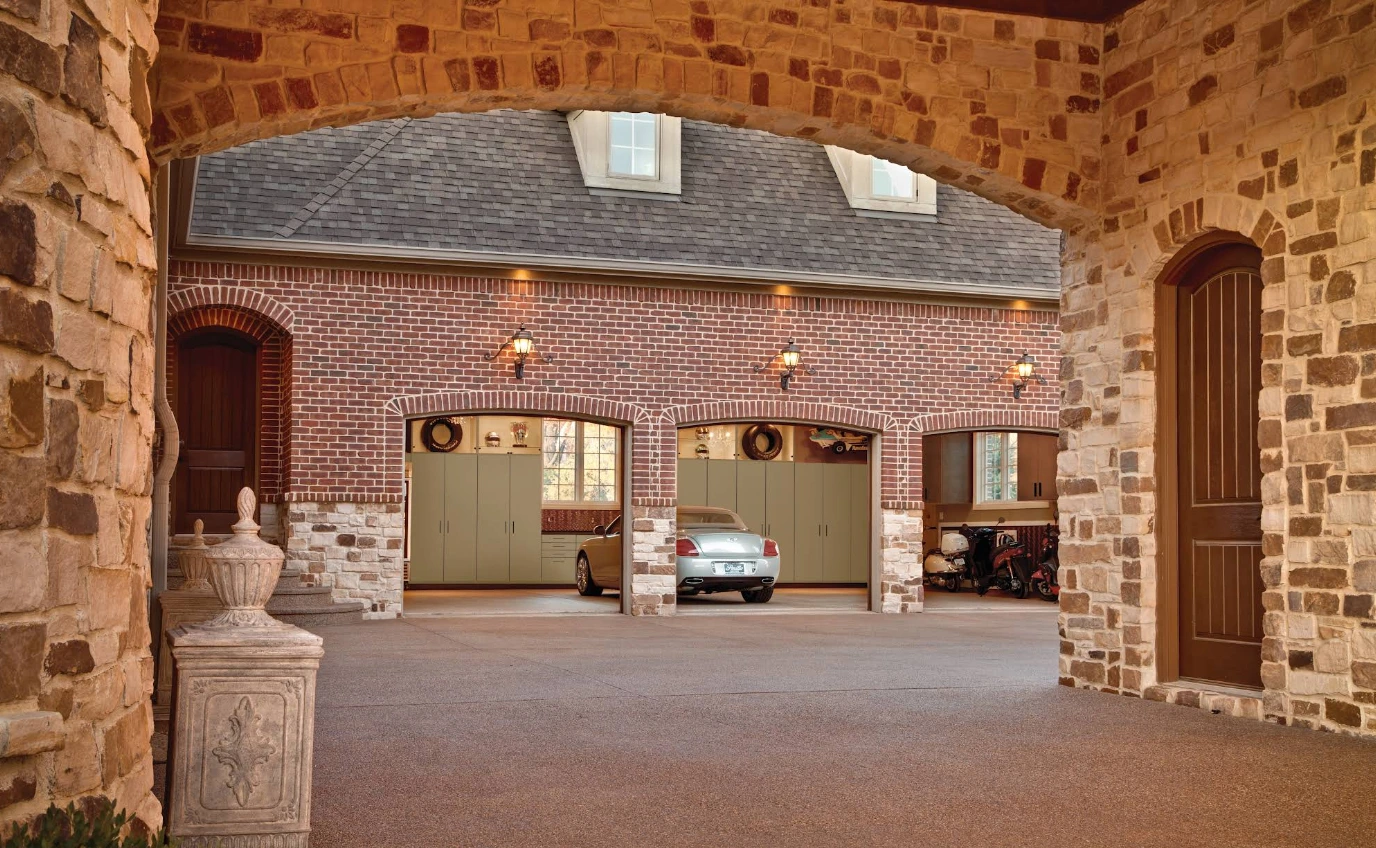
Electric vehicles are becoming increasingly common in Northern Virginia, and homeowners in Middleburg are recognizing the convenience and cost savings of charging at home. However, installing an EV charger isn't as simple as plugging in an appliance - it requires careful assessment of your home's electrical infrastructure, proper permitting, and professional installation to ensure safety and optimal performance. Garage Design Source specializes in complete EV charger installation services that handle every aspect of the process, from initial electrical evaluation to final system testing and homeowner training.
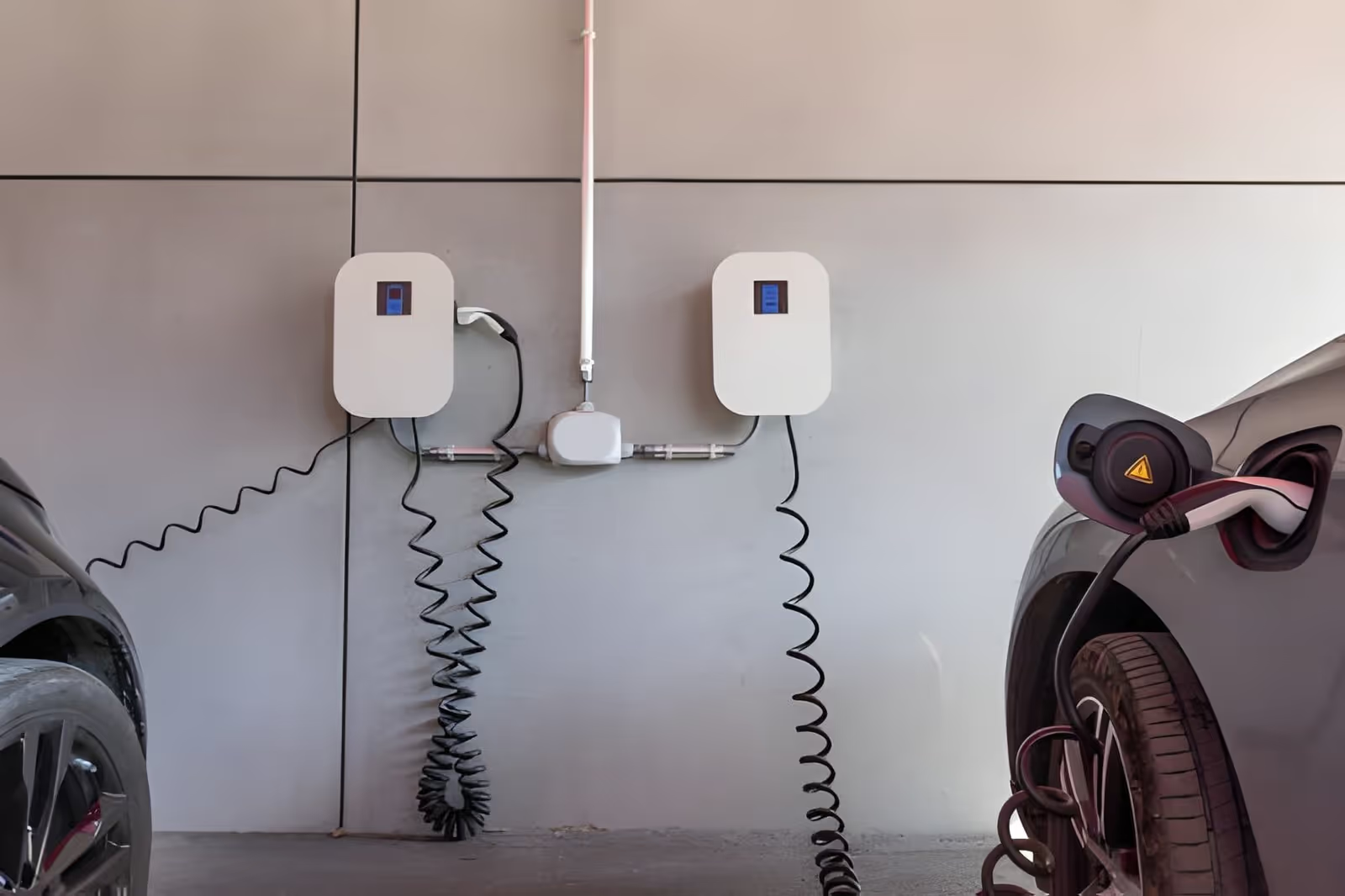
EV Charger Installation in Middleburg, VA
Electric vehicles are becoming increasingly common in Northern Virginia, and homeowners in Middleburg are recognizing the convenience and cost savings of charging at home. However, installing an EV charger isn't as simple as plugging in an appliance - it requires careful assessment of your home's electrical infrastructure, proper permitting, and professional installation to ensure safety and optimal performance. Garage Design Source specializes in complete EV charger installation services that handle every aspect of the process, from initial electrical evaluation to final system testing and homeowner training.
Whether you're a new EV owner or upgrading your charging setup, understanding the installation process helps you make informed decisions about your home's charging infrastructure. This comprehensive guide covers everything you need to know about EV charger installation in Middleburg, including electrical requirements, charger types, installation procedures, and the benefits of professional installation.
Why Professional EV Charger Installation Matters
Many homeowners consider DIY electrical work or hiring inexperienced installers to save money, but EV charger installation demands expertise and adherence to strict electrical codes. An improperly installed charger can pose serious safety risks, including electrical fires, equipment damage, and personal injury. Professional installation ensures that your system meets all National Electrical Code (NEC) standards and local Middleburg permit requirements.
Garage Design Source brings years of experience in home electrical projects and garage systems to EV charger installation. Our team understands the unique challenges of Middleburg homes, from older electrical panels to modern high-demand systems. We handle the complete installation journey so you can charge with confidence and protect your investment in your electric vehicle.
Assessing Your Home's Electrical Capacity
Before selecting and installing an EV charger, your home's electrical system must be evaluated to determine if it can support the additional power demand. Most EV chargers require either 120-volt service (which uses existing household outlets) or 240-volt service (which provides faster charging speeds and requires dedicated circuitry).
A professional electrical assessment identifies several key factors:
- Current panel capacity - Whether your electrical panel has sufficient amperage to support a dedicated charger circuit without overloading the system
- Available breaker space - Whether there's room to add a new dedicated breaker or if existing breakers need reconfiguration
- Wire gauge and routing - The appropriate wire size needed to safely carry the charger's electrical load from your panel to the installation location
- Grounding and bonding - Ensuring proper grounding for safety and code compliance
- Distance from panel to charger location - Affecting wire sizing and installation complexity
Homes built before 2000 in the Middleburg area often have 100-amp or 150-amp electrical service, which may require upgrading to 200-amps to safely accommodate an EV charger alongside existing household loads. Modern homes typically have 200-amp service, which usually provides adequate capacity without panel upgrades.
During our assessment, Garage Design Source technicians evaluate your specific situation and recommend the most practical solution. If your panel requires upgrading, we can coordinate with licensed electricians and help you understand the costs and timeline involved.
Understanding Panel Upgrade Needs
A panel upgrade becomes necessary when your current electrical service cannot safely supply power to both your household loads and an EV charger. This is particularly common in Middleburg homes with older electrical infrastructure or families with high energy consumption from heating and cooling systems, water heaters, and multiple appliances.
Panel upgrades involve several steps:
- Utility coordination - Contacting your local power company to schedule a service upgrade and ensure the supply line can handle increased capacity
- Permits and inspections - Obtaining necessary permits from Middleburg or Loudoun County and scheduling inspections before and after the upgrade
- Hardware replacement - Installing a new, larger main breaker panel and related components
- Connection verification - Testing the upgraded system to ensure proper function and safety
While a panel upgrade represents additional expense, it provides long-term benefits. Many homeowners discover they gain capacity for future electrical needs, energy-intensive appliances, or additional vehicle charging if they expand their EV fleet. Garage Design Source can advise on whether a panel upgrade makes sense for your situation and help you plan accordingly.
Comparing Level 2 and Smart Charger Options
EV chargers come in different levels, each offering distinct charging speeds and features. Understanding these options helps you choose the right charger for your driving habits and lifestyle.
Level 1 Chargers use standard 120-volt household outlets and charge slowly - typically adding 2-5 miles of range per hour. Most new EV owners quickly recognize that Level 1 charging alone is impractical for regular use, especially in the Northern Virginia climate where winter range decreases and charging demand increases.
Level 2 Chargers operate on 240-volt circuits and deliver significantly faster charging - typically 25-30 miles of range per hour depending on the charger's kilowatt output. A Level 2 charger can fully charge most electric vehicles overnight or during an 8-hour period, making it ideal for homeowners who charge at home regularly. Level 2 chargers come in fixed and portable models, with fixed wall-mounted units offering the most convenient and aesthetically pleasing solution for garage installations.
Smart Chargers represent the latest advancement in home charging technology. These networked devices offer features including:
- Mobile app control - Starting, stopping, or scheduling charging sessions from your smartphone
- Charging history tracking - Monitoring energy consumption and charging patterns over time
- Load management - Automatically adjusting charging speed based on other household electrical demands
- Utility integration - Participating in time-of-use programs to charge during off-peak hours when electricity costs less
- Vehicle communication - Direct connectivity with your EV for optimized charging protocols
Smart chargers are particularly valuable in Middleburg, where access to Dominion Energy's time-of-use rates can reduce charging costs significantly if you charge during off-peak hours. The ability to schedule charging for late evening or early morning hours, when rates are lowest, can save hundreds of dollars annually while reducing strain on the electrical grid.
Garage Design Source installs both standard Level 2 chargers and advanced smart charging systems. Our team explains the advantages of each option and helps you select the charger that best matches your budget, vehicle, and lifestyle.
Site Planning for Wall-Mounted and Pedestal Installations
The location of your EV charger installation impacts convenience, safety, and long-term satisfaction. Garage Design Source evaluates your garage layout to recommend optimal charger placement.
Wall-Mounted Installations are the most popular option for Middleburg homes. Mounting the charger on your garage wall at a convenient height provides easy access, keeps the charger protected from vehicles, and creates a clean, organized appearance. Wall mounting works well in single-car and two-car garages, with the charger typically positioned near the parking space where your vehicle will charge.
Considerations for wall-mounted placement include:
- Electrical panel proximity - Shorter wire runs reduce material costs and installation complexity
- Weather protection - Positioning under the garage soffit or where roof overhang provides additional weather shielding
- Cable length - Ensuring the charger cable reaches your vehicle's charging port comfortably without creating trip hazards
- Future flexibility - Placing the charger where it won't interfere with storage, cabinets, or future garage improvements
- Visibility and accessibility - Mounting at a height that's easy to see and use, typically 4-5 feet from the garage floor
Pedestal Installations work well in garages with limited wall space or when charging multiple vehicles. A pedestal-mounted charger stands independently in your garage, typically positioned between parking spaces or in a dedicated charging zone. Pedestal installations are also ideal when you want to install a charger without drilling into finished walls or when wall space is already committed to storage systems.
Before finalizing site location, Garage Design Source conducts a thorough garage assessment considering your vehicle size, typical parking orientation, and long-term garage use plans. This ensures the charger placement enhances rather than complicates your garage functionality.
Permitting and Code Compliance
EV charger installation in Middleburg requires obtaining proper permits from Loudoun County and ensuring compliance with the National Electrical Code (NEC) and local building standards. Skipping the permit process creates liability, voids your charger warranty, and can create problems if you ever sell your home.
The permitting process typically involves:
- Permit application - Submitting electrical plans and charger specifications to Loudoun County
- Plan review - County review of your installation plans for code compliance
- Permit issuance - County approval allowing installation to proceed
- Pre-installation inspection - Optional inspection before installation begins in some cases
- Final inspection - County inspector verifying the completed installation meets all code requirements
Code compliance ensures several important protections:
- Safety standards - Proper grounding, bonding, and circuit protection prevent electrical hazards
- Equipment certification - Using UL-listed chargers and approved installation methods
- Future-proofing - Installations that meet current code requirements remain compliant as standards evolve
- Insurance coverage - Permitted installations are properly covered under homeowner policies
- Resale value - Documented, permitted electrical work adds value when selling your home
Garage Design Source handles all permit applications and coordinates with Loudoun County inspectors. We understand local requirements and work with county officials regularly, ensuring smooth approval and inspection processes. Our experience means fewer delays and a higher likelihood of first-time inspection approval.
The Step-by-Step Installation Process
Understanding the installation process helps you prepare for the work and know what to expect throughout the project.
1. Pre-Installation CoordinationOur team confirms the charger model, electrical requirements, installation location, and any utility coordination needed. We verify permits are approved and schedule the installation at your convenience.
2. Electrical Panel Assessment and PreparationIf a dedicated circuit is available, our electrician verifies the existing circuit capacity and compatibility. If a new circuit is needed, the electrician installs a new breaker in your panel (or coordinates panel upgrades if necessary) and runs the appropriate gauge wire from the panel to your installation location.
3. Wire Routing and InstallationWiring is run from your electrical panel to the charger location through conduit, which protects the wires and ensures code compliance. In most garages, wiring runs through existing cavities or along the top of walls before descending to the charger mounting location. This routing minimizes visual disruption while maintaining clean, organized appearance.
4. Charger Mounting and ConnectionOnce wiring reaches the installation location, the charger mounting bracket is secured to the wall or pedestal is positioned. The charger is connected to the incoming electrical supply, with all connections made using approved methods and verified for proper polarity and grounding.
5. Testing and VerificationBefore the charger is activated, comprehensive testing ensures all electrical connections are safe and the charger functions correctly. This includes voltage verification, grounding continuity testing, and operational testing with a vehicle when possible.
6. Final InspectionOur team notifies Loudoun County for final inspection. A county inspector verifies the installation meets all code requirements and safety standards. Once approved, the installation is officially permitted and registered.
Estimated Timelines and Project Duration
Most Level 2 charger installations in Middleburg homes without panel upgrades take one to two business days to complete, including permitting and final inspection scheduling.
The timeline breaks down as follows:
- Permitting phase - 3-7 business days from application to approval
- Installation day - 4-8 hours for a standard wall-mounted Level 2 charger installation with an existing suitable circuit
- Inspection scheduling and completion - 3-10 business days depending on county inspection availability
If your home requires an electrical panel upgrade, the timeline extends significantly:
- Panel upgrade assessment and permitting - 7-14 days
- Utility coordination - 1-3 weeks, depending on your power company's schedule
- Panel upgrade installation - 1-2 days
- EV charger installation - 1 day following panel upgrade completion
- Final inspection - 3-10 days
Garage Design Source provides a detailed timeline estimate during your initial consultation so you can plan accordingly. We coordinate all phases efficiently to minimize disruption to your home while ensuring every step meets code requirements.
Rebates and Incentives for EV Charger Installation
Several financial incentives can offset EV charger installation costs, making home charging more affordable.
Federal Tax CreditThe federal government offers a 30% tax credit for home EV charger installation, with a maximum credit of $1,000. This credit applies to both the charger equipment and professional installation costs. The credit is available for single-family homes and includes rental properties if the charger is shared with tenants.
Virginia State IncentivesVirginia offers various incentive programs through the Virginia Clean Energy Program and partnerships with utilities. These programs change periodically, so Garage Design Source can advise on current availability and eligibility requirements.
Dominion Energy RebatesDominion Energy, which serves Middleburg, occasionally offers rebates for residential EV charger installations. These rebates reduce out-of-pocket costs for eligible customers and typically require that installation is completed by a certified contractor.
Time-of-Use Rate ProgramsWhile not a direct rebate, Dominion Energy's time-of-use rates allow customers to charge during off-peak hours at significantly reduced rates. Using smart charger functionality to charge overnight can reduce energy costs substantially over the charger's lifetime.
During your consultation, Garage Design Source can review current incentive programs, verify your eligibility, and help you understand how these rebates apply to your specific installation. We're familiar with documentation requirements and can ensure your installation qualifies for available financial benefits.
Safety and Warranty Information
Professional EV charger installation prioritizes safety through proper installation methods, code compliance, and appropriate equipment selection.
Electrical SafetyEV chargers use significant electrical current, making proper installation essential for preventing electrical fires and shock hazards. Professional installation ensures correct grounding, proper bonding, appropriate wire sizing, and dedicated circuit protection that prevents overloads.
Equipment SafetyAll chargers installed by Garage Design Source are UL-listed and certified for safe residential use. These chargers include built-in safety features such as ground fault protection, temperature monitoring, and automatic shut-off in fault conditions.
Installation SafetyOur technicians follow all safety protocols during installation, including proper power isolation procedures, arc flash protection, and lockout-tagout procedures that prevent accidental energization of circuits during installation.
Warranty CoverageMost EV chargers include 2-5 year manufacturer warranties covering equipment defects. Garage Design Source provides warranty documentation and can advise on extended warranty options if desired. Additionally, our professional installation ensures that warranty requirements are met, preventing coverage issues due to improper installation.
Post-Installation Testing and Verification
After installation is complete and final inspection approved, Garage Design Source conducts comprehensive post-installation testing to ensure your charger operates perfectly.
Operational TestingWe verify the charger communicates correctly with your vehicle and charges properly. Testing includes confirming appropriate charging rates, proper plug connection and disconnection, and smart charger app functionality if you've selected a networked model.
Safety VerificationPost-installation testing confirms all safety systems function correctly, including ground fault protection and temperature monitoring. We verify that the charger automatically stops charging if any safety concern is detected.
Performance BaselineFor smart chargers, we establish baseline performance data so you can monitor charging efficiency over time. We document your initial electricity costs per charging session so you can compare against future sessions and measure the impact of time-of-use rate optimization.
Homeowner Orientation and Training
Installing an EV charger is just the beginning - understanding how to use it properly ensures years of reliable charging and helps you maximize efficiency and cost savings.
Garage Design Source provides comprehensive homeowner orientation including:
- Basic operation - Connecting your vehicle to the charger, understanding charging status indicators, and recognizing any fault conditions
- Smart charger features - Downloading the charger app, setting up notifications, scheduling charging sessions, and understanding time-of-use rate integration
- Maintenance and care - Cleaning the charging connector, storing the cable properly, and recognizing any signs of charger problems
- Troubleshooting - Understanding common issues and how to resolve them, plus when to contact technical support
- Energy optimization - Strategies for using time-of-use rates, load management features, and smart scheduling to minimize charging costs
Our team takes time to answer your questions and ensure you feel confident using your new charging system. We provide documentation including the charger manual, warranty information, app setup instructions, and our contact information for any future questions.
EV Charging in the Middleburg Community
Middleburg and the surrounding Northern Virginia region are increasingly embracing electric vehicles. The area's proximity to Washington D.C. and the tech community in Northern Virginia means EV adoption rates are higher than many parts of the country. Installing a home charger positions you to take full advantage of EV ownership benefits while contributing to the region's sustainability goals.
Many Middleburg residents are discovering that home charging eliminates much of the concern about public charging infrastructure. With a dedicated home charger, your vehicle is fully charged each morning, providing ample range for daily commuting and local trips. For longer journeys, public charging networks like Electrify America and Tesla's Supercharger network continue expanding throughout Virginia, making long-distance EV travel increasingly practical.
Why Choose Garage Design Source for Your EV Charger Installation
Garage Design Source brings specialized expertise in garage systems and home improvements to EV charger installation. Unlike general electricians who handle chargers as one of many tasks, we focus specifically on garage-based projects that transform your home's most functional space.
Our approach to EV charger installation reflects our broader philosophy about garage excellence:
- Thorough assessment - We evaluate your entire garage situation, not just the charger location, to ensure your installation integrates seamlessly with your garage's overall design and functionality
- Quality execution - Our team brings the same attention to detail and commitment to professional standards that define our work in garage flooring, storage, and doors
- Local expertise - Based in Sterling and serving the Middleburg area for years, we understand Northern Virginia homes and local electrical requirements
- Permitting coordination - We handle all permit applications and county coordination so you don't have to navigate complex local requirements
- Comprehensive service - From initial electrical assessment through final homeowner training, we manage every aspect of your installation
When you work with Garage Design Source for EV charger installation, you're partnering with a locally owned and operated team that specializes in making your garage space work harder and smarter. We've spent nearly two decades helping Northern Virginia homeowners transform their garages into organized, attractive, and functional spaces - and EV charger installation is simply another way we enhance your home and lifestyle.
Your electric vehicle represents a significant investment in modern transportation technology. Installing it properly with professional expertise ensures you enjoy reliable, safe, and cost-effective home charging for years to come. Garage Design Source is ready to make EV charger installation straightforward and stress-free, so you can focus on enjoying the benefits of electric vehicle ownership.