.svg)
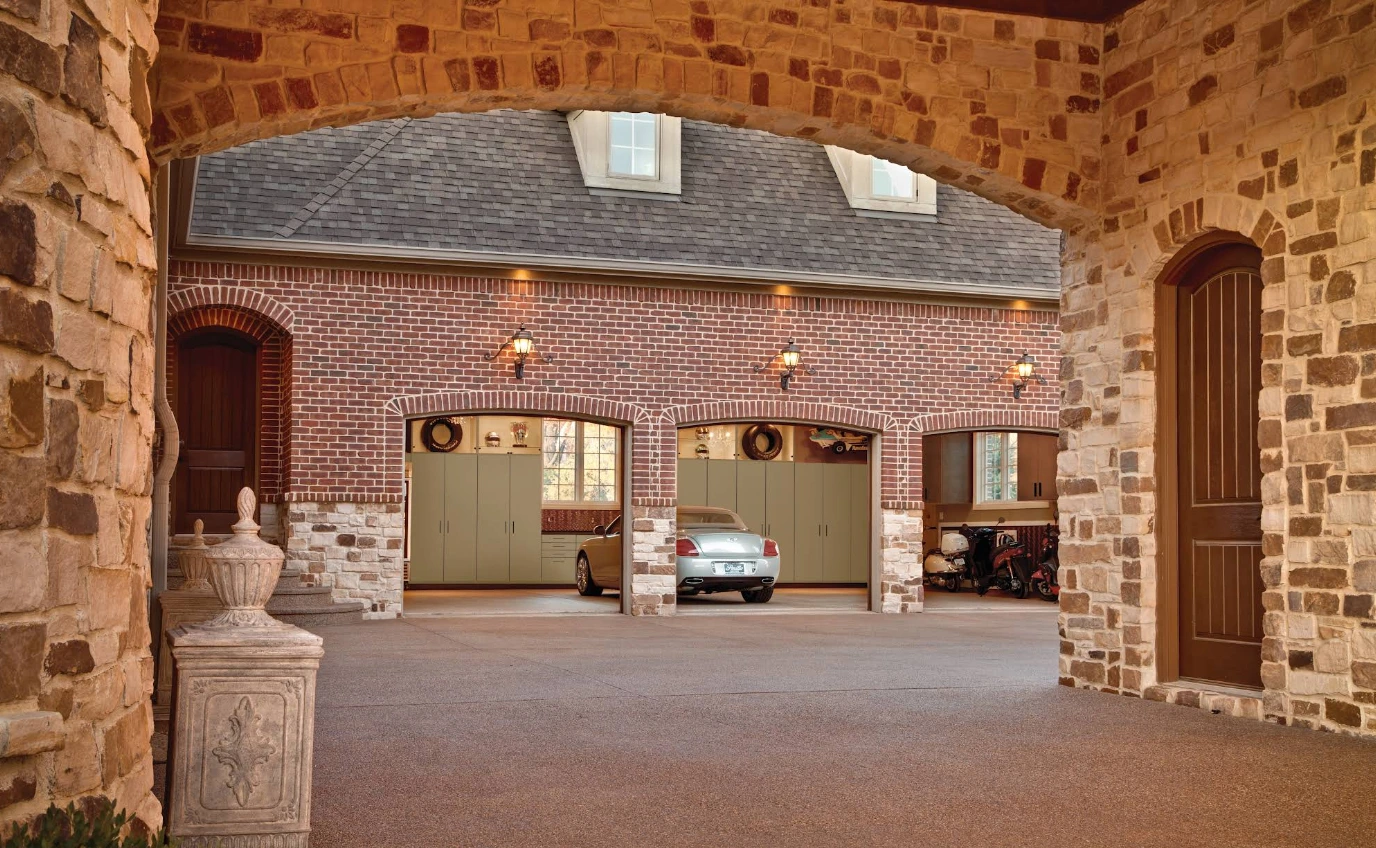
Electric vehicles are becoming increasingly common in Northern Virginia, and Purceville residents are recognizing the convenience and long-term savings that come with home charging. Whether you're considering your first EV or already own one, installing a dedicated charger in your garage transforms your daily routine - no more trips to public charging stations, and no more worrying about battery levels before your commute. Garage Design Source specializes in professional EV charger installation tailored to your home's electrical infrastructure and your specific driving needs. We handle everything from initial electrical assessment through final testing and homeowner training, ensuring your new charging system is safe, reliable, and perfectly integrated into your garage space.
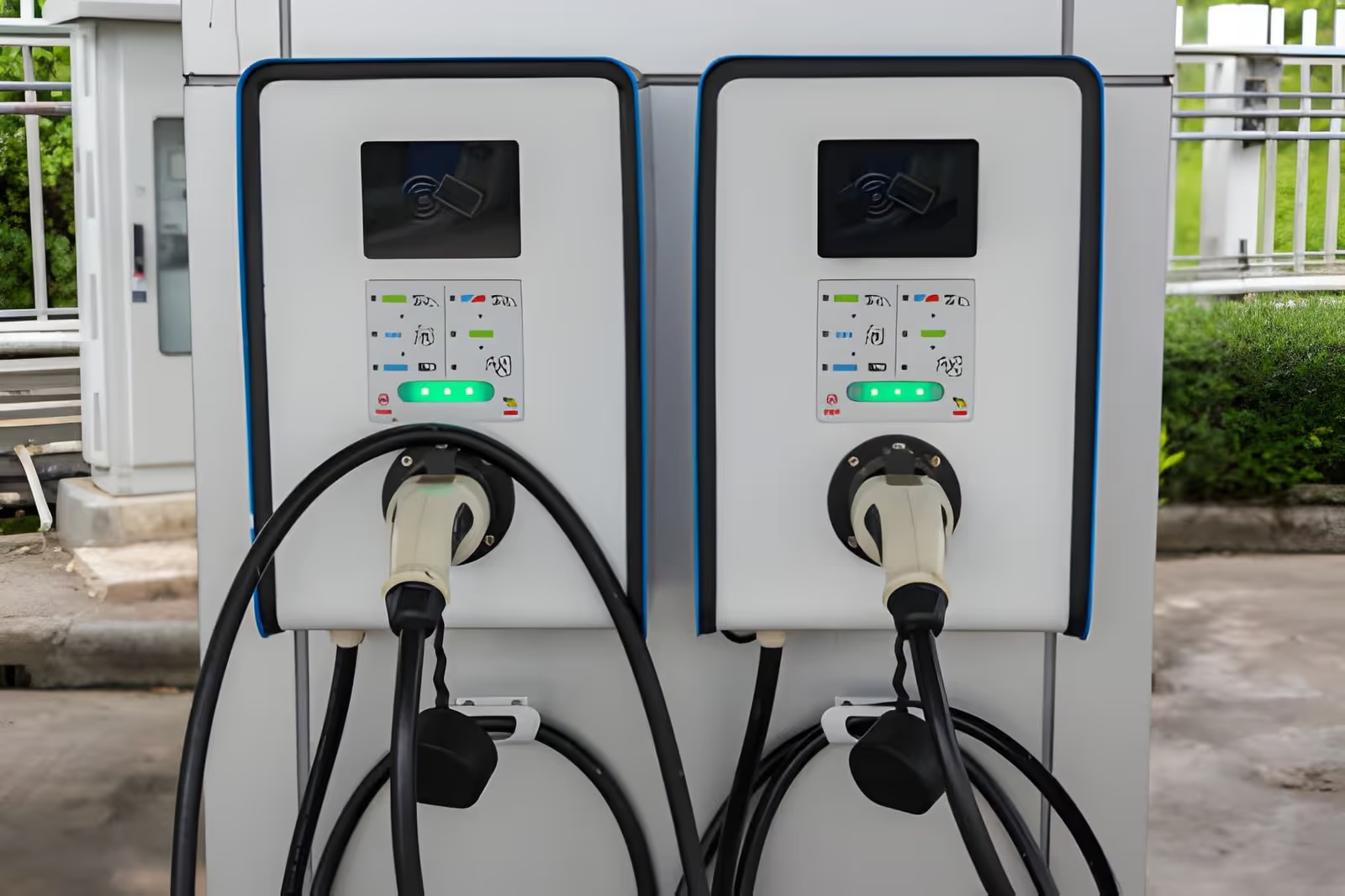
EV Charger Installation in Purceville, VA
Electric vehicles are becoming increasingly common in Northern Virginia, and Purceville residents are recognizing the convenience and long-term savings that come with home charging. Whether you're considering your first EV or already own one, installing a dedicated charger in your garage transforms your daily routine - no more trips to public charging stations, and no more worrying about battery levels before your commute. Garage Design Source specializes in professional EV charger installation tailored to your home's electrical infrastructure and your specific driving needs. We handle everything from initial electrical assessment through final testing and homeowner training, ensuring your new charging system is safe, reliable, and perfectly integrated into your garage space.
Why Home EV Charging Matters
Installing an EV charger at home isn't just a convenience - it's a practical decision that pays dividends over time. The average EV owner spends significantly less on "fuel" when charging at home compared to relying exclusively on public chargers. More importantly, you'll start each day with a fully charged vehicle, eliminating the anxiety of range anxiety and the time spent hunting for available charging stations.
Purceville residents benefit from the region's excellent electricity infrastructure, and many homes in the area can support Level 2 charging with minimal upgrades. A Level 2 charger adds 25-30 miles of range per hour of charging, meaning that overnight charging will fully replenish most EV batteries for your daily commute. For families with multiple vehicles or those who drive longer distances, a home charging solution becomes essential to your lifestyle.
Beyond personal convenience, installing an EV charger increases your home's appeal to future buyers. As EV adoption accelerates across Northern Virginia, homes equipped with charging infrastructure command stronger resale value. You're not just investing in current convenience - you're future-proofing your property.
Understanding Your Home's Electrical Capacity
Before any charger installation, we conduct a thorough assessment of your home's electrical system. This is the critical first step that determines which charging options are feasible and whether your electrical panel can support the new load.
Your home's electrical panel has a maximum amperage capacity - typically 100, 150, or 200 amps. Your main service line feeds this panel, which then distributes power to individual circuits throughout your home. For EV charging, we need to ensure that adding a dedicated 40-50 amp circuit for the charger won't overload your system or compromise the power supply to your other appliances and systems.
During our assessment, we evaluate:
- Your home's total electrical panel capacity and current usage patterns
- The existing circuits and available space in your panel
- The distance from your panel to your garage and the proposed charger location
- Local electrical codes and requirements specific to Purceville and Loudoun County
- Your home's age and whether the electrical infrastructure has been recently upgraded
Many homes built in the last 15-20 years in the Purceville area already have sufficient capacity for Level 2 charging without panel upgrades. Older homes or those with extensive electric heating systems may need a panel upgrade to safely accommodate the charger's power demands. We'll give you a clear picture of what your home can support before we proceed with any work.
Electrical Panel Upgrades: When and Why
If your home's electrical capacity is insufficient, an electrical panel upgrade becomes necessary. This is not a minor project, but it's a standard solution that many homeowners pursue when adding major loads to their electrical system - whether for EV chargers, pool pumps, or electric ranges.
A panel upgrade involves installing a new, higher-capacity main service panel. This is typically 150 or 200 amps, compared to your existing panel's capacity. The upgrade requires coordination with your utility company, local permitting, and a licensed electrician. Garage Design Source works with qualified electrical partners to ensure this work meets all Loudoun County code requirements and completes safely.
Panel upgrades add time and cost to your project - typically 1-2 weeks additional timeline and $1,500-$3,000 in expenses, depending on your home's current setup. However, it's a one-time investment that provides lasting capacity for your EV charger and any future electrical needs. Many homeowners view this as essential infrastructure modernization that benefits their home long-term.
Level 2 vs. Smart Chargers: Choosing What's Right for You
Once we've confirmed your electrical capacity, the next decision is which charger to install. Most residential EV owners choose between Level 2 chargers and smart-enabled Level 2 chargers. Understanding the differences helps you make the best choice for your lifestyle and budget.
Level 2 Chargers are the standard residential option. They operate on a 240-volt circuit - the same voltage as your home's electric dryer - and deliver 7-9.6 kW of charging power. This translates to adding 25-30 miles of range per hour. For daily commuting, this means plugging in overnight and waking up with a fully charged vehicle. Level 2 chargers are straightforward, reliable, and cost-effective.
Smart EV Chargers offer the same 240-volt power delivery as standard Level 2 chargers, but add connectivity and programmable features. Smart chargers allow you to monitor charging remotely via smartphone, schedule charging during off-peak electricity hours, and in some cases, integrate with your home's energy management system. These features appeal to homeowners interested in maximizing energy efficiency or reducing their electricity costs.
Both types are safe, professionally installed, and backed by manufacturer warranties. The choice between them depends on whether the additional features justify the extra investment for your needs. Many homeowners in Purceville appreciate smart chargers for their flexibility and data insights, while others prefer the simplicity and lower cost of standard Level 2 installation.
Site Planning: Wall-Mounted vs. Pedestal Installations
Your garage layout determines where and how your charger will be installed. Garage Design Source evaluates your space and recommends the installation approach that maximizes functionality while fitting naturally into your garage's design.
Wall-Mounted Installation is the most common approach in residential garages. The charger mounts directly to your wall - typically on the wall opposite your parking space or on a side wall within easy reach of your vehicle's charging port. Wall-mounted chargers save floor space and create a clean, organized appearance. The installation requires conduit and wiring to run from your electrical panel to the mounting location, which we route neatly along your garage's interior.
Pedestal Installation uses a freestanding post or stand to position the charger at a convenient height, typically 3-4 feet above the ground. Pedestal chargers work well in garages where wall space is limited or where a wall-mounted installation would interfere with cabinets, storage systems, or other garage features. The pedestal approach allows more flexibility in positioning and is easier to access if you need maintenance.
During our site planning consultation, we'll assess your garage layout - the location of your parking space, electrical panel, obstructions, and aesthetic preferences - to recommend the best approach. Many homeowners who work with Garage Design Source on full garage transformations - flooring, storage, and doors - appreciate our ability to integrate the EV charger seamlessly into the overall garage design.
Permitting and Code Compliance
EV charger installation in Purceville, Virginia requires electrical permits and must comply with the National Electrical Code (NEC) and local Loudoun County requirements. Garage Design Source manages the entire permitting process, ensuring all work is inspected and approved by local authorities.
Permits serve an important purpose: they ensure that electrical work is performed safely, inspected by qualified professionals, and documented for your home's records. When you eventually sell your home, having permits and inspection records for your EV charger installation adds credibility and value. Insurance companies also appreciate documented, permitted work.
The permitting process typically takes 1-2 weeks, depending on local permit office workload. We handle all paperwork submission and coordinate with inspectors. You won't need to do anything other than allow access to your garage during the inspection.
Loudoun County code requirements for EV charger installation include:
- Dedicated 40-50 amp circuit for the charger
- Proper conduit and wiring installed per NEC standards
- Ground fault protection appropriate for garage installations
- Clearances and safety distances from other equipment
- Proper bonding and grounding of the charging equipment
These requirements exist to prevent electrical hazards, fire risk, and equipment damage. Our installation process follows every requirement, and the final inspection confirms compliance.
The Installation Process: Step by Step
Understanding what happens during installation helps you prepare and know what to expect. Garage Design Source follows a methodical, professional approach to every EV charger installation.
Preparation and Material Delivery - We schedule your installation based on permit approval and your availability. Before the installation date, we order the charger unit and any necessary electrical components. Most installations can be completed in a single day, though complex jobs requiring panel upgrades or extensive conduit runs may require two visits.
Electrical Work - Our electrical partner runs the dedicated circuit from your home's electrical panel to the charger location. This involves installing new breaker(s) in your panel, running appropriate gauge wire through conduit to the garage, and preparing the installation site with proper junction boxes and connections. This work is the core of the installation and requires a licensed electrician.
Charger Mount Installation - We securely mount the charger to your wall or pedestal, ensuring it's positioned for easy access to your vehicle's charge port. The mounting is sturdy and aesthetically clean - conduit and wiring are routed neatly, and the charger sits at an ergonomic height.
Connections and Testing - We make final electrical connections from the conduit to the charger, ensuring all connections are tight and secure. We then perform comprehensive testing to verify proper voltage, grounding, and safety function.
Permitting and Final Inspection - The local Loudoun County electrical inspector visits to verify the installation meets code. Upon approval, your permit is closed and your charger is cleared for use.
Homeowner Training - Before we leave, we walk you through charger operation, safety features, smartphone app use (if applicable), and basic troubleshooting. We ensure you feel confident using your new system.
Timeline and What to Expect
Most straightforward EV charger installations in Purceville are completed within 2-3 weeks from initial consultation to final inspection and activation. Here's a realistic timeline breakdown:
Week 1 - Initial consultation, electrical assessment, and permit application. We determine your home's electrical capacity, recommend charger type and location, and handle all permitting paperwork.
Week 2 - Permit approval (typically by end of week). We coordinate with electrical partners and schedule installation.
Week 3 - Installation day (usually 4-8 hours) and inspection scheduling. Once inspected and approved, your charger is ready to use.
If your home requires electrical panel upgrades, add an additional 1-2 weeks to this timeline. The panel work must be completed and inspected before your charger installation can proceed.
We keep you informed throughout the process with status updates and clear communication about any delays or complications. Our goal is a smooth, predictable experience from consultation through final handoff.
Available Rebates and Incentives
Homeowners in Virginia are eligible for several financial incentives that offset EV charger installation costs. These programs change periodically, but currently available options include:
Federal Tax Credit - The federal government allows a 30% tax credit for home EV charger installation, up to $1,000. This credit applies to the charger equipment and installation labor. You claim it on your federal tax return the year you install the charger.
Virginia Rebates - Virginia offers state rebates through various utilities and energy programs. Dominion Energy, which serves much of Loudoun County, periodically offers rebates for Level 2 home charger installations. Rebate amounts vary but typically range from $200-$500.
Local Utility Programs - Some municipalities in Northern Virginia offer additional incentives through community EV programs. Loudoun County has expressed support for EV infrastructure, though specific rebate programs vary by timeframe.
Garage Design Source helps you understand which incentives apply to your installation. We can provide documentation needed for rebate claims. However, we recommend confirming current rebate availability directly with your utility provider and through federal tax resources, as programs change seasonally.
Safety Features and Warranty
Modern EV chargers are engineered with multiple layers of safety protection. Understanding these features gives you confidence in your investment.
Ground Fault Circuit Interruption (GFCI) - This safety feature immediately shuts off power if it detects an unusual electrical path (like water contact or insulation damage). This is standard on all Level 2 residential chargers and prevents electrical shock.
Overcurrent Protection - The dedicated breaker in your electrical panel and the charger's internal circuitry both protect against overcurrent conditions, preventing overheating and fire risk.
Temperature Monitoring - Quality chargers include temperature sensors that throttle power if overheating is detected, protecting both the equipment and your vehicle's battery.
Automatic Shut-Off - Your charger automatically stops charging when your vehicle's battery reaches full capacity, preventing overcharging damage.
Weatherproofing - Residential chargers are rated for garage environments and protected against moisture and temperature extremes common in Northern Virginia.
Regarding warranties, most quality Level 2 chargers come with 5-7 year manufacturer warranties covering equipment defects. Installation work by licensed electricians carries standard workmanship warranties. We ensure all products and services are documented so you know exactly what's covered if issues arise.
Post-Installation Testing and Activation
Before you start using your new charger, we conduct thorough testing to confirm everything functions correctly and safely.
Our testing includes:
- Verifying proper voltage and amperage delivery to the charger
- Confirming ground and bonding connections are secure
- Testing the charger's internal safety functions and emergency shut-off
- Performing a trial charge (if available) to confirm power delivery to the vehicle
- Verifying smartphone app connectivity (for smart chargers)
- Confirming all permits and inspections are finalized
Only after passing all tests and receiving local inspection approval is your charger activated for regular use. This comprehensive testing approach gives you confidence that your system is safe and ready.
Homeowner Orientation and Training
We don't just install your charger and leave - we ensure you're fully comfortable operating it. During homeowner orientation, we cover:
Basic Operation - How to connect and disconnect your vehicle safely, standard charging times for your specific vehicle model, and how to recognize normal vs. unusual operation.
Safety Precautions - What to do if you notice unusual sounds, overheating, or other issues. When to contact us for service.
Smartphone App Features (for smart chargers) - How to monitor charging remotely, set schedules, view usage data, and optimize for off-peak charging if that interests you.
Maintenance and Care - Basic cleaning and inspection you can do, and when to call a professional. Most chargers require minimal maintenance beyond occasional inspection.
Troubleshooting - Common questions and simple fixes you can try before contacting us for service.
We provide written documentation covering all of this, and we encourage questions. You'll leave with full confidence in your new system.
EV Charging and Your Garage Design
If you're transforming your garage with flooring, storage, or other improvements alongside your EV charger installation, Garage Design Source coordinates these projects seamlessly. A new epoxy or polyaspartic floor creates a professional backdrop for your charger installation, and strategic cabinetry and storage don't interfere with charging functionality. We design garages that look beautiful, function perfectly, and accommodate your EV charging needs.
Many Purceville homeowners see EV charger installation as part of a larger garage modernization - a moment to upgrade the entire space. We can plan your charger location to integrate perfectly with your overall garage design, ensuring everything looks intentional and well-organized.
Why Garage Design Source for EV Charger Installation
Garage Design Source brings over 15 years of experience transforming garages across Northern Virginia. While EV charger installation is newer than our traditional flooring and storage services, we apply the same commitment to quality, attention to detail, and customer-focused approach that defines our work.
We're locally owned and operated in the Washington D.C. metro region, which means we understand Purceville's electrical codes, climate conditions, and neighborhood standards. We work with licensed electricians we trust, manage all permitting professionally, and stand behind our work with warranties and support.
When you choose Garage Design Source for EV charger installation, you're choosing a company that specializes in your garage - not a general contractor juggling multiple unrelated services. That specialization means expertise, efficiency, and results that exceed expectations.