.svg)
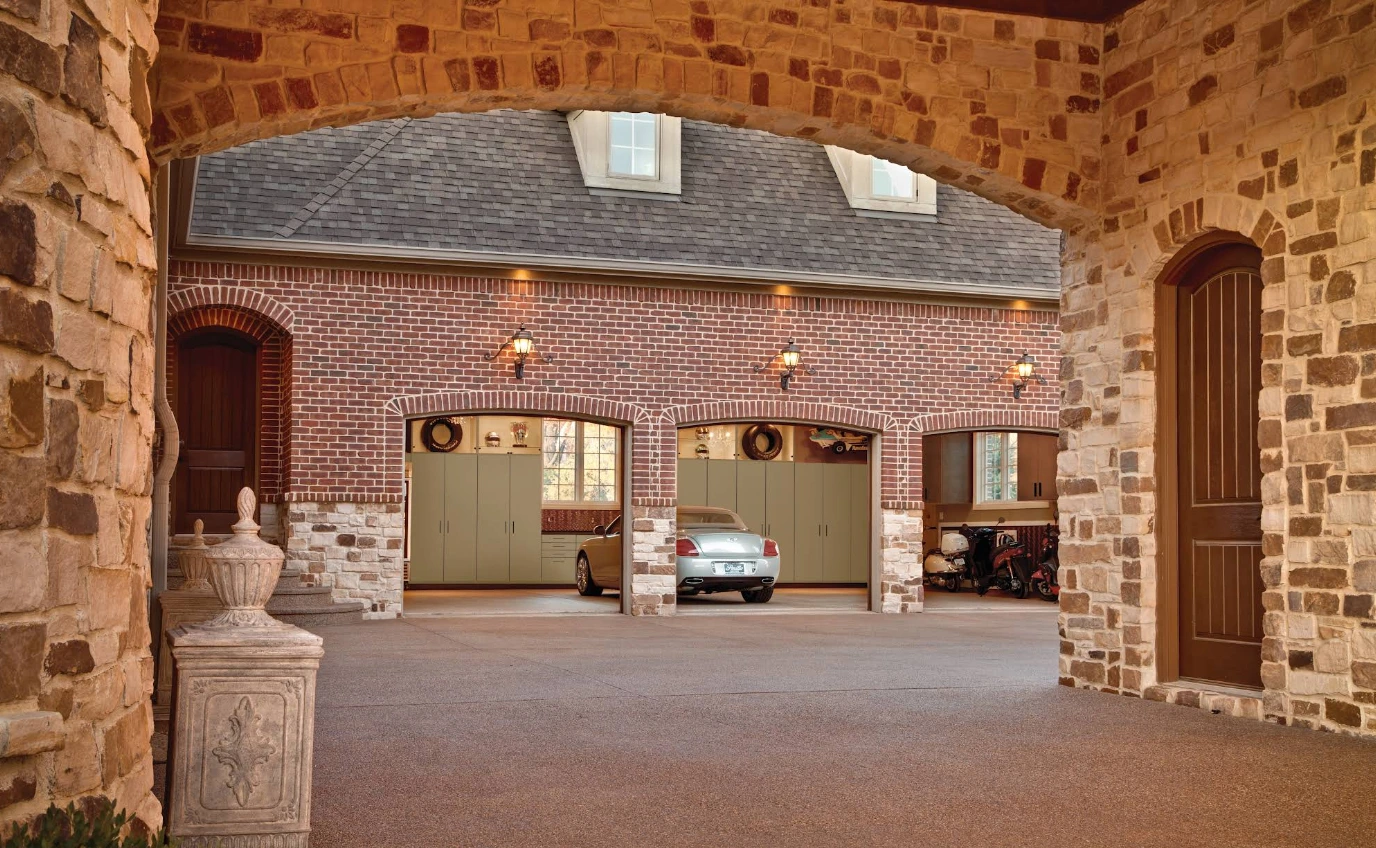
When you invest in transforming your garage into a functional, beautiful space, protecting that investment becomes just as important as creating it. Garage security and camera systems have evolved dramatically over the past decade, offering homeowners and business owners in Kalorama, DC comprehensive monitoring solutions that integrate seamlessly with modern smart home technology. Whether you're securing a high-end vehicle collection, protecting valuable tools and equipment, or simply gaining peace of mind about what's happening in your garage when you're away, the right camera system combines reliability, ease of use, and intelligent coverage planning.
Garage Security & Camera Systems in Kalorama, DC
When you invest in transforming your garage into a functional, beautiful space, protecting that investment becomes just as important as creating it. Garage security and camera systems have evolved dramatically over the past decade, offering homeowners and business owners in Kalorama, DC comprehensive monitoring solutions that integrate seamlessly with modern smart home technology. Whether you're securing a high-end vehicle collection, protecting valuable tools and equipment, or simply gaining peace of mind about what's happening in your garage when you're away, the right camera system combines reliability, ease of use, and intelligent coverage planning.
At Garage Design Source, we understand that a well-designed garage is more than just storage or workspace - it's often one of the most valuable areas of your home or commercial property. That's why we approach garage security with the same attention to detail and quality that we bring to every garage transformation project. This guide walks you through everything you need to know about selecting, installing, and maintaining a garage security and camera system specifically tailored to Kalorama's unique residential and commercial environments.
Why Garage Security Matters in Kalorama
Kalorama represents one of DC's most desirable neighborhoods, known for beautiful historic homes and residential developments. Property owners in this area typically invest significantly in their homes, and many maintain valuable collections of vehicles, tools, and equipment within their garages. A comprehensive security system provides continuous protection and documentation that goes far beyond basic motion-activated lighting or simple door locks.
The need for garage security extends beyond theft prevention. Modern security systems help homeowners track who enters the garage, monitor for unexpected activity, verify that doors are properly closed and locked, and maintain detailed records for insurance purposes. For commercial properties or rental units in Kalorama, security cameras serve as both a deterrent and a valuable tool for resolving disputes or investigating incidents.
Weather considerations also play a role in Kalorama security planning. The DC metro area experiences significant seasonal changes, with humid summers and cold winters that can affect camera performance and data storage. Professional security systems account for these environmental factors through weatherproof hardware, proper ventilation planning, and reliable power management.
Understanding Your Camera System Options
Modern garage security systems offer flexibility to match different needs, budgets, and technical comfort levels. Understanding the differences between system types helps you make an informed decision about what works best for your specific situation.
Wired vs. Wireless Camera Systems
Wired Camera Systems connect directly to your home or building's electrical infrastructure through conduit or concealed cabling. The primary advantage of wired systems is reliability - you're not dependent on WiFi strength or battery life, and the connection remains consistent even during power fluctuations. Wired systems typically offer better video quality and real-time streaming performance. The trade-off involves more complex installation, as running cables through walls, ceilings, or conduit requires careful planning and often professional expertise. For established garages in Kalorama where you're retrofitting security onto an existing structure, wired systems may require more invasive installation work.
Wireless Camera Systems transmit video over your home WiFi network or a dedicated mesh network. These systems offer easier installation since they don't require extensive cabling, making them ideal for garage spaces where running conduit would be impractical or aesthetically undesirable. Wireless systems also provide more flexibility for repositioning cameras if your coverage needs change. The considerations with wireless include dependency on network strength, potential latency issues during high-bandwidth usage, and the need for reliable WiFi coverage throughout your garage space. Battery-powered wireless cameras require regular charging or battery replacement, though many modern systems now offer extended battery life or solar charging options.
The best choice depends on your garage's existing infrastructure, your technical comfort level, and your long-term vision for the space. Many Kalorama homeowners find that a hybrid approach works well - combining a few strategically placed wired cameras for primary entry points with wireless cameras covering additional areas.
Indoor vs. Outdoor Camera Considerations
Indoor Cameras focus on monitoring your garage's interior spaces and are optimized for controlled environments. They're typically smaller and more discreet, making them suitable for mounted above workbenches, on interior walls, or near garage doors. Indoor cameras generally have less robust weatherproofing requirements and can feature higher resolution sensors designed for typical indoor lighting conditions. They work particularly well for monitoring tool areas, vehicle bays, or storage zones.
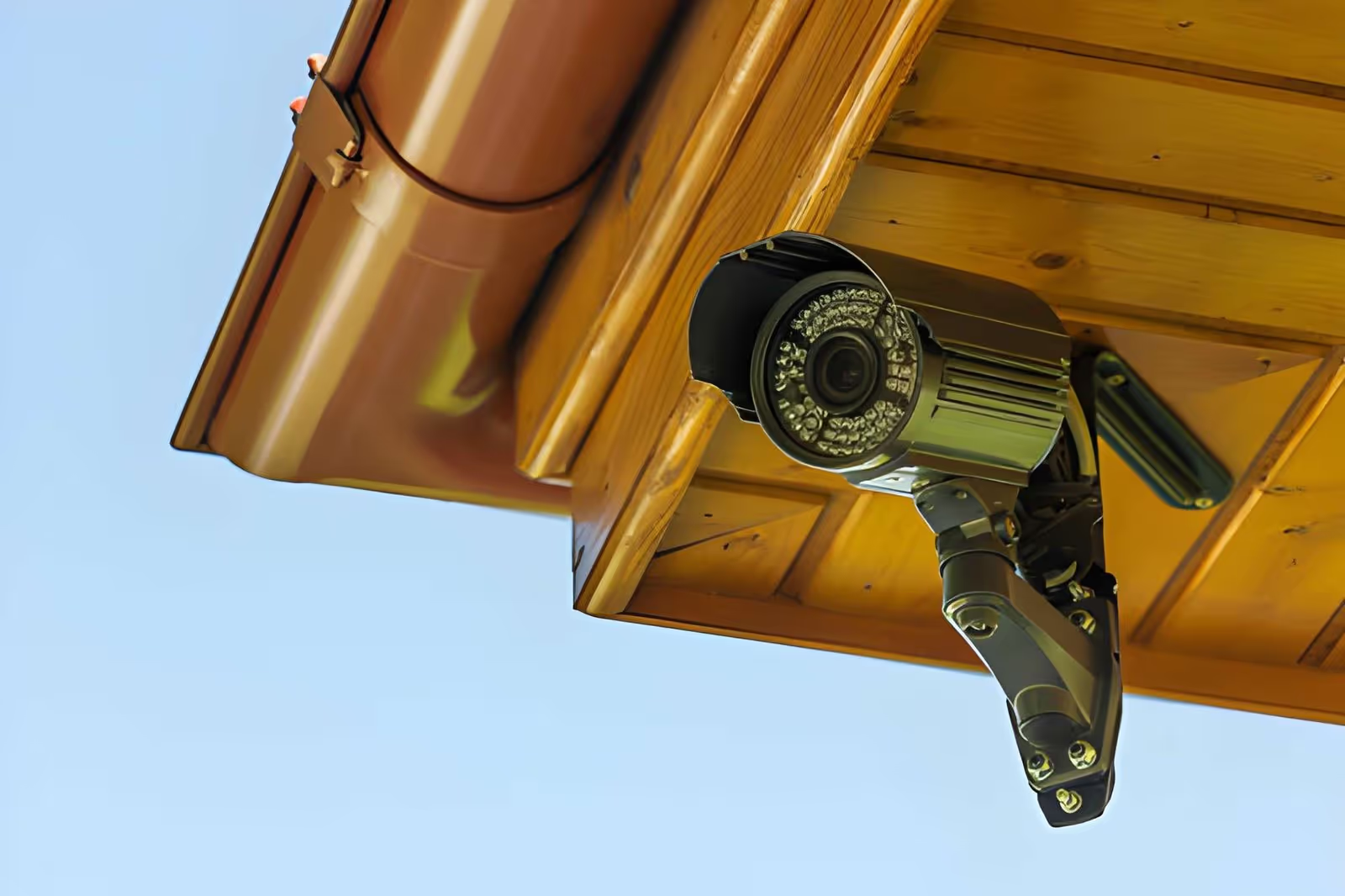
Outdoor Cameras are built to withstand weather exposure and are essential for monitoring your garage's exterior approach, driveway, and entry points. These cameras feature enhanced weatherproofing (typically rated IP65 or higher), are designed to operate in variable temperature conditions, and often include infrared night vision suited for outdoor darkness. Outdoor cameras mounted at your garage's entrance or along your driveway provide crucial documentation of who approaches your property and what vehicles arrive.
For Kalorama properties, a comprehensive system typically includes both indoor and outdoor cameras. Outdoor cameras positioned at your garage's main entry and driveway approach provide exterior security and documentation, while interior cameras monitor your garage's usable space and protect your vehicle and equipment investment.
Recommended Camera Placement and Coverage Planning
Strategic camera placement dramatically impacts the effectiveness of your security system. Rather than simply installing cameras wherever they fit, professional placement considers sight lines, common entry and exit points, and the specific assets you're protecting.
Primary Coverage Areas
The garage entry door remains the most critical monitoring point. At least one camera should provide clear coverage of anyone entering or exiting the garage, ideally capturing facial details and the ability to identify individuals or vehicles associated with unauthorized access. Position this camera at a height of 7-9 feet, angled to capture faces at natural eye level rather than looking straight down.
The garage overhead door deserves dedicated monitoring, particularly if you have a smart garage door opener. A camera positioned to view the overhead door operation helps you verify the door has fully closed and locked, tracks anyone opening the door remotely or manually, and documents any attempted forced entry.
Vehicle parking areas should be covered by at least one camera providing clear vehicle identification - license plates, vehicle model, and distinguishing features. This positioning proves invaluable for insurance documentation or if your vehicle is struck while parked. Position this camera to capture the vehicle's profile and any approaching individuals.
Tool and equipment storage zones benefit from interior camera coverage, particularly in Kalorama homes with high-value equipment collections. Positioning cameras to view storage walls, workbenches, and shelving areas creates accountability and documentation if any tools are borrowed or accessed unexpectedly.
Supplementary Coverage Areas
Corner cameras or fisheye cameras can address blind spots in larger garage spaces. DC metro area garages vary widely in size - from compact single-car garages to expansive three-bay or commercial spaces. Identifying sightlines that remain uncovered by your primary cameras and addressing them with strategically placed supplementary cameras ensures comprehensive monitoring.
Exterior approaches to your garage warrant attention. A camera covering your driveway or the path leading to your garage entrance documents anyone approaching your property before they reach the garage door. This exterior coverage often proves valuable for insurance claims or police reports.
Night Vision and Low-Light Performance
Kalorama's residential neighborhoods have typical street lighting, but garage interiors can be quite dark once doors are closed. Your security system's night vision capability directly impacts its usefulness during evening hours or cloudy days.
Modern security cameras typically employ infrared (IR) night vision technology, which illuminates scenes using invisible infrared light that the camera's sensor detects. Quality matters significantly here - professional security cameras offer better IR range and clarity than budget alternatives. Look for cameras with adjustable IR illumination that prevents washed-out images while maintaining detail.
Some modern systems offer advanced night vision capabilities like thermal imaging, which detects heat signatures and can identify warm objects or individuals even in complete darkness. While thermal imaging costs more, it provides distinctive advantages for exterior monitoring where traditional lighting is absent.
If your garage has existing lighting, consider how that interacts with your camera system. Cameras positioned facing bright light sources can experience backlit imagery where subjects appear dark. Thoughtful camera positioning relative to existing light sources, or adding supplementary lighting controlled independently of your camera system, ensures consistent image quality throughout the day and night.
Integration with Garage Door Openers and Smart Home Platforms
One of the most valuable features of modern security systems is their ability to integrate with other smart home devices and your existing garage door opener. This integration enables automated responses and centralized control of your garage's various systems.
Garage Door Opener Integration
Smart garage door openers can communicate with your security system to verify door status, receive alerts if the door opens unexpectedly, and even trigger camera recording when door activity occurs. This integration is particularly valuable when you receive a notification of the garage door opening while you're away - you can immediately review camera footage to verify whether it's a family member, a service provider, or unauthorized access.
Some systems offer geo-fencing capabilities where your garage door automatically opens when you arrive home (within a defined proximity) and receives a notification if the door opens when no household members are nearby. These automated features add convenience while maintaining security oversight.
Smart Home Platform Compatibility
If your Kalorama home already incorporates smart home technology like Amazon Alexa, Google Home, or Apple HomeKit, choosing a security system compatible with your existing platform streamlines control and monitoring. Many modern garage security systems offer native integration or work through compatible platforms, allowing you to view camera feeds on smart displays, receive unified alerts, and control various garage systems through a single interface.
This integration extends beyond simple viewing - smart home automation can trigger scenes or routines based on camera activity. For example, your system might turn on overhead lighting if it detects motion in the garage after dark, or notify you if an unexpected person enters the garage during specified hours.
Data Storage and Remote Monitoring Options
How your security system stores video data and enables remote access fundamentally affects its practical value. Understanding these options helps you choose a system that matches your needs and preferences.
Cloud Storage Solutions
Cloud-based video storage offers convenience and redundancy - your footage is stored on secure servers managed by your security system provider, accessible from anywhere with an internet connection. This approach eliminates dependence on maintaining local storage devices and ensures your footage survives even if your home loses power or experiences hardware failure. Cloud storage typically involves subscription fees varying based on storage duration (7 days, 30 days, or longer retention) and camera count. The security consideration here is that your video data is stored on external servers - choose providers with strong privacy policies and encryption standards.
Local Storage Systems
Network-attached storage (NAS) devices or dedicated security DVRs store video locally on hardware you control and maintain. This approach offers advantages in privacy - your footage remains on your property rather than stored on external servers - and avoids ongoing subscription fees beyond initial equipment cost. Local storage requires you to manage storage capacity, backup procedures, and hardware maintenance. Many Kalorama homeowners prefer local storage for privacy reasons, particularly for commercial garages or properties with sensitive information.
Hybrid Approaches
Many modern systems offer hybrid options where recent footage stores locally for quick access while older footage backs up to cloud storage automatically. This approach combines the privacy benefits and quick access of local storage with the redundancy and off-site protection of cloud backup.
Remote Monitoring and Mobile Access
Regardless of storage method, modern systems enable remote viewing through dedicated mobile applications or web interfaces. This capability allows you to check on your garage from work, while traveling, or whenever you need real-time confirmation of door status and current activity. Quality mobile applications provide smooth, responsive video streaming, intuitive interfaces, and reliable notifications when your system detects activity.
Push notifications alert you to specific events based on rules you configure - someone opening the garage door, motion detected during specified hours, or sustained activity in particular zones. These alerts help you distinguish between expected activity and concerning situations, reducing notification fatigue while ensuring you're informed about genuinely important events.
Professional Installation Process and Timeline
While some homeowners tackle DIY security installation, professional installation offers significant advantages including proper coverage planning, optimal camera positioning, integration testing, and system configuration tailored to your specific needs.
Pre-Installation Assessment
The process begins with a thorough evaluation of your garage space. A professional installer examines your garage's layout, lighting conditions, existing electrical infrastructure, WiFi coverage (if planning a wireless system), and potential cable routing for wired installations. This assessment considers your specific security concerns and identifies the optimal camera placement strategy for comprehensive coverage.
System Design and Component Selection
Based on the assessment, your installer recommends specific cameras, storage solutions, and connectivity options matched to your requirements and budget. This consultation phase ensures you understand what the system will and won't provide, and that all components work together as an integrated solution.
Installation Execution
For wired systems, installation involves running cable through walls or conduit, mounting cameras at optimal positions, connecting to your electrical infrastructure with appropriate power supplies, and establishing network connectivity. Wireless installations proceed more quickly but still require careful camera positioning and thorough WiFi signal verification.
System Testing and Configuration
Following physical installation, your technician tests all cameras, verifies coverage in each planned monitoring area, configures motion detection sensitivity, establishes cloud or local storage settings, sets up mobile app access, and tests remote viewing functionality. They'll walk you through operating the system, explaining key features and optimal settings for your specific situation.
Timeline Expectations
For a typical residential garage security system in Kalorama, professional installation usually occurs within a single day or two visits depending on system complexity. Wired systems typically require more time than wireless installations. Most Kalorama homeowners experience minimal disruption, with installation occurring during a scheduled appointment with little ongoing impact to your daily routine.
Maintenance and Warranty Considerations
A security system's long-term reliability depends on proper maintenance and understanding what warranties protect your investment.
Regular Maintenance Requirements
Security cameras require minimal maintenance compared to many home systems, but attention to a few areas ensures consistent performance. Periodically inspect camera lenses for dust, debris, or moisture accumulation that can degrade image quality - a soft, dry cloth cleans lenses safely. For outdoor cameras, check weathersealing around cable entry points and ensure no debris blocks ventilation areas that prevent moisture buildup inside weatherproof housings.
Software and firmware updates keep your system secure and introduce performance improvements. Your security system provider periodically releases updates addressing security vulnerabilities and adding features. Applying these updates when notifications indicate them are available maintains your system's security and reliability.
Storage system maintenance depends on your chosen approach. Cloud storage services handle their own maintenance automatically. Local storage devices benefit from periodic verification that they're functioning normally and that your configured backup procedures are executing properly.
Warranty and Support Coverage
Professional installation typically includes warranty coverage on hardware components, usually spanning 1-3 years depending on the system and installer. This warranty addresses equipment failure or manufacturing defects. Understanding what's covered - and what isn't - helps you know what to expect if issues arise.
Beyond warranty periods, establishing a relationship with a professional installer or security service provider ensures you have expert support available if your system experiences issues or if you want to expand coverage as your needs evolve. Garage Design Source maintains ongoing relationships with clients to support modifications and enhancements to their garage systems as projects evolve.
Camera Placement Examples for Different Garage Configurations
Different Kalorama garage layouts benefit from different camera positioning strategies. Understanding how professional installers adapt to your specific space helps you visualize how security monitoring fits within your garage environment.
Single-Bay Residential Garage
A single-bay garage typically benefits from two cameras - one positioned to monitor the overhead door and entry area, capturing anyone approaching or entering, and a second camera positioned to view the parking space and vehicle profile. This two-camera approach provides clear documentation of door operation and vehicle security while maintaining reasonable coverage of the compact space.
Two-Bay Residential Garage
Two-bay garages allow for more comprehensive coverage. Recommended placement includes a camera monitoring the overhead door and entry area, a camera viewing each vehicle parking space or a single wide-angle camera covering both spaces, and potentially a third camera positioned at a corner or upper location providing broad coverage that identifies coverage gaps. This approach ensures complete documentation of all significant activity and clear identification of any approaching individuals.
Three-Bay or Larger Garage
Larger garages or commercial garage spaces benefit from more systematic coverage planning. Primary monitoring at the overhead door and entry remains essential. Additional cameras address specific areas - individual vehicle bays, work areas, equipment storage zones, and exterior approaches. Professional installers often employ fisheye or panoramic cameras in larger spaces to achieve comprehensive coverage without excessive camera count.
Commercial Garage or Fleet Parking
Commercial applications typically employ more extensive coverage. Multiple cameras document different vehicle bays or parking areas, entrance and exit points receive dedicated monitoring, and specific high-value equipment or inventory areas receive targeted coverage. These systems often integrate with access control systems that verify authorized entry and maintain comprehensive audit trails of garage activity.
Weatherproofing and Environmental Considerations for DC Metro Area
The Washington DC metro climate presents specific environmental challenges for outdoor security hardware. Understanding how professional installations address these factors ensures your system performs reliably throughout the year.
DC experiences humid summers with temperatures frequently exceeding 85 degrees Fahrenheit and occasional heat spikes into the mid-90s. Winter temperatures can drop to the teens or below, with occasional snow and ice conditions. This temperature variation can cause condensation issues in outdoor camera housings if they're not properly ventilated.
Professional outdoor installations employ weatherproof housings with appropriate ventilation that allows trapped moisture to escape. Cables are sealed where they enter equipment to prevent water intrusion. Outdoor cameras are positioned to minimize direct sun exposure when possible, reducing internal heating that can cause condensation cycling.
Spring and fall bring considerable pollen and moisture from frequent rainfall. Outdoor cameras benefit from positioning that minimizes water runoff onto lenses and from materials that resist algae growth in humid conditions. Periodic lens cleaning (2-3 times per year in the DC area) maintains optimal image quality through seasonal changes.
Garages themselves experience significant moisture variations, particularly in basements or below-grade spaces common in older Kalorama homes. Proper ventilation and humidity management in your garage space protects not just your security hardware but also your vehicle and stored equipment. Professional installers coordinate security system installation with any garage climate management improvements to ensure optimal conditions for all systems.
Integration with Your Overall Garage Transformation
If you're working with Garage Design Source on a comprehensive garage transformation - perhaps upgrading your flooring with premium epoxy or polyaspartic coatings, installing custom storage cabinetry, or replacing an outdated garage door - security system planning should occur during the initial design phase rather than as an afterthought.
Coordinating security installation with other garage improvements prevents redundant wall penetrations, allows optimal cable routing through areas that will be finished anyway, and ensures that storage cabinetry or shelving placement accommodates your planned camera coverage. A camera that monitors your high-value equipment storage works best when positioned during the storage cabinetry installation rather than trying to add it afterward.
Garage Design Source approaches each project as a complete transformation. Whether your focus is aesthetic improvement, functional enhancement, or security and protection, a cohesive approach ensures all elements work together seamlessly. This integrated perspective means your security system enhances rather than complicates your overall garage design.
Moving Forward with Garage Security Planning
Selecting and installing a garage security and camera system represents an investment in protecting your property, vehicle, and valuable equipment. The decision involves understanding your specific needs, evaluating the technology options available, and choosing a professional partner who understands both the technical requirements and your particular situation.
For Kalorama homeowners and commercial property owners, the neighborhood's desirability and property values make comprehensive security a reasonable priority. A well-designed system provides ongoing peace of mind and documentation that proves invaluable in the rare instance that a security concern arises.
The range of technology options available - from simple wireless cameras to comprehensive integrated systems - means systems exist to match various needs and comfort levels. Whether you're protecting a single vehicle, maintaining oversight of valuable equipment, or securing a commercial property, professional assessment and installation ensure you receive appropriate coverage configured specifically for your garage's layout and your security priorities.
Taking time to understand your options, evaluate different system types, and plan optimal camera placement results in a security system that provides lasting value and reliable protection for your garage investment.