.svg)
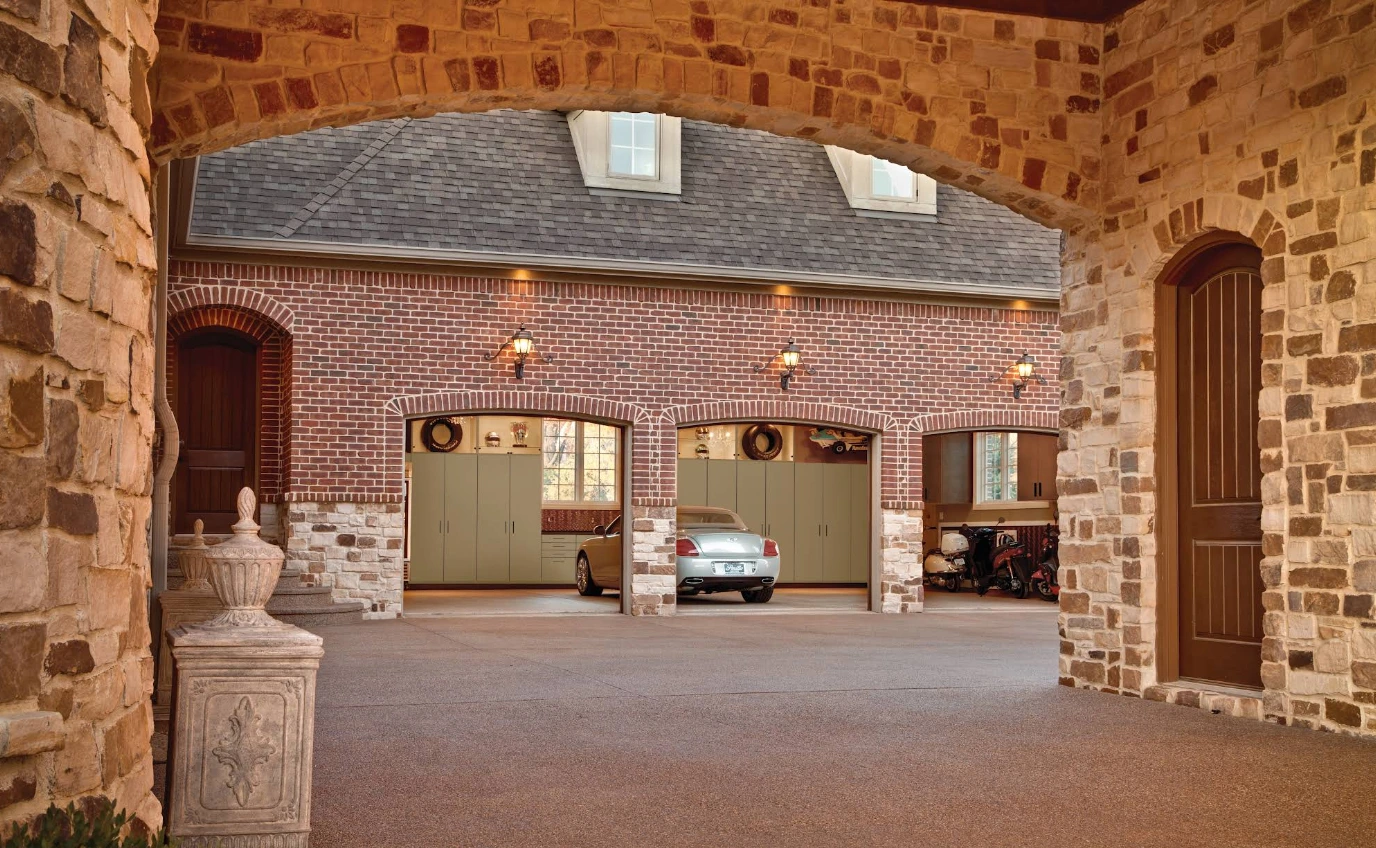
Your garage floor is one of the hardest working surfaces in your home. Day after day, it bears the weight of vehicles, supports daily foot traffic, and endures temperature fluctuations and moisture exposure that most homeowners never think about. Over time, concrete naturally develops cracks, spalls, and surface damage - and in Chevy Chase, MD, where freeze-thaw cycles are common, these issues can worsen quickly if left untreated. At Garage Design Source, we specialize in professional concrete repair and crack treatment that not only restores the structural integrity of your garage floor but also protects your investment for years to come.
Concrete Repair & Crack Treatment in Chevy Chase, MD
Your garage floor is one of the hardest working surfaces in your home. Day after day, it bears the weight of vehicles, supports daily foot traffic, and endures temperature fluctuations and moisture exposure that most homeowners never think about. Over time, concrete naturally develops cracks, spalls, and surface damage - and in Chevy Chase, MD, where freeze-thaw cycles are common, these issues can worsen quickly if left untreated. At Garage Design Source, we specialize in professional concrete repair and crack treatment that not only restores the structural integrity of your garage floor but also protects your investment for years to come.
Concrete damage isn't just an aesthetic problem. Untreated cracks allow water and contaminants to penetrate deeper into the concrete, causing expansion, further cracking, and eventually more costly repairs. When you address these issues early with proper crack treatment, you prevent minor damage from becoming a major headache. Our concrete repair and crack treatment services in Chevy Chase are designed to stop damage in its tracks, restore your floor's appearance, and prepare it for a long-lasting protective coating system.
Why Concrete Cracks Develop in Chevy Chase
Concrete naturally cracks as it cures and settles, but several factors accelerate this process - especially in the Chevy Chase area. Settlement shifts in your home's foundation, freeze-thaw cycles during Maryland winters, and the weight of parked vehicles all contribute to crack formation. Additionally, poor drainage around your garage, water pooling on the floor, and fluctuating humidity levels can cause the concrete to expand and contract unevenly, leading to visible fissures.
The concrete beneath your garage floor also experiences stress from vehicle weight concentrated in specific areas, vibrations from opening and closing your garage door, and ground movement below the slab. In Chevy Chase's residential neighborhoods, where many homes are older and built on varied soil types, these pressures create the perfect conditions for cracks to develop and spread. The good news is that identifying cracks early and treating them properly prevents them from becoming structural concerns.
Our Concrete Crack Assessment Process
We begin every concrete repair project with a thorough inspection and assessment. Our team examines your garage floor systematically to identify all visible cracks, spalls, and damage patterns. We measure crack widths, determine their depth, and assess whether they're active (still moving) or dormant. This detailed evaluation allows us to recommend the most effective treatment method for your specific situation.
During the assessment, we look for several key indicators:
- Crack width and direction - Whether cracks are hairline, moderate, or wide, and whether they run in straight lines or irregular patterns
- Moisture presence - Signs of water seeping through, dampness, or efflorescence (white mineral deposits) that indicate water infiltration
- Spalling and surface damage - Areas where concrete has chipped or broken away, exposing the aggregate beneath
- Underlying causes - Settlement cracks, structural movement, or damage related to vehicle impact
- Overall floor condition - The general health of the concrete and its readiness for crack treatment and coating systems
This comprehensive assessment ensures that our concrete repair work in Chevy Chase addresses the root cause of your floor's damage, not just the visible symptoms. We'll discuss our findings with you and explain exactly what we recommend and why.
Surface Preparation and Cleaning
Before any crack treatment can be effective, your concrete floor must be thoroughly cleaned and prepared. Dirt, dust, oil stains, and residue prevent epoxy and polyurethane products from bonding properly to the concrete surface. At Garage Design Source, we use professional-grade cleaning equipment and techniques to prepare your floor for repair.
Our preparation process includes:
- High-pressure washing - Removing surface dirt, debris, and contaminants without damaging the concrete
- Degreasing - Breaking down oil and automotive stains that have penetrated the surface
- Grinding or shot blasting - Creating a clean, slightly textured surface that allows crack-filling materials to bond securely
- Dust removal - Vacuuming and wiping down the floor to eliminate all particles before treatment begins
- Moisture testing - Ensuring the concrete is dry enough for epoxy or polyurethane application
Proper surface preparation is essential for the longevity of your concrete repair. Even small amounts of residue or moisture can compromise the bond between the crack-filling material and your concrete, leading to failure down the road. We don't cut corners on this critical step - it's the foundation of a successful repair that lasts.
Crack Routing and Injection Methods
Once your floor is clean and properly prepared, we route the cracks to create clean edges and a larger surface area for the repair material to bond. For concrete repair in Chevy Chase, we use two primary methods depending on your crack characteristics and desired outcome.
Epoxy Injection for Fine to Moderate Cracks
Epoxy is an excellent choice for hairline to moderate-width cracks (typically up to 1/8 inch). We inject epoxy resin deep into the crack using specialized injection ports, creating a watertight seal that bonds the concrete together. Epoxy is incredibly strong - often stronger than the surrounding concrete itself - and provides excellent adhesion and durability. Once fully cured, epoxy-filled cracks are rigid and won't flex or break down over time.
Epoxy works particularly well in Chevy Chase where freeze-thaw cycles occur, because it expands and contracts similarly to concrete, minimizing stress. The epoxy also seals the crack completely, preventing water infiltration that could otherwise cause further damage during winter months.
Polyurethane Injection for Wider Cracks and Active Movement
For wider cracks (typically 1/8 inch and larger) or cracks that show signs of active movement, polyurethane is often the better choice. Polyurethane is more flexible than epoxy, which means it can accommodate slight concrete movement without cracking itself. It also has excellent water-blocking properties and won't be affected by hydrostatic pressure if water tries to force its way through the crack.
Polyurethane expands slightly as it cures, which helps it fill even irregular crack shapes completely. For active cracks in Chevy Chase basements or garage floors where minor settling and movement are expected, polyurethane's flexibility makes it the preferred solution. We may also recommend polyurethane for cracks that run along concrete seams or control joints where movement is most likely to occur.
Patching and Leveling Spalled Areas
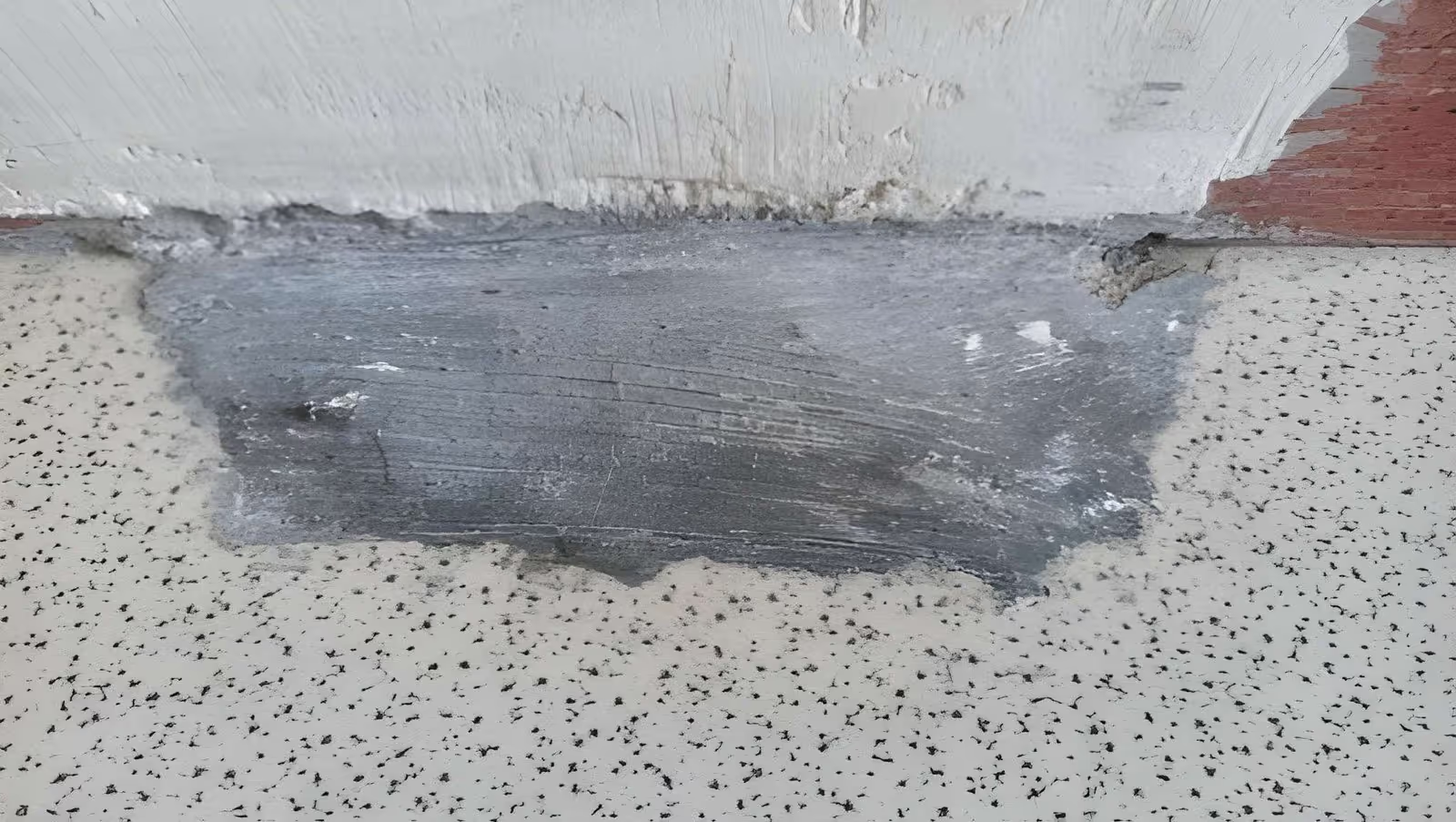
Beyond simple cracks, many concrete floors develop spalling - areas where the concrete surface has chipped or broken away. Spalling often occurs at the edges of cracks, around moisture-affected areas, or where concrete has delaminated from the base. These compromised areas must be repaired to create a smooth, level surface for protective coatings.
For spalled areas, we use a multi-step repair process:
- Removal of damaged concrete - We remove all loose, deteriorated, or compromised concrete from the spalled area, creating clean, solid edges
- Surface preparation - The exposed area is cleaned, dried, and primed to ensure optimal bonding with the repair material
- Concrete patching compound application - We apply a high-quality concrete patching compound specifically formulated to bond to existing concrete and match its hardness
- Leveling and finishing - The patch is smoothed and leveled to match the surrounding floor surface, creating a seamless repair
For more extensive spalling or damage areas, we may recommend a concrete overlay system that covers the affected area and blends seamlessly with the surrounding floor. This approach is particularly useful when spalling is widespread or when you're planning to apply a new coating system.
Protective Coatings and Long-Term Defense
Concrete repair in Chevy Chase doesn't end with crack treatment and patching. The final step - and perhaps the most important for long-term protection - is applying a high-quality protective coating. After your cracks are sealed and your floor is level and smooth, we typically recommend one of our premium coating systems to protect your investment.
Epoxy Coatings
Epoxy creates a thick, durable protective layer over your entire concrete floor. It's highly resistant to stains, chemicals, and moisture, making it ideal for garage floors that experience oil drips, road salt, and automotive fluids. Epoxy provides excellent adhesion, superior hardness, and a professional appearance that's available in numerous colors and finishes.
Polyaspartic Coatings
Polyaspartic coatings offer similar protection to epoxy but with faster cure times and superior UV resistance, which means they won't yellow or fade when exposed to sunlight. These coatings are particularly valuable if your garage door is often open or if your garage receives direct sun exposure. Polyaspartic systems cure to full strength in 24 hours or less, minimizing downtime in your garage.
Polyurea Coatings
Polyurea is the premium choice for ultimate durability and chemical resistance. It's extremely flexible, impact-resistant, and handles temperature fluctuations exceptionally well - making it perfect for Chevy Chase garages that experience significant seasonal variations. Polyurea coatings are ideal if you're looking for the absolute longest-lasting, most robust protection available.
Each coating system builds on your concrete repair work, creating a complete protective barrier that prevents future moisture infiltration, seals out contaminants, and maintains your floor's appearance for years to come.
The Concrete Repair Timeline
Understanding the timeline for concrete repair in Chevy Chase helps you plan your garage use and prepare for downtime. The overall schedule depends on the extent of damage, weather conditions, and the specific repair and coating methods we recommend.
Initial Assessment and Planning - 1-3 days
We schedule your consultation, conduct a thorough floor inspection, and develop a detailed repair plan. We'll discuss all options, answer your questions, and provide a clear timeline for the entire project.
Surface Preparation and Cleaning - 1 day
High-pressure washing, degreasing, and any necessary grinding happens on the first day of active work. Your floor will be thoroughly cleaned and prepped for crack treatment.
Crack Injection and Patching - 1-2 days
Epoxy or polyurethane injection typically takes one day for most residential garages. If extensive patching or spalling repair is needed, this may extend to two days. The injected materials begin curing immediately.
Cure Time Before Coating - 2-7 days
This is where patience matters. Epoxy and polyurethane need adequate curing time before a protective coating can be applied. For epoxy injection, we typically wait 3-5 days. For polyurethane, 5-7 days is standard. Temperature and humidity in Chevy Chase affect cure times - we'll provide specific guidance based on current conditions.
Protective Coating Application - 1 day
Once cracks are fully cured, we apply your chosen protective coating system. This typically takes one day for most residential garage floors, though larger spaces may require additional time.
Final Cure Before Use - 24-72 hours
Depending on which coating system you choose, your garage floor will need 24-72 hours to cure fully before you can resume normal vehicle use and heavy traffic. We'll provide detailed aftercare instructions to ensure optimal results.
Why Choose Garage Design Source for Concrete Repair in Chevy Chase
Garage Design Source brings over 20 years of specialized garage expertise to every concrete repair project. We're locally owned and operated in the Washington D.C. metro area, which means we understand Chevy Chase's climate challenges, soil conditions, and homeowner expectations. We're not a general contractor offering garage services as a side business - our entire focus is creating beautiful, durable garage solutions.
Our concrete repair work is backed by our commitment to quality materials and professional installation. We use only premium-grade epoxy, polyurethane, and polyaspartic products from trusted manufacturers. Our team is experienced in assessing concrete damage accurately and recommending the most effective repair approach for each situation. We take pride in delivering floors that not only function properly but also look great.
Beyond the repair itself, we design our concrete work to integrate seamlessly with the rest of your garage space. Whether you're planning a complete garage transformation with new storage systems and doors, or simply addressing concrete damage, we ensure that your repaired and coated floor becomes part of a cohesive, professional-looking garage environment.
Maintaining Your Repaired Concrete Floor
After your concrete repair and protective coating are complete, proper maintenance ensures your floor continues to look and perform beautifully. Routine care is straightforward and doesn't require special products or expertise.
Regular Cleaning
Sweep or vacuum your garage floor regularly to remove dirt and debris. For deeper cleaning, use a damp mop with mild soap and water. Avoid harsh chemicals or abrasive scrubbing, which can damage your protective coating over time.
Spill Management
While your protective coating is highly resistant to stains and chemicals, prompt cleanup of oil spills, coolant, and other automotive fluids is still recommended. The longer these substances sit on your floor, the more likely they are to cause permanent discoloration.
Avoiding Harsh Conditions
Prevent damage to your coated floor by avoiding:
- Dragging heavy items across the surface
- Using salt or chemical de-icers directly on your garage floor (use them outside only)
- Parking vehicles with leaking fluids in your garage for extended periods
- Using pressure washers with extreme force, which can damage the coating
Inspection and Touch-Ups
Inspect your garage floor annually for any signs of wear, coating damage, or new cracks. Small issues can be addressed quickly before they become larger problems. We're available to discuss touch-ups or recoating if your floor shows signs of aging after many years of use.
Common Questions About Concrete Repair
How long do epoxy and polyurethane injections last?
When properly installed and maintained, epoxy and polyurethane crack repairs can last indefinitely. These materials don't degrade or break down over time. However, if new cracks develop in untreated areas of your concrete, those will need separate attention. The protective coating system you apply over the repaired floor typically lasts 5-10 years depending on the product and traffic levels.
Can you repair cracks in a garage floor that already has a coating?
Yes, but we need to remove or work around the existing coating to properly treat the crack. In some cases, this means removing the coating from the affected area, repairing the crack, and recoating. We'll assess your specific situation and explain the best approach during your consultation.
What if my cracks keep coming back?
Recurring cracks usually indicate that the underlying cause hasn't been addressed. This might mean foundation settling is ongoing, drainage issues persist, or the original crack was caused by structural movement. During our assessment, we'll investigate the root cause and recommend solutions that address the problem, not just the symptom.
Is concrete repair covered by homeowner's insurance?
Most homeowner's insurance policies don't cover concrete damage from normal wear and tear or settling. However, if your cracks are caused by an event covered by your policy (like a tree falling or significant impact), insurance may help. We recommend reviewing your policy and contacting your insurance company directly.
Can I seal cracks myself, or do I need professional repair?
While consumer-grade crack sealers are available, they typically don't provide the same durability and protection as professionally injected epoxy or polyurethane. DIY sealers often fail within a few years, especially in climates like Chevy Chase where freeze-thaw cycles create repeated stress. Professional repair ensures that your cracks are truly sealed and protected.
How much does concrete crack repair cost?
Concrete repair pricing depends on the number and size of cracks, the extent of spalling or damage, your floor's condition, and which repair and coating methods are recommended. We provide detailed, transparent estimates after assessing your specific situation. There's no one-size-fits-all price - every garage floor is different.
Your garage floor is a significant part of your home's functionality and curb appeal. Concrete damage affects not just appearance but also the long-term integrity of your garage space. At Garage Design Source, we approach concrete repair with the same attention to quality and detail that defines every project we undertake. Whether your Chevy Chase garage needs crack treatment, patching, protective coating, or a complete concrete restoration, we're here to help transform your garage floor into a surface that's built to last.