.svg)
Your garage floor is one of the most heavily used surfaces in your home, yet it often receives the least attention until a problem becomes impossible to ignore. Concrete naturally develops cracks and deteriorates over time due to temperature fluctuations, moisture infiltration, heavy vehicle traffic, and the freeze-thaw cycles common throughout Northern Virginia. When these issues appear, addressing them promptly makes the difference between a quick, affordable repair and a costly floor replacement down the road.
Concrete Repair & Crack Treatment in Fairfax, VA
Your garage floor is one of the most heavily used surfaces in your home, yet it often receives the least attention until a problem becomes impossible to ignore. Concrete naturally develops cracks and deteriorates over time due to temperature fluctuations, moisture infiltration, heavy vehicle traffic, and the freeze-thaw cycles common throughout Northern Virginia. When these issues appear, addressing them promptly makes the difference between a quick, affordable repair and a costly floor replacement down the road.
At Garage Design Source, we understand that your garage is more than just a parking space - it's an extension of your home that deserves the same level of care and attention as any other room. Our concrete repair and crack treatment services are designed to restore the structural integrity of your garage floor while preparing it for the premium finishes that transform your space. Whether you're dealing with minor surface cracks or significant spalling and settling, our locally owned team brings over two decades of expertise to every project.
Common Concrete Issues in Fairfax Garages
The Northern Virginia climate creates specific challenges for concrete floors. Our experience serving Fairfax homeowners has shown us that certain problems appear more frequently here than in other regions.
Thermal Expansion Cracks
These cracks develop in a grid pattern across the floor and are caused by concrete expanding and contracting with temperature changes. During Fairfax's hot summers, concrete can expand significantly, and winter's freeze-thaw cycles can cause rapid contraction. While these cracks are often cosmetic and don't indicate structural failure, they can allow water and moisture to penetrate the concrete, leading to more serious problems over time.
Settling and Heaving
When the ground beneath your concrete shifts - whether due to soil movement, moisture changes, or poor initial compaction - the floor can develop low spots and uneven sections. This not only looks unsightly but can also cause puddles to form, further accelerating concrete deterioration. Fairfax's clay-heavy soil is particularly prone to these movement issues.
Spalling and Surface Damage
This refers to the flaking, scaling, or breaking away of the concrete surface. Salt used on roads during winter weather, de-icing products tracked into garages, and chemical exposure can all cause the top layer of concrete to deteriorate. Once spalling begins, it tends to spread quickly if left untreated.
Wide or Deep Cracks
While hairline cracks are generally cosmetic, wider cracks (more than 1/8 inch) indicate that structural movement is occurring. These cracks can grow over time and allow significant water infiltration, which can undermine the foundation beneath your garage floor.
Moisture Seeping Through Concrete
If you notice damp patches, efflorescence (white powder deposits), or actual water coming through your floor, your concrete's protective seal has failed. This is especially common in older Fairfax homes where the original concrete may not have had adequate waterproofing.
Our Concrete Repair Process
Understanding how we approach concrete repair helps you see why addressing these issues now prevents much larger problems later. Our process is thorough and designed to create a lasting foundation for your garage transformation.
Comprehensive Inspection and Assessment
We begin every project with a detailed examination of your concrete floor. This includes identifying the types and severity of cracks, checking for structural settlement, testing for moisture problems, and evaluating the concrete's overall condition. We look for patterns in cracking that tell us whether the issue is cosmetic, structural, or water-related. This assessment determines which repair methods will be most effective for your specific situation.
Surface Preparation and Cleaning
Proper surface preparation is absolutely critical to repair success. We thoroughly clean the entire floor to remove dirt, oil stains, dust, and any loose concrete. This often involves pressure washing and, in some cases, grinding or shot-blasting the surface to open the concrete's pores. If the floor has a sealer or coating already, we remove it completely in the repair area so that new materials can bond properly. Skipping this step is why many DIY repair attempts fail within months.
Crack Routing and Preparation
For cracks that will receive epoxy or polyurethane injection, we enlarge the crack using specialized routing equipment. This creates a V-shaped or U-shaped channel that gives the filler material more surface area to bond to the concrete. The crack is then cleaned thoroughly with a shop vacuum and compressed air to remove all dust and debris. This preparation ensures that repair materials will penetrate deeply and create a lasting bond.
Epoxy and Polyurethane Injection
The choice between epoxy and polyurethane depends on the crack's characteristics and your goals for the floor.
Epoxy injection is ideal for structural cracks because it bonds aggressively to concrete and creates a very strong, rigid repair. Epoxy is best used for cracks that are relatively stable and won't experience significant movement. It's also the preferred choice if you plan to have the floor coated afterward, as epoxy repairs integrate seamlessly with epoxy coating systems.
Polyurethane injection works better for cracks that experience some movement or are exposed to moisture. Polyurethane is more flexible than epoxy, which allows it to accommodate slight structural shifts without cracking again. It also has better waterproofing properties and is often the better choice for cracks that go below the floor surface or that are actively leaking moisture.
We use professional-grade injection equipment that forces the repair material deep into the crack, ensuring complete fill and preventing voids. The material is then allowed to cure fully before we level and finish the repair.
Patching and Leveling for Damaged Areas
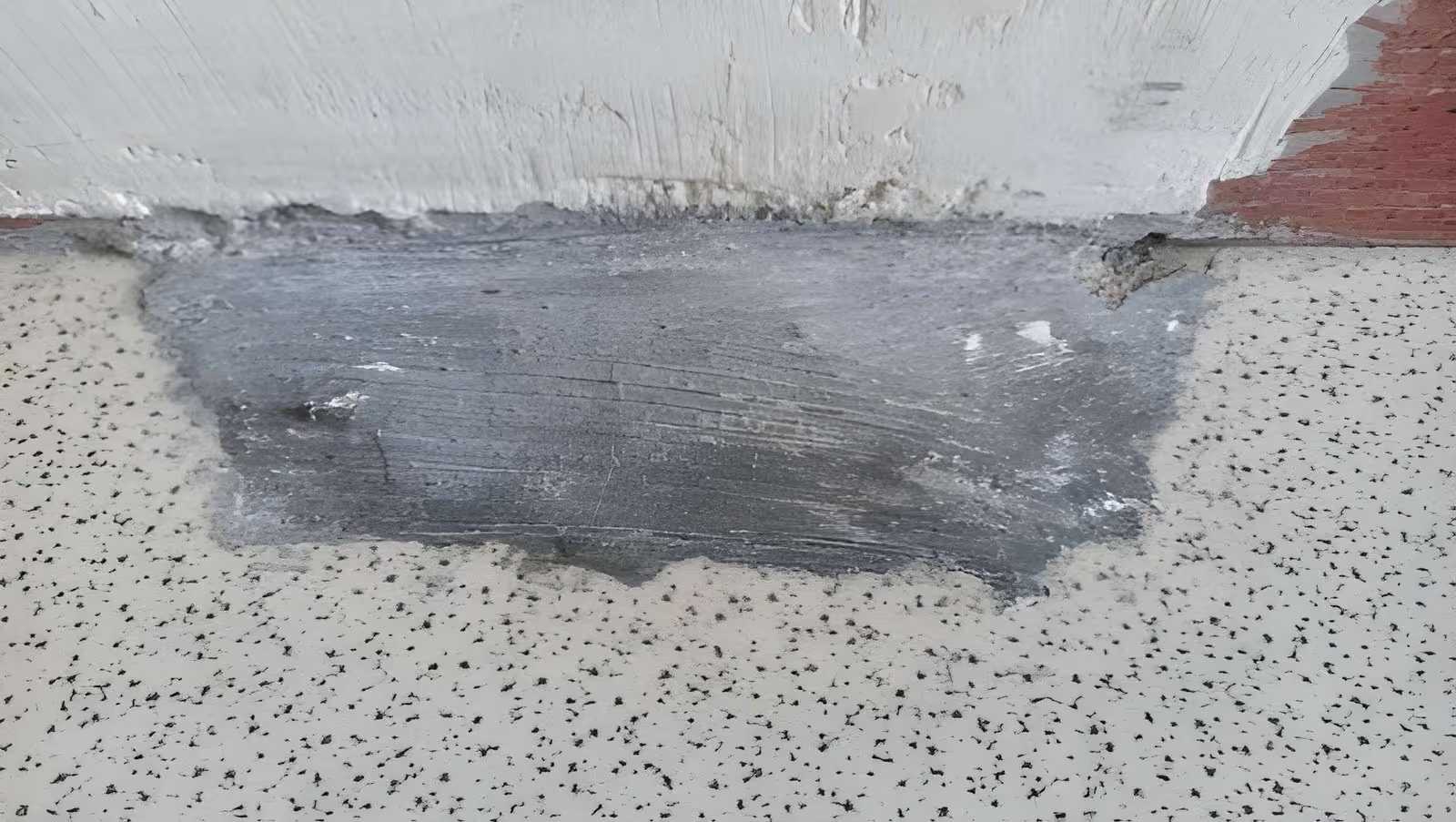
Where concrete has spalled, broken away, or settled unevenly, we use specialized patching compounds to restore the surface. For minor damage, a thin-set epoxy patch may be sufficient. For more significant damage or uneven sections, we use self-leveling epoxy or polyurethane products that fill low spots and create a uniform surface. These materials are specially formulated to bond to concrete and cure to a very hard finish that matches the original floor.
For more substantial leveling issues - such as floors with significant settlement or multiple low spots - we may recommend a concrete overlay system that brings the entire floor to level while hiding previous damage.
Protective Coatings and Finishing
Once repairs are complete and fully cured, applying a protective coating extends the life of your repair work and protects against future damage. This is also the ideal time to apply a garage floor coating that transforms the appearance of your space while providing years of protection. A quality epoxy or polyaspartic coating encapsulates the repaired concrete, protects it from moisture, oil stains, and chemical damage, and makes the floor easy to clean and maintain.
Timeline and Cure Expectations
Understanding how long repairs take helps you plan your garage usage around the work.
The inspection and preparation phase typically takes one day for most garages. We schedule this upfront to give you an accurate assessment and timeline before work begins.
Actual repair work usually takes one to three days depending on the extent of cracks, the repair methods needed, and the size of your garage. Simple crack injection might take just a day, while significant spalling repairs and patching could extend to two or three days.
Cure times vary significantly based on the materials used. Epoxy repairs generally require 24 to 48 hours before the floor can support vehicle weight, with full hardness achieved in five to seven days. Polyurethane repairs typically cure more quickly, allowing light traffic after 24 hours, though full cure still takes several days. If we're applying a coating system after repairs, curing happens in stages - the floor might be ready for light use after a few days, but we recommend keeping vehicles off the floor for the full recommended cure period to ensure maximum longevity.
Weather conditions affect cure times significantly. Cold or humid weather slows the curing process, which is why late fall and winter repairs may take slightly longer than spring and summer projects.
Concrete Repair Factors and Durability
The longevity of your concrete repairs depends on several factors that we address during the planning and execution of your project.
Quality of Materials
We use only professional-grade epoxy and polyurethane products designed specifically for concrete repair. These materials are significantly superior to consumer-grade products available at big-box retailers. The difference in performance and lifespan is substantial - our materials are formulated to bond permanently to concrete and resist the stresses that cause repairs to fail.
Proper Installation Technique
How the repair is performed matters as much as what material is used. Incomplete surface preparation, inadequate crack cleaning, improper mixing ratios, or rushing the cure process are common reasons repairs fail. Our team follows proven protocols at every step to ensure that repairs are done right the first time.
Environmental Protection
Once repaired, protecting your concrete from exposure to salt, de-icing chemicals, oil, and moisture extends the repair's life dramatically. This is why we recommend a protective coating for all concrete repair work. A quality coating acts as a barrier that shields the repair from environmental stressors.
Maintenance
Simple ongoing maintenance - regular cleaning, prompt spill cleanup, and periodic resealing of coatings - keeps your repairs performing optimally for years.
Why Professional Repair Beats DIY and Budget Options
Many homeowners consider tackling concrete repairs themselves or hiring the cheapest option available. This usually results in disappointment and wasted money.
Consumer-grade crack filler and patching compounds don't bond properly to concrete, don't cure to sufficient hardness, and fail within months under the weight and stress of vehicles driving over them. They also tend to pull away from the edges of cracks as they cure, creating gaps that allow water infiltration.
Budget contractors often cut corners on surface preparation - the most critical step for repair success. A contractor who claims to repair cracks in a few hours without extensive prep work is likely doing you a disservice.
Professional repair, done correctly, costs more initially but provides lasting results. The repair becomes permanent rather than a temporary fix you'll need to address again in a year or two. When you factor in the cost of repeated repairs and the frustration of a deteriorating floor, professional repair is actually the more economical choice.
Concrete Repair as Part of Your Garage Transformation
At Garage Design Source, concrete repair is often the foundation for a complete garage transformation. Addressing structural issues and cracks now allows us to apply premium epoxy or polyaspartic coatings that turn your garage floor into a beautiful, durable surface that complements your new storage systems, garage door, or other improvements.
Many of our customers discover during the consultation process that addressing concrete damage they've been ignoring for years is the perfect opportunity to also upgrade their overall garage space. Once the floor is repaired and sealed, the transformation is dramatic - and the improved condition of the floor means your new coating and other improvements will last longer and perform better.
Concrete Repair in the Northern Virginia Climate
Fairfax's location in Northern Virginia creates specific environmental pressures on concrete. Our experience with local conditions informs how we approach repair and protection.
Winter weather is particularly hard on concrete. Salt and de-icing chemicals used on roads and parking lots are tracked into garages regularly, and these substances actively accelerate concrete deterioration. They draw moisture into the concrete and cause cycles of expansion and contraction that widen cracks. This is why we emphasize protective coatings so strongly - they're not optional additions but rather essential protection in our climate.
Spring brings moisture from melting snow and increased rainfall, which infiltrates any cracks or damaged areas in your concrete. Addressing these issues before spring arrives prevents water damage to the concrete substrate and any foundation areas beneath the garage.
Summer heat causes significant expansion in concrete, which can stress existing cracks and cause new ones to develop. Proper repair and sealing prevent these summer-stress cracks from becoming major problems.
Fall is actually an ideal time for concrete repair in Northern Virginia. Temperatures are moderate, humidity is typically lower, and you're preparing the floor for winter protection. If you've been considering concrete repair, fall is when we can give it the optimal conditions for curing.
Maintaining Your Repaired Concrete
After your concrete repair is complete, proper maintenance ensures years of optimal performance.
Regular Cleaning
Keep the floor clean by sweeping regularly and washing away spills promptly. If you've had a coating applied, use pH-neutral cleaners rather than acidic or alkaline products that can degrade the coating. Avoid abrasive scrubbing that might compromise the protective seal.
Prompt Stain Treatment
Oil and chemical spills should be cleaned immediately. The longer they sit on concrete, the more deeply they penetrate. With a quality coating, cleanup is much easier - most spills can be wiped away before they set. Without a coating, consider applying absorbent materials to contain the spill, then use appropriate degreasers.
Seal Reapplication
Even the best protective coatings eventually wear away in high-traffic areas. Most customers benefit from a refresh coat every three to five years, depending on traffic and use. This is a straightforward process that keeps your floor looking great and fully protected.
Avoid Harsh Chemicals
Stay away from strong de-icing salts in your garage and driveway if possible. They accelerate concrete deterioration significantly. If you must use de-icing products, sweep and clean them away regularly rather than allowing them to accumulate.
Address New Cracks Promptly
Even with the best repairs and coatings, new cracks occasionally develop. The key is addressing them early before they become larger problems. Small cracks caught early require minimal repair work.
Why Choose Garage Design Source for Concrete Repair
Garage Design Source brings more than two decades of experience in garage solutions to every concrete repair project. Our team is locally owned and operated in the Washington D.C. metro region, which means we understand the specific challenges that Fairfax garages face. We're familiar with local soil conditions, weather patterns, and the environmental stressors that impact concrete longevity.
We don't approach concrete repair as a standalone service - we see it as part of your overall garage vision. Whether you're planning a complete garage transformation with new flooring, storage, and doors, or simply addressing urgent structural issues, we apply the same commitment to quality and durability that defines every Garage Design Source project.
Our process is transparent and thorough. We inspect your concrete carefully, explain what we find in clear terms, and outline the repair options available to you. You'll understand exactly what we're doing, why we're doing it, and what results to expect.
We use only professional-grade materials and proven installation techniques that create repairs lasting years, not months. The extra investment in quality materials and proper execution protects your investment and gives you peace of mind knowing the work is done right.
Planning Your Concrete Repair Project
If you've noticed cracks, spalling, moisture, or unevenness in your garage floor, the time to address these issues is now. Small problems are quick and affordable to repair, while larger issues that go untreated become major undertakings.
The first step is a professional inspection and assessment. This gives you clarity on what you're dealing with and what your options are. From there, we can discuss timelines, repair methods, and how concrete repair fits into your broader garage improvement goals.
Our team at Garage Design Source is ready to help you restore your garage floor to structural integrity and prepare it for whatever comes next - whether that's a protective coating, a complete garage transformation, or simply years of reliable, attractive performance.