.svg)
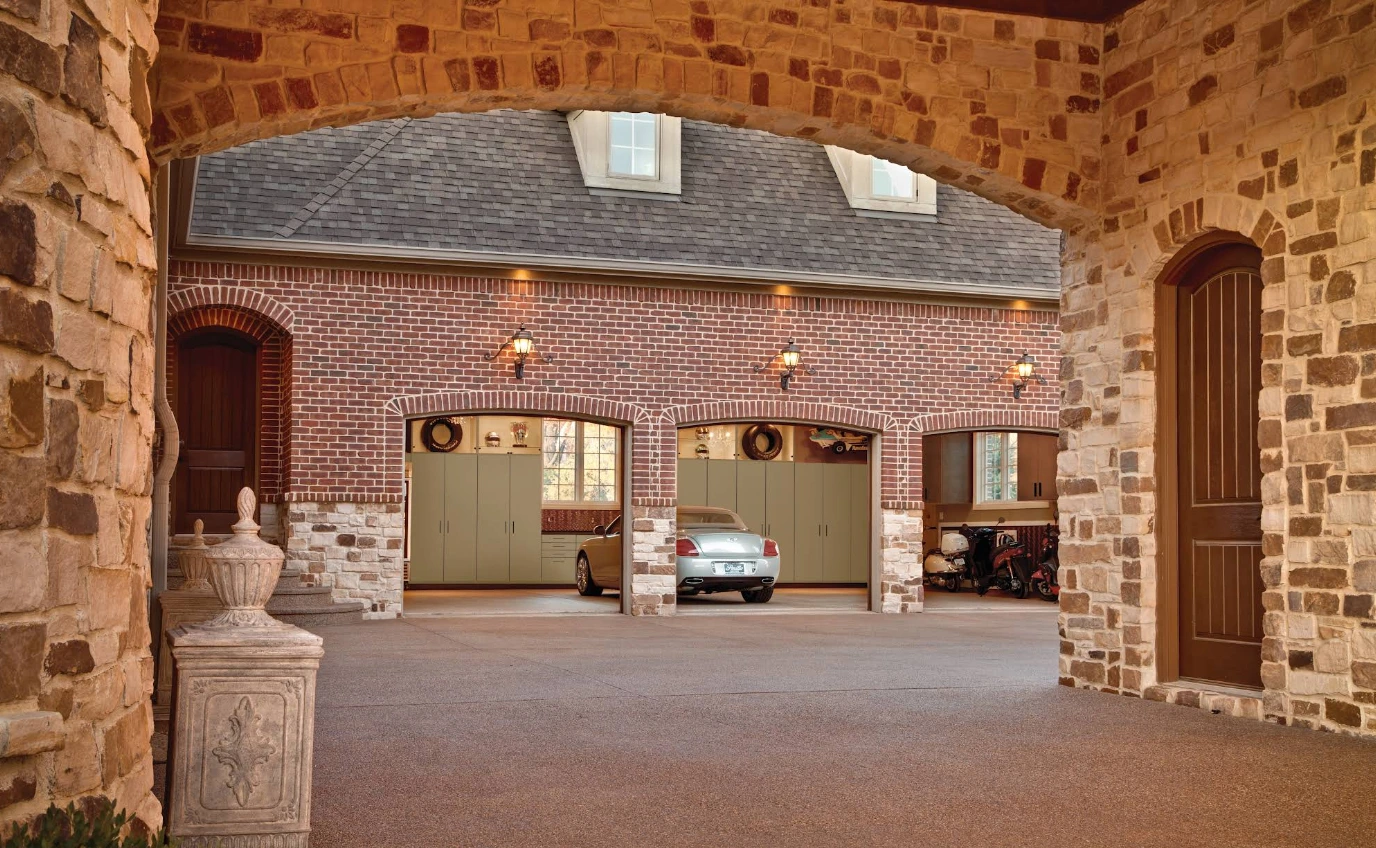
Your garage floor is one of the hardest-working surfaces in your home. It endures daily wear from vehicle traffic, tool storage, seasonal moisture, and the occasional spill or stain. Yet most homeowners treat it as an afterthought - a bare concrete slab that's simply functional. At Garage Design Source, we've spent nearly two decades transforming Fairfax garages into spaces that are both visually stunning and extraordinarily durable. Our epoxy and decorative flake flooring systems do more than cover concrete; they completely reimagine what your garage can be.
Epoxy & Decorative Flake Systems in Fairfax, VA
Your garage floor is one of the hardest-working surfaces in your home. It endures daily wear from vehicle traffic, tool storage, seasonal moisture, and the occasional spill or stain. Yet most homeowners treat it as an afterthought - a bare concrete slab that's simply functional. At Garage Design Source, we've spent nearly two decades transforming Fairfax garages into spaces that are both visually stunning and extraordinarily durable. Our epoxy and decorative flake flooring systems do more than cover concrete; they completely reimagine what your garage can be.
Whether you're dealing with cracked, stained, or simply uninspiring concrete, epoxy and polyaspartic coatings offer a solution that combines premium aesthetics with lasting performance. This guide walks you through everything you need to know about these coating systems, so you can make an informed decision about upgrading your Fairfax garage.
Understanding Your Coating Options
Garage Design Source specializes in three primary coating chemistries, each with distinct advantages depending on your priorities and timeline. Understanding the differences helps you choose the system that best fits your needs.
Epoxy Coatings are the traditional choice for garage floors and remain one of the most popular options. These two-part systems create a hard, protective surface that bonds directly to your concrete. Epoxy excels at moisture resistance and chemical durability, making it ideal if you're concerned about water damage from melting snow or spring thaws - common concerns for Fairfax homeowners. The finish is glossy and professional-looking, and the system typically cures to full hardness within 5-7 days. Epoxy is also the most economical option among the three chemistries.
Polyaspartic Coatings are the faster-curing option. While epoxy requires several days before you can park vehicles on your floor, polyaspartic hardens in as little as 24 hours. This chemistry is aliphatic, meaning it resists yellowing from UV exposure better than standard epoxy, so your floor maintains its color vibrancy even with sunlight streaming through windows. Polyaspartic is particularly popular with Fairfax homeowners who can't afford extended downtime, as you can often return to normal garage use within a single day.
Polyurea Coatings represent the premium option. These are the hardest and most flexible of the three chemistries, offering superior impact resistance and the fastest cure times - sometimes ready for light use in just hours. Polyurea also provides the best UV protection and flexibility for concrete that experiences minor movement or settling. If durability is your paramount concern and you want a floor that handles extreme conditions, polyurea delivers unmatched performance.
All three systems can be applied with decorative flake systems, adding both visual interest and enhanced slip resistance. The choice between them often comes down to your timeline, budget, and the specific challenges your garage floor faces.
Common Garage Floor Problems
Before selecting a coating system, it helps to understand what problems you're trying to solve. Concrete floors naturally deteriorate without protection, and Fairfax's humid subtropical climate accelerates some of these issues.
Moisture penetration is perhaps the most common problem. Bare concrete is porous and readily absorbs water from groundwater, seasonal flooding, and melting snow. This moisture creates a damp environment where mold and mildew thrive. Many Fairfax homeowners also notice their garages feel clammy during spring and summer months. A properly sealed epoxy or polyaspartic floor blocks this moisture, keeping your garage dry and preventing the musty smell associated with concrete dampness.
Staining and discoloration plague most concrete floors over time. Oil drips from vehicles, rust stains from tools and equipment, water marks from condensation, and dirt accumulation all take their toll. Your once-new garage floor begins to look tired and poorly maintained. These stains are difficult to remove with ordinary cleaning, and they can actually weaken concrete by allowing contaminants to penetrate deeper into the slab.
Cracking and surface deterioration occur as concrete expands and contracts with temperature changes. Fairfax experiences significant seasonal temperature swings - from freezing winters to hot, humid summers. This cycling gradually causes hairline cracks that widen over time. Salt used on driveways during winter further damages concrete through a process called spalling, where the surface flakes and chips away. These cracks not only look unattractive but also allow moisture to penetrate deeper into the concrete structure.
Poor durability and wear patterns become obvious in high-traffic areas. If you use your garage as a workshop, the areas where you stand most often show visible wear. Vehicle tires create dark marks that are nearly impossible to remove from bare concrete. Without protection, your garage floor simply doesn't hold up well under regular use.
Inadequate slip resistance creates genuine safety concerns. Bare concrete is slippery when wet, and many Fairfax garages experience moisture issues during humid months. A slip and fall in your garage can result in serious injury, particularly for older family members or children.
A properly installed epoxy or decorative flake system addresses all of these problems simultaneously. The coating seals the concrete, prevents moisture penetration, resists staining, and adds durability and safety that bare concrete simply cannot match.
The Coating Chemistry Explained
Understanding how these coatings work helps you appreciate why they outperform simple paint or generic concrete sealers.
Epoxy Structure and Performance
Epoxy is a two-part system consisting of a resin and a hardener. When mixed together, they undergo a chemical reaction that creates cross-linked polymer chains - essentially creating a plastic-like shell over your concrete. This shell is rigid and extremely hard, which is why epoxy creates such a durable surface.
The thickness of a properly applied epoxy coating matters significantly. Garage Design Source applies epoxy at 3-5 mils thick (where one mil equals one one-thousandth of an inch). This thickness is crucial because it provides genuine protection rather than just a cosmetic layer. Thin coatings applied by DIY methods or inexperienced contractors often fail quickly because they lack sufficient depth to protect the concrete underneath.
Epoxy bonds chemically to concrete, meaning it doesn't sit on top like paint. This chemical bond is why properly prepared concrete is so important - if the surface isn't clean and properly profiled, the epoxy won't develop a strong mechanical and chemical connection.
Polyaspartic Advantages
Polyaspartic coatings are based on polyol chemistry and cure through a different mechanism than epoxy. They maintain the hardness and chemical resistance of epoxy while adding significant advantages in terms of cure speed and UV resistance. Because they cure so quickly, polyaspartic is the choice when you need your garage functional immediately.
The UV resistance of aliphatic polyaspartic makes a noticeable difference in Fairfax garages with large windows or open doors. Over several years, standard epoxy can gradually yellow, particularly in areas that receive regular sunlight. Polyaspartic retains its clarity and color, keeping your floor looking fresh and new indefinitely.
Polyurea Premium Performance
Polyurea is the newest and most advanced chemistry among the three. It combines the rapid cure of polyaspartic with exceptional flexibility and impact resistance. Polyurea coatings maintain their hardness even in cold temperatures - important for Fairfax winters - while remaining flexible enough to accommodate concrete movement without cracking.
The elasticity of polyurea means it can expand and contract with your concrete slab as temperature changes occur. This flexibility dramatically extends the coating's lifespan, particularly in garages that experience the freeze-thaw cycles common in Northern Virginia.
Surface Preparation - The Foundation of Success
The single most critical factor determining coating success is surface preparation. You could have the world's best epoxy or polyaspartic system, but if the concrete isn't properly prepared, the coating will fail. This is where Garage Design Source's experience becomes invaluable.
Concrete Assessment
The process begins with a thorough evaluation of your existing concrete. We inspect for cracks, moisture issues, previous coatings or sealers, existing mold or mildew growth, and structural integrity. This assessment determines what repair work is necessary before coating can begin.
Fairfax garages frequently show signs of moisture damage, particularly in basements or garages on the lower level of homes. We use moisture testing to determine whether your concrete has water intrusion issues that need to be addressed before coating. Simply coating over a moisture problem creates a situation where water becomes trapped between the coating and concrete, eventually causing the coating to fail and bubble away from the surface.
Concrete Repair
If cracks are present, they must be repaired. Small hairline cracks can be cleaned and sealed, but larger cracks often indicate structural issues that require professional repair. Garage Design Source fills cracks with high-quality epoxy crack fillers or concrete repair compounds, depending on the crack's size and location. This ensures the repaired area performs at the same level as the rest of your floor.
If your concrete has areas of spalling - where the surface has flaked or chipped away - these damaged areas are ground down to sound concrete and built back up with concrete patching compounds. This restoration work ensures a smooth, even surface that will accept coating properly.
Surface Profiling and Cleaning
Bare concrete is too smooth for epoxy or polyaspartic to bond effectively. The coating needs a slightly textured surface to grip. Garage Design Source uses diamond grinding to achieve the proper surface profile. This process removes any existing sealers, paint, or contaminants while creating a microscopically rough texture that's ideal for coating adhesion.
Grinding also removes the cream layer - the thin, weak layer of cement that forms on all concrete surfaces. This cream layer must be removed completely, as it prevents proper bonding of the coating.
After grinding, the concrete is thoroughly cleaned. Any dust, debris, moisture, or chemical residue must be removed. The floor is typically vacuumed multiple times, then cleaned with a degreaser to remove any oil or chemical residue. Finally, it's rinsed thoroughly and allowed to dry completely before coating application.
Moisture is particularly important to manage. Concrete that appears dry to the eye can still contain moisture that will cause coating failure. Garage Design Source verifies moisture levels using professional moisture testing before proceeding with coating application.
Decorative Flake Options and Design
One of the most exciting aspects of modern garage coatings is the array of decorative flake options available. These decorative elements transform your floor from a utilitarian surface into a custom-designed space that reflects your style.
Decorative Flake Systems
Decorative flakes are small, colored vinyl or acrylic pieces applied to the coating while it's still wet. They adhere to the sticky coating and become encapsulated as the coating cures, creating a speckled appearance that's both visually interesting and functional. The flakes add texture that improves slip resistance, particularly in areas prone to moisture.
The color options are essentially unlimited. Whether you prefer a subtle blend that matches your garage's existing color scheme or a bold, high-contrast design, flakes can create the aesthetic you want. Common choices for Fairfax homeowners include neutral tones like charcoal, light gray, or taupe that hide dust and don't show every footprint. More adventurous homeowners select multi-color combinations that create vibrant, eye-catching floors.
Flake Coverage Patterns
The density at which flakes are applied affects both appearance and performance. Light flake coverage (typically 30-50% of the surface) provides a subtle aesthetic with occasional color accents visible throughout the epoxy base. Medium coverage (50-70%) creates a more distributed look where flakes are more prominent. Heavy coverage (70%+ of the flakes) produces a densely speckled appearance where the flakes completely dominate the visual design.
Higher flake coverage also provides better slip resistance and hides dust more effectively. If you use your garage as a workshop or spend considerable time in the space, medium to heavy flake coverage is usually recommended.
Design Customization
Garage Design Source works with homeowners to create custom designs. Some clients prefer uniform flake distribution throughout the space, while others want decorative borders, stripes, or custom patterns. Skilled application technicians can create sophisticated designs that personalize your garage while maintaining the durability benefits of the overall coating system.
Color selection should consider both aesthetics and practicality. Light colors create an open, clean feeling but show dust and dirt more readily. Dark colors hide dust but can feel cave-like in smaller garages. The most popular approach is a mid-tone base with complementary flakes in slightly lighter or darker shades, creating visual interest while remaining practical for a working garage.
Application Process and Timeline
Understanding the application process helps you prepare for the project and manage expectations for when you'll have full use of your garage again.
Pre-Application Preparation
Typically, application begins several days to a week after initial surface preparation and assessment. During this time, any concrete repairs cure and moisture levels stabilize. Before application day, you'll need to ensure the garage is completely cleared of all items - vehicles, tools, storage boxes, everything. There should be no obstacles that would prevent the coating crew from accessing the entire floor.
Garage Design Source usually covers the walls at the base with plastic sheeting to protect them from coating splash and spatter. Masking tape creates clean edges where the coating meets walls and other surfaces.
Coating Application
The morning of application, final inspections verify that the concrete is clean and dry. The coating is then mixed according to the manufacturer's specifications. The exact mixing procedure is critical - improper mixing can result in coating failure.
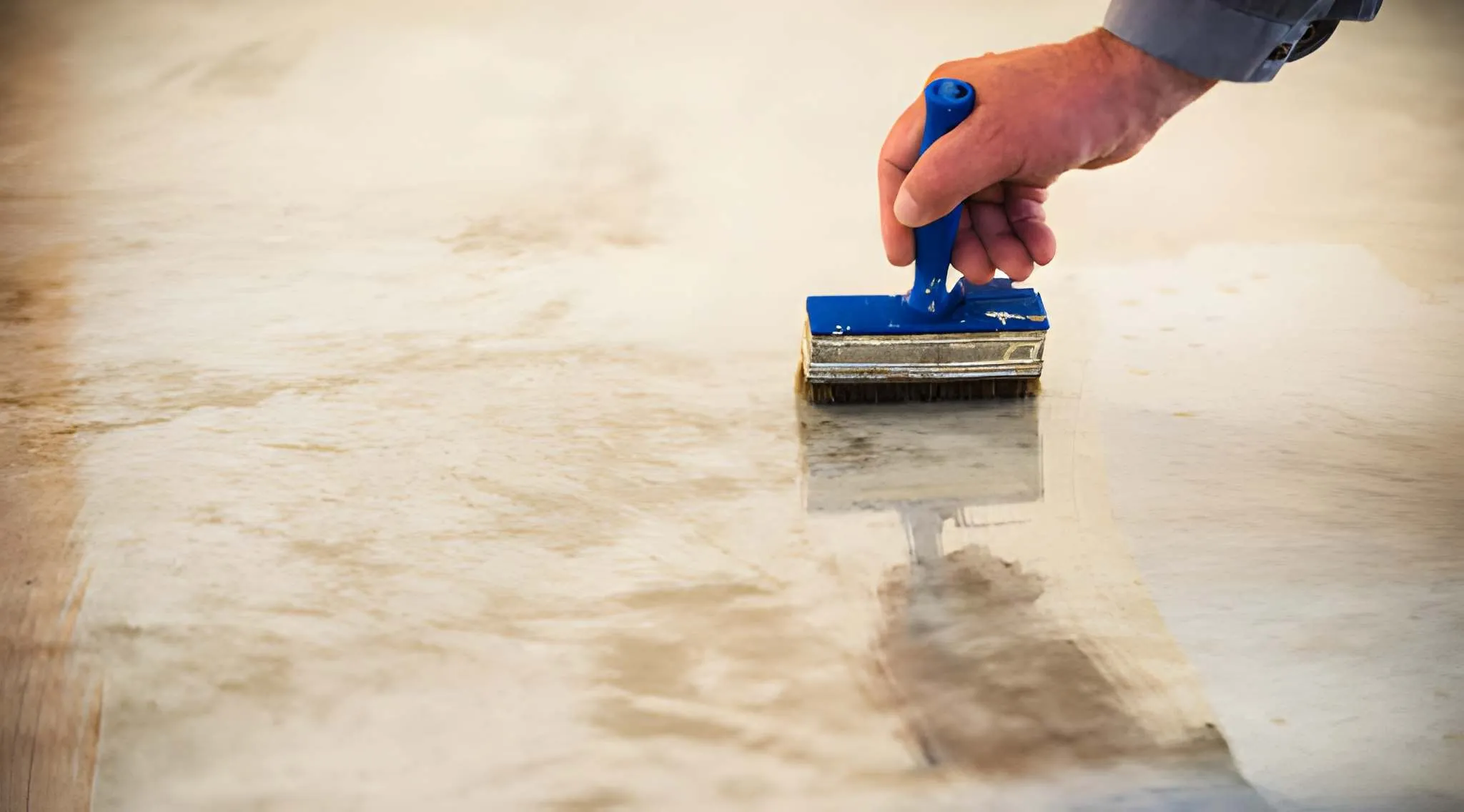
Epoxy and polyaspartic coatings are applied using specialized equipment. For epoxy systems, technicians typically use roller application for large areas combined with brush application for edges, corners, and areas around door frames. The application is done in a specific sequence - one direction on the first pass, then cross-hatching in the opposite direction to ensure even coverage.
With epoxy systems, decorative flakes are broadcast onto the coating surface before it begins curing. Flakes are distributed by hand to achieve the desired coverage pattern and design. Timing is critical - the flakes must be applied before the coating becomes too sticky, or they won't adhere properly.
Once the base coat with flakes has cured to the appropriate stage, a clear topcoat is applied. This topcoat seals the flakes in place and provides the final protective layer. The topcoat also adds to the gloss or matte finish of the floor and provides additional durability.
Cure Timeline
This is where the choice between epoxy, polyaspartic, and polyurea makes a significant practical difference.
With epoxy coatings, you can typically walk on the floor after 24 hours, but full cure requires 5-7 days. During this cure period, avoid heavy use, moisture, and chemical exposure. Many Fairfax homeowners schedule epoxy application when they can manage without garage access for nearly a week.
Polyaspartic coatings allow use within 24 hours and often within just a few hours for light traffic. Full cure is achieved faster, typically within 3-4 days. This makes polyaspartic attractive if you need your garage functional quickly.
Polyurea coatings can sometimes support limited vehicle traffic within hours, with full cure achieved within 1-2 days. This is the fastest-curing option and ideal if garage downtime is a significant concern.
Environmental Conditions
Temperature and humidity during application and curing significantly impact the coating's success. Garage Design Source schedules applications during periods when temperature and humidity are optimal for the specific coating chemistry being used. Generally, temperatures between 50-85 degrees Fahrenheit and relative humidity below 85% are ideal. Cold, damp conditions common in Fairfax winters can extend cure times and potentially compromise the coating if application proceeds in suboptimal conditions.
Durability, Performance, and Longevity
The appeal of epoxy and polyaspartic coatings lies partly in their durability - but homeowners often wonder exactly how long these coatings actually last and what factors influence their lifespan.
Chemical and Stain Resistance
One of the primary advantages of epoxy and polyaspartic coatings is their resistance to chemicals, oils, and stains. Automotive fluids - engine oil, transmission fluid, coolant - that would permanently stain bare concrete bead up on the coated surface. Spilled gasoline, brake fluid, and solvents are contained on the surface rather than soaking into the concrete.
This chemical resistance means your garage floor remains clean and stain-free even with regular vehicle use. Fairfax homeowners who use their garages as workshops appreciate this dramatically - the floor maintains its appearance despite inevitable spills and drips.
Impact and Abrasion Resistance
The hard surface of epoxy and polyaspartic coatings resists the gouges, scratches, and wear patterns that develop on bare concrete. Tool drops that would chip concrete barely mark a properly cured coating. Rolling heavy equipment across the floor doesn't create the dark tire marks that accumulate on uncoated concrete.
Polyurea, with its added flexibility, provides the best impact resistance. If durability in the face of heavy use is your primary concern, polyurea's superior impact performance justifies its premium cost.
UV and Moisture Protection
These coatings provide a complete moisture barrier, protecting against the dampness that causes mold, mildew, and structural deterioration. Fairfax's humid climate makes this protection particularly valuable - your concrete stays dry, and the environment under the coating remains inhospitable to mold growth.
UV protection varies by chemistry. Standard epoxy can yellow slightly over many years, particularly in areas with significant sunlight exposure. Polyaspartic and polyurea resist yellowing due to their aliphatic composition, maintaining clarity and color indefinitely.
Expected Lifespan
With proper application and maintenance, epoxy and polyaspartic coatings typically last 10-15 years, with many installations performing well beyond this timeframe. Polyurea often exceeds 15 years and can approach 20+ years in many applications. These timelines assume normal residential garage use and proper maintenance.
The actual lifespan depends on several factors: the specific chemistry used, application quality, maintenance practices, and the intensity of use. A lightly used garage in ideal conditions might see a coating outlast these estimates significantly. Conversely, heavy commercial use or neglect of maintenance can shorten lifespan.
Garage Design Source's experience with hundreds of Fairfax installations provides real-world perspective on longevity. Most customers who maintain their coatings properly report satisfaction spanning many years.
Maintenance and Care
The longevity of your epoxy or polyaspartic floor depends significantly on how you care for it after installation. The good news is that maintenance is straightforward and requires far less effort than maintaining bare concrete.
Regular Cleaning
Regular sweeping removes dust, dirt, and debris before they accumulate. This simple step keeps your floor looking fresh and prevents particles from becoming embedded. Monthly wet cleaning with a mild detergent and water maintains the appearance and keeps the surface free of contaminants.
Most epoxy and polyaspartic coatings tolerate standard household cleaners well. A pH-neutral cleaner is safest - extremely acidic or alkaline cleaners can gradually degrade the coating surface over time. Mild dish soap in warm water creates an effective cleaning solution for regular maintenance.
Preventing Damage
While these coatings are durable, a few precautions extend their lifespan. Place protective pads under jack stands and equipment that might scratch the surface. Use absorbent materials to clean up spills rather than letting them sit on the coating for extended periods.
Avoid dragging sharp objects across the floor, and be cautious with very hot objects that might leave thermal marks. While epoxy can withstand significant heat, very hot items placed directly on the coating for extended periods can occasionally cause damage.
Long-Term Care
Every few years, many Fairfax homeowners apply a clear topcoat renewal over their existing coating. This refreshes the protective layer and often restores gloss if the floor has become slightly dull from years of use. This maintenance step can extend the life of your original coating by several additional years.
If the coating begins to show wear in high-traffic areas after many years of use, localized repairs are often possible. Rather than recoating the entire floor, worn spots can be addressed without redoing the entire garage.
Warranty Coverage
Garage Design Source stands behind the epoxy and polyaspartic systems they install. Warranty terms vary depending on the specific system selected and the conditions of your garage, but most residential installations include warranties of 5-10 years against peeling, bubbling, or coating failure when proper maintenance is followed.
These warranties cover defects in the coating material and workmanship. They typically don't cover damage from improper maintenance, chemical exposure beyond typical garage use, or installation of garage equipment that wasn't anticipated during the original application.
Understanding what your warranty covers provides peace of mind that your investment is protected. Garage Design Source can explain specific warranty details for your chosen system during your initial consultation.
Why Fairfax Homeowners Choose Epoxy and Polyaspartic Flooring
Fairfax's unique climate and lifestyle create specific reasons why epoxy and decorative flake systems have become increasingly popular throughout Northern Virginia.
Managing Moisture in a Humid Climate
Fairfax's humid subtropical climate means regular moisture challenges for basements and garages. Spring and summer humidity levels regularly exceed 70%, and many homes experience water intrusion during heavy rains. An improperly sealed garage becomes damp and susceptible to mold. Epoxy and polyaspartic coatings eliminate this problem by creating a complete moisture barrier that prevents water from penetrating the concrete.
Seasonal Temperature Swings
Northern Virginia experiences significant seasonal temperature variation. Winter temperatures drop well below freezing, while summer heat regularly exceeds 85 degrees. This cycling causes concrete to expand and contract, leading to cracking and deterioration over time. The flexibility of these coating systems, particularly polyurea, accommodates this movement better than bare concrete itself.
Aesthetic Considerations for Resale Value
Many Fairfax homeowners are aware that garage appearance influences home value and curb appeal. A fresh, clean, professionally finished garage floor creates a polished impression during home showings and contributes to overall home aesthetics. The investment in quality flooring often provides returns through improved property perception.
Supporting the Local Contractor Advantage
Garage Design Source operates as a locally owned business with deep roots in the Fairfax community. Working with local contractors means your questions are answered by people familiar with Northern Virginia's climate challenges, local building considerations, and regional standards. You're not dealing with a national franchise or distant company - you're working with professionals who understand your specific situation.
Comparing Coatings to Other Garage Floor Solutions
Before committing to epoxy or polyaspartic, it's worth understanding how these coatings compare to other options Fairfax homeowners sometimes consider.
versus Simple Paint
Garage floor paint is inexpensive but offers minimal protection. Paint sits on concrete rather than bonding chemically, so it typically peels or flakes within 1-2 years under the moisture and stress of garage use. Paint also provides no moisture protection and stains penetrate easily. While paint costs less upfront, the need to repaint every few years makes it expensive long-term.
versus Sealed Concrete
Concrete sealers offer some protection but far less than epoxy or polyaspartic. Sealers penetrate the concrete surface rather than creating a protective shell. They resist water temporarily but degrade over time and provide little chemical resistance or durability improvement. Most sealers require reapplication every 1-2 years, making them expensive over time while offering inferior protection.
versus Polished Concrete
Polished concrete looks attractive and offers some stain resistance, but it remains slippery when wet - a genuine safety concern. Polished concrete provides no moisture barrier and offers less chemical resistance than coated floors. The polishing process also removes surface material, potentially weakening the concrete. Epoxy coatings over polished concrete offer the best of both approaches - the attractive appearance combined with superior protection and safety.
versus Garage Floor Tiles
Interlocking tiles offer a simple DIY option but come with significant limitations. Tiles don't adhere permanently and can shift under vehicle tires. Water seeps underneath tiles, defeating the purpose of protecting the concrete. Tiles also create visible seams where dirt accumulates and cleaning becomes difficult. Epoxy and polyaspartic coatings create seamless, impermeable surfaces that tiles simply cannot match.
The Bottom Line - Transforming Your Fairfax Garage
Your garage floor represents a significant surface area of your home. Leaving it unprotected and neglected allows deterioration, staining, and the accumulation of moisture and mold issues. Conversely, properly coating your garage floor with quality epoxy, polyaspartic, or polyurea creates a space that is functional, beautiful, and built to last.
Garage Design Source brings nearly two decades of experience in garage transformations throughout the Fairfax area. We understand Northern Virginia's climate challenges, local building standards, and the specific needs of Fairfax homeowners. Our expertise ensures that your epoxy or decorative flake system is applied correctly, cures properly, and performs reliably for years to come.
The choice between epoxy, polyaspartic, and polyurea depends on your timeline, budget, and performance requirements. Each chemistry delivers genuine value - epoxy for economical durability, polyaspartic for rapid turnaround with excellent UV protection, and polyurea for maximum durability and impact resistance.
Decorative flakes transform coating from functional protection into custom design. Your floor becomes a reflection of your style while providing enhanced slip resistance and hiding dust and dirt more effectively.
If your Fairfax garage has been suffering from stains, moisture, cracks, or simply an uninspired concrete floor, epoxy and decorative flake systems offer a proven solution. Contact Garage Design Source to discuss your garage floor transformation and learn which coating chemistry best matches your needs and timeline.