.svg)
Your garage floor is more than just a surface - it's the foundation of your entire garage space. Whether you're using it to park vehicles, work on projects, or store valuable items, cracks and damage to your concrete can compromise both the appearance and integrity of your garage. Concrete naturally develops cracks over time due to temperature fluctuations, settling, moisture exposure, and the weight of vehicles and equipment. In Herndon, VA, where seasonal changes bring freeze-thaw cycles and humidity variations, these issues become even more pronounced. At Garage Design Source, we specialize in comprehensive concrete repair and crack treatment solutions that restore your garage floor to like-new condition while preventing future damage.
Concrete Repair and Crack Treatment in Herndon, VA
Your garage floor is more than just a surface - it's the foundation of your entire garage space. Whether you're using it to park vehicles, work on projects, or store valuable items, cracks and damage to your concrete can compromise both the appearance and integrity of your garage. Concrete naturally develops cracks over time due to temperature fluctuations, settling, moisture exposure, and the weight of vehicles and equipment. In Herndon, VA, where seasonal changes bring freeze-thaw cycles and humidity variations, these issues become even more pronounced. At Garage Design Source, we specialize in comprehensive concrete repair and crack treatment solutions that restore your garage floor to like-new condition while preventing future damage.
Why Concrete Cracks Develop in Herndon Garages
Northern Virginia's climate creates unique challenges for concrete surfaces. The freeze-thaw cycle that occurs during winter months causes moisture trapped in concrete to expand and contract, leading to new cracks or widening existing ones. Spring rains and summer humidity can seep into small cracks, weakening the concrete from within. Additionally, the natural settling of homes over time places stress on garage floors, particularly in areas where soil composition varies. Heavy vehicles, workshop equipment, and the constant exposure to temperature changes all contribute to concrete deterioration.
Beyond climate factors, improper initial installation, poor drainage around the garage, and lack of preventative maintenance accelerate crack formation. Small hairline cracks that seem insignificant can quickly become larger fissures if left untreated, especially when water infiltrates and freezes during winter. What starts as a cosmetic concern can eventually become a structural issue that affects your entire garage and potentially your home's foundation.
Types of Concrete Damage We Address
Concrete damage in garages manifests in several different ways, and each requires a tailored approach for effective repair.
- Hairline Cracks: Thin surface cracks that are less than 1/8 inch wide. These are common in new concrete and often result from shrinkage during the curing process. While they may not immediately threaten structural integrity, they allow water penetration and should be sealed promptly.
- Active Cracks: Cracks that continue to widen or shift due to ongoing movement in the concrete or underlying soil. These require special treatment to accommodate movement without cracking again.
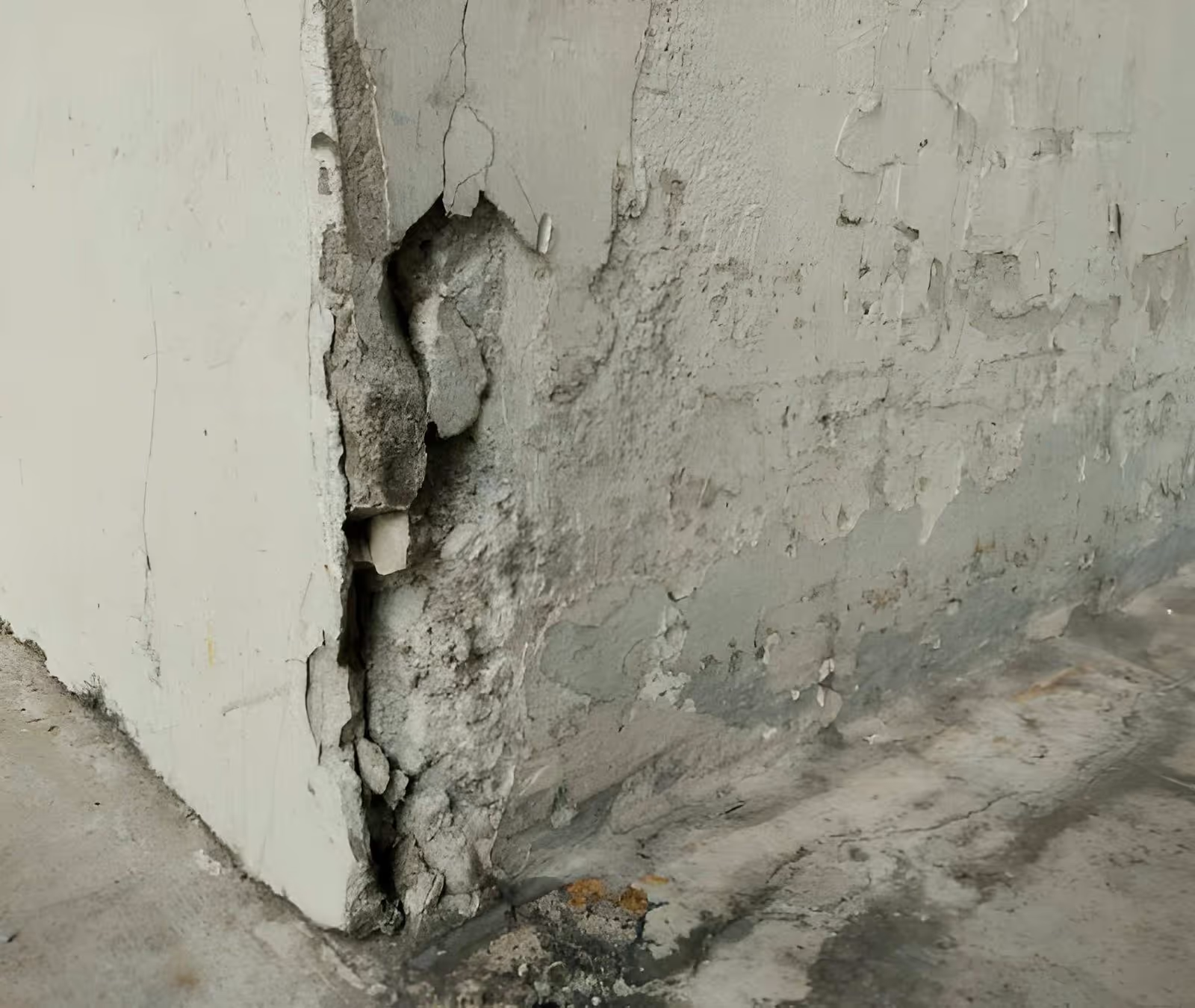
- Spalling: The breaking away or flaking of concrete surface material, often occurring at edges or where water has repeatedly frozen and thawed. Spalled areas are not only unsightly but expose the concrete underneath to further damage.
- Step Cracks: Diagonal cracks that often indicate foundation settling or structural movement. These are more serious than random cracks and warrant professional assessment.
- Map Cracking: A network of interconnected fine cracks that resemble a road map. This pattern typically indicates surface damage, poor concrete quality, or incompatible sealers applied to the floor.
- Pitting and Corrosion: Small holes or worn areas in the concrete surface, often caused by road salt, harsh chemicals, or freeze-thaw damage. This is particularly common in Herndon garages where winter road treatment chemicals can be tracked inside.
Our Concrete Repair and Crack Treatment Process
Garage Design Source approaches every concrete repair project with the same attention to detail and quality standards that define our entire business. Our process begins with a thorough inspection and assessment, moves through precise preparation and routing, and concludes with lasting solutions tailored to each specific situation.
Step 1: Professional Inspection and Assessment
Every repair begins with a comprehensive evaluation of your concrete floor. Our team examines the extent and nature of all cracks, determining their depth, direction, and whether they are active or stable. We assess moisture levels in the concrete and look for underlying causes such as poor drainage, soil settling, or inadequate base preparation. This detailed inspection allows us to recommend the most appropriate treatment method for your specific situation. We also identify any related issues that might affect the longevity of repairs, such as water intrusion points or structural concerns that may require attention.
Step 2: Surface Preparation and Cleaning
Proper preparation is essential for any concrete repair to last. We thoroughly clean the entire garage floor, removing dirt, debris, oil stains, and any existing coatings that might interfere with new repair materials. For cracked areas, we use specialized equipment to remove any loose concrete and ensure the crack surface is clean and free of contaminants. This step might include pressure washing, grinding, or vacuuming depending on the condition of your floor. The cleaner and more properly prepared the surface, the better the repair materials will bond and perform.
Step 3: Crack Routing and Preparation
For cracks that require injection or filling, we route the crack to create a V-shaped groove that provides better material adhesion and structural strength. The width and depth of the route depend on the crack characteristics and the repair method we've selected. This routing process removes any additional loose material and creates an optimal channel for the repair compound. After routing, we vacuum the crack thoroughly to remove all dust and debris, ensuring maximum contact between the repair material and the concrete surfaces.
Step 4: Injection Methods - Epoxy and Polyurethane
We employ two primary injection methods depending on your specific needs and crack characteristics.
Epoxy Injection: Epoxy is ideal for structural cracks and situations where maximum strength is required. It creates a rigid bond that essentially welds the concrete back together, restoring the floor's structural integrity. Epoxy works best for stable cracks - those that are not actively moving or widening. Once cured, epoxy becomes harder than the surrounding concrete itself, making it an excellent choice for cracks in high-traffic areas or where vehicles will be driven. The epoxy is injected under pressure to ensure it fills the entire depth and length of the crack, creating a continuous sealed and strengthened pathway.
Polyurethane Injection: Polyurethane is our preferred solution for active cracks that continue to experience movement. Unlike epoxy's rigid strength, polyurethane retains some flexibility, allowing it to accommodate the slight expansion and contraction that occurs in concrete. It also has superior water repellency, making it excellent for preventing moisture infiltration. Polyurethane expands slightly as it cures, which helps it fill even the smallest voids within the crack. For cracks in Herndon garages where freeze-thaw cycles and seasonal movement are ongoing concerns, polyurethane often provides superior long-term performance.
Step 5: Patching and Leveling for Spalled Areas
Areas where concrete has spalled or deteriorated require different treatment than simple cracks. We remove all damaged material, creating clean, squared edges around the affected area. The exposed surface is then cleaned thoroughly and primed if necessary. We apply specialized concrete patching compounds that match your existing concrete color and texture. These compounds are formulated to bond securely to the existing concrete while providing superior durability. For larger spalled areas or those affecting floor levelness, we carefully build up the patch to ensure your floor remains even and safe for driving and walking.
Protective Coatings for Long-Term Protection
After crack repair, we recommend applying protective coatings to your entire garage floor. These coatings serve multiple important purposes: they seal the concrete against future moisture intrusion, protect against staining and chemical damage, and create a finished appearance that transforms your garage space.
Epoxy Floor Coatings: Our premium epoxy coatings create a durable, attractive surface that resists staining, chemical spills, and heavy traffic. Epoxy comes in various finishes - from high-gloss to satin - and multiple colors, allowing you to customize the look of your garage. The coating is UV-stable, meaning it won't yellow or fade over time when exposed to sunlight. Epoxy is particularly popular with homeowners who want a polished, professional appearance in their garage.
Polyaspartic Coatings: For those who want faster installation with minimal downtime, polyaspartic coatings offer excellent durability with a quicker cure time than epoxy. These coatings provide superior UV resistance and can be applied in cooler temperatures, which is valuable during Northern Virginia's variable spring and fall weather. Polyaspartic finishes are available in numerous colors and can include slip-resistant additives for safety.
Polyurea Coatings: Polyurea represents our highest-performance coating option, offering exceptional chemical resistance, flexibility, and durability. These coatings cure extremely quickly, sometimes in hours rather than days, getting your garage back in use faster. Polyurea is ideal for commercial garage spaces or homeowners with heavy-duty needs.
Beyond appearance, these coatings are essential for the longevity of your crack repairs. They prevent water from entering repaired cracks, seal the entire concrete surface against moisture, and protect your concrete investment from road salt, automotive fluids, and weathering.
Timeline and Cure Time Expectations
Understanding the timeline for your concrete repair project helps you plan accordingly. Most crack repairs can be completed in a single day, though cure times vary depending on the method used and environmental conditions.
Epoxy Injection: Once injected, epoxy typically begins to harden within 24-48 hours but continues curing for up to 7 days. During the initial 24-48 hours, the floor should not bear significant weight or traffic. You can resume light traffic after 48 hours, but full cure and maximum strength are achieved after approximately one week.
Polyurethane Injection: Polyurethane cures faster than epoxy, often reaching initial hardness within 4-8 hours. You can typically resume normal garage use after 24 hours, though full cure may take several days depending on humidity and temperature conditions.
Spall Patching: Concrete patching compounds vary in cure time. Some fast-setting formulations harden within hours, while others require 24-48 hours for adequate strength. We will inform you of the specific cure time for any patches we apply to your floor.
Coating Application: If you opt for protective coatings over your repaired areas, cure times range from 24-72 hours depending on the coating type, temperature, and humidity. During cure, foot traffic should be minimized and vehicle use should be avoided. We will provide specific guidance based on the coating system selected.
Weather conditions in Northern Virginia can affect cure times, particularly during cold, humid months. Garage Design Source schedules and coordinates all work with weather considerations in mind to ensure optimal results.
Factors That Influence Repair Costs
Several variables affect the scope and cost of concrete repair projects. Understanding these factors helps you anticipate what your specific situation may require.
- Crack Length and Depth: More extensive cracks require more material and labor time. Deep cracks that penetrate the full thickness of the concrete require thorough routing and injection to ensure proper repair.
- Number of Affected Areas: Garages with multiple cracks or spalled regions require more comprehensive treatment than a single isolated crack.
- Repair Method Selected: Epoxy injection, polyurethane injection, and polyurea patching each have different material and labor costs. The most appropriate method depends on crack type and your specific needs.
- Additional Preparation Needs: Floors with heavy oil staining, existing coatings, or significant contamination require additional preparation time and may involve specialized cleaning equipment.
- Protective Coating: Adding a coating system to sealed cracks increases the total project investment but dramatically extends protection and improves appearance.
- Accessibility and Floor Complexity: Unusual garage layouts, existing storage systems, or limited access points may affect project pricing.
During your consultation, our team will provide a detailed estimate based on these factors, explaining exactly what work will be performed and why.
Warranties and Durability Expectations
Garage Design Source stands behind our repair work. The specific warranty varies depending on the repair method and materials used, but we typically guarantee our crack injection work for a defined period, assuming normal use and proper maintenance. We will explain the warranty coverage for your specific project in detail before work begins.
The longevity of concrete repairs depends on several factors: the quality of the initial repair, environmental conditions, maintenance practices, and whether protective coatings are applied. Properly executed epoxy or polyurethane injections, when protected by appropriate coatings, typically last many years. Regular maintenance - which we detail below - significantly extends the life of your repairs.
If you opt not to apply protective coatings over repaired areas, those specific repairs may be more vulnerable to moisture re-entry and freeze-thaw damage over time. We recommend discussing the long-term maintenance of your repaired floor with our team.
Maintenance Tips for Long-Term Floor Health
Protecting your investment in concrete repair requires ongoing attention and simple maintenance practices.
- Regular Cleaning: Sweep your garage floor regularly to remove dirt, salt residue, and debris. During winter months, pay special attention to removing road salt tracked in on vehicle tires, as salt accelerates concrete deterioration. Wash the floor periodically with a neutral pH cleaner to remove embedded contaminants.
- Spill Management: Address fluid spills - oil, coolant, brake fluid, and other automotive liquids - promptly. Use absorbent materials to clean spills quickly, and avoid allowing spills to dry on the concrete surface. For stubborn stains, consult our team about appropriate cleaning methods.
- Moisture Control: Ensure your garage has adequate drainage and ventilation to prevent moisture accumulation. During humid months, use a dehumidifier if water staining or dampness becomes an issue. Proper drainage around your garage foundation prevents water from seeping through the floor.
- Avoid Harsh Chemicals: Do not use acidic cleaners or harsh solvents on epoxy or polyurethane-coated floors, as these can damage the protective coating. Stick to mild soaps and neutral pH cleaners recommended for the specific coating system we've installed.
- Monitor for New Damage: Regularly inspect your repaired floor for any new cracks or signs of deterioration. Early detection of new issues allows for prompt repair before they become more serious.
- Seasonal Preparation: Before winter, ensure your garage floor is clean and dry. If additional cracks develop or existing repairs show signs of wear, contact us for assessment and maintenance work.
Why Choose Garage Design Source for Concrete Repair
Your garage is a significant part of your home, and the work you do there - whether parking vehicles, working on projects, or storing important items - deserves a quality surface. Garage Design Source brings over two decades of specialization in garage solutions, including the expertise to properly diagnose and repair concrete issues. We're locally owned and operated right here in the Washington D.C. metro region, serving Herndon and surrounding Northern Virginia communities.
Our approach to concrete repair reflects the same commitment to quality and attention to detail that defines all our garage transformation services. We don't cut corners or apply quick fixes that fail within a year. Instead, we properly assess your concrete, recommend the most effective repair method for your specific situation, execute the work with precision, and recommend protective measures that ensure lasting results.
When you choose Garage Design Source for concrete repair and crack treatment in Herndon, VA, you're choosing a specialized contractor who understands garage surfaces and understands your community's specific environmental challenges. We'll help your garage floor become the solid, attractive foundation for whatever you use your garage for - whether it's a showcase space for vehicles, a functional workshop, or organized storage.