.svg)
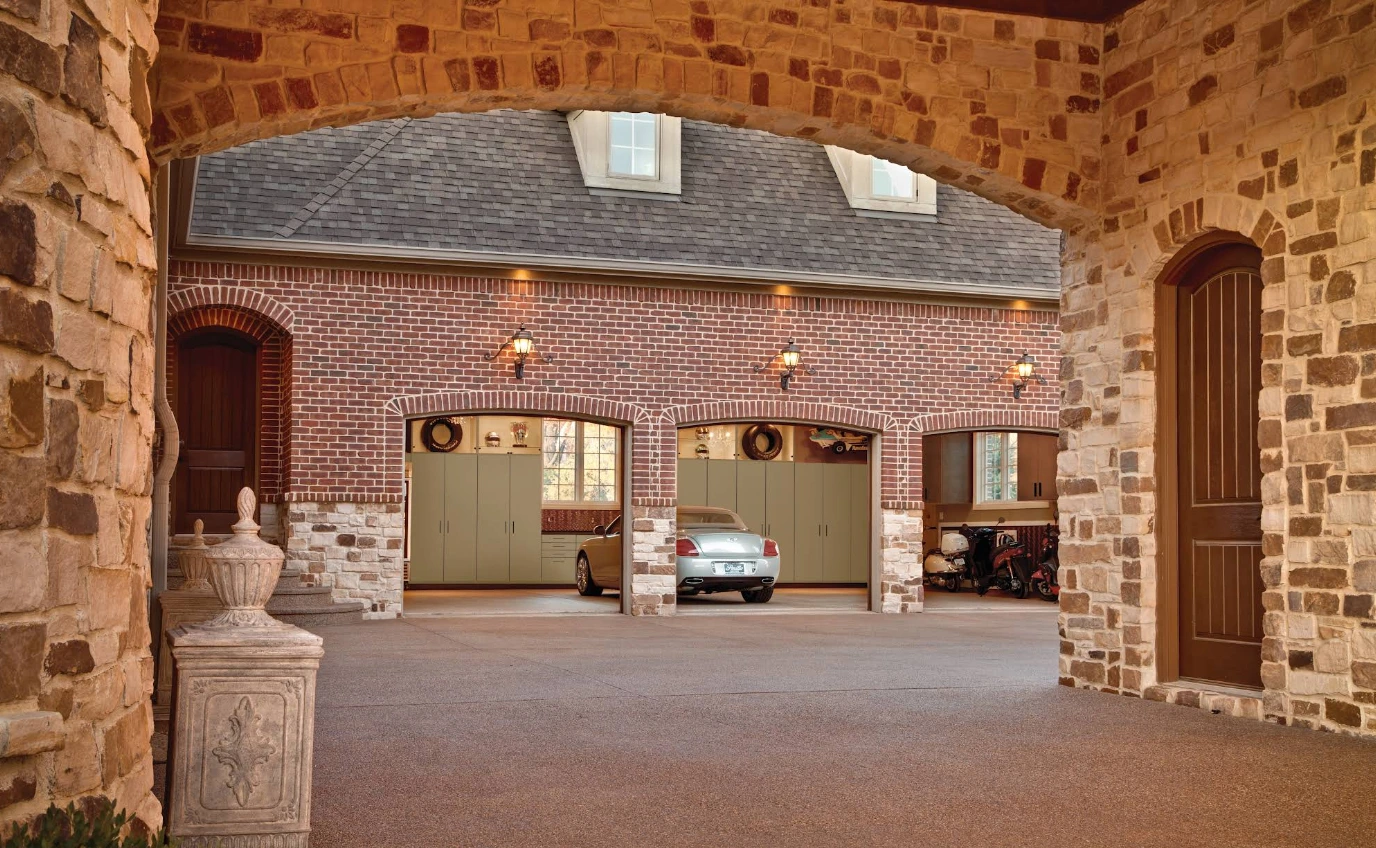
Your garage floor is one of the hardest working surfaces in your home. Day after day, it supports the weight of vehicles, handles temperature fluctuations, and endures exposure to salt, oil, and moisture. Over time, even the most durable concrete can develop cracks, spalling, and other damage that compromise both its appearance and structural integrity. If you're noticing visible cracks, uneven areas, or deteriorating sections in your Middleburg garage floor, professional concrete repair and crack treatment can restore both the function and aesthetics of your space.
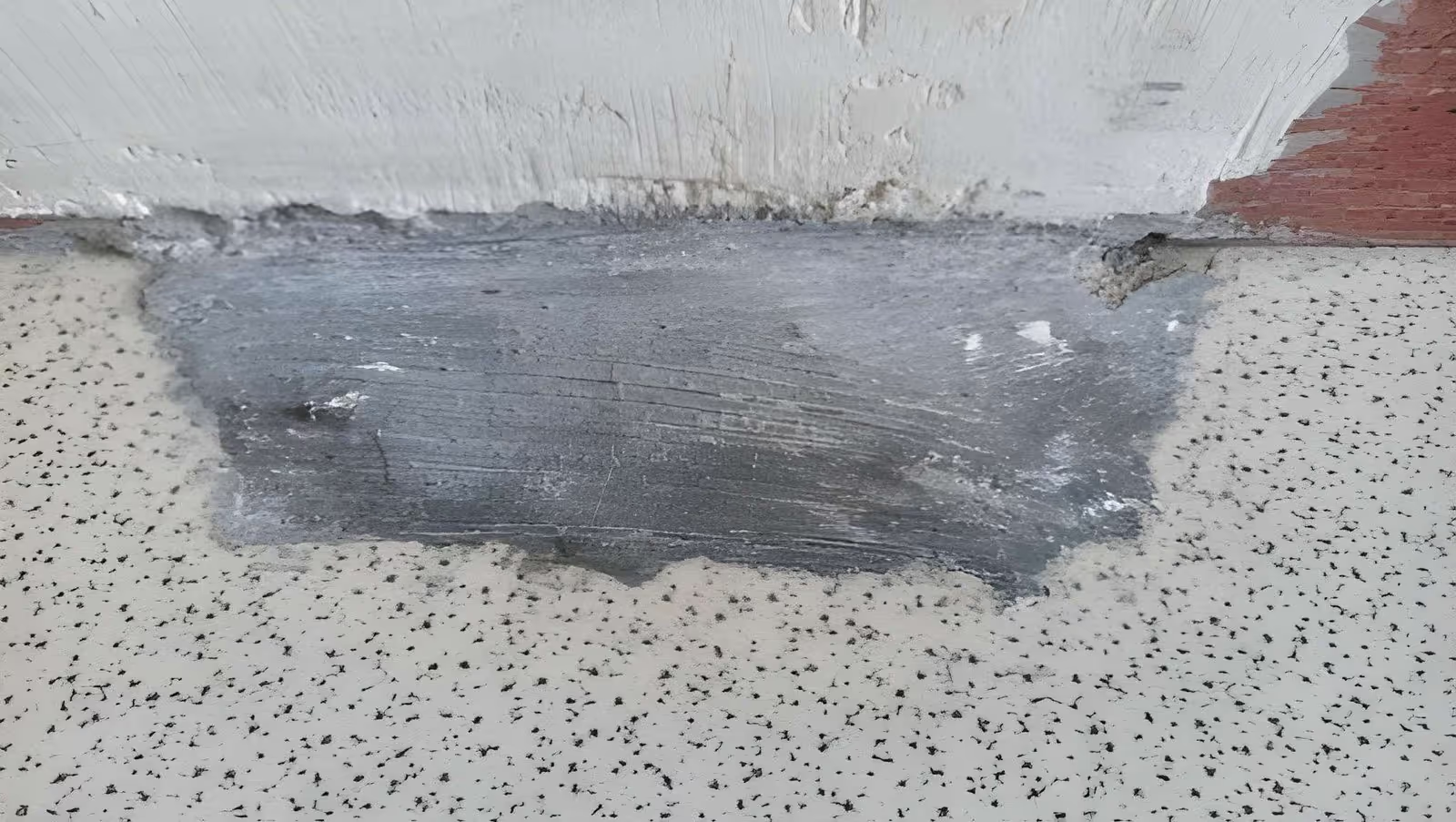
Concrete Repair & Crack Treatment in Middleburg, VA
Your garage floor is one of the hardest working surfaces in your home. Day after day, it supports the weight of vehicles, handles temperature fluctuations, and endures exposure to salt, oil, and moisture. Over time, even the most durable concrete can develop cracks, spalling, and other damage that compromise both its appearance and structural integrity. If you're noticing visible cracks, uneven areas, or deteriorating sections in your Middleburg garage floor, professional concrete repair and crack treatment can restore both the function and aesthetics of your space.
At Garage Design Source, we understand that a damaged concrete floor detracts from the polished look you've worked to achieve in your garage. Whether you're dealing with hairline cracks from natural concrete settling or larger structural issues from freeze-thaw cycles common in Northern Virginia, our concrete repair and crack treatment services address the root cause and deliver lasting results. As specialists in garage transformations, we know that flooring is the foundation of any quality garage environment.
Understanding Concrete Damage in Northern Virginia
The Middleburg area experiences significant seasonal variations that directly impact concrete durability. Winter freeze-thaw cycles cause moisture trapped in concrete pores to expand and contract, creating stress that leads to cracking. Spring and summer bring heavy moisture and temperature swings, while road salt and de-icing chemicals tracked into garages accelerate surface deterioration. These regional climate factors make concrete repair an essential part of garage maintenance for homeowners throughout Northern Virginia.
Concrete cracks develop in several ways. Some are cosmetic - hairline fractures that result from normal concrete curing and settling. Others are functional concerns - wider cracks that allow water infiltration, dust penetration, or indicate underlying movement. Understanding the type and severity of your concrete damage is the first step toward selecting the right repair solution.
Types of Concrete Damage We Treat
Concrete floor damage takes many forms, and each requires a different approach:
- Hairline cracks - Thin surface cracks, typically less than 1/8 inch wide, that result from concrete shrinkage during curing. While often cosmetic, they can allow moisture and contaminants to penetrate deeper into the concrete.
- Structural cracks - Wider cracks (1/8 inch and larger) that indicate structural movement or stress. These require more robust repair methods to prevent continued spreading.
- Spalling - Areas where the concrete surface has broken away or flaked off, exposing the substrate beneath. This is common in freeze-thaw zones and compromises both appearance and durability.
- Pitting and scaling - Surface degradation from salt exposure and moisture damage, creating a rough, deteriorated appearance.
- Uneven or settlement damage - Areas where concrete has shifted or settled unevenly, creating trip hazards and water pooling.
- Stains and discoloration - While not structural damage, staining from oil, rust, or water marks affects the visual appeal of your garage floor.
Each of these issues can be addressed through targeted repair and treatment methods that restore your floor's appearance and prevent further deterioration.
The Concrete Inspection & Assessment Process
Before recommending any repair approach, we conduct a thorough inspection of your concrete floor to determine the extent and cause of the damage. This diagnostic step is critical - the wrong repair method on the wrong problem creates wasted expense and disappointing results.
During the inspection, we evaluate crack patterns to identify whether damage is cosmetic settling or indicative of structural movement. We assess moisture levels, which influence whether surface-level treatment or deeper injection methods are appropriate. We check for spalling severity and determine whether localized patching or broader resurfacing makes sense for your specific situation. We also consider the age of your floor, the presence of any existing coatings, and your long-term plans for the space.
This assessment informs our recommendation for the repair method that delivers the best value and longevity for your specific concrete condition. We explain our findings in straightforward terms so you understand exactly what needs to be addressed and why.
Crack Routing & Injection Methods
Once we've identified the cracking pattern and severity, we prepare the cracks for treatment using methods matched to the specific damage.
Crack Routing involves cutting a uniform, V-shaped channel along the length of the crack. This widening accomplishes several things: it creates more surface area for repair material adhesion, it removes any debris or loose concrete from the crack, and it creates a consistent pathway for injection or sealant application. The routed channel is then thoroughly cleaned to remove dust and contaminants that could interfere with bonding.
Epoxy Injection is our most common method for structural cracks. Epoxy is a two-part adhesive that bonds to concrete with exceptional strength, essentially welding the crack together. The epoxy is injected under pressure into the routed channel, filling the entire depth of the crack and creating a repair that is nearly as strong as the original concrete. Epoxy works best on cracks that are dry or only moderately damp.
Polyurethane Injection is used when moisture is present or when flexibility is more important than maximum rigidity. Polyurethane expands slightly as it cures, which helps it fill secondary voids and microcracks adjacent to the main fracture. It also remains somewhat flexible, which is beneficial in areas where concrete might continue to move slightly. Polyurethane is an excellent choice for cracks in active freeze-thaw environments like Middleburg.
Both epoxy and polyurethane create waterproof seals that prevent moisture infiltration and stop further deterioration at the crack site. The choice between them depends on moisture conditions, the specific location of the crack, and whether flexibility or maximum rigidity is the priority.
Surface Preparation & Cleaning
Proper surface preparation is non-negotiable for concrete repair success. Before any repair work begins, we thoroughly clean your floor to remove oils, dust, debris, and any loose concrete. A contaminated surface will cause repair materials to fail prematurely, so this step directly determines how long your repairs last.
We use pressure washing and specialized cleaning equipment to prepare the concrete surface. For areas with significant oil or chemical staining, we apply appropriate cleaners that break down residues without damaging the concrete itself. All cleaned areas are allowed to dry completely - moisture on the surface interferes with adhesion of epoxy, polyurethane, and patching compounds.
This preparation process removes not just visible dirt, but the microscopic contaminants that affect material bonding. It's the foundation for repair work that actually lasts.
Patching & Leveling Spalled Areas
Spalling - where concrete has broken away or flaked off - requires a different approach than crack treatment. Spalled areas expose bare concrete and are often accompanied by scaling and roughness that creates a poor appearance and can trap moisture.
For spalled areas, we first remove any remaining loose or damaged concrete, creating clean, defined edges. The exposed area is then cleaned thoroughly and primed with a concrete bonding agent. We then apply a high-quality concrete patching compound that is matched to your existing concrete in both color and performance characteristics. The patch is leveled flush with the surrounding floor and finished to create a seamless appearance.
For larger spalled areas or those with significant depth, we may recommend polyester or epoxy-based patching systems that offer superior durability and bonding compared to standard concrete patches. These premium patches resist future scaling and weathering better than basic repairs.
After patching cures fully, we can assess whether the repaired area benefits from a protective coating to match your overall flooring strategy.
Protective Coatings & Long-Term Durability
Concrete repair extends beyond just fixing existing damage - it includes protecting against future deterioration. Once cracks are sealed and spalls are patched, we recommend a protective coating system to shield your concrete from the elements and the wear of daily use.
Epoxy Coatings create a hard, glossy finish that resists oil stains, chemical spills, and water penetration. Epoxy is durable, attractive, and provides excellent chemical resistance - making it ideal for garages where automotive fluids might spill. The glossy finish is easy to clean and maintains its appearance with basic maintenance.
Polyaspartic Coatings offer similar benefits to epoxy with added flexibility and faster cure times. Polyaspartic is an excellent choice in Northern Virginia because its flexibility handles the freeze-thaw stresses that crack uncoated concrete. It cures to a hard finish in 24 hours or less, minimizing disruption to your garage use.
Polyurea Coatings provide maximum durability and fastest cure times - some polyurea systems are ready for vehicle traffic within 24 hours. Polyurea is incredibly tough and is often chosen by homeowners who want the ultimate in protection and performance.
Each coating system creates a sealed surface that prevents moisture infiltration, stops further concrete deterioration, and makes the floor significantly easier to clean and maintain. A properly coated floor resists the freeze-thaw damage that continues to deteriorate unprotected concrete in Middleburg's climate.
The Concrete Repair Timeline & Cure Times
Understanding the timeline for concrete repair helps you plan around the work and know when your floor is ready for full use again.
The inspection and assessment phase typically takes 1-2 days. Once you've approved our recommendations, we schedule the repair work. The actual repair process - crack routing, injection, and patching - usually takes 1-3 days depending on the extent of damage and the size of your floor.
After repair work is complete, cure times depend on the materials used. Epoxy injection typically cures to full strength within 24-48 hours. Polyurethane injection cures more slowly - usually 3-7 days to reach full strength, though it can support light use sooner. Concrete patches require 24-48 hours before light use and 7 days before the area can be fully loaded.
If a protective coating is applied after repairs, add another 1-3 days depending on the coating system. Most modern epoxy and polyaspartic coatings cure in 24 hours and are ready for vehicle traffic. Polyurea can cure even faster.
From start to finish, a typical concrete repair and coating project in Middleburg takes 5-10 days, with most of that being cure time rather than active work time. We discuss realistic timelines during your initial consultation so you can plan accordingly.
Factors That Influence Repair Costs
Concrete repair pricing depends on several variables specific to your situation. Understanding these factors helps you make informed decisions about your repair approach.
Crack severity and extent - The total linear feet of cracking and the average width of cracks directly affects the amount of routing, cleaning, and injection material required. A floor with extensive fine cracking costs more to treat than one with a few isolated cracks.
Spalling scope - The total area of spalling, the depth of damage, and whether patching is surface-level or requires deep reconstruction affects labor time and material costs.
Concrete condition - Floors with extensive moisture issues, multiple problem areas, or underlying structural concerns require more thorough preparation and may need different repair methods.
Coating selection - If you choose to protect your repairs with a coating system, the type of coating affects the overall project cost. Premium polyurea systems cost more than standard epoxy, but offer faster cure times and maximum durability.
Floor size - Larger floors naturally require more material and labor time.
Access and complexity - Floors with obstacles, narrow spaces, or challenging layouts may require more time to repair.
During your initial consultation, we provide a detailed estimate that breaks down costs by repair method, materials, and timeline. This transparency helps you understand exactly where your investment is going and what you're getting for it.
Warranties & Performance Guarantees
We stand behind the quality of our concrete repair work. All crack injection work is backed by a warranty that guarantees the injected material bonds properly and the crack remains sealed against moisture infiltration. Patching work is guaranteed against premature failure due to material defect or improper application.
The specific warranty terms depend on the repair methods used and any coating systems applied. We discuss warranty coverage in detail during your consultation so you understand exactly what's protected and for how long.
This warranty support gives you peace of mind that if something does go wrong with the repair, we'll address it. It's part of our commitment as a locally-owned business to deliver results that our Middleburg neighbors can rely on.
Maintenance After Concrete Repair
Once your concrete repairs are complete, ongoing maintenance keeps your floor looking great and prevents new damage from developing.
For sealed or coated floors, regular cleaning with mild soap and water keeps the surface attractive. Avoid harsh acidic cleaners or abrasive scrubbing, which can damage the coating. For stubborn stains, we can recommend appropriate cleaners that won't compromise your floor's finish.
Inspect your floor periodically - especially in spring and fall when freeze-thaw cycles are most active - to catch any new cracks early. Small cracks are easier and less expensive to repair than larger ones that have had time to spread.
Keep water from pooling on your floor. Even sealed concrete can deteriorate if water sits on the surface for extended periods. Ensure your garage floor slopes slightly toward the door or toward drains if applicable, and clean up spills promptly.
Avoid parking vehicles with serious oil leaks in the same spot repeatedly. While a sealed floor resists staining, concentrated oil exposure can eventually penetrate even quality coatings. Use cardboard or absorbent material under leaking vehicles.
These simple maintenance practices extend the life of your repair work and keep your garage floor looking great for years.
Why Choose Garage Design Source for Concrete Repair
As specialists in garage transformations, we understand that your floor is part of a larger vision for your garage space. Whether you're planning a complete floor coating system or simply addressing damage from years of use, we approach concrete repair with the same attention to quality that defines everything Garage Design Source does.
We're locally owned and operated in the Washington D.C. metro region, including serving Middleburg and throughout Northern Virginia. That local presence means we understand the specific challenges that concrete faces in our climate - the freeze-thaw cycles, the road salt, the moisture issues. We've repaired hundreds of garage floors in this region and know what works and what doesn't.
Our team has the equipment and expertise to properly diagnose concrete damage and recommend repair methods that deliver real, lasting results. We don't just patch problems temporarily - we address root causes and protect against future deterioration. Whether you're dealing with a few minor cracks or extensive spalling and structural concerns, we have the experience to handle it.
We treat your garage project with the same professionalism and attention to detail whether you're scheduling a simple crack repair or planning a complete floor transformation. Our goal is to deliver a floor that looks great, performs reliably, and requires minimal ongoing maintenance.
Getting Started With Your Concrete Repair Project
If you're noticing cracks, spalling, or other damage in your Middleburg garage floor, the first step is a professional assessment. We'll inspect your concrete, identify what's happening, explain our findings in straightforward terms, and recommend repair approaches that match both your budget and your vision for your garage.
Contact Garage Design Source today to schedule your concrete inspection. We serve Middleburg, the broader Northern Virginia area, and the Washington D.C. metro region with the same quality and professionalism that homeowners and businesses have trusted since our founding.