.svg)
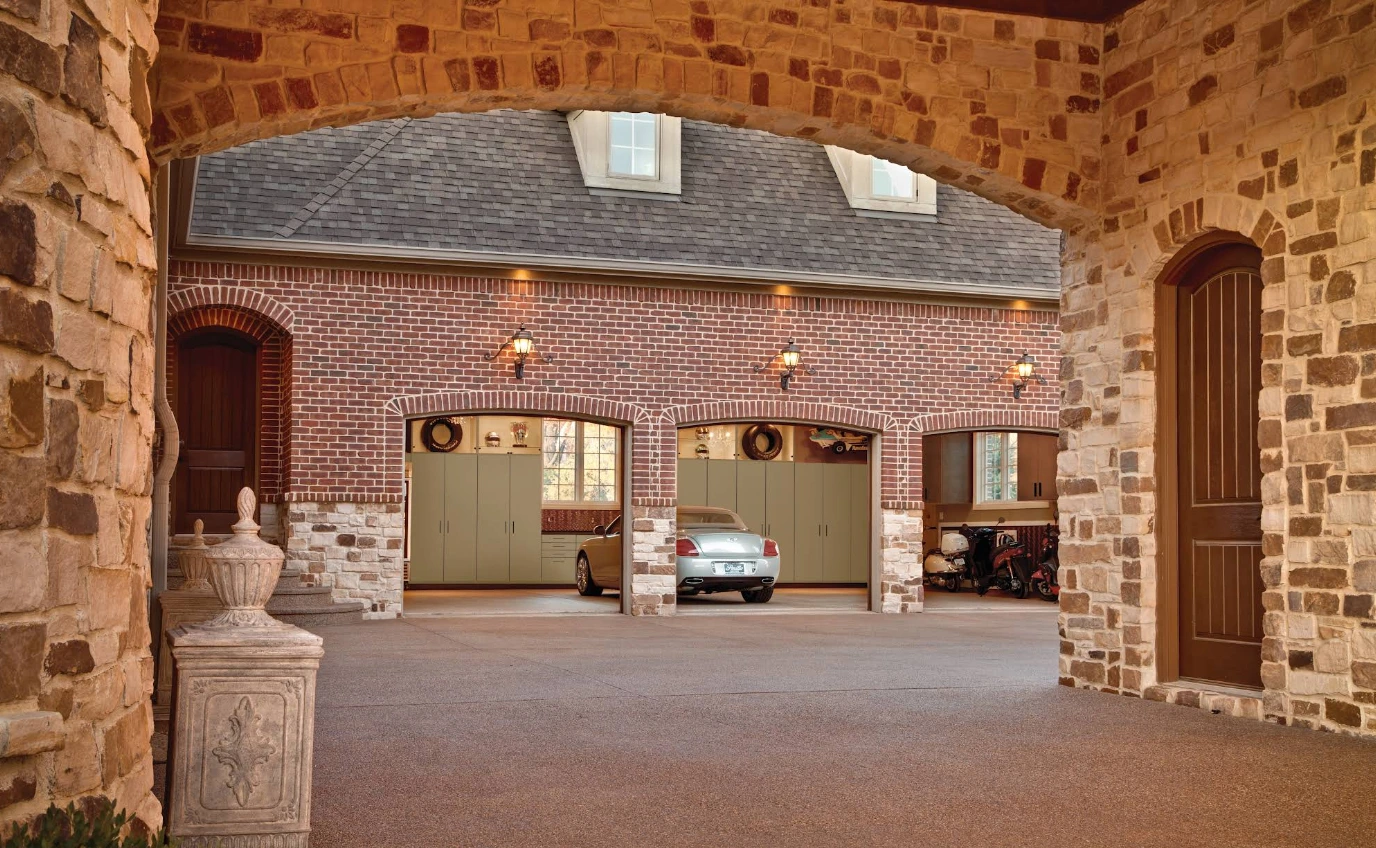
When you're ready to transform your garage floor with a professional coating system, the work that happens before the color goes down is just as important as the final finish. Moisture mitigation and surface preparation are the foundation of every successful garage floor project. At Garage Design Source, we understand that proper prep work determines whether your epoxy, polyaspartic, or polyurea coating will look stunning for years to come or fail prematurely due to moisture issues and poor adhesion.
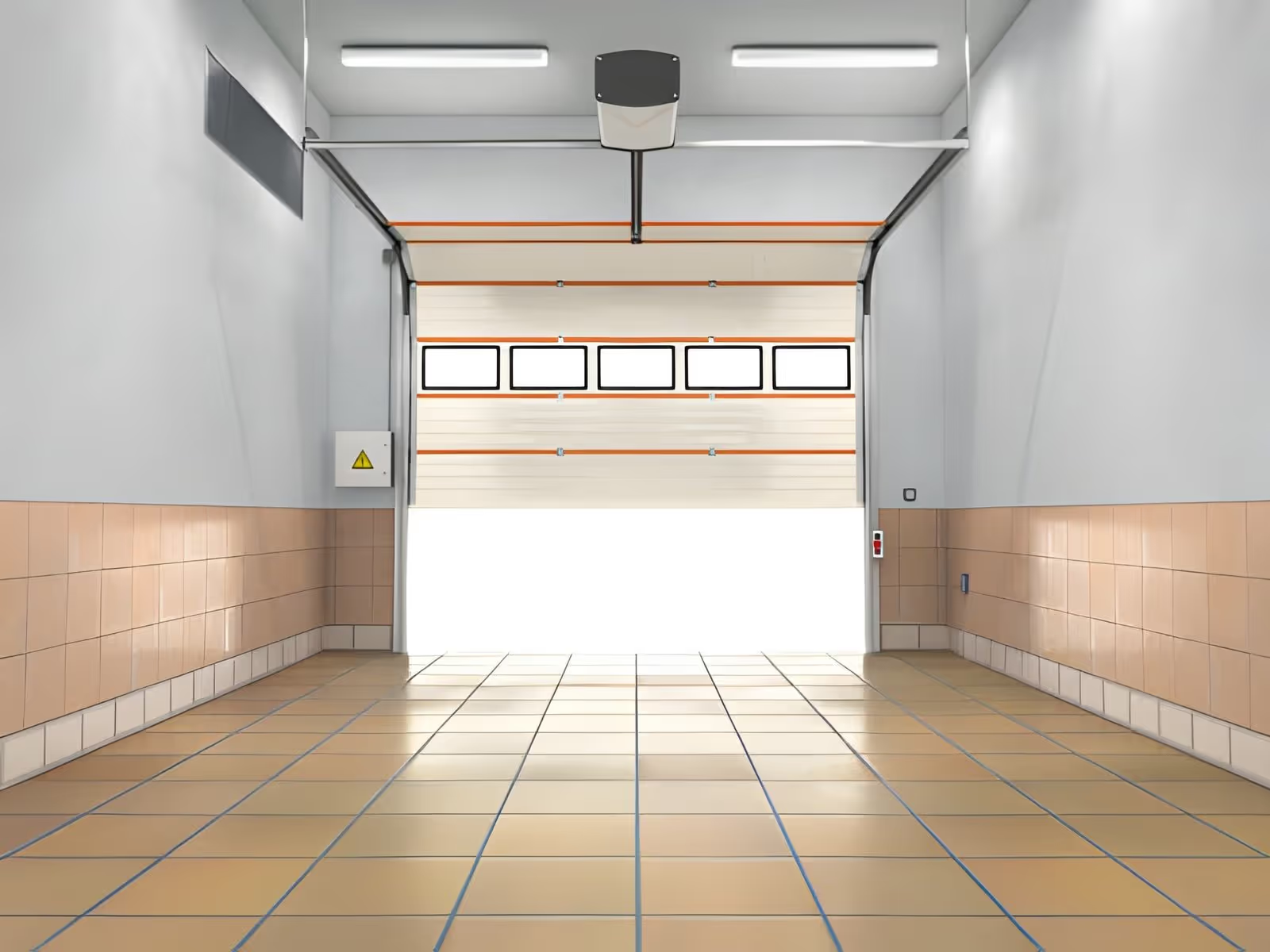
Moisture Mitigation & Surface Prep in Middleburg, VA
When you're ready to transform your garage floor with a professional coating system, the work that happens before the color goes down is just as important as the final finish. Moisture mitigation and surface preparation are the foundation of every successful garage floor project. At Garage Design Source, we understand that proper prep work determines whether your epoxy, polyaspartic, or polyurea coating will look stunning for years to come or fail prematurely due to moisture issues and poor adhesion.
Many homeowners in Middleburg, VA don't realize that concrete is naturally porous and absorbs moisture from the ground below. This moisture can wreak havoc on floor coatings if not properly managed. In Northern Virginia's climate, where humidity and seasonal water fluctuations are common, moisture mitigation becomes even more critical. Our team has seen beautiful coating jobs fail because the concrete wasn't properly tested, repaired, or prepared. That's why we invest significant time and expertise in these foundational steps before we ever mix your topcoat.
Why Moisture Mitigation Matters for Your Garage Floor
Concrete doesn't just sit on top of the ground - it wicks moisture up from below through capillary action. In Middleburg and the surrounding Northern Virginia area, groundwater levels and seasonal changes mean your concrete slab is in constant contact with moisture from the earth. When moisture migrates through concrete and gets trapped beneath a coating system, it creates bubbling, peeling, and adhesion failure. The coating literally floats away from the substrate because water molecules are pushing from underneath.
The problem is compounded by the fact that excess moisture is invisible. You can't see it with your naked eye. Many DIY projects fail or professional coatings underperform because homeowners skip moisture testing and proper substrate preparation. At Garage Design Source, we treat moisture mitigation as the essential first step, not an optional add-on.
Addressing moisture properly protects your investment. A coating system is only as good as what's underneath it. If you rush through prep work to save time or money, you'll pay the price when your beautiful new floor starts failing within months. Our approach ensures your coating system bonds properly to clean, dry, structurally sound concrete.
Moisture Testing - The Critical First Step
Before any surface preparation begins, we test your concrete slab for moisture content. This is non-negotiable. Several testing methods exist, and each provides valuable information about your specific situation.
Calcium Chloride Testing is a standard method that measures moisture vapor emission from the concrete. We place calcium chloride powder in sealed chambers on your concrete surface for 24 to 72 hours. The powder absorbs moisture, and we measure how much the powder's weight increased. This tells us the rate of moisture vapor transmission (MVER). For most epoxy and polyaspartic coatings, your concrete should test below 3 to 5 pounds per 1,000 square feet per 24 hours. Concrete that exceeds this threshold requires additional moisture barriers or a polyurea system, which is more moisture-tolerant.
Relative Humidity Testing uses electronic probes inserted into the concrete at various depths. This method tells us the humidity level within the concrete itself. It's increasingly preferred because it's faster than calcium chloride testing and provides real-time data. We look for concrete with relative humidity below 75 to 80 percent at the surface, depending on the coating system you choose.
Plastic Sheet Test is a simple visual indicator. We tape a clear plastic sheet to your concrete and leave it overnight. If condensation forms underneath the plastic the next morning, your concrete is actively releasing moisture. This test won't quantify the exact amount of moisture, but it clearly shows whether moisture mitigation is necessary.
Once we understand your concrete's moisture profile, we recommend the appropriate next steps. Some slabs simply need to dry out with improved ventilation and time. Others require installation of a moisture barrier beneath the coating. Still others are candidates for moisture-tolerant polyurea systems that can handle higher moisture levels.
Substrate Repair - Fixing the Foundation
After moisture testing, we assess the physical condition of your concrete. Cracks, spalling, joints, and surface damage need attention before coating application. Ignoring these issues means your coating won't have a uniform surface, and weak spots will continue to deteriorate.
Crack Repair is essential. Small hairline cracks seem harmless, but they're pathways for moisture, dust, and debris. We use epoxy or polyurea injection methods to seal and strengthen cracks. For wider cracks (wider than 1/8 inch), we may route out the crack to create a clean channel, then fill it with epoxy injection or specialized sealant. The goal is a solid, sealed substrate with no voids or weak points. In Middleburg, where seasonal temperature changes cause concrete to expand and contract, proper crack repair prevents further cracking and ensures your coating won't fail at these stress points.
Joint Repair addresses the seams between concrete sections. Garage floors often have control joints that prevent random cracking. We clean these joints thoroughly, removing dirt and old sealant, then apply appropriate fillers or sealers. Some joints benefit from routing - we widen and clean them before filling with epoxy or polyurea. Proper joint treatment ensures moisture doesn't migrate through these natural weak points and that the coating looks seamless.
Spalling and Surface Damage includes areas where concrete has chipped, flaked, or deteriorated. We grind out damaged areas to solid concrete, removing all loose material. These spots are then patched with epoxy concrete repair compound or self-leveling epoxy, creating a smooth, strong surface. High-traffic areas or spots where heavy items have damaged the concrete get special attention to ensure the repaired section is as durable as the surrounding floor.
Rust Stains and Discoloration sometimes indicate deeper issues. While cosmetic stains don't always require repair, rust stains from rebar or embedded metal suggest potential corrosion. We address the underlying cause - typically by sealing or injecting the area - before the coating goes down.
Taking time to properly repair the substrate is an investment in longevity. A floor that's properly repaired at this stage will look perfect under the new coating and will last significantly longer.
Mechanical Profiling - Creating the Right Surface Texture
Even concrete that's clean and structurally sound needs proper surface texture for coatings to bond effectively. Smooth, sealed, or polished concrete won't hold epoxy or polyurea coatings well. We mechanically profile the surface to create microscopic texture that allows the coating to grip the concrete.
Grinding is the most common profiling method for residential garage floors. We use diamond grinding equipment that removes the top layer of concrete, creating a uniform texture. The concrete dust generated during grinding is collected by industrial dust control systems to keep your garage clean during the process. Grinding typically takes several hours depending on your floor's size and condition. It removes any sealers, curing compounds, dirt, or contaminants while simultaneously creating the ideal surface profile. The grinding process also helps us identify any remaining moisture issues or weak spots that need attention before coating application.
Shot Blasting is another option, particularly for concrete with heavy buildup or previous coatings that are difficult to remove. Shot blasting uses small steel balls propelled at high velocity to impact the concrete surface, breaking it up and creating surface texture. It's extremely effective and creates excellent profile depth, but it's noisier and generates significant dust. Shot blasting is typically reserved for commercial projects or residential situations where the extra intensity is warranted.
Scarifying uses carbide tools to cut into the concrete surface. It's effective for light profiling but may be too aggressive for very thin concrete.
The goal of any profiling method is a consistent surface texture, typically measured as a profile depth of 1.5 to 3 mils (thousandths of an inch). Your coating system's specifications will dictate the exact profile needed. At Garage Design Source, we match our profiling approach to your chosen coating system and your concrete's specific condition.
Cleaning and Dust Control - The Final Surface Prep
After grinding or shot blasting, the concrete is covered in dust - fine particles from the grinding process and any existing surface contaminants. This dust must be completely removed before coating application.
Vacuuming with HEPA Filtration removes the bulk of dust and debris. We use industrial-grade vacuum systems with HEPA filtration to capture even fine particles, preventing them from escaping into your home or settling back onto the concrete.
Damp Wiping and Mopping removes residual dust and any moisture that collected during grinding. We use specialized cleaning solutions designed to remove residue without leaving protective film that might interfere with coating adhesion. This step typically happens the day before coating application or immediately before primer application, depending on your concrete's moisture situation.
Final Moisture Check happens right before coating. Even if we tested your concrete days earlier, we verify it's still within acceptable moisture parameters. Humidity changes, recent rain, or other factors can raise moisture levels. We measure again to ensure conditions are right for application.
A truly clean substrate is the bridge between solid preparation and perfect coating adhesion. Skipping or rushing this step is a common source of coating failure in projects that didn't use professional preparation protocols.
Moisture Barrier Solutions for Middleburg Homes
If your moisture testing reveals elevated moisture levels, a moisture barrier can be installed before your topcoat. Several options exist, each with different advantages.
Epoxy Moisture Barriers are thin epoxy systems specifically formulated to seal the concrete and prevent moisture vapor transmission. They're cost-effective and compatible with epoxy topcoats. The barrier is applied directly to the clean, profiled concrete and allowed to cure before the topcoat is applied. Epoxy barriers work well for moisture levels up to about 5 to 7 pounds per 1,000 square feet per 24 hours.
Polyurea Moisture Barriers offer better moisture tolerance and cure faster than epoxy barriers. They can handle higher moisture levels and create an excellent seal. Polyurea barriers are often chosen when you want added peace of mind or when your concrete tests at the upper limit of acceptable moisture.
Polyaspartic Moisture Barriers provide a middle ground between epoxy and polyurea options. They cure faster than epoxy, handle good moisture levels, and offer a smoother aesthetic.
Concrete Sealers and Primers with built-in moisture resistance are available from multiple manufacturers. These products are specifically designed to handle slight moisture issues while providing the primer function needed for topcoat adhesion.
The choice of moisture barrier depends on your concrete's moisture test results, your chosen topcoat system, your budget, and your project timeline. We recommend the appropriate barrier based on what we find during testing and preparation.
Primers and Adhesion Promoters - The Bridge Layer
Once the substrate is clean, repaired, and profiled, a primer creates the bridge between concrete and your topcoat. Primers serve multiple purposes: they seal the porous concrete, provide additional moisture resistance, and chemically bond the coating system to the substrate.
Epoxy Primers are standard for epoxy coating systems. They penetrate the concrete surface, fill small voids, and create a uniform base. Epoxy primers typically require 24 hours of cure time before topcoat application, though this varies by product. They're excellent for general-purpose use and work well in most garage environments.
Polyaspartic Primers cure faster than epoxy - typically in 4 to 8 hours - allowing quicker topcoat application. This speed is valuable when you want to complete your project faster. Polyaspartic primers maintain all the adhesion and moisture-sealing properties of epoxy primers but with accelerated timelines.
Polyurea Primers are specialized primers designed specifically for polyurea topcoat systems. They cure extremely quickly, sometimes in just 1 to 2 hours, and can handle the high moisture environments where polyurea excels.
The primer selected must be compatible with your chosen topcoat system. We never mix products from different systems, as compatibility issues can cause adhesion failure. When you choose an epoxy floor from Garage Design Source, we specify epoxy primer. Choose polyaspartic, and we use polyaspartic primer. Choose polyurea, and polyurea primer goes down first.
Recommended Epoxy Systems for Middleburg Installations
Epoxy Coating Systems are the most popular choice for residential garage floors. Epoxy provides excellent durability, attractive appearance, and good chemical resistance. For Middleburg homes, epoxy systems work well when concrete moisture levels are moderate and the garage environment is relatively controlled.
Typical epoxy systems include a two-part epoxy (resin and hardener mixed on site) that's applied at 3 to 6 mils thick. We apply primer first, then typically two coats of topcoat. Application requires careful control of temperature and humidity - epoxy performs best between 50 and 85 degrees Fahrenheit with humidity below 85 percent. Northern Virginia's climate accommodates epoxy well, especially if we schedule application during spring or fall when temperature and humidity are stable.
Epoxy systems cure in 24 to 48 hours, with full hardness reached in 5 to 7 days. During this cure period, the floor should not be used heavily. This extended timeline is one of epoxy's drawbacks if you need your garage functional quickly.
Epoxy durability is exceptional under normal residential use. Your floor will resist mild chemicals, resist staining, and maintain its appearance for 10 to 15 years or longer with proper maintenance. Epoxy is also available in numerous colors and finishes, from matte to high-gloss, with decorative flakes or solid colors.
Polyaspartic Coating Systems - Faster Installation
Polyaspartic Systems are chemically similar to polyurea but offer a middle ground in terms of cure speed and performance. Polyaspartic topcoats cure in 4 to 8 hours, compared to epoxy's 24 to 48 hours. This faster cure means your floor can return to light use the next day and full use within 24 hours.
Polyaspartic coatings perform excellently in Middleburg's climate. They resist UV fading better than epoxy, making them ideal if your garage has skylights or lots of natural light. They handle moisture well and provide durable protection comparable to epoxy.
The trade-off is that polyaspartic systems cost more than epoxy. The faster cure is worth the extra investment if your timeline is tight or if you prefer quicker project completion. Many of our Middleburg clients choose polyaspartic for the balance of fast installation and excellent performance.
Polyurea Coating Systems - Maximum Moisture Tolerance
Polyurea Systems are the premium option, with cure speeds measured in hours (sometimes less than an hour) and exceptional moisture tolerance. Polyurea can be applied even when concrete moisture levels are elevated, making it the choice for problematic moisture situations.
Polyurea provides the hardest, most impact-resistant finish available. In garages where heavy equipment, car lifts, or intense use is expected, polyurea delivers maximum durability. It also resists UV fading excellently and handles extreme temperature variations.
The premium price of polyurea is justified by its performance characteristics and rapid cure time. If you need your garage floor ready for use immediately or if your concrete has persistent moisture issues, polyurea is worth the investment.
Timeline Expectations for Complete Moisture Mitigation and Prep
Understanding the timeline helps you plan your garage transformation. Moisture mitigation and proper surface preparation typically require:
- Days 1-2: Moisture testing (calcium chloride or humidity probe testing)
- Day 3: Assessment of results, planning repairs if needed
- Days 4-7: Substrate repair (crack injection, joint sealing, spall repair) - timeline depends on repair scope
- Day 8: Mechanical profiling (grinding or shot blasting) - typically 4 to 8 hours
- Day 9: Final cleaning, dust removal, and moisture verification
- Day 10: Primer application (timing depends on product choice)
- Days 11-14: Topcoat application and cure (timing varies by coating system chosen)
For relatively clean, dry concrete, this timeline compresses to 5 to 7 days from first test to finished floor. Concrete requiring significant repair might extend to 2 to 3 weeks. We provide a detailed timeline estimate after we've evaluated your concrete's condition.
How Proper Preparation Affects Warranty
The quality of your moisture mitigation and surface preparation directly impacts your coating warranty. At Garage Design Source, we stand behind our work with warranties that cover adhesion failure, peeling, and premature wear. However, those warranties are only valid when proper preparation has been completed according to specifications.
Skipping moisture testing might save $200 upfront but voids your warranty protection. Inadequate grinding or poor surface cleaning creates conditions for coating failure that wouldn't be covered. Conversely, when we complete thorough preparation - testing, repair, profiling, and cleaning - your coating system comes with full confidence and warranty protection.
We document every step of the preparation process with photos and notes. This documentation protects both you and us by creating a record that proper protocols were followed. If any warranty issues arise, this documentation proves the foundation was properly prepared.
Common Preparation Challenges in Middleburg
Basements and Below-Grade Garages present special moisture challenges. If your garage is partially below ground level, elevated moisture is almost certain. Basements and below-grade spaces require moisture barriers and often benefit from polyurea systems because standard epoxy may not provide adequate protection in these high-moisture environments.
Heavily Sealed or Previously Coated Concrete needs aggressive profiling. Old coatings, sealers, or curing compounds must be completely removed. Sometimes this requires shot blasting rather than grinding to ensure the new coating has a proper substrate to bond to.
Stained or Discolored Concrete sometimes indicates moisture problems, prior spills, or surface contamination. We investigate the cause during substrate assessment and address any underlying issues before the coating goes down. Many discolorations are purely cosmetic and won't affect coating performance, but we verify rather than assume.
Concrete with Active Moisture Issues (water pooling, efflorescence, or persistent dampness) requires moisture barriers or polyurea systems. Our testing identifies these situations, and we prescribe the right solution rather than applying a standard epoxy system over problematic concrete.
Successful Project Examples
We've completed hundreds of garage floor projects in Middleburg and Northern Virginia. Projects that stand out share a common thread: thorough preparation before coating application. A residential project in nearby Leesburg involved a basement garage with elevated moisture readings. We installed a polyurea moisture barrier and applied polyurea topcoat, and the floor has remained perfect for three years despite that below-grade location.
Another Middleburg project involved an older garage with significant cracking in the concrete. We routed and filled every crack, ground the entire surface, and applied a two-part epoxy system with flakes. The transformation was dramatic - from a deteriorating concrete slab to a showroom-quality floor. That client's floor still looks flawless five years later, with no adhesion failure or peeling, because the preparation was done right.
A commercial project involved a lift-equipped garage requiring maximum durability and moisture tolerance. We tested concrete moisture, profiled aggressively, installed a polyurea moisture barrier, and applied polyurea topcoat. That floor handles daily equipment use without degradation because it was properly prepared for its intended use.
These successes aren't about magical coating products - they're about respecting the foundation and preparing it correctly. The best coating system in the world fails over inadequately prepared concrete. Proper moisture mitigation and surface preparation ensure that whatever coating system you choose performs beautifully for years.
Next Steps - Getting Your Garage Ready
Proper moisture mitigation and surface preparation are the invisible foundation of your garage floor transformation. While these steps happen behind the scenes and won't be visible in the final result, they determine whether your finished floor will be beautiful and durable for a decade or disappointing within months.
If you're considering a garage floor coating for your Middleburg home, moisture testing and substrate assessment should be your first step. Garage Design Source has the equipment, expertise, and experience to thoroughly evaluate your concrete and recommend the right preparation protocol and coating system for your specific situation. We don't assume all concrete is the same or take shortcuts with preparation. That commitment to proper foundational work is why our floors look perfect and last so long.