.svg)
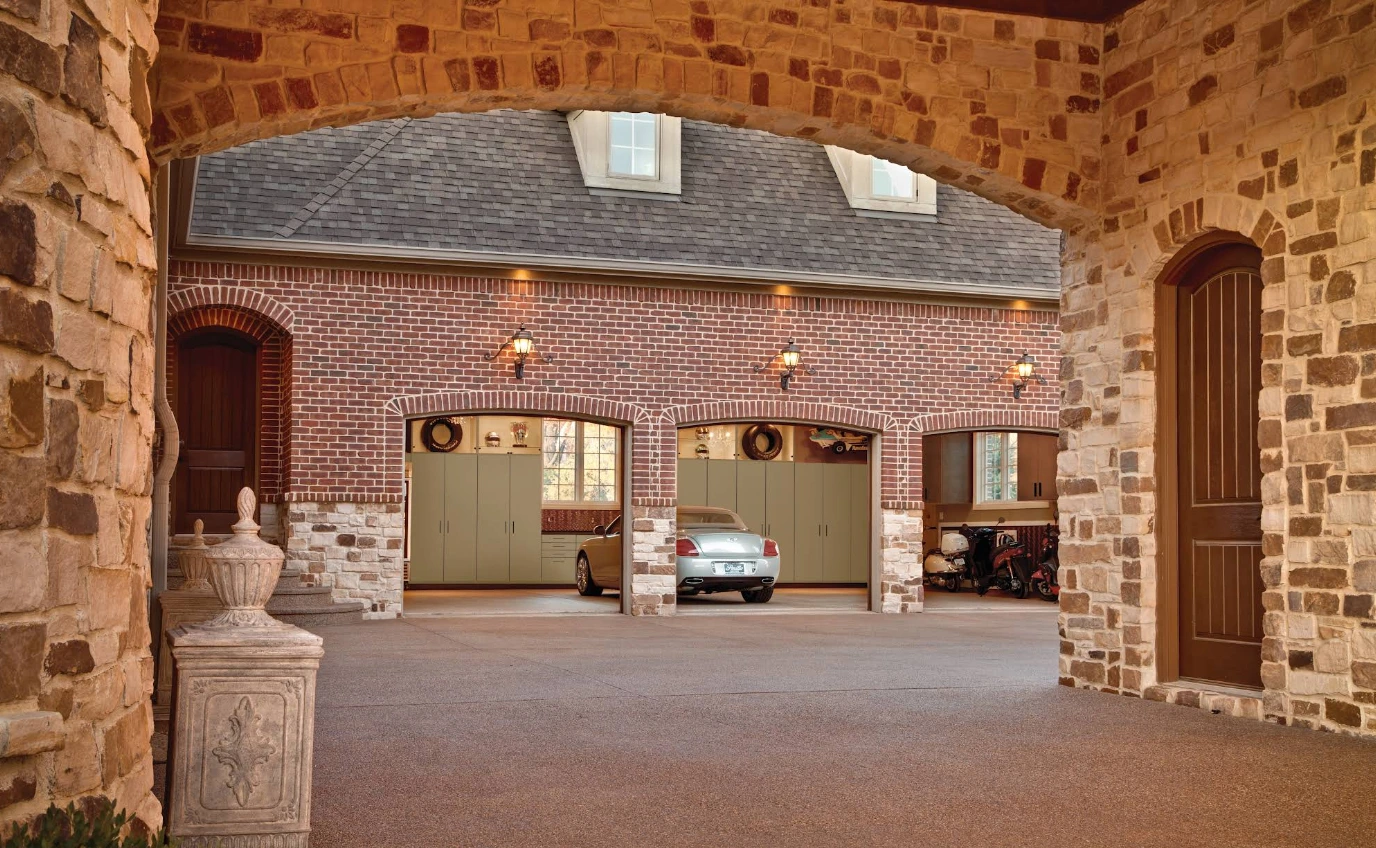
Your garage floor is often one of the first things you notice when you pull into your driveway - and one of the last things you want to think about. If your Reston home's concrete floor is stained, cracked, or simply uninspiring, an epoxy or decorative flake coating system can completely transform the space into something you'll actually be proud to show off. At Garage Design Source, we specialize in high-quality garage floor coatings that combine durability with visual appeal, giving your garage the premium finish it deserves.
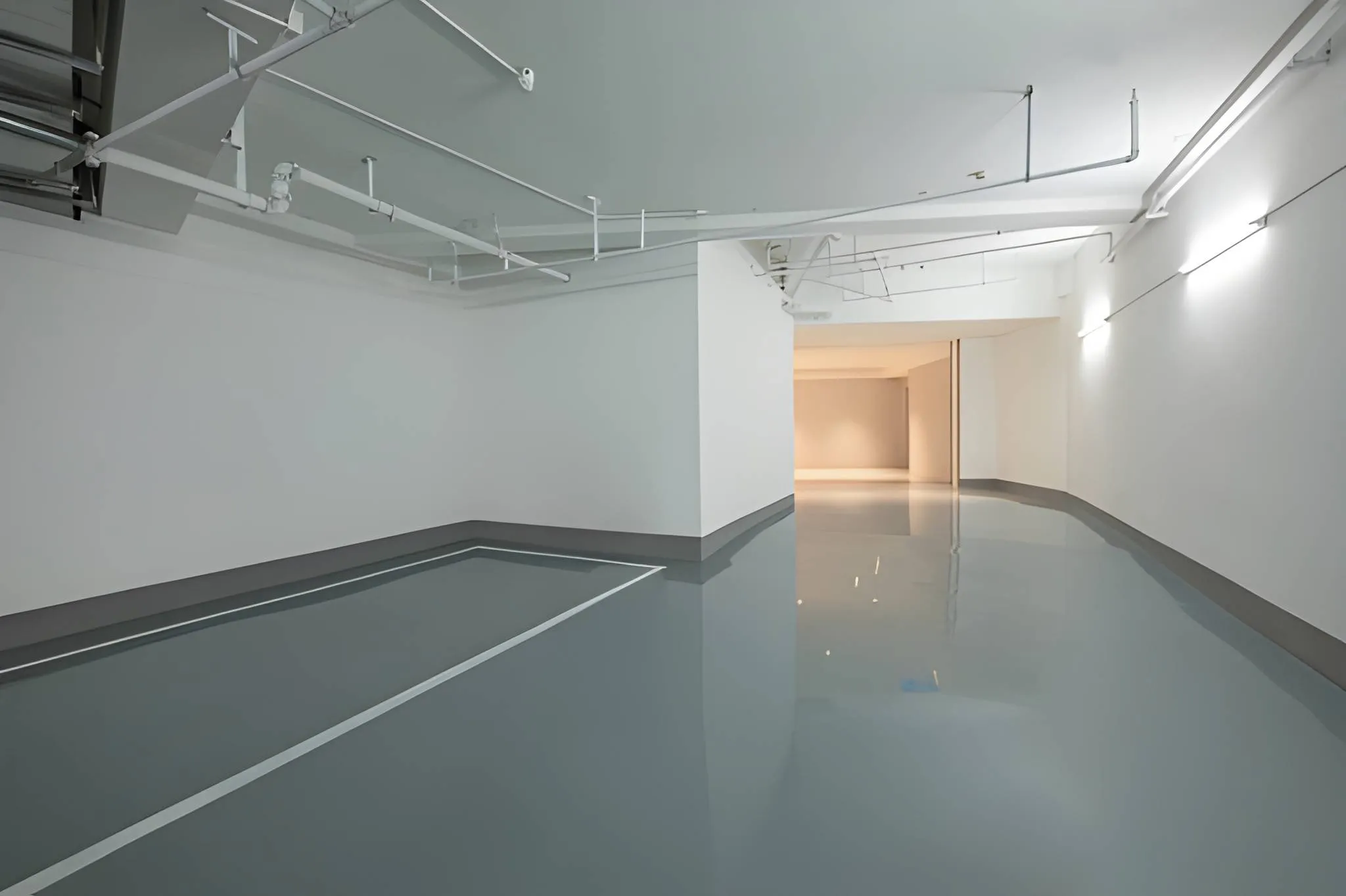
Epoxy & Decorative Flake Systems in Reston, VA
Your garage floor is often one of the first things you notice when you pull into your driveway - and one of the last things you want to think about. If your Reston home's concrete floor is stained, cracked, or simply uninspiring, an epoxy or decorative flake coating system can completely transform the space into something you'll actually be proud to show off. At Garage Design Source, we specialize in high-quality garage floor coatings that combine durability with visual appeal, giving your garage the premium finish it deserves.
A properly applied epoxy or polyaspartic floor coating does more than improve appearance. It protects your concrete investment, makes cleaning effortless, and adds real value to your home. Whether you're looking to create a showcase garage for your vehicles, establish a functional workshop, or simply upgrade your home's most overlooked room, understanding your coating options is the first step toward making the right choice for your Reston property.
Why Reston Homeowners Choose Professional Garage Floor Coatings
The Northern Virginia climate presents specific challenges for garage floors. Seasonal temperature fluctuations, moisture from humidity, and the occasional freeze-thaw cycle can take their toll on unprotected concrete. Road salt from winter driving also finds its way into garages, promoting deterioration and staining. A professional-grade epoxy or decorative flake system creates a protective barrier that resists these environmental stressors while standing up to the daily wear and tear of active garage use.
Many Reston homeowners initially dismiss their garage floor as a permanent eyesore - something to accept rather than improve. The reality is different. With modern coating technologies and professional application, transforming a tired concrete slab into a visually stunning, virtually maintenance-free surface is entirely achievable. Garage Design Source has been helping Northern Virginia residents reclaim this valuable space since our founding, and we understand exactly what works in our regional conditions.
Understanding Your Coating Chemistry Options
Not all garage floor coatings are created equal. The chemistry behind the coating determines its durability, appearance, cure time, and long-term performance. Understanding the differences helps you select the system that best matches your expectations and timeline.
Epoxy Coatings
Epoxy remains the most popular choice for garage floor coatings, and for good reason. This two-part system creates an exceptionally hard, durable finish that bonds to concrete at a molecular level. Epoxy coatings typically cure over 24-48 hours before light foot traffic is safe, with full strength developing over several days.
Epoxy excels at creating a glossy, professional appearance and performs exceptionally well in garages with moderate to heavy vehicle traffic. The coating resists oil stains, gasoline spills, and common garage chemicals remarkably well. When properly applied over well-prepared concrete, epoxy coatings can last 5-10 years or longer with appropriate maintenance.
The primary trade-off with epoxy is cure time. During curing, the coating requires protection from moisture and temperature fluctuations. In Reston's humid summer months or during unexpected rain, curing can be a consideration. Additionally, epoxy can be slippery when wet, though decorative flakes and additives can improve traction significantly.
Polyaspartic Coatings
Polyaspartic represents a newer technology that addresses some of epoxy's limitations. This system cures dramatically faster - typically in 6-12 hours - which is a major advantage for homeowners who need garage access quickly. Full strength is usually achieved within 24 hours.
Polyaspartic coatings offer superior UV resistance compared to epoxy, meaning the color and gloss remain vibrant longer without fading or yellowing. They also handle moisture exposure during curing better than epoxy, making them ideal for application during Reston's humid seasons. The finish is equally durable and resistant to the same range of chemical spills and stains.
The trade-off is cost - polyaspartic systems typically price higher than standard epoxy. For homeowners who can't afford extended garage downtime or those applying coatings during traditionally challenging weather windows, however, the investment often makes sense.
Polyurea Coatings
Polyurea represents the premium option in garage floor coating chemistry. This system combines rapid curing - similar to polyaspartic - with exceptional flexibility and impact resistance. Polyurea coatings cure in just 4-8 hours, allowing near-immediate garage use.
Polyurea systems excel in environments with heavy temperature swings or significant concrete movement. They're also the most forgiving regarding application conditions and substrate preparation. The flexibility means the coating is less prone to cracking as concrete naturally expands and contracts with temperature changes.
Like polyaspartic, polyurea costs more than basic epoxy, but the combination of speed, durability, and flexibility makes it the preferred choice for premium installations and demanding applications.
The Foundation: Surface Preparation and Repair
The most important step in any garage floor coating project receives the least attention from budget-conscious homeowners - and it's precisely why professional installation matters. No coating, regardless of chemistry or quality, will perform well over poorly prepared concrete.
Proper surface preparation begins with a thorough assessment of your existing floor. Cracks, spalling, oil stains, previous coating residue, and moisture issues must all be identified and addressed before coating application. This evaluation determines the scope of preparation work and often reveals hidden problems that affect the final result.
Concrete Repair and Patching
If your Reston garage floor has cracks wider than hairline fractures or areas of deteriorated concrete, repair is necessary before coating. Hairline cracks - those less than 1/8 inch wide - typically don't require repair if the underlying concrete is sound. Wider cracks indicate movement or damage that must be stabilized.
Spalling - where the concrete surface has flaked or broken away - also requires patching. These areas are ground out to solid concrete, and the cavities are filled with appropriate patching compounds that bond securely to the surrounding concrete. Repair quality directly impacts coating longevity, which is why this step shouldn't be rushed or cheapened.
Moisture is another critical concern. If your concrete shows signs of dampness, efflorescence (white mineral deposits), or has a history of moisture problems, this must be addressed before coating. Moisture trapped under a coating can cause adhesion failure and premature coating failure. Sometimes this means allowing time for concrete to dry, applying a moisture barrier, or in severe cases, installing moisture remediation systems.
Cleaning and Grinding
Every square inch of concrete must be clean and properly prepared. This means removing all oil stains, dust, previous coatings, and any foreign matter. Pressure washing handles surface contaminants, but oil stains often require grinding or chemical treatment.
Professional-grade grinding removes the top layer of concrete, creating a clean, microscopically textured surface that allows superior coating adhesion. This step makes the difference between a coating that looks great initially but peels in a few years and one that maintains its integrity for a decade or more.
The concrete must also be at the correct moisture level - not too wet from cleaning but allowing adequate curing time before coating application. Timing and environmental conditions matter significantly.
Surface Profile Assessment
Professional installers assess the concrete's surface profile - essentially, how rough or smooth the prepared surface is. Different coating systems perform optimally on different profiles. Too smooth, and adhesion suffers. Too rough, and coating uniformity becomes difficult. Proper grinding or grinding duration adjusts surface profile to match coating requirements.
Color and Decorative Flake Options
Once structural preparation is complete, the aesthetic decision-making begins. Modern coating systems offer exceptional flexibility in customization through color selection and decorative flake options.
Color Selection
The coating itself comes in virtually unlimited colors. Many homeowners select classic selections - solid white for brightness, gray for a professional appearance, or black for sophisticated contrast. Others choose metallics, blues, greens, or custom colors that reflect personal style or coordinate with home exteriors.
For Reston properties, lighter colors remain popular for their brightness and ability to make garages feel larger, while darker tones create a premium showroom appearance. Consideration should be given to visible dirt - lighter colors show dust and tire marks more readily, while medium tones offer a practical balance.
Decorative Flakes
Decorative flakes - colored vinyl chips broadcast into wet coating - add visual interest while improving traction on slippery coating surfaces. Flake colors can coordinate with the base coat color or provide striking contrast. Some homeowners opt for subtle single-color flake applications, while others choose multi-color patterns that create a speckled, granite-like appearance.
The density of flake application affects final appearance. Heavy flake coverage creates a busy, textured look that hides imperfections and provides maximum traction. Lighter flake coverage showcases the base coat color while still improving slip resistance. The choice depends on aesthetic preference and intended use.
Additional Finish Textures
Beyond flakes, some coating systems can include aggregate or grit additives that further enhance traction without the decorative flake appearance. Sand-broadcast finishes create a slightly textured, industrial look. These options are particularly popular in workshops or where maximum traction is prioritized over a polished appearance.
Garage Design Source can help you navigate color and texture decisions, often providing sample options so you can visualize your choices before committing to full installation.
The Application Process and Cure Timeline
Understanding what happens during and after coating application helps set realistic expectations for project completion and garage access.
Application Day
Professional application typically occurs over a single day, though the timeline depends on coating size and system selected. The process begins with final surface preparation - any last-minute cleaning, taping of trim areas, and moisture verification ensure optimal conditions.
The coating is mixed according to specifications and applied using professional-grade equipment - typically rollers for base coat application. Most systems are applied as a two-part base coat. If decorative flakes are selected, they're broadcast into the first coat layer while it remains tacky, creating secure mechanical adhesion.
After flake application, excess flakes are swept away and a topcoat is applied to seal the flakes and provide the final protective layer. The entire application process is typically completed within a single day, though the timeline varies based on garage size and system selected.
Curing and Access Timeline
This is where coating chemistry matters significantly:
Epoxy Systems typically require 24-48 hours before light foot traffic is safe. Full vehicle traffic and normal garage use should wait 5-7 days to ensure complete curing. During curing, the garage must remain dry and protected from moisture.
Polyaspartic Systems cure much more rapidly, with light foot traffic safe in 6-12 hours and vehicle use possible within 24 hours. This rapid cure is a major advantage during humid or rainy periods.
Polyurea Systems offer the fastest cure, with vehicle use potentially safe within 4-8 hours in many conditions.
The specific cure timeline depends on ambient temperature, humidity levels, and concrete temperature. Cooler weather extends curing times, while warm, dry conditions accelerate them. Professional installers provide specific guidance based on conditions during your project.
Durability and Protection Benefits
A professionally applied epoxy or decorative flake coating provides protection that transforms how your garage functions.
Stain and Spill Protection
Bare concrete is porous and absorbs oils, gasoline, coolant, and countless other fluids that eventually stain the surface. A sealed coating surface prevents absorption. Spills sit on the coating surface rather than soaking in, making cleanup as simple as wiping with a cloth or light pressure washing.
For car enthusiasts, this protection is invaluable. Fresh oil drips, transmission fluid leaks, and coolant spills wipe clean with zero permanent discoloration. Your garage floor maintains its appearance regardless of the inevitable mishaps that occur when working on vehicles.
Chemical Resistance
Modern epoxy and polyaspartic coatings resist a broad range of garage chemicals. Gasoline, diesel fuel, motor oil, transmission fluid, coolant, battery acid, degreaser, and common solvents all have minimal impact on properly cured coatings. This chemical resistance is built into the coating chemistry, not reliant on continued maintenance.
Moisture Barrier Function
The sealed coating surface prevents moisture from wicking up through the concrete. For basements or garage spaces with moisture concerns, this barrier function is significant. It eliminates the perpetually damp feeling some concrete spaces have and prevents the musty odors associated with moisture.
Ease of Cleaning and Maintenance
Perhaps the most immediate benefit homeowners notice is the dramatic improvement in cleaning and maintenance. Dust that would settle on bare concrete can be swept away easily. Oil-resistant surfaces need only wiping or gentle pressure washing rather than harsh scrubbing. Some homeowners report spending a fraction of the time maintaining their coated garage floors compared to bare concrete.
Enhanced Safety and Visibility
A bright, reflective coating surface makes garages feel larger and brighter. This improved visibility is a genuine safety enhancement, particularly for older homeowners or those with vision considerations. The reflective surface reduces the need for supplemental lighting in some cases.
Decorative flakes also improve traction, reducing slip hazards - a particularly important safety consideration in garages where spills are inevitable.
Long-Term Performance and Warranty Considerations
Quality coatings applied by professional installers perform reliably for extended periods when properly maintained.
Typical Service Life
Epoxy coatings typically last 5-10 years or longer when maintained appropriately. Polyaspartic and polyurea systems, with superior UV and flexibility characteristics, often extend to 10-15+ years. These timelines assume normal residential garage use with typical vehicle traffic and no extraordinary maintenance.
High-traffic commercial applications or garages with heavy equipment use may see shortened service life. Conversely, light-use garages sometimes see coatings remain in excellent condition well beyond expected timelines.
Maintenance Requirements
Professional-grade coatings require minimal maintenance but not zero. Regular sweeping or light vacuuming removes dust. Occasional damp mopping or pressure washing maintains appearance. Chemical spills should be cleaned promptly, though coatings are resistant to permanent staining from delayed cleanup.
Some homeowners apply periodic topcoat refreshers - a lighter coat applied every 3-5 years - to extend the overall service life and maintain a like-new appearance. This approach is optional but cost-effective for those committed to long-term garage excellence.
Warranty Coverage
Garage Design Source stands behind its work with warranty coverage that reflects our confidence in professional installation. Warranty details depend on the specific coating system selected, surface conditions, and how the coating is maintained. This is an important conversation to have during your project planning - understanding what's covered and for how long provides peace of mind in your investment.
Specific Advantages for Reston Properties
Reston's location in Northern Virginia creates specific conditions that make professional garage floor coatings particularly valuable.
The DC metro area experiences significant seasonal temperature variation, with summer heat and humidity followed by winter cold. This cycling can stress unprotected concrete through expansion and contraction. A flexible coating system accommodates this movement better than bare concrete, which cracks over time from these cycles.
Humidity in the region can be substantial, particularly in summer months. This moisture would normally wick up through garage concrete, creating dampness and musty odors. A sealed coating surface prevents this moisture migration entirely, keeping garages consistently dry regardless of outdoor humidity levels.
Road salt from winter maintenance of Northern Virginia's extensive road network inevitably finds its way into garages during the winter season. This salt accelerates concrete deterioration. A protective coating barrier prevents salt from contacting and damaging the concrete substrate.
For Reston homeowners who've invested in nice vehicles or garage workspaces, a professional epoxy or decorative flake system protects that investment while dramatically improving the environment you spend time in.
Common Questions About Garage Floor Coatings
How long does the entire project take from consultation to completed, usable floor? The timeline depends on concrete condition and coating system selected. A straightforward project with epoxy might require preparation and application over 2-3 days, then 5-7 days until normal garage use is safe. Polyaspartic or polyurea systems can be ready for vehicle use within 24 hours. Extensive repairs might extend the timeline accordingly. Garage Design Source provides specific scheduling during your initial consultation.
What if my concrete is in poor condition with existing cracks or damage? This is actually very common, particularly in older homes. Most concrete issues can be repaired, making the surface suitable for coating. Cracks are patched, spalling is ground and filled, and moisture issues are addressed. The repair cost depends on damage severity, which is determined during the assessment phase.
Is the coating slippery when wet? Base epoxy coatings can be slippery when wet, which is why decorative flakes or grit additives are strongly recommended, particularly if the garage will have foot traffic. These additives significantly improve traction. Polyaspartic and polyurea systems can be formulated with enhanced anti-slip characteristics as well.
Can the coating be applied if I have an attached garage with living space above? Yes, but timing and ventilation are important. The coating process involves fumes that should be ventilated adequately. This is easily managed with open garage doors and basic ventilation, but it's worth planning around to ensure comfort for household members during the application process.
What happens if the coating cracks or fails in one area? Quality coatings properly applied typically don't fail in small sections - failure tends to be system-wide if it occurs, usually due to substrate issues that should have been addressed during preparation. If small damage does occur, localized repair is possible. This is another reason why proper surface preparation is crucial - it prevents the substrate issues that could lead to failure.
Can I put new coating over an existing coating? Sometimes. If the existing coating is well-adhered and in good condition, new coating can potentially be applied over it. If the existing coating is failing, peeling, or poorly adhered, it must be removed first. This is determined during the assessment phase.
Transforming Your Garage Into Your Favorite Room
For most homeowners, the garage represents wasted potential. It's a utilitarian space - somewhere to park vehicles and store things you don't quite know what to do with. That perspective changes when you invest in a professional epoxy or decorative flake floor system. Suddenly, your garage becomes a space you're genuinely proud of. It's clean, bright, and functional. If you're a car enthusiast, it's finally a setting worthy of your vehicles. If you're a maker or hobbyist, it's a workspace that makes projects more enjoyable.
Garage Design Source has specialized in transforming Reston-area garages since our founding. We understand the unique conditions and challenges that Northern Virginia homeowners face. We've applied thousands of epoxy and decorative flake systems across the DC metro region, and we understand exactly what works, what doesn't, and how to deliver results that exceed expectations.
The investment in a professional garage floor coating pays dividends in appearance, functionality, durability, and the genuine pleasure of having a beautiful, well-maintained space. Whether you're looking for a subtle upgrade or a dramatic transformation, epoxy and decorative flake systems offer the flexibility and durability to achieve your vision.