.svg)
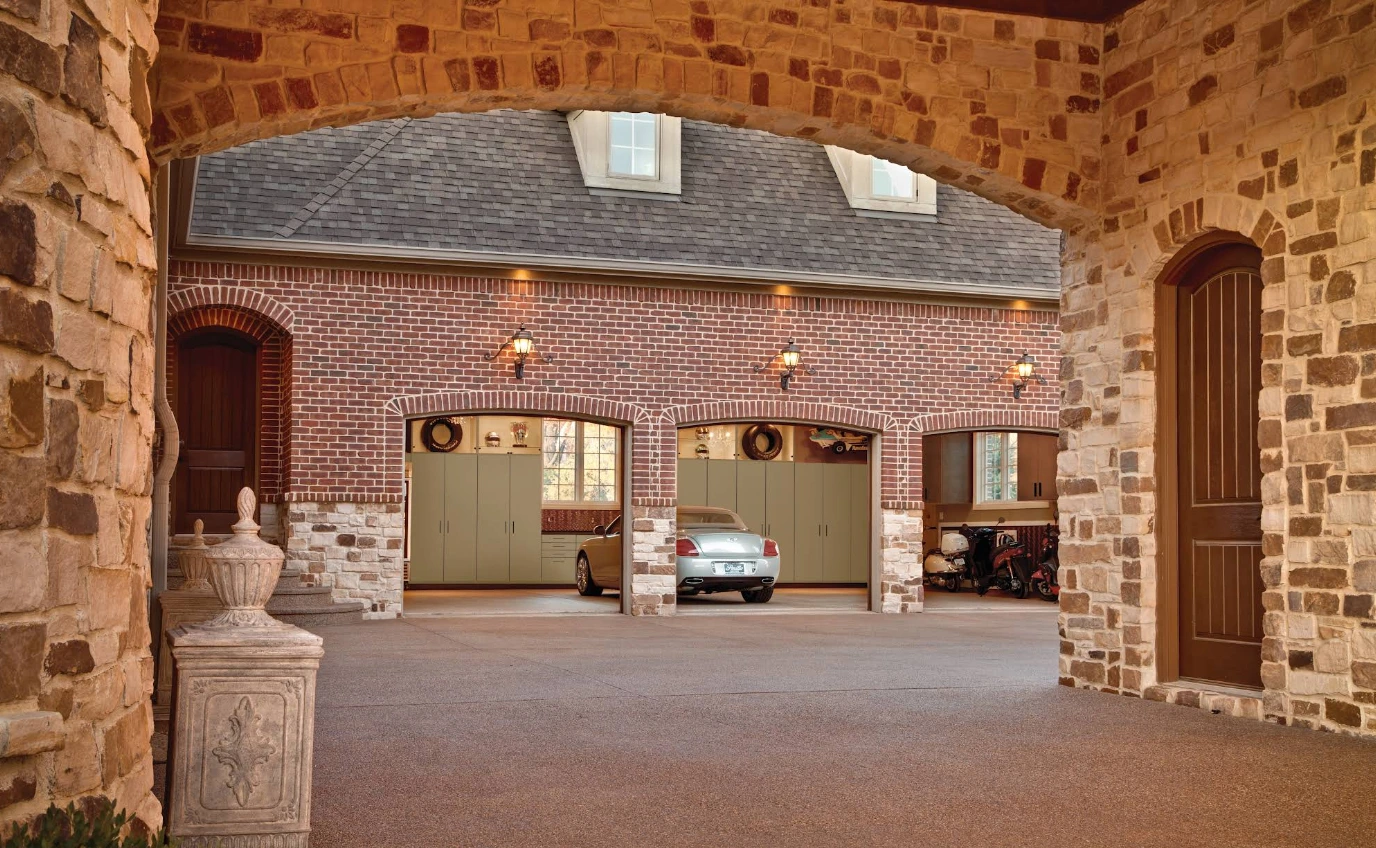
When homeowners in Bethesda decide to transform their garage with a premium floor coating, they're often surprised to learn that the quality of the final result depends more on what happens before the coating is applied than the coating itself. Moisture mitigation and surface preparation are the foundation of any successful garage floor project, and at Garage Design Source, we've learned over nearly two decades that cutting corners on these critical steps leads to premature coating failure, bubbling, peeling, and disappointed customers.
.avif)
Moisture Mitigation & Surface Prep in Bethesda, MD
When homeowners in Bethesda decide to transform their garage with a premium floor coating, they're often surprised to learn that the quality of the final result depends more on what happens before the coating is applied than the coating itself. Moisture mitigation and surface preparation are the foundation of any successful garage floor project, and at Garage Design Source, we've learned over nearly two decades that cutting corners on these critical steps leads to premature coating failure, bubbling, peeling, and disappointed customers.
The concrete beneath your garage floor is porous, and Bethesda's climate - with its humidity, seasonal temperature swings, and occasional moisture intrusion - creates an environment where moisture problems are common. Whether you're planning an epoxy coating, a polyaspartic system, or a durable polyurea finish, the substrate must be properly prepared and moisture-controlled. This guide explains why these steps matter, how we approach them, and what you can expect when working with Garage Design Source on your garage floor transformation.
Why Moisture Mitigation Matters for Garage Floor Coatings
Concrete feels dry to the touch, but it's naturally hygroscopic - it absorbs and releases moisture based on humidity levels and groundwater conditions. In Bethesda, where basements and garages frequently experience moisture migration from the surrounding soil, this becomes a significant concern.
When moisture is trapped beneath a coating, it creates several problems. The coating can blister or bubble as moisture vapor pushes upward, trying to escape. In other cases, the adhesive bond between the coating and concrete fails, causing the coating to peel or flake. These failures don't happen immediately - they often appear months or even a year after installation - which is why many homeowners assume the coating was defective when, in reality, the substrate wasn't properly prepared.
This is where moisture testing and mitigation come in. Before Garage Design Source applies any coating, we evaluate moisture levels and implement strategies to manage moisture throughout the life of your floor. This isn't an optional step; it's the difference between a garage floor that looks beautiful for years and one that fails prematurely.
Understanding Moisture Testing Methods
Not all moisture is equal, and not all testing methods measure the same thing. Understanding these options helps explain why moisture mitigation requires professional expertise.
Calcium Chloride Testing
This is one of the most common moisture testing methods. A calcium chloride salt is placed on the concrete surface under a sealed dome for 24 hours. The salt absorbs moisture from the concrete, and the weight gain is measured to determine the moisture vapor emission rate (MVER). In Bethesda, we typically see calcium chloride results ranging from 2 to 8 pounds per 1,000 square feet per 24 hours, depending on the home's location, season, and foundation design.
The advantage of calcium chloride testing is that it's straightforward and inexpensive. The limitation is that it only measures surface moisture and can be affected by temperature, humidity, and air movement during testing.
Relative Humidity Testing
Relative humidity (RH) testing uses probes inserted into the concrete to measure moisture at various depths. This method is considered more accurate for epoxy and polyaspartic coatings because it measures the actual moisture environment within the concrete. Most premium coating manufacturers recommend keeping RH levels below 85% before applying coatings.
In Bethesda, homes with basements or those built on lower-lying lots often show RH readings above acceptable thresholds, especially in spring and early summer. This testing takes several days and requires drilling into the concrete, but it provides valuable data about whether mitigation strategies are necessary.
Infrared Thermal Imaging
While not a quantitative moisture test, infrared imaging can identify moisture hotspots and problem areas by detecting temperature differences on the concrete surface. Wet concrete stays cooler than dry concrete, making this a useful diagnostic tool to complement other testing methods.
At Garage Design Source, we typically recommend calcium chloride as an initial screening test. If results are borderline or if the homeowner wants extra assurance, we move to RH testing. For homes with a history of moisture problems or those in particularly challenging locations in the Bethesda area, RH testing is our standard starting point.
Substrate Repair: Cracks and Joint Work
Even if moisture levels are acceptable, a concrete surface riddled with cracks and damaged joints is not ready for coating. These imperfections affect both the appearance and the longevity of your finished floor.
Identifying and Assessing Cracks
Not all cracks are created equal. Hairline cracks (less than 1/8 inch wide) are typically cosmetic and don't require repair before coating, though they may show through light-colored coatings. Cracks wider than 1/8 inch should be repaired because they can trap water and allow moisture to migrate beneath the coating.
In Bethesda's climate, concrete cracks often develop due to concrete shrinkage as it cures, settlement of the foundation, and freeze-thaw cycles during winter months. We evaluate every crack for width, depth, and whether it's still actively moving. An active crack - one that opens and closes with seasonal temperature changes - requires a flexible repair material, not a rigid epoxy.
Concrete Crack Repair Techniques
For non-structural cracks up to about 1/2 inch wide, we use polyurethane or epoxy injection systems. These materials are forced into the crack under pressure, filling the void and creating a waterproof seal. Polyurethane is often preferred for cracks that may move slightly because of its flexibility.
For wider cracks or those that show signs of active movement, we may recommend a concrete routing approach. This involves cutting a V-shaped or U-shaped channel along the crack and filling it with a flexible polyurethane sealant. While this is more invasive than simple injection, it provides a more durable repair and allows the finished coating to bridge the crack without cracking itself.
Spalling - areas where the concrete surface is broken or flaking - is also common, especially near the garage door where water damage occurs. These areas must be chipped away to solid concrete and then repaired with a concrete patching compound before any coating is applied.
Joint Repair and Expansion Joint Treatment
Concrete slabs in garages typically have control joints - intentional breaks in the concrete designed to accommodate expansion and contraction. Expansion joints around the perimeter serve a similar purpose. If these joints are filled with hardened concrete dust or debris, they can't move properly, and the pressure can cause new cracks to form.
Before coating, we clean out all joints thoroughly, removing any old sealant or debris. We then evaluate whether the joints need to be re-sealed with a flexible material. For joints that will be under the coating, we typically use a self-leveling polyurethane or silicone sealant. For exposed joints at the perimeter or around the door, a backer rod and polyurethane sealant combination provides flexibility and a clean appearance.
Mechanical Profiling: Grinding and Shot Blasting
Once cracks are repaired and the concrete surface is cleaned, the next critical step is profiling - roughening the concrete surface so the coating can mechanically lock onto it. Without proper profiling, even excellent primers and coatings won't adhere reliably.
Why Mechanical Profiling Matters
Concrete is naturally porous, but factory-finished or sealed concrete has a slick surface that resists adhesion. Old coatings, sealers, curing compounds, and even floor wax prevent new coatings from bonding. Mechanical profiling removes these barriers and creates a micro-texture that gives the coating something to grip.
Grinding
Diamond grinding is the most common profiling method for residential garage floors in Bethesda. A grinding machine with diamond-impregnated pads abrades the concrete surface, removing the top layer and creating a uniformly textured finish. The profile depth is measured using a concrete profile gauge - typically we target a "concrete surface profile" (CSP) of 2 to 3, which provides adequate mechanical adhesion for epoxy and polyaspartic coatings.
Grinding is relatively dust-controlled compared to other methods, though it does produce fine concrete dust. A HEPA-filtered vacuum system is essential to contain this dust and protect your home's interior from fine particles. At Garage Design Source, we use professional-grade grinding equipment and dust containment to minimize impact on the rest of your home.
The process typically takes 4 to 8 hours for a standard two-car garage, depending on the current condition of the concrete. Heavily stained or sealed surfaces require more aggressive grinding and longer timelines.
Shot Blasting
Shot blasting uses small steel balls propelled at high velocity to impact the concrete surface, creating a more aggressive profile. This method is faster than grinding for large commercial spaces, but it's louder and generates more dust. For residential garages in Bethesda, it's less commonly used unless the concrete is extremely hard or heavily sealed.
When we do recommend shot blasting - typically for thicker industrial coatings or unusually challenging surfaces - we ensure that the process is completed with professional dust control equipment to protect your home and neighborhood.
Assessing Profile Depth
After grinding or blasting, we use a concrete profile gauge to confirm the surface profile meets coating manufacturer specifications. This isn't a step we skip or estimate - proper profile depth is essential for coating longevity, and documentation of the profile depth is important for warranty purposes.
Cleaning and Degreasing the Substrate
After mechanical profiling, the concrete surface is covered with fine dust, grinding residue, and potentially oils or stains from vehicle use. Any of these contaminants interfere with primer and coating adhesion, so thorough cleaning is non-negotiable.
Dust Removal
We use industrial HEPA vacuums to remove all grinding dust and concrete particles. A shop vacuum isn't sufficient for this step - fine particles can remain airborne or settled in microscopic concrete pores, compromising adhesion.
Degreasing
For garages with oil stains, old spills, or automotive residue, we use a degreaser appropriate to the type of contamination. Some areas require alkaline degreasers, while others need solvent-based cleaners. The degreaser is scrubbed into the surface, allowed to work for a specified time, and then thoroughly rinsed away.
Final Rinse and Drying
After degreasing, the entire floor is rinsed multiple times with clean water to remove all cleaning residue. Any cleaner left on the surface will create a barrier between the concrete and the primer, causing adhesion failure.
The concrete must then be completely dry before priming. In Bethesda's humid climate, this can take 24 to 48 hours depending on the season, concrete thickness, and subsurface moisture levels. For homes with moisture concerns, we may recommend allowing extended drying time or using fans to accelerate evaporation.
Moisture Barrier and Primer Selection
Once the substrate is properly prepared, the next layer of protection is a moisture barrier and primer system. This is where science meets the specific coating system you've chosen.
Understanding Moisture Barriers
A moisture barrier is designed to prevent or significantly reduce moisture vapor transmission from the concrete into the coating. Different systems work in different ways. Some are epoxy-based barriers that seal the concrete's pores. Others are moisture-vapor-permeable primers that allow some moisture to pass through while still allowing the coating to adhere properly.
The choice between a moisture barrier and a standard primer depends on your moisture test results and the coating system you're using. If RH testing showed elevated moisture levels, a premium moisture barrier becomes essential. If moisture levels are low, a standard primer may be sufficient.
Primer Options for Different Coating Systems
Epoxy Systems
Epoxy primers are two-part systems that create a strong adhesive bond to prepared concrete. A standard epoxy primer is ideal for dry conditions with RH levels below 85%. For elevated moisture, we may recommend an epoxy moisture barrier primer, which includes additives that improve moisture tolerance. Epoxy primers typically dry to touch in 4 to 8 hours but require 24 to 48 hours of cure time before the topcoat can be applied.
The advantage of epoxy primers is their excellent adhesion and durability. The limitation is their sensitivity to moisture - improper application or elevated moisture conditions can cause the primer to fail, which would then compromise the entire coating.
Polyaspartic Primers
Polyaspartic primers are faster-curing than epoxy, often reaching light foot traffic within 1 to 2 hours. This allows for faster project completion - a significant advantage for homeowners who want to use their garage quickly. Polyaspartic primers also have good moisture tolerance, making them suitable for homes with borderline moisture issues.
The trade-off is that polyaspartic primers typically cost more than epoxy primers. However, the speed of application can offset some of this cost difference.
Polyurea Primers
For the most aggressive moisture conditions, polyurea primers offer superior moisture tolerance and extremely fast cure times - often ready for topcoat within 30 minutes. Polyurea is the premium option when moisture mitigation is the primary concern.
At Garage Design Source, we recommend the primer system based on your specific moisture testing results, the topcoat you've chosen, and your timeline expectations. This is never a one-size-fits-all decision.
Adhesive and Primer Recommendations by Coating Type
For Epoxy Floor Coatings
Epoxy topcoats require an epoxy primer or an epoxy-compatible moisture barrier. The primer and topcoat must be chemically compatible - using an epoxy primer under a polyaspartic topcoat, for example, will fail because the materials don't bond properly.
For standard moisture conditions, we specify an epoxy primer with medium-build thickness (15-20 mils). For elevated moisture, an epoxy moisture barrier with additives like silicone or polyol provides better tolerance. Two coats of primer are sometimes recommended for particularly porous concrete or areas with a history of moisture problems.
For Polyaspartic Coatings
Polyaspartic topcoats can be applied directly over properly prepared concrete with minimal primer in dry conditions, but a polyaspartic primer is still recommended for maximum adhesion and durability. If moisture barriers are needed, a polyaspartic moisture barrier primer is the correct choice.
The advantage of polyaspartic systems is that both primer and topcoat can be applied on the same day, dramatically reducing project timelines.
For Polyurea Coatings
Polyurea systems are ultra-fast curing and require a compatible polyurea primer. In Bethesda homes with significant moisture concerns, a polyurea moisture barrier primer is often the best choice because it offers the highest moisture tolerance combined with the fastest cure times.
Polyurea is the premium option, but the speed of installation and the superior moisture handling make it ideal for challenging substrates.
Timeline and Expectations for Moisture Mitigation and Surface Prep
Understanding the timeline for proper surface preparation helps set realistic expectations for your project.
Initial Testing and Assessment (1-2 weeks)
The process begins with moisture testing. A calcium chloride test takes 24 hours and provides results within a few days. If RH testing is needed, it can take 7 to 14 days for the probes to equilibrate and provide accurate readings. For homeowners planning ahead, scheduling this testing early in the process is essential.
Surface Preparation (3-7 days)
Once moisture testing is complete and we've confirmed the concrete is ready for coating, surface preparation begins. Crack repair, joint cleaning, and patching take 1 to 2 days depending on the extent of damage. Grinding and profiling a standard two-car garage takes 4 to 8 hours. Cleaning and drying takes another 24 to 48 hours.
If elevated moisture is discovered, moisture mitigation strategies may extend the timeline. Running dehumidifiers or fans for extended drying periods, or applying specialized moisture barriers, can add several days to the schedule.
Primer and Coating Application (2-3 days)
Primer application takes 4 to 6 hours. Epoxy primers require 24 to 48 hours of cure before topcoating. Polyaspartic and polyurea primers are faster, sometimes allowing same-day topcoating. The topcoat itself takes 4 to 8 hours to apply, depending on the coating type and the number of coats.
Total Project Duration
For a straightforward project in Bethesda with no moisture complications, surface preparation plus coating application typically spans 10 to 14 days. This includes allowances for testing, repair, grinding, drying, and curing time between coats. For projects with significant moisture concerns or extensive substrate damage, timelines can extend to 3 to 4 weeks.
At Garage Design Source, we provide detailed timelines during the initial consultation so you know exactly what to expect and can plan accordingly.
Warranty Implications of Proper Preparation
The coating manufacturers we work with - including premium epoxy, polyaspartic, and polyurea brands - all tie their warranties directly to proper substrate preparation. This is why we document every step of the process.
A typical coating warranty covers adhesion failure, peeling, and bubbling for 5 to 10 years, depending on the coating system and manufacturer. However, these warranties explicitly exclude failures caused by improper surface preparation or moisture conditions not disclosed during installation.
When we complete a project, we provide documentation showing moisture test results, profile depth measurements, and the specific primer and coating systems applied. This documentation is essential if any issue arises - it proves that the floor was prepared according to manufacturer specifications.
Conversely, if a floor was not properly prepared and fails after installation, the homeowner has no warranty recourse. This is why we never cut corners on surface preparation. Your warranty protection depends on it.
Common Moisture Problems in Bethesda Homes
Bethesda's location in Maryland means many homes experience specific moisture challenges that affect garage floors.
Seasonal Water Migration
In spring and early summer, groundwater levels rise as snow melts and rainfall increases. Homes built on slopes or those with inadequate exterior drainage often see moisture migration into the garage slab. This seasonal pattern is predictable in our area, and it's why we're particularly cautious about moisture testing during these periods.
Concrete Slab Directly on Grade
Many older homes in Bethesda have garage slabs poured directly on grade without a vapor barrier beneath. While concrete itself is durable, a missing or degraded vapor barrier underneath means moisture from the soil continuously migrates upward through the concrete.
Basement or Crawlspace Proximity
Homes with basements beneath the garage often experience moisture issues because the entire structure is in contact with surrounding soil. If the basement is damp, the garage floor above is likely to show elevated moisture readings.
Exterior Water Intrusion
Garage doors that don't seal properly, roof runoff directed toward the garage, and poor grading around the foundation all contribute to water intrusion. We sometimes recommend addressing these underlying issues before or during the coating process.
Examples of Successful Moisture Mitigation Projects
Over nearly two decades, Garage Design Source has completed successful moisture mitigation and surface prep work on hundreds of Bethesda-area garages. These projects demonstrate how proper preparation leads to lasting results.
One Bethesda home in a neighborhood known for high groundwater had RH readings of 92% when initial testing was completed. Rather than applying a standard primer, we specified a polyurea moisture barrier system, extended the drying period with professional dehumidifiers, and scheduled application during the driest season. Three years later, the floor shows no adhesion issues or moisture-related problems.
Another project involved a commercial garage space in Bethesda with severe oil staining and a highly sealed concrete surface from previous industrial coatings. Grinding alone wasn't sufficient - we used shot blasting to achieve the proper profile depth, followed by solvent-based degreasing and extended drying. The resulting epoxy coating has now performed flawlessly for five years in a high-traffic environment.
In a third case, we identified active concrete cracks in a homeowner's garage that would have caused coating failure if left unrepaired. After repairing the cracks with flexible polyurethane injection, profiling the concrete, and applying a premium epoxy system, the floor has performed perfectly despite the history of cracking.
These successes share a common thread - we invested time and expertise in proper surface preparation and moisture management before any coating was applied. This is the Garage Design Source approach: do the foundation work right, and the finished floor will last for years.
Why Professional Expertise Matters
Moisture mitigation and surface preparation sound straightforward, but the details determine success or failure. A homeowner who rents a concrete grinder and applies epoxy without proper moisture testing or surface profiling will almost certainly experience failure within months.
At Garage Design Source, our experience in these specific processes across hundreds of Bethesda projects means we've encountered and solved nearly every moisture and substrate challenge this region presents. We have the testing equipment, the grinding and profiling tools, the moisture barrier options, and the coating systems to handle any situation.
More importantly, we understand the science behind why these steps matter. We're not simply following a checklist - we're applying expertise to ensure your garage floor transformation is built on a solid foundation, both literally and figuratively. When your floor is properly prepared and your moisture concerns are addressed, you'll have a beautiful, durable garage floor that looks great and performs reliably for years to come.