.svg)
When you invest in a beautiful, organized garage - whether it's a showpiece for your car collection, a secure storage space for valuable tools, or a professional commercial workspace - protecting that investment becomes a priority. Garage security and camera systems have evolved dramatically over the past decade, transforming from expensive, complicated installations into accessible, user-friendly solutions that integrate seamlessly with your home or business. At Garage Design Source, we understand that security is an essential component of a complete garage transformation, working alongside our flooring, storage, and door solutions to create a space that's not only functional and attractive but also protected.
Garage Security & Camera Systems in Herndon, VA
When you invest in a beautiful, organized garage - whether it's a showpiece for your car collection, a secure storage space for valuable tools, or a professional commercial workspace - protecting that investment becomes a priority. Garage security and camera systems have evolved dramatically over the past decade, transforming from expensive, complicated installations into accessible, user-friendly solutions that integrate seamlessly with your home or business. At Garage Design Source, we understand that security is an essential component of a complete garage transformation, working alongside our flooring, storage, and door solutions to create a space that's not only functional and attractive but also protected.
Security concerns in Herndon and the Northern Virginia area are real. Whether you're worried about theft, vandalism, or simply want the peace of mind that comes from remote monitoring, modern garage camera systems offer flexible options tailored to your specific needs. This guide walks you through everything you need to know about selecting, installing, and maintaining a garage security system that works for your space.
Why Garage Security Matters in Today's Environment
Your garage often contains some of your most valuable possessions - vehicles, tools, seasonal equipment, and stored items worth thousands of dollars. Beyond the financial aspect, a secure garage contributes to your overall home security, since garages are frequently targeted entry points for burglars. In the Herndon area, where residential and commercial properties alike face varied security challenges, having visibility and control over your garage space is no longer a luxury but a practical necessity.
Modern garage security systems do more than deter criminals. They provide documentation if theft occurs, help you monitor contractors or service providers during work, and offer peace of mind when you're away from your property for extended periods. For commercial garage operators, security cameras create accountability, protect against liability claims, and demonstrate a commitment to professional operations. Many insurance providers also offer premium reductions for properties with documented security measures in place.
Understanding Camera System Types and Options
When you're considering a garage camera system, the first decision involves understanding the different types available. Each option has distinct advantages depending on your garage layout, internet connectivity, and monitoring preferences.
Wired Versus Wireless Systems
Wired Systems connect directly to a central recording device through cables run through your walls and ceilings. These systems offer several advantages for garage installations. They provide consistent, uninterrupted connectivity without relying on WiFi strength, which can be problematic in garages with metal walls or structural elements that block signals. Wired systems are typically more affordable upfront and don't require battery replacements. They work exceptionally well in Herndon garages where you're doing a complete renovation or new construction, since cabling can be integrated during the building or remodeling phase.
However, wired systems require professional installation to conceal wiring aesthetically, and adding cameras later becomes more challenging. If your garage already has finished walls and cabinetry from a previous Garage Design Source project, retrofitting wired cameras may require selective wall modifications.
Wireless Systems eliminate the installation complexity of running cables throughout your garage. Modern wireless cameras use encrypted connections to communicate with a central hub or directly to cloud servers. They're ideal for retrofit situations where you want to add security without disrupting existing finishes. Wireless systems offer flexibility - you can relocate cameras as your garage layout changes or as your security needs evolve. The trade-off is that they depend on consistent WiFi signal strength and require periodic battery changes or charging, depending on the model.
Many homeowners and commercial operators in the Northern Virginia area find that a hybrid approach works best - combining a few strategically placed wired cameras with wireless options in areas where wiring isn't practical.
Indoor Versus Outdoor Cameras
Indoor Cameras are typically smaller, more discreet, and designed to operate in controlled environments. They work excellently for monitoring the interior of your garage space, capturing activity at workbenches, near valuable stored items, or at entry points from your home. Indoor cameras often feature higher resolution in normal lighting conditions and can be more aesthetically pleasing, blending into finished garage spaces without obvious security hardware.
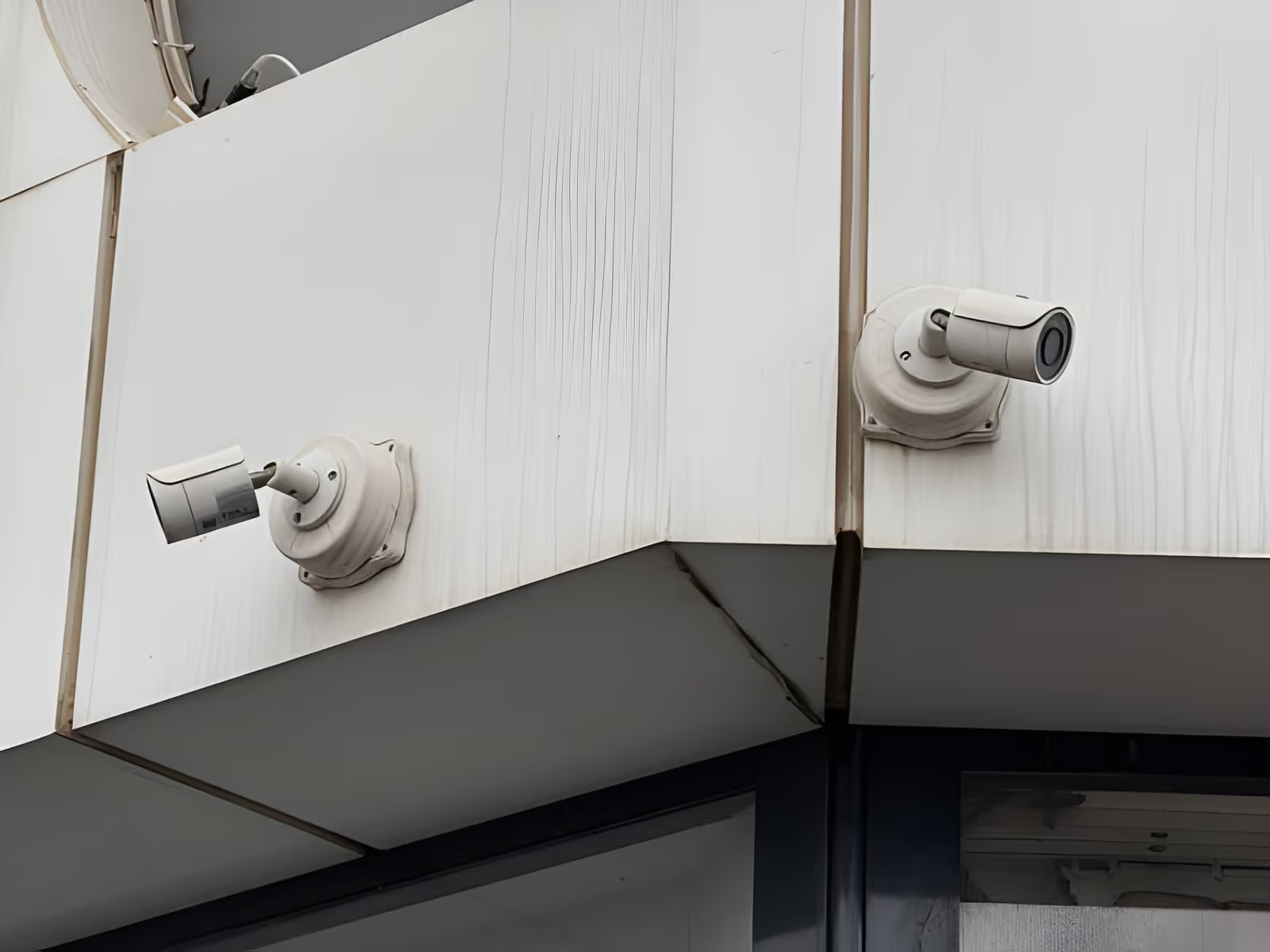
Outdoor Cameras are built to withstand the elements - rain, temperature fluctuations, humidity, and sun exposure. If you're monitoring the exterior of your garage building, driveway, or perimeter in Herndon, outdoor-rated cameras are essential. They typically have more rugged construction, better weatherproofing ratings (often IP65 or higher), and enhanced night vision capabilities to handle direct sunlight and low-light conditions. Outdoor cameras are also generally mounted higher and more visibly, which serves as an additional deterrent to potential intruders.
For most residential garages, a combination approach makes sense - outdoor cameras covering the garage entrance, driveway, and perimeter combined with indoor cameras monitoring the garage interior and any access points to the home.
Night Vision and Low-Light Performance
Garage security doesn't stop when the sun sets. Night vision capabilities are crucial for effective monitoring, particularly in the Herndon area where winter months bring extended darkness and security concerns don't follow business hours.
Modern security cameras offer several night vision technologies:
- Infrared (IR) Night Vision: Uses invisible infrared light to illuminate the scene, creating black-and-white images in total darkness. This is the most common technology and works reliably in garages where you don't require color identification.
- Color Night Vision: Uses advanced sensors and light amplification to capture color images even in low light. This helps with vehicle color identification or distinguishing colored objects, though it requires some ambient light to function effectively.
- Smart IR: Adjusts infrared intensity based on distance and reflective surfaces, preventing "washout" in close-range monitoring while maintaining detail in distant areas.
- Starlight Technology: Ultra-sensitive sensors that can produce color images with minimal available light, useful for garages with skylights or exterior light sources.
For garage applications, infrared night vision combined with motion-activated spotlight features offers the best balance of effectiveness and affordability. When motion is detected at night, many modern systems activate a bright LED light that both illuminates the scene and deters intruders.
Integration with Garage Door Openers and Smart Home Platforms
One of the most valuable features of modern garage security systems is their ability to integrate with your existing garage door openers and broader smart home ecosystem. This interconnectivity transforms your garage into a coordinated system rather than isolated components.
Garage Door Opener Integration
Your garage door opener is a natural security partner for your camera system. Integration allows you to:
- Receive notifications when your garage door opens or closes, creating a log of all access times
- View live video feeds whenever the garage door operates, identifying who or what triggered the opening
- Correlate security footage with door activity to build a complete picture of garage access patterns
- Some advanced systems allow you to control the garage door remotely while monitoring the garage via camera, ensuring the space is clear before closing
This integration is particularly valuable for tracking unauthorized access or investigating discrepancies. If you notice your garage door was opened when no one should have had access, you have corresponding video evidence to review.
Smart Home Platform Connectivity
Modern garage security cameras integrate with major smart home platforms including Amazon Alexa, Google Home, and Apple HomeKit. This connectivity means you can:
- View live camera feeds on smart displays throughout your home
- Receive mobile notifications on any connected device
- Control certain camera functions through voice commands
- Automate responses - for example, turning on garage lights when motion is detected after sunset
- Integrate garage monitoring with other home security components for a unified dashboard
For Garage Design Source customers who've invested in comprehensive home improvements including organized storage systems and professional-grade garage doors, smart home integration creates a seamless experience. You control your entire garage environment - doors, lighting, and security - from a single interface.
Professional Management Systems
Commercial garage operators often require more sophisticated integration. Professional-grade systems can connect to access control systems, employee management platforms, and integrated building management solutions. This allows for detailed activity logging, employee accountability, and integration with other business security infrastructure.
Camera Placement and Coverage Planning
Effective garage security begins with strategic camera placement. Poor placement results in blind spots, wasted coverage, and incomplete documentation of critical areas. Thoughtful planning ensures you capture what matters most while avoiding unnecessary overlap.
Key Monitoring Zones in Your Garage
Entry Points: Your primary concern should be all ways that people or vehicles can enter your garage. This includes:
- The main garage door
- Side pedestrian doors to the garage interior or exterior
- Service doors or windows
- Any overhead or roll-up doors on commercial properties
Position cameras to capture faces and identifying details when possible. This often means mounting cameras at 5-7 feet height, angled slightly downward to capture facial features as people move through doorways.
Valuable Asset Areas: In garages with high-value vehicle collections, specialized equipment, or extensive tool storage, position cameras to monitor these specific items. Placement should be at angles that capture any attempted removal, and lighting should be positioned to illuminate the area effectively.
Work Zones and Equipment: If your garage includes a workbench, tool storage system, or specialized equipment, strategic camera placement ensures you can see all activities in these areas. This is particularly important for commercial garages where liability concerns exist.
Perimeter and Exterior: Outdoor cameras covering the garage exterior, driveway approach, and surrounding perimeter serve multiple purposes. They deter potential intruders before they reach entry points, capture license plates of passing vehicles, and provide context for any interior incidents.
Secondary Access Points: Don't overlook less obvious entry points - windows that might be accessible from a roof or adjacent structure, utility entrances, or overhead areas where someone might attempt roof access.
Coverage Planning in Herndon Garages
Herndon properties present specific coverage challenges worth considering. Many residential garages in the area are attached to homes with shared walls, affecting camera placement options. Commercial garage properties often have multiple bays or levels requiring more sophisticated coverage planning. Mature landscaping common in established Herndon neighborhoods can create shadows and blind spots requiring strategic lighting or camera positioning to overcome.
Professional coverage planning accounts for:
- Seasonal sun angle changes affecting glare and shadows
- Vegetation that might grow to block camera views
- Reflective surfaces (water features, vehicles, metal storage systems) that can create glare in infrared night vision
- WiFi signal strength mapping if you're using wireless cameras
- Structural obstacles like storage shelving or car lifts that might block sight lines
Determining the Right Number of Cameras
The number of cameras your garage needs depends on size, layout, and security priorities. A small residential garage might need just 2-3 cameras - one covering the entry door, one monitoring the interior, and one capturing exterior approach. Larger residential spaces or commercial facilities might require 6-12 cameras or more to achieve complete coverage without blind spots.
A practical approach: map out your garage on paper, identify all entry points and valuable asset areas, and then position cameras to eliminate overlapping coverage while maintaining complete sight lines to critical zones. This typically results in more efficient camera placement than simply installing the maximum number possible.
Data Storage and Remote Monitoring Options
Once your cameras are capturing footage, you need a system for storing and accessing that data. Modern garage security systems offer several storage and monitoring approaches, each with distinct advantages.
Cloud Storage Solutions
Cloud-based storage offers convenience and redundancy. Footage is automatically uploaded to secure servers maintained by the system provider, accessible from any internet-connected device. Cloud storage advantages include:
- Automatic backup ensuring footage isn't lost if a camera is damaged or stolen
- Accessibility from anywhere - home, office, or while traveling
- Scalability to accommodate more cameras or longer retention periods
- Minimal equipment maintenance on your end
- Compliance with security standards for commercial applications
The trade-off is ongoing subscription costs and dependence on internet connectivity and the service provider's continued operation. Most cloud storage services retain footage for 7-30 days on free plans, with longer retention available through paid subscriptions. This timeframe is typically sufficient for identifying and responding to security issues, though investigation of older incidents may not be possible.
Local Storage Systems
Local storage keeps footage on a recording device (Network Video Recorder or Digital Video Recorder) physically located in your garage or home. This approach offers advantages including:
- No ongoing cloud subscription fees
- Footage remains under your complete control
- Faster access to recordings since they're stored locally
- No reliance on internet upload speeds
- Complete privacy - footage isn't stored on external servers
Local storage drawbacks include limited storage capacity (requiring manual deletion or archiving of older footage), vulnerability if the recording device is stolen or damaged, and less convenient remote access from mobile devices. However, for many Herndon homeowners and business operators, the combination of lower ongoing costs and complete data control makes local storage attractive.
Hybrid Approaches
Many modern systems combine both storage methods - recording locally while automatically backing up important footage to cloud storage. This approach provides the cost savings and control of local storage with the security and accessibility benefits of cloud backup. You retain primary footage locally while critical recordings or recent activity syncs to the cloud.
Remote Monitoring and Notifications
Effective garage security requires more than just video storage. Remote monitoring capabilities alert you to activity in real-time:
- Motion Detection Alerts: Receive immediate notifications on your smartphone when movement is detected in monitored zones, allowing rapid response to unauthorized access
- Scheduled Alerts: Configure different alert sensitivity for different times - maximum alertness during off-hours when activity is unusual, reduced alerts during business hours
- Geofencing: Some systems integrate with your phone's location services, automatically adjusting camera sensitivity or alert settings based on whether you're home or away
- Live View Access: Review live camera feeds from your phone or computer anytime, checking on your garage without being physically present
- Clip Saving: Automatically save or manually flag video clips for long-term retention or sharing with authorities if needed
For commercial operators in Herndon, professional monitoring services are available. A dedicated security monitoring center receives alerts from your system, verifies activity through live camera views, and can contact local authorities if suspicious activity is confirmed. This professional oversight adds an additional layer of security and response capability.
The Installation Process and Timeline
Understanding what to expect during installation helps you plan for minimal disruption to your garage use and ensures the system is properly configured from the start.
Pre-Installation Planning
Before a technician arrives, the installation process begins with assessment and planning. This includes:
- Site survey identifying optimal camera locations based on your coverage needs and structural constraints
- Verification of internet connectivity strength (for wireless systems) and identification of potential obstacles
- Measurement and specification of cable runs (for wired systems)
- Discussion of storage solutions and monitoring preferences
- Integration planning with existing garage door openers, smart home systems, or professional security infrastructure
- Timeline and cost confirmation
This planning phase typically occurs during a consultation call or brief on-site visit. For customers of Garage Design Source who've already completed flooring, storage, or other garage upgrades, the technician will coordinate with your existing improvements to ensure cameras are positioned and cables are run to minimize disruption to finished surfaces.
Wired System Installation
Installation of wired camera systems typically requires 1-3 days depending on the number of cameras, cable run complexity, and whether walls require opening to conceal wiring.
- Day One: Camera mounting and cable installation. Technicians run cables through walls, ceilings, or conduits to create a clean installation. For garages with finished walls or cabinetry, this might involve routing cables along existing infrastructure or creating minimal access points that are later sealed.
- Central Recording Device Setup: Installation and configuration of the network video recorder or DVR system, connection to power and internet, and integration with your home network or smart home platform.
- Camera Configuration and Calibration: Each camera is mounted, aimed to cover its designated zone, and tested to ensure proper focus, night vision function, and alarm trigger sensitivity.
- System Testing and Training: The technician verifies all cameras are recording properly, tests alert notifications, confirms remote access is functional, and trains you on system operation and basic troubleshooting.
Wireless System Installation
Wireless systems typically complete faster since cable runs aren't necessary:
- Camera Mounting: Cameras are positioned in their designated locations, typically using simple wall or ceiling mounts. This usually completes in one visit.
- Hub or Base Station Setup: The wireless hub is positioned in a central location with good WiFi coverage throughout the garage. It's connected to power and paired with your home WiFi network.
- Individual Camera Pairing: Each camera is powered on and synced with the hub wirelessly, a process that typically takes minutes per camera.
- App Configuration and Testing: You download the security system app on your smartphone, log in with credentials, verify all cameras appear in the app feed, and test live view, recording, and notification functions.
Most wireless installations complete within a few hours. The flexibility of wireless systems means you can add cameras later as your needs change, with new cameras added in minutes rather than requiring substantial additional installation work.
Timeline Considerations for Herndon Installations
Installation timeline in the Northern Virginia area can be influenced by seasonal factors and contractor availability. Spring and early summer often see high demand for home improvement projects, potentially extending wait times for installation appointments. Commercial garage operators should plan installations during slower business periods to minimize disruption to operations.
Weather considerations also apply - outdoor camera installations are easier in dry conditions, and cable runs through exteriors are simpler without active rain or extreme cold. Planning installations during favorable weather windows in the Herndon area typically means spring through fall, though installations are possible year-round.
System Maintenance and Long-Term Performance
Proper maintenance ensures your garage security system delivers reliable performance throughout its lifespan. Fortunately, modern systems require relatively minimal maintenance compared to older technology.
Regular Maintenance Tasks
Camera Lens Cleaning: Dust, pollen, and cobwebs accumulate on camera lenses, degrading image quality and night vision performance. Monthly lens cleaning with a soft, dry cloth maintains image clarity. Exterior cameras may require more frequent cleaning, particularly in Herndon's dusty seasons or after storms.
Wireless System Battery Checks: If your wireless cameras use battery power, check battery levels monthly through the system app. Most systems alert you to low battery status before the camera loses power. Depending on your camera model and motion frequency, batteries typically require replacement every 6-12 months. Hardwired cameras eliminate this maintenance requirement.
Recording Device Maintenance: Network video recorders and DVRs have internal fans for cooling. Over time, dust accumulation reduces cooling efficiency and can cause overheating. Quarterly cleaning of fan intake areas with compressed air prevents this issue. Ensure the recording device has adequate ventilation space around it.
Firmware Updates: Security camera manufacturers regularly release firmware updates addressing security vulnerabilities, adding features, or improving performance. Checking for available updates quarterly and installing them keeps your system secure and optimized.
Storage Management: For local storage systems, monitor recording device storage capacity. Most systems alert when storage is nearly full, but proactive management ensures continuous recording. You can archive older footage to external storage or adjust recording quality to manage storage consumption.
Common Issues and Troubleshooting
Loss of Video Feed: If a camera stops transmitting video, the issue is typically connectivity (WiFi or wired connection), power loss, or a failed camera. Systematic troubleshooting - verifying power, checking WiFi connectivity, restarting the hub or recording device - resolves most issues. Persistent problems may indicate equipment failure requiring replacement.
Night Vision Degradation: If night vision performance declines, dust or moisture on the lens is usually responsible. Cleaning the lens typically restores performance. Rarely, the infrared emitter can fail, requiring camera replacement.
False Motion Alerts: Motion detection sensitivity sometimes generates alerts from shadows, moving tree branches, or reflections rather than actual intrusion attempts. Recalibrating motion detection zones and sensitivity thresholds through the app eliminates most false alerts. Some systems include AI-powered detection that distinguishes people and vehicles from environmental noise, reducing false positives.
Remote Access Issues: If you can't access live feed from your smartphone, verify WiFi connectivity, confirm the app login credentials, and restart both the app and the recording device. Most connectivity issues resolve with these steps.
Professional Maintenance Services
For commercial garage operators or those managing large or complex systems, professional maintenance services are available. Annual inspections verify all cameras function properly, confirm storage capacity and backup procedures, validate alert notification functionality, and ensure system integration with related security infrastructure.
Warranty and Protection Plans
Most quality garage security systems include manufacturer warranties covering equipment defects, typically spanning 1-3 years depending on the component. Understanding warranty coverage helps you protect your investment.
Typical Coverage
Manufacturer warranties typically cover:
- Defective Equipment: Cameras, recording devices, hubs, and cables that fail due to manufacturing defects
- Replacement Provision: Defective components are repaired or replaced without charge during the warranty period
Warranties typically do NOT cover:
- Physical Damage: Accidents, mishandling, or impact damage
- Environmental Damage: Water intrusion from extreme weather events, electrical surge damage, or corrosion
- Improper Installation or Use: Damage resulting from incorrect setup or operation outside manufacturer specifications
Extended Protection Plans
Many installers and manufacturers offer extended protection plans covering equipment replacement, technical support, and sometimes professional maintenance. These plans typically cost 10-20 percent of the initial system investment and extend coverage an additional 2-5 years beyond standard warranties.
For security-critical applications or expensive camera systems, extended protection can be worthwhile insurance. For residential installations, standard manufacturer warranties often provide adequate coverage.
Insurance Coordination
Check with your homeowner's or business insurance provider regarding how security system documentation might affect your coverage. Some insurers offer policy discounts when security systems are installed, providing additional financial protection beyond the equipment warranty itself.
Viewing Your Investment: Security System Examples and Outcomes
Garage Design Source customers who've added security camera systems to their newly renovated garages report significant peace of mind benefits. Let's explore how security systems enhance completed garage transformation projects.
Residential Applications
Premium Vehicle Protection: A Herndon homeowner with a finished garage featuring epoxy flooring, custom cabinetry, and car lift installed security cameras with comprehensive coverage. The system monitors the vehicle storage area and entry points 24/7. Within months of installation, motion-activated alerts helped identify and deter attempted break-in activity. The documented footage provided evidence for law enforcement and insurance purposes.
Tool Collection Security: Another customer in the Northern Virginia area invested in an extensive organized tool storage system combined with specialized workbench cabinetry. Security cameras positioned to monitor the tool storage areas provided accountability for the tools and peace of mind knowing the valuable collection is documented. The recording device stores months of footage, providing complete history of tool access and activity in the workspace.
Commercial Applications
Commercial Bay Monitoring: A commercial garage operator in Herndon upgraded to professional security systems covering multiple service bays. The cameras provide accountability for service technicians, document the condition of vehicles during service, and provide liability protection. Integration with access control systems tracks which employees accessed specific areas during specific times, creating detailed operational records.
Perimeter Security: Commercial properties often benefit from comprehensive perimeter coverage. A Herndon-area commercial garage installation includes driveway coverage capturing vehicle license plates, building exterior monitoring, and interior bay coverage. This multi-layered approach provides security against theft while also documenting daily operations for quality assurance purposes.
Choosing Your Security Solution
Selecting the right garage security system means matching capabilities with your specific needs and circumstances. Consider the size of your garage, the value of items being stored, your internet connectivity quality, your comfort with technology, and your long-term plans for the space.
Small residential garages with basic security concerns often find wireless systems adequate - affordable, easy to install, and sufficient for deterrence and basic monitoring. Larger garages, commercial facilities, or situations with specific security requirements typically benefit from professional-grade wired systems with comprehensive coverage and professional monitoring options.
Integration with your existing garage components matters. If you've invested in professional garage doors, smart home connectivity, or other automated systems through Garage Design Source, choosing a camera system compatible with these existing investments creates a cohesive, convenient experience.
The most important consideration is actually installing a system rather than planning indefinitely. Even basic camera coverage provides significant deterrence and documentation value. You can always upgrade or expand coverage later - start with what addresses your highest priority security needs and add capabilities as circumstances change.
Garage security and camera systems represent one component of a comprehensive home improvement strategy that transforms your garage from a functional storage space into a protected, organized asset. Combined with professional flooring, storage solutions, and quality garage doors, modern security systems help you maximize both the enjoyment and protection of your garage investment.