.svg)

When your Arlington garage feels like it's bursting at the seams, overhead storage racks offer a practical solution to reclaim valuable floor space. Whether you're storing seasonal decorations, sports equipment, tools, or household items, ceiling-mounted storage systems keep those things accessible yet out of the way. At Garage Design Source, we specialize in designing and installing overhead storage racks that combine heavy-duty functionality with clean, organized aesthetics. This comprehensive guide walks you through everything you need to know about overhead storage solutions for your Arlington home.
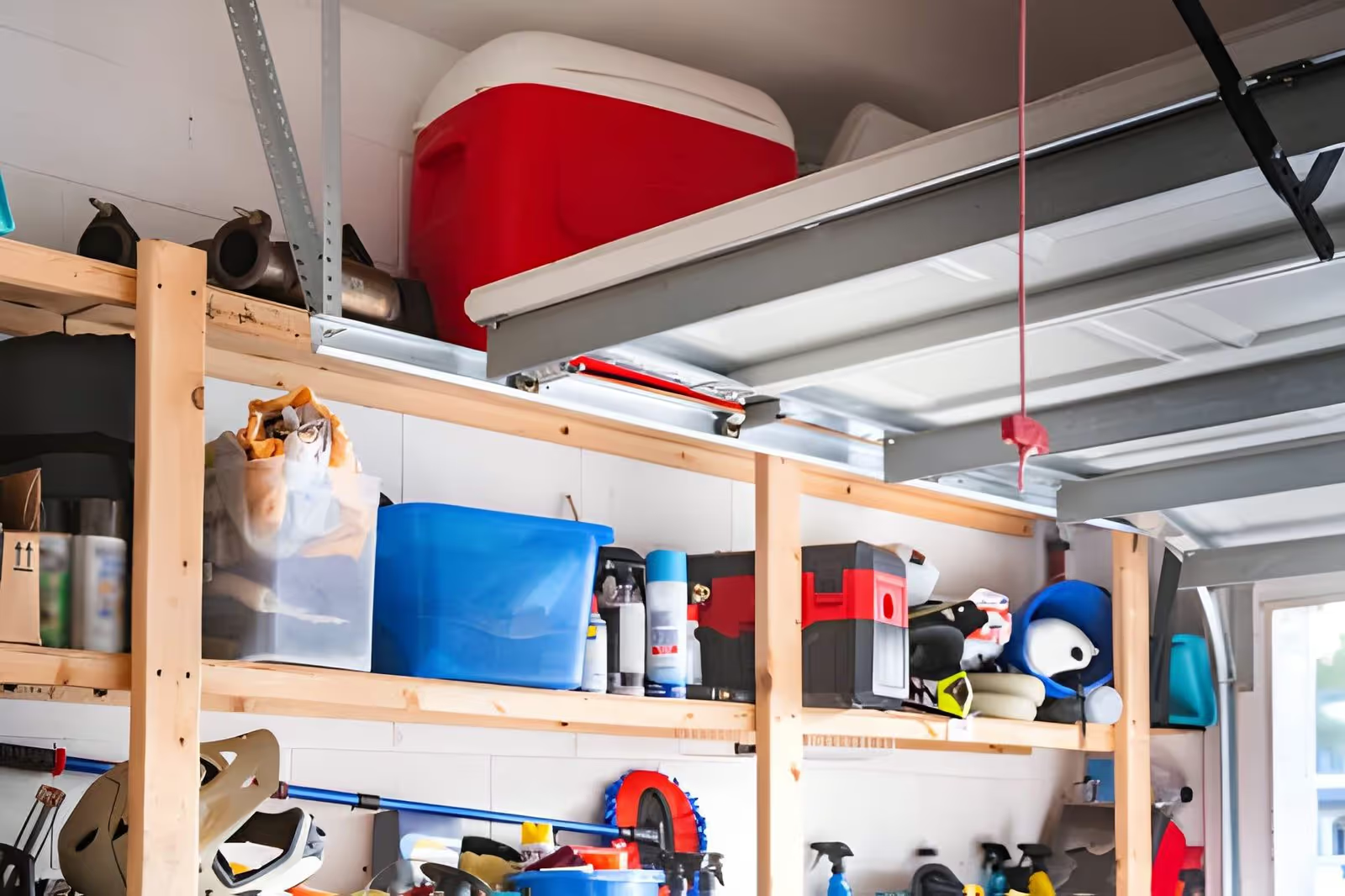
Overhead Storage Racks in Arlington, VA
When your Arlington garage feels like it's bursting at the seams, overhead storage racks offer a practical solution to reclaim valuable floor space. Whether you're storing seasonal decorations, sports equipment, tools, or household items, ceiling-mounted storage systems keep those things accessible yet out of the way. At Garage Design Source, we specialize in designing and installing overhead storage racks that combine heavy-duty functionality with clean, organized aesthetics. This comprehensive guide walks you through everything you need to know about overhead storage solutions for your Arlington home.
Why Overhead Storage Racks Make Sense for Your Garage
Most homeowners in the Arlington area struggle with the same storage challenge: a garage that doubles as a catchall for items that don't fit anywhere else. Over time, bikes, holiday decorations, camping gear, and tool boxes pile up, making it difficult to park vehicles or move around comfortably. Overhead storage racks solve this problem by utilizing the often-wasted space above your head.
The benefits extend beyond simple organization. By moving bulky items up to the ceiling, you free up your garage floor for what it was designed for - parking and working. This means safer movement around your garage, better visibility, and the ability to actually use your workspace instead of navigating an obstacle course. For Arlington homeowners with limited square footage, overhead racks effectively double your usable storage capacity without requiring an addition or renovation.
Additionally, ceiling-mounted storage keeps items in a climate-controlled environment compared to outdoor sheds or attics, protecting your belongings from Arlington's humidity and temperature fluctuations. Seasonal gear stays in better condition when stored properly, and you'll spend less time searching for items buried in dark corners.
Types of Overhead Storage Rack Systems
Not all overhead storage solutions are created equal. Understanding the different options helps you choose the system that best fits your space and needs.
Heavy-Duty Steel Frame Racks
Steel frame racks represent the most durable option for serious storage needs. These systems feature rigid metal construction that can support substantial weight loads - typically ranging from 500 to 1,500 pounds depending on the design and installation. The steel construction resists warping and maintains its structural integrity year after year, making it ideal for homeowners who plan to store equipment, power tools, or multiple large bins simultaneously.
Steel racks come in various configurations, from simple single-level platforms to elaborate multi-tier systems. The adjustable components allow you to customize shelf heights based on what you're storing, whether that's compact boxes or tall plastic containers. Most steel systems feature protective powder-coating finishes that prevent rust and corrosion, important in the Northern Virginia climate where humidity can be an issue.
Adjustable Shelving Systems
Adjustable shelving offers flexibility for changing storage needs. Rather than a fixed configuration, these systems use track systems installed to ceiling joists, with shelves or platforms that can be repositioned vertically. This adaptability makes them perfect for households where storage needs shift seasonally - perhaps you need more space for summer camping equipment, then holiday decorations take up more room in December.
The adjustable approach also accommodates items of different heights. One area might hold tall storage containers while another section stores flat items like boards or seasonal decorations. This versatility appeals to homeowners in Arlington who want a storage solution that grows and changes with their needs.
Ceiling-Mounted Racks with Accessories
Some systems include modular accessories that attach to base racks, expanding functionality. Hooks, hanging rods, and specialized mounts transform basic racks into comprehensive storage systems. You might combine a main storage platform with hanging hooks for tools, extension cords, or sports equipment on the same system. This integrated approach maximizes your overhead space efficiency.
Understanding Weight Capacity and Load Ratings
One critical aspect that homeowners often overlook is weight capacity. Every overhead storage system has specific load ratings determined by the mounting method, joist spacing, and material composition. Using a rack beyond its rated capacity creates serious safety hazards - stored items could fall, potentially causing injury or damage.
How Weight Capacity is Determined
The total weight capacity of your overhead storage system depends on several factors. The spacing and condition of your ceiling joists matters significantly. Arlington homes typically have joists spaced 16 or 24 inches apart, and the system must be anchored directly into these structural supports. The type of anchors used - whether bolts, screws, or specialized brackets - affects how much weight the system can safely support.
The design and gauge of the steel or materials used in the rack itself influence capacity as well. Thicker, higher-grade steel supports more weight than thinner materials. The way loads are distributed across the platform also matters - a concentrated weight in one area creates more stress than the same weight distributed evenly.
Typical Load Ratings
Most residential overhead storage systems carry load ratings between 500 and 1,500 pounds per platform. Heavy-duty industrial-grade systems can exceed 2,000 pounds, though these are typically overkill for household storage. A reasonable guideline for most Arlington homes is that a well-installed overhead rack can safely store several plastic bins full of seasonal items, tools, and equipment without approaching its weight limit.
When planning what to store, think realistically about the contents. A bin of winter clothes weighs far less than a collection of power tools and equipment. Several bins of holiday decorations might total 200-300 pounds combined - well within the capacity of any residential system. If you plan to store heavy items like camping gear bundles, tool collections, or automotive equipment, confirm your system's specific rating before installing.
Regular Load Assessment
As you use your storage system over months and years, periodically reassess what you're storing and whether it aligns with your system's capacity. Over time, people tend to accumulate additional items, and what started as partial-load storage might gradually approach the weight limit. Staying aware of your rack's capacity ensures safe, long-term performance.
Common Uses for Overhead Storage Racks in Arlington Homes
Understanding typical applications helps clarify whether overhead storage aligns with your needs.
Seasonal Storage
Arlington experiences distinct seasons, making seasonal storage a primary use for overhead racks. Winter sports equipment, holiday decorations, and seasonal clothing can occupy significant space during off-season months. Rather than dedicating permanent shelf space to items used only a few months per year, overhead racks let you store seasonally and reclaim floor space.
Holiday decorations represent perhaps the most common seasonal use. Boxes of lights, ornaments, artificial trees, and decorative items take up surprising amounts of space but are needed only briefly each year. Ceiling-mounted storage keeps these items organized, protected, and out of the way until November or December rolls around.
Tools and Equipment Storage
Serious homeowners, woodworkers, and do-it-yourselfers benefit from overhead storage of tools and equipment. Power tools, hand tools, safety equipment, and materials can be organized overhead, keeping your actual working space clear. This approach is particularly useful for people who use their garage as a workshop - you maintain easy access to frequently-used items while keeping the active workspace uncluttered.
Hobby and Recreation Equipment
Sports equipment, camping gear, fishing equipment, and hobby supplies often require storage but aren't needed constantly. Overhead racks keep skis, snowboards, bicycles, tents, and sports equipment accessible without occupying valuable floor real estate. Many Arlington homeowners find that overhead storage enables them to actually pursue their hobbies more readily because everything is organized and easily retrievable.
Household Items and Bins
General household overflow - items from closet cleanings, items awaiting donation, out-of-season clothes, extra bedding, and miscellaneous supplies - migrate to garages. Rather than stacking bins precariously on the floor, overhead storage contains these items safely and frees up floor space for vehicles.
Large Bulky Items
Items that are bulky but relatively lightweight work particularly well for overhead storage. Inflatable pools, folding tables and chairs, extra shelving units, and similar items take up significant floor space but often weigh less than their bulk suggests. Suspended overhead, they're stored safely without dominating your garage floor.
Layout Planning and Measurement Guidance
Before committing to an overhead storage system, careful planning ensures you choose the right size and configuration for your space. Poor planning leads to systems that don't fit your actual needs or waste space through inefficient design.
Assessing Your Ceiling Space
Begin by examining your garage ceiling carefully. Note the location of ceiling joists, which are essential for proper anchoring. Joists typically run perpendicular to the direction of your garage door, and they're usually spaced 16 or 24 inches apart. You can often locate joists by looking for slight depressions or by tapping the ceiling - joists create a solid sound while unsupported areas sound hollow.
Measure your garage's interior dimensions accurately. Don't just estimate - get exact measurements of length and width. Also measure the height from the floor to the ceiling. This height matters because you need adequate clearance for stored items, and you want the system positioned high enough that tall items below it don't interfere with storage above.
Identify any obstacles that might interfere with a storage system. Garage door openers, light fixtures, electrical wiring, and HVAC elements sometimes complicate installation. Also note any sloped ceilings, which are common in Arlington homes and might limit where you can install racks.
Determining the Right Size
Don't automatically assume you need the largest possible system. Instead, think about what you specifically plan to store and estimate its volume. A system that's sized appropriately for your actual needs costs less, installs more cleanly, and doesn't waste space with unused capacity.
If you're primarily storing seasonal decorations and a few plastic bins, a 4-foot by 8-foot system might be sufficient. For more comprehensive storage including tools, equipment, and multiple categories of items, a larger system spanning more of your ceiling makes sense. Some homeowners with larger garages opt for multiple smaller systems rather than one enormous installation, which offers flexibility and better weight distribution.
Consider future needs as well. Will you be storing more items as time goes on? Is this a long-term storage solution you'll rely on for years, or are you solving a temporary overflow problem? These considerations influence whether you choose a scalable system or a fixed solution.
Clearance Requirements and Layout
Proper clearance ensures the system functions safely and doesn't interfere with daily garage use. You need enough vertical clearance between the bottom of the stored items and the top of vehicles, equipment, or people moving below. Most overhead racks are positioned 7.5 to 8.5 feet high, allowing vehicles to park underneath without risk, while still utilizing ceiling space effectively.
Layout planning also involves positioning the system strategically. Placing storage above parking areas makes good sense because you're utilizing otherwise wasted space. However, if you're concerned about loading and unloading items frequently, positioning the rack above your working area or near the entry makes access easier.
Consider sight lines as well. A well-positioned overhead rack doesn't dominate your visual space or make the garage feel cramped. Strategic placement maintains the feeling of an organized, functional space rather than one packed tightly with storage.
The Professional Mounting and Installation Process
Proper installation is absolutely critical for safety and long-term performance. While some homeowners consider DIY installation, professional mounting ensures your system is anchored securely into joists, properly distributed, and rated for safe use.
Pre-Installation Assessment
Our team at Garage Design Source begins with a thorough on-site evaluation. We examine your ceiling joists, identify the most suitable installation location, verify that structural elements can support your planned storage system, and note any obstacles requiring special attention. This assessment confirms that your garage is suitable for the specific system you want, and it allows us to provide accurate recommendations.
We also discuss your storage goals in detail. Understanding what you plan to store, how frequently you'll access items, and your future storage needs informs our recommendations. This conversation ensures we're designing a system that truly serves your needs rather than overselling capacity you don't require.
Joist Location and Preparation
Once the layout is determined, we precisely locate and mark all ceiling joists where the system will anchor. Using stud finders and physical verification, we ensure we're hitting solid structural members. Anchoring to joists rather than just to drywall is non-negotiable - drywall alone cannot support the weight.
If your garage has any unusual joist spacing, damaged sections, or areas where joists are inaccessible, we adapt the installation plan accordingly. Some installations require reinforcement or alternative approaches, and we address these issues before mounting begins.
Mounting Hardware Installation
We install heavy-duty mounting brackets at each anchor point, using appropriate fasteners for your joist type - typically lag bolts or lag screws into wood joists. Each bracket is secured tightly and verified for stability before supporting any weight. The spacing and distribution of brackets ensures the load is evenly distributed across multiple joists, preventing stress concentration.
For steel rack systems, we assemble the frame components according to specifications, then hoist and secure them to the mounted brackets. Adjustable systems are configured at the heights you've chosen during planning, with shelves or platforms positioned for easy access to the items you'll be storing.
Final Inspection and Verification
After installation, we conduct a thorough inspection. We verify that all fasteners are tight and secure, check that the system is level and properly positioned, and ensure it functions smoothly. If your system includes adjustable components, we demonstrate how to adjust heights and ensure everything moves freely. We also provide guidance on weight distribution and usage, confirming you understand the system's capacity and proper loading techniques.
Safety Anchors, Clearance, and Structural Considerations
Safety is paramount when storing items overhead. Improper installation or overloading creates hazards that can result in falling items and injury. Understanding safety requirements protects your family and home.
Anchor Requirements
Every overhead storage system must anchor securely into structural joists. Using drywall anchors, toggle bolts, or other fasteners that grip only drywall is insufficient and dangerous. Proper installation requires direct bolting into solid wood or steel structural members. The number and spacing of anchors depends on your system's weight capacity and the loads you're planning to store.
Standard residential installations typically use lag bolts or screws spaced according to the bracket pattern - usually every 16 to 24 inches along the joist. Each anchor is tightened firmly, and the system is tested before loading. Over time, fasteners can loosen slightly due to vibration and settling, so periodic tightening during maintenance is part of responsible ownership.
Clearance Guidelines
Adequate clearance prevents interference between stored items and things below. Standard guidance suggests keeping at least 12 inches of clearance above the tops of vehicles, allowing for safe entry and exit without items touching your vehicle roof. For active work areas or spaces where you might be handling long items or reaching overhead, even greater clearance is preferable.
The mounting height should also account for roof pitch if your garage has a sloped ceiling. Areas near the peak of the roof might limit storage positioning, and our team identifies these constraints during planning.
Weight Distribution and Load Posting
Proper weight distribution prevents localized stress that might exceed structural capacity. Rather than loading all your heavy items in one small area, distribute weight across the entire platform. This spreads the load over multiple anchor points and prevents dangerous concentration of stress.
We typically recommend posting the weight capacity prominently near your storage system, serving as a reminder of safe usage limits. This simple step prevents the gradual overloading that sometimes occurs as families add items over time and lose track of weight considerations.
Customization and Accessories
Beyond basic storage platforms, various accessories expand functionality and adapt systems to your specific needs.
Shelf Dividers and Containment
Dividers prevent items from shifting during access or minor earthquakes. Particularly for stored bins or loose items, dividers ensure stability and safety. They also help organize items by category, making it easier to locate what you're looking for.
Hanging Hooks and Rod Systems
Dedicated hanging space for tools, equipment, cords, or seasonal items maximizes system utility. Hooks can suspend bikes, sports equipment, or power cords. Rods or rails accommodate hanging storage bags or garden equipment. These accessories transform basic platforms into comprehensive storage solutions.
Protective Mats and Padding
Protective matting on shelves safeguards items from dings and damage while also providing some non-slip protection. This is particularly useful for storing tools or equipment that might be damaged by contact with bare metal.
Lighting Integration
Some installations benefit from integrated lighting, making it easier to see stored items and locate what you need without dragging out a flashlight. LED strip lighting mounted near the system illuminates the storage area without generating excess heat.
Pull-Down Ladders or Retrieval Systems
For systems mounted quite high, dedicated retrieval aids make accessing items safer and easier. Some systems incorporate pulley mechanisms that lower storage platforms, reducing the effort required to retrieve heavy items. These accessories are particularly valuable for heavier loads or elderly users with limited reaching ability.
Customization for Your Arlington Home
Every home is unique, and your storage system should reflect your specific needs. During our planning process, we discuss customization options that make your system work optimally. Whether you need modified dimensions, specific accessory configurations, or unique mounting approaches, Garage Design Source tailors solutions to your situation.
Estimated Costs and Lead Times
Understanding the investment required helps with budgeting and planning. Overhead storage systems represent a significant but reasonable investment in your home's organization and functionality.
System Pricing Factors
The cost of overhead storage depends on several variables. The size of the system, measured in square footage of storage platform, directly affects pricing. A 4-foot by 8-foot system costs less than an 8-foot by 12-foot installation. Material choices matter as well - heavy-duty steel systems cost more than lighter-duty options, but offer superior durability and weight capacity.
The complexity of your installation also influences cost. Straightforward installations in accessible ceilings with clear joist patterns cost less than complex setups requiring structural reinforcement, custom modifications, or difficult access. Geographic location, labor costs in the Arlington area, and the specific accessories you select all contribute to your final investment.
Quality components and professional installation add to the cost but pay dividends in safety and longevity. We source durable materials and employ skilled installers who ensure your system functions reliably for years.
Lead Times
Typical lead times for overhead storage installations in the Arlington area range from 2 to 4 weeks from initial consultation to completed installation. This timeline allows for planning, material procurement, scheduling, and professional installation. Rush installations might be possible in some cases, though they typically incur additional fees.
During your consultation, we'll provide a specific timeline based on your chosen system, customization requirements, and current project schedules.
Warranty and Maintenance Guidelines
Proper maintenance ensures your storage system remains safe and functional for years to come.
Warranty Coverage
Our overhead storage systems come with warranties covering materials and workmanship. Specific warranty terms depend on your chosen system and components. We provide complete warranty documentation at installation, detailing what's covered and how to address any issues that arise.
Most manufacturers warranty the structural integrity of the system for an extended period - often 5 to 10 years depending on the specific product. This coverage protects against material defects and manufacturing flaws. Your installation workmanship is also warranted, providing confidence that everything is installed correctly and safely.
Routine Maintenance
Minimal maintenance keeps your system in top condition. Periodically inspect fasteners and tighten any that have loosened slightly over time. Once or twice per year, verify that the system remains secure and level, particularly if you've noticed any unusual settling in your home.
Dust occasionally accumulates on shelves and stored items. Light dusting or wiping maintains cleanliness, and it allows you to visually inspect items for any moisture or damage. If you notice any rust or corrosion on steel components, address it promptly to prevent degradation. Most modern systems feature protective coatings that resist rust, but in humid conditions, occasional protective coating application extends the system's life.
Load Management
Maintain awareness of the total weight you're storing. If the system begins to sag or show signs of stress, remove items until you're confident you're within capacity. Never exceed the manufacturer's weight rating, even if it seems like the system could handle more.
Seasonal Inspection
Before adding seasonal items to storage each year, inspect the system. Verify that fasteners are tight, check for any damage or corrosion, and ensure that the system appears sound. This brief inspection takes minutes but provides confidence that your stored items remain safe.
Why Choose Garage Design Source for Your Overhead Storage Needs
At Garage Design Source, we bring over 15 years of specialized experience in garage transformations to every project. Our team understands that your garage is more than just a parking space - it's storage space, workspace, and often an extension of your home's functionality. We approach every overhead storage installation with attention to detail, commitment to quality, and focus on solving your specific organization challenges.
Our local ownership and operation in the Sterling, Virginia area means we understand the specific needs of Arlington homeowners. We're familiar with regional home construction, local climate considerations, and the storage challenges that families in this area commonly face. This local expertise informs our recommendations and ensures solutions that work in Northern Virginia homes.
We combine heavy-duty materials, professional installation practices, and personalized service. Rather than offering one-size-fits-all solutions, we design systems that match your actual needs, space constraints, and budget. Our commitment to quality means using durable materials and proven installation methods that result in safe, long-lasting storage systems.
Your satisfaction drives everything we do. We're not just installing a storage rack - we're creating an organized, functional space that improves your daily life and protects your valuable items. That commitment to your satisfaction extends beyond installation to ongoing support and guidance for maintaining your system.
Understanding Your Storage Transformation
Installing overhead storage racks represents an investment in your home's organization and functionality. It's a practical solution that addresses real challenges - garage clutter, lack of storage, and wasted overhead space. Whether you're storing seasonal items, tools, equipment, or household overflow, a properly designed and professionally installed system serves your needs reliably for years.
The process starts with understanding your space, assessing your storage needs, and designing a system that truly solves your challenges. From measuring and planning through professional installation and long-term maintenance, quality matters at every step. Choosing experienced professionals ensures your system is safe, properly anchored, and built to last.
If you're ready to reclaim your garage and create organized, functional storage space, overhead storage racks from Garage Design Source offer the solution you're looking for. Our team specializes in designing and installing systems that transform cluttered garages into organized, functional spaces that work for Arlington families.