.svg)
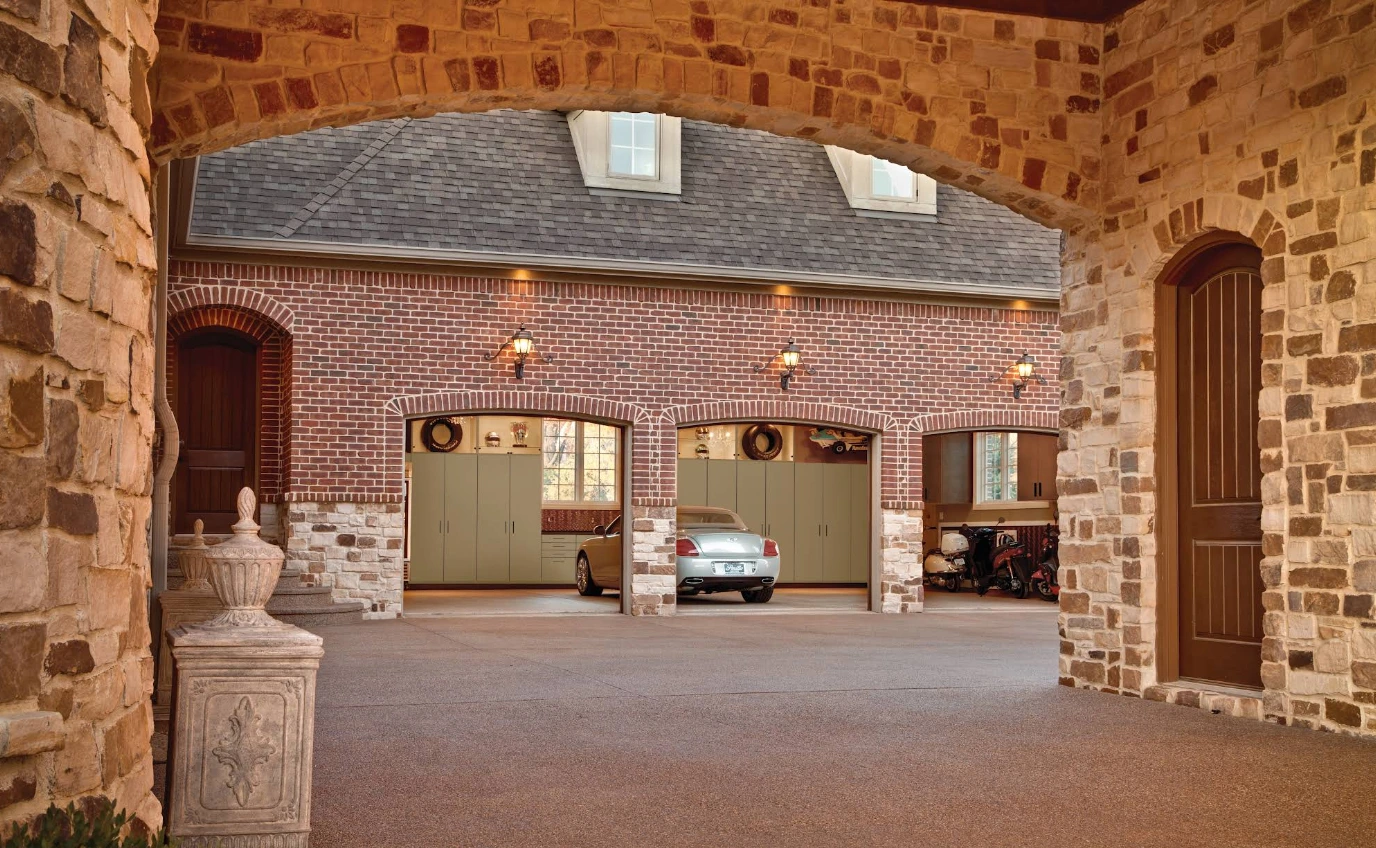
A well-designed garage workbench and utility zone transforms how you use your space. Whether you're a homeowner looking to organize tools, a car enthusiast needing dedicated work areas, or someone seeking to maximize storage efficiency, a custom workbench setup makes all the difference. At Garage Design Source, we specialize in creating functional, durable workbenches and utility zones that combine smart design with premium materials, turning your garage into a space that works as hard as you do.
Workbenches & Utility Zones in Arlington, VA
A well-designed garage workbench and utility zone transforms how you use your space. Whether you're a homeowner looking to organize tools, a car enthusiast needing dedicated work areas, or someone seeking to maximize storage efficiency, a custom workbench setup makes all the difference. At Garage Design Source, we specialize in creating functional, durable workbenches and utility zones that combine smart design with premium materials, turning your garage into a space that works as hard as you do.
Why Custom Workbenches Matter in Arlington Garages
Arlington homeowners often face a common challenge - garage spaces that serve too many purposes without enough functional organization. Your garage might need to accommodate tools, seasonal storage, hobby equipment, and vehicles all at once. A poorly planned workbench or utility zone wastes valuable space and creates frustration every time you need to find something or complete a project.
Custom workbenches and utility zones solve this problem by creating dedicated, organized spaces tailored to your specific needs. Rather than accepting a generic setup that doesn't quite work, you get a personalized solution that fits your workflow, your tools, and your garage layout perfectly.
Understanding Your Workbench Needs
Before designing your custom workbench, it helps to understand the different types of utility zones that work best for various purposes.
Work-focused workbenches are designed for active projects - woodworking, automotive maintenance, or hobby work. These require ample surface area, proper lighting, tool accessibility, and sturdy construction to handle heavy use.
Storage-integrated workbenches combine work surface with built-in storage, allowing you to keep your most-used tools within arm's reach. This setup maximizes efficiency in smaller spaces and keeps your workspace organized throughout the day.
Multi-zone utility areas divide your garage into distinct zones - a primary work area, a parts and small tools storage section, and a dedicated area for equipment. This approach works well for homeowners with diverse garage needs.
Hobby-specific stations accommodate particular activities like model building, electronics work, or crafting. These can include specialized lighting, ventilation considerations, and tool organization designed specifically for that hobby.
Understanding which type best fits your needs helps guide the design process. Many Arlington homeowners benefit from a hybrid approach that combines work surface with integrated storage, keeping everything organized and accessible.
Design Consultation and Layout Planning
The foundation of any successful workbench installation is thoughtful design. At Garage Design Source, we start by understanding your garage layout, existing storage solutions, vehicle parking needs, and workflow. We consider traffic patterns - how you move through the space - and ensure your workbench placement doesn't create obstacles.
During a design consultation, we discuss your specific projects and work style. Are you a weekend hobbyist or someone who spends significant time in the garage? Do you work on cars, wood projects, or general home maintenance? Your answers shape everything from workbench height to tool storage placement to lighting design.
We measure your Arlington garage precisely, accounting for slopes, windows, electrical outlets, and any overhead obstructions. We create a layout that maximizes usable work surface while maintaining clear vehicle access and leaving room for future changes. This planning phase prevents costly mistakes and ensures your final installation meets your actual needs.
The layout also considers future expansion. A well-designed utility zone allows you to add components later - additional storage, more lighting, or extra work surfaces - without major modifications. We build flexibility into the design so your workbench evolves with your needs.
Materials and Durability Options
The durability of your workbench depends entirely on the materials used. We offer several options, each with specific advantages.
Stainless steel workbenches provide maximum durability and easy cleaning. They resist corrosion and chemicals, making them ideal for automotive work or environments where spills are common. Stainless steel costs more upfront but offers exceptional longevity and requires minimal maintenance.
Heavy-duty laminate surfaces combine affordability with practical durability. High-quality laminates resist stains and casual damage while providing a smooth work surface. This option works well for general purpose workbenches and hobby areas.
Solid wood with protective coatings offers warmth and traditional workbench appeal. We use quality hardwoods treated with durable finishes that protect against moisture and minor impacts. Wood workbenches feel more comfortable for extended use and suit woodworking or craft spaces beautifully.
Powder-coated steel frames provide structural strength and rust resistance. Combined with various top surface options, steel framing creates incredibly stable, long-lasting workbenches that handle heavy equipment and tools without flexing or wobbling.
Finished options include matte, satin, or glossy coatings depending on your preference. We match finishes to your overall garage aesthetic, ensuring your workbench and utility zone look intentional and coordinated with existing storage systems.
Material selection also considers your specific work environment. If you work with oils or solvents, certain materials resist damage better. If your garage experiences temperature fluctuations common in Arlington, materials with stable expansion properties prevent warping or cracking over time.
Integrated Storage and Cabinetry
The most efficient workbenches integrate storage directly into the design. Rather than keeping tools in separate cabinets across the garage, integrated storage puts them exactly where you need them.
Under-surface storage maximizes valuable real estate. Drawers positioned below the work surface keep small tools, hardware, and accessories organized and accessible. Deep drawers suit larger tools, while shallow drawers work perfectly for fasteners, bits, and small hand tools. All drawers benefit from dividers that prevent everything from sliding together into an unusable jumble.
Wall-mounted cabinetry above the workbench keeps frequently used tools visible and within reach. Glass-front cabinets display organized tool collections while protecting them from dust. Solid-front cabinets hide less frequently used items while maintaining easy access.
Open shelving works well for larger equipment, parts storage, or materials organized by project. Shelves above a workbench need sturdy installation to safely support weight without sagging. Adjustable shelving allows you to reconfigure storage as your needs change.
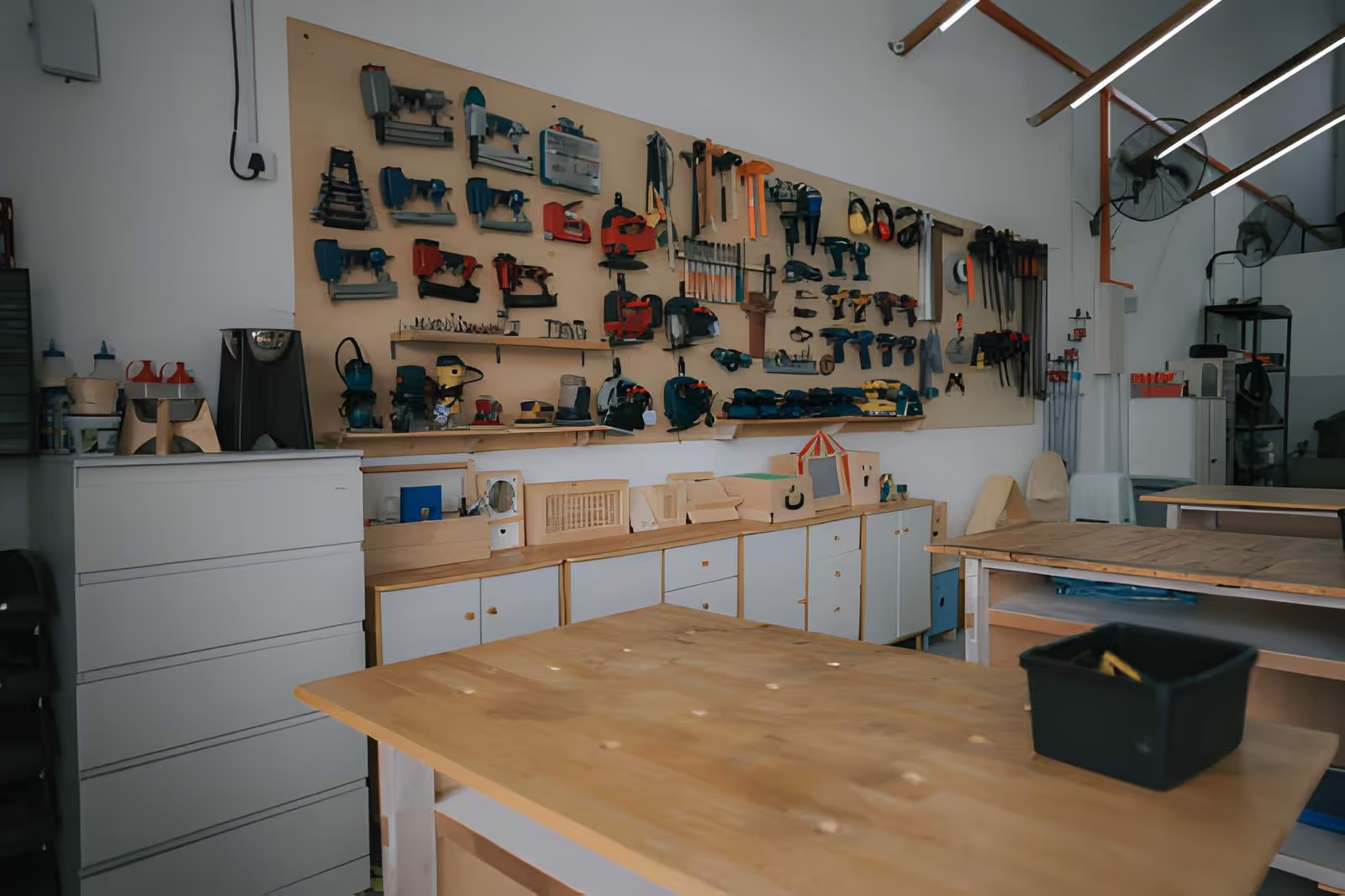
Pegboard systems provide flexible tool storage that adapts to your collection. Pegboards accept endless hook and holder combinations, letting you customize the layout precisely. They work especially well for hand tools, frequently-switched accessories, and workshop items you want visible.
Pull-out storage maximizes deep cabinets by bringing items forward automatically. Pull-out shelves, spice racks-style organizers, and sliding bins let you access everything in a cabinet without reaching or climbing.
Cabinetry also serves to hide unsightly items - cleaning supplies, seasonal decorations, vehicle maintenance products - keeping them organized but out of sight. This containment creates a polished appearance and makes your garage feel more intentional.
Built-in Power and Task Lighting
Proper lighting and convenient power access transform how your workbench functions. Poor lighting creates eye strain and makes precise work difficult. Limited power outlets force you to use extension cords or unplug tools constantly.
Task lighting focuses bright light directly on your work surface. Under-cabinet LED fixtures eliminate shadows and provide shadow-free illumination exactly where you need it. Adjustable fixtures let you direct light precisely, crucial for detailed work or hobby projects.
Ambient lighting illuminates the broader workspace and surrounding garage. This prevents harsh shadows and ensures you can safely navigate the area without tripping or bumping into obstacles.
LED technology is the standard we recommend. LEDs produce bright, clear light without excessive heat. They use minimal electricity, generate virtually no heat in your workspace, and last for years without replacement. Many LED fixtures include dimmable options, letting you adjust brightness for different tasks.
Outlet placement in and around the workbench prevents the tangle of extension cords. We install outlets on the workbench edge or wall behind the workspace, positioning them conveniently for your typical tools. Weatherproof outlet covers keep dust and moisture out when not in use.
USB charging ports integrated into modern workbench designs accommodate phones, tablets, and powered tools that use USB charging. This keeps devices charged and ready without creating additional clutter.
Power strips with surge protection can be integrated into the workbench structure, giving you multiple outlets in a single convenient location. This prevents outlet overload while keeping all your power sources organized.
Proper lighting and power together create a workspace where you actually enjoy spending time, making projects feel less like a chore and more like an opportunity to use a space you love.
Accessory Options and Customization
The final character of your workbench comes from accessories that make it work exactly how you need.
Pegboards and hook systems offer infinite customization. You arrange hooks, holders, and baskets to match your actual tool collection and workflow. Magnetic strips hold metal tools securely. Tool-specific holders keep specialty items organized.
Drawer dividers transform deep drawers into organized compartments. Adjustable dividers adapt as your tool collection changes. Modular systems let you reconfigure the layout in minutes.
Cable management systems keep power cords, charging cables, and equipment connections neat and tangle-free. Hidden channels route cables behind the workbench, away from your work surface. Label holders identify which cable goes where.
Magnetic strips mounted on walls or cabinetry hold ferrous tools securely while keeping them visible and accessible. They're especially useful for frequently-used metal tools.
Rolling carts and mobile storage add flexibility to your workspace. Carts move easily for quick access to grouped tools or to clear workspace when needed. They're perfect for hobby-specific items or supplies you use seasonally.
Backsplash panels behind your workbench provide an organizational surface for pegboards, shelving, or open storage. They also protect your wall from splashes, impacts, and stains.
Workbench edges and trim come in various styles. Beveled edges reduce injury risk from sharp corners. Protective edge banding prevents chipping and splitting of wood surfaces. Metal edging creates a finished look while providing durability.
Casters and leveling feet ensure your workbench sits perfectly level and stable. Adjustable feet accommodate slightly uneven garage floors common in many Arlington homes. Locking casters allow mobile workbenches to stay put when needed.
These accessories might seem like details, but they determine whether your workbench functions beautifully or becomes just another piece of garage clutter.
Installation Process and Timelines
Understanding what to expect during installation helps you plan your garage use around the project.
Initial site preparation typically involves clearing the installation area and protecting nearby items. This step takes a few hours depending on current clutter levels. We work around your schedule to minimize disruption.
Foundational installation sets the workbench base and structural components. This usually takes one to two days depending on complexity. For simple installations, we might complete everything in a single day. More complex custom builds with extensive cabinetry and built-in storage might take two to three days.
Surface installation and finishing applies your chosen work surface and completes the top. This includes sealing, staining, or coating if needed for your material choice.
Cabinetry and storage assembly mounts cabinets, installs shelving, and assembles drawers. This phase includes all hardware installation and ensures everything operates smoothly.
Electrical work including outlet installation and lighting setup typically happens during final phases or can be coordinated with a licensed electrician if permits are required.
Final testing and adjustment ensures everything operates perfectly before we complete the project. Drawers slide smoothly, doors close properly, lighting illuminates correctly, and outlets function safely.
Most complete workbench installations in Arlington homes are finished within two to four days of active work. We schedule projects to complete during your preferred timeframe, understanding that disrupting your garage impacts your daily routine.
Load Capacity and Structural Considerations
A workbench is only useful if it reliably supports the weight you place on it. Load capacity depends on materials, construction methods, and support structure.
Maximum work surface load typically ranges from 500 to 1,500 pounds depending on design and construction. We calculate safe capacity based on your specific workbench configuration and the tools you plan to use most frequently.
Even weight distribution matters significantly. Placing all weight at one edge stresses that support point more than spreading weight across the surface. A properly designed workbench distributes loads evenly to prevent warping or structural failure.
Leg and support structure determines how much weight the entire unit can handle. Four-point support typically provides more capacity than wall-mounted designs. Diagonal bracing adds rigidity without adding significant weight.
Shelf load capacity also matters. A shelf designed for light tool storage might safely hold 50 pounds, while a heavy-duty shelf holds 200 or more pounds. We ensure your storage design matches what you plan to store.
Vibration and flex should be minimal during normal use. Slight flex in a workbench is normal and acceptable. Excessive movement indicates inadequate support or structural concerns that need addressing.
During design consultation, we discuss your anticipated uses and calculate appropriate capacity. A woodworking bench needs different specifications than a parts organization station. We ensure your custom workbench handles your actual needs with safety margin for unexpected loads.
Maintenance and Long-Term Care
Proper maintenance keeps your workbench looking great and functioning well for decades.
Regular cleaning prevents buildup of dust, oil, and debris. A damp cloth and mild soap work for most surfaces. For stainless steel, use appropriate cleaner designed for that material to prevent streaking or water spots.
Stain and spill treatment prevents damage from oils, solvents, or chemical exposure. Immediate cleanup prevents stains from setting. Using surface protectants appropriate to your material choice provides additional protection.
Hardware tightening keeps everything secure. Check nuts, bolts, and fasteners periodically, tightening anything that has loosened from vibration or use.
Drawer and door maintenance keeps everything operating smoothly. Occasional lubrication of drawer slides and hinges prevents squeaking and ensures smooth operation.
Surface refinishing extends workbench life. Wood surfaces might need occasional resealing or refreshing. Laminate surfaces rarely need refinishing if properly maintained. Stainless steel develops a desirable patina with use.
Shelf adjustment might be needed as your storage needs change. Adjustable shelving lets you reconfigure without tools or assistance.
Most properly installed workbenches require minimal maintenance beyond cleaning and occasional hardware adjustment. The quality materials and construction methods we use at Garage Design Source ensure your investment maintains value and function through years of use.
Creating Your Ideal Utility Zone
Your workbench and utility zone should reflect how you actually use your garage. Whether you're a serious hobbyist, someone who tackles weekend projects, or a homeowner seeking better organization, the right setup transforms the entire space.
At Garage Design Source, we've created hundreds of custom workbenches and utility zones across Arlington and the surrounding Washington D.C. metro area. We understand the specific challenges Arlington garages present - climate considerations, space constraints, and the desire for solutions that look as good as they function.
The process starts with understanding your vision and requirements. We listen carefully to what you plan to do in your workspace, how often you'll use it, and what success looks like for you. From there, we design and build a custom solution that exceeds expectations in both function and appearance.
Your workbench should make you want to spend time in your garage. It should keep everything organized, provide convenient power and lighting, and support all your projects without requiring constant workarounds. That's what we build.